

Protect the hull of the boat with a rub rail
Table of contents
Whether you decide to sail on a sailboat, a barge, or a small boat, taking care of the hull is essential to prolong your boat's lifespan.
And that's precisely what a rub rail provides.
What is a rub rail?
A rub rail is a protection that is fixed to a boat's hull to protect it against shocks and friction, particularly during mooring maneuvers, docking, or raising an anchor.
It is installed all around the boat, quite high up (see photo for an example).
As a protective equipment on the vessel, it also contributes to the boat's decoration and overall look.
Therefore, it is necessary to use a material that is flexible enough to conform to the shape of the vessel's hull, resistant to protect against impacts, and with a minimum of elegance since the rub rail is continuously visible all around the boat.
Generally, this protection is not enough, and fendering and fenders are also used.
Types of rub rails
Over time, both sea and river navigation have constantly evolved. Different techniques have emerged, and several materials are used.
Seeking simplicity and cost reduction, faithful restoration of an old rigging, aesthetic and practical choices…
To each their own taste, to each their own boat.
PVC
This is now a very common deck equipment.
Affordable, easy to install and maintain, PVC is highly resistant to UV rays and seawater.
Wood
For lovers of beautiful boats and restorers of old rigging, it's impossible to put PVC on an old hull if you want to preserve its antique style.
Wood therefore remains a material of choice for making a rub rail and protecting the hull of a small boat.
In ash, iroko, oak, spruce, or even black locust… several wood species can be suitable. A good carpenter or cabinetmaker will be able to guide you.
Knowing that a wooden rub rail can sometimes be more complex to install or even maintain (should it be varnished or not? Should it be steamed?).
Rope
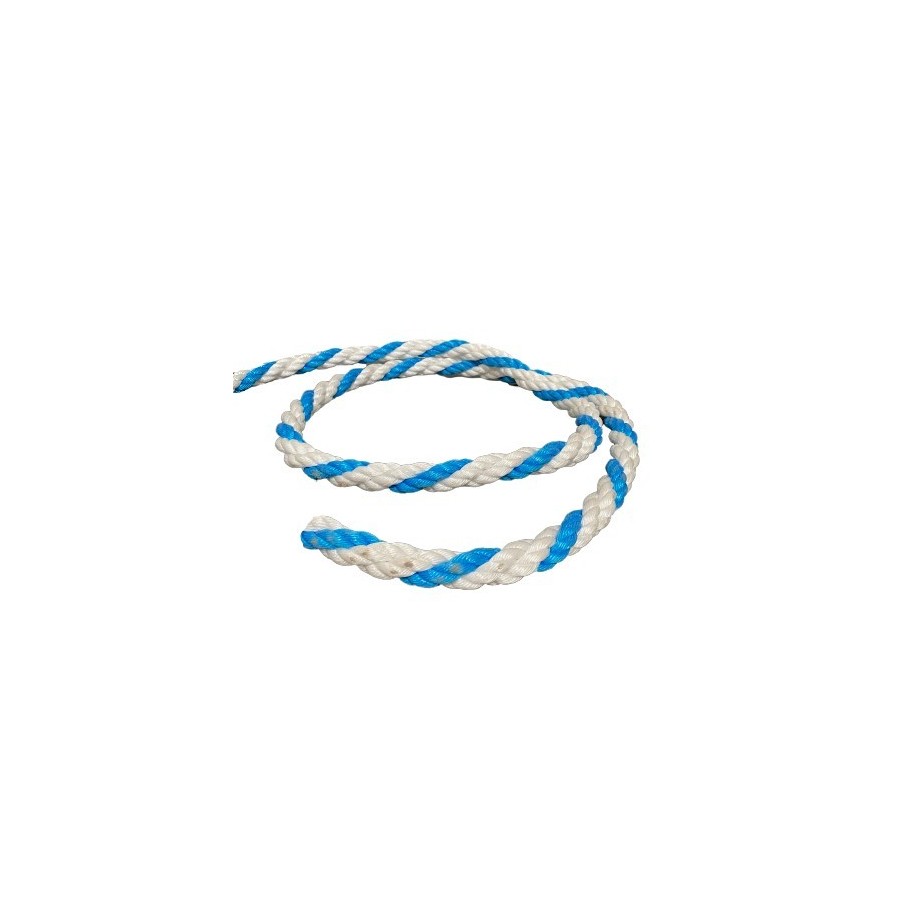
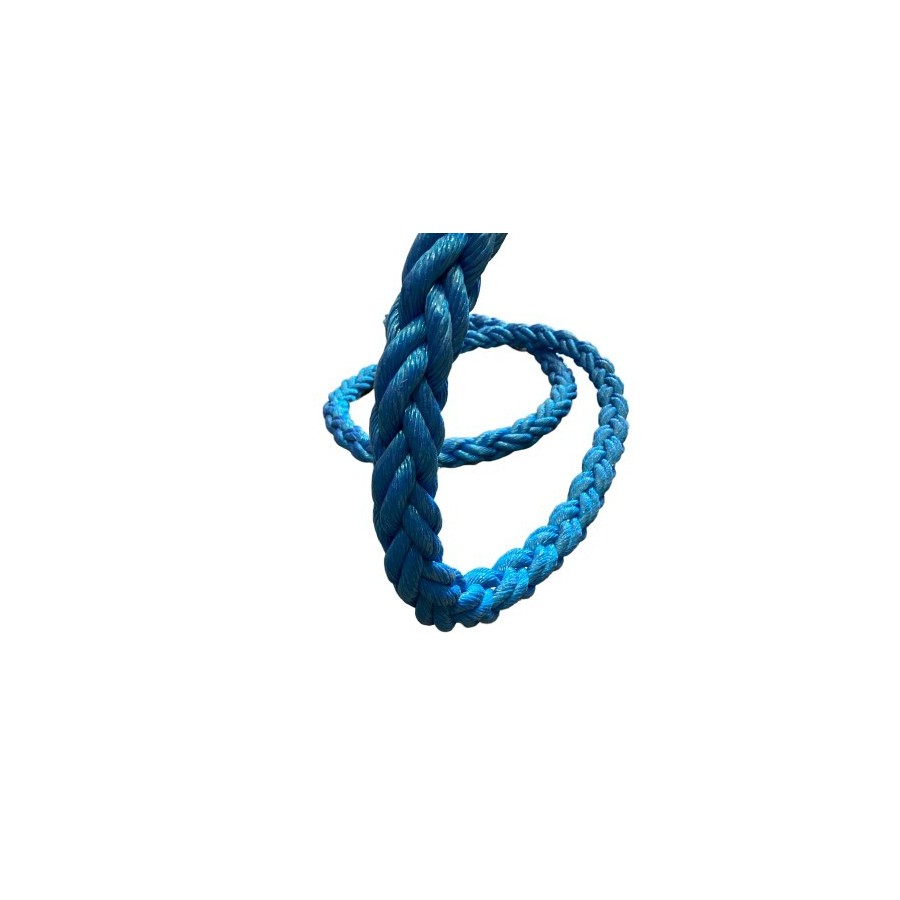
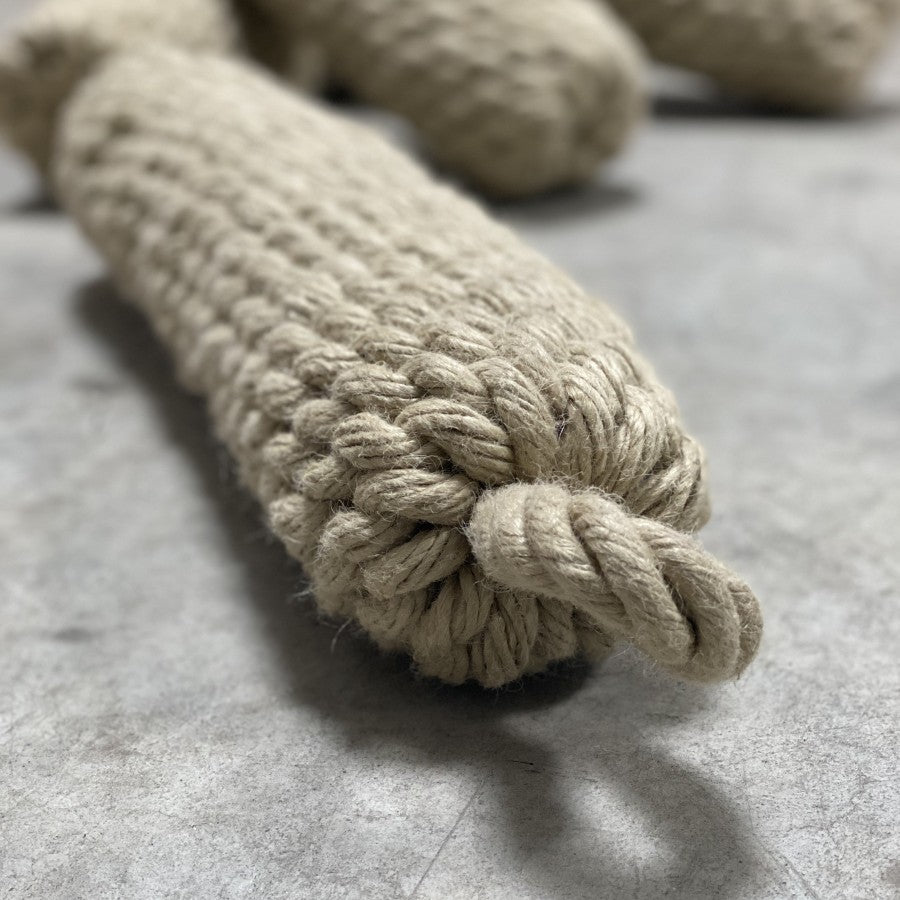
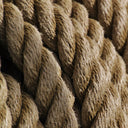
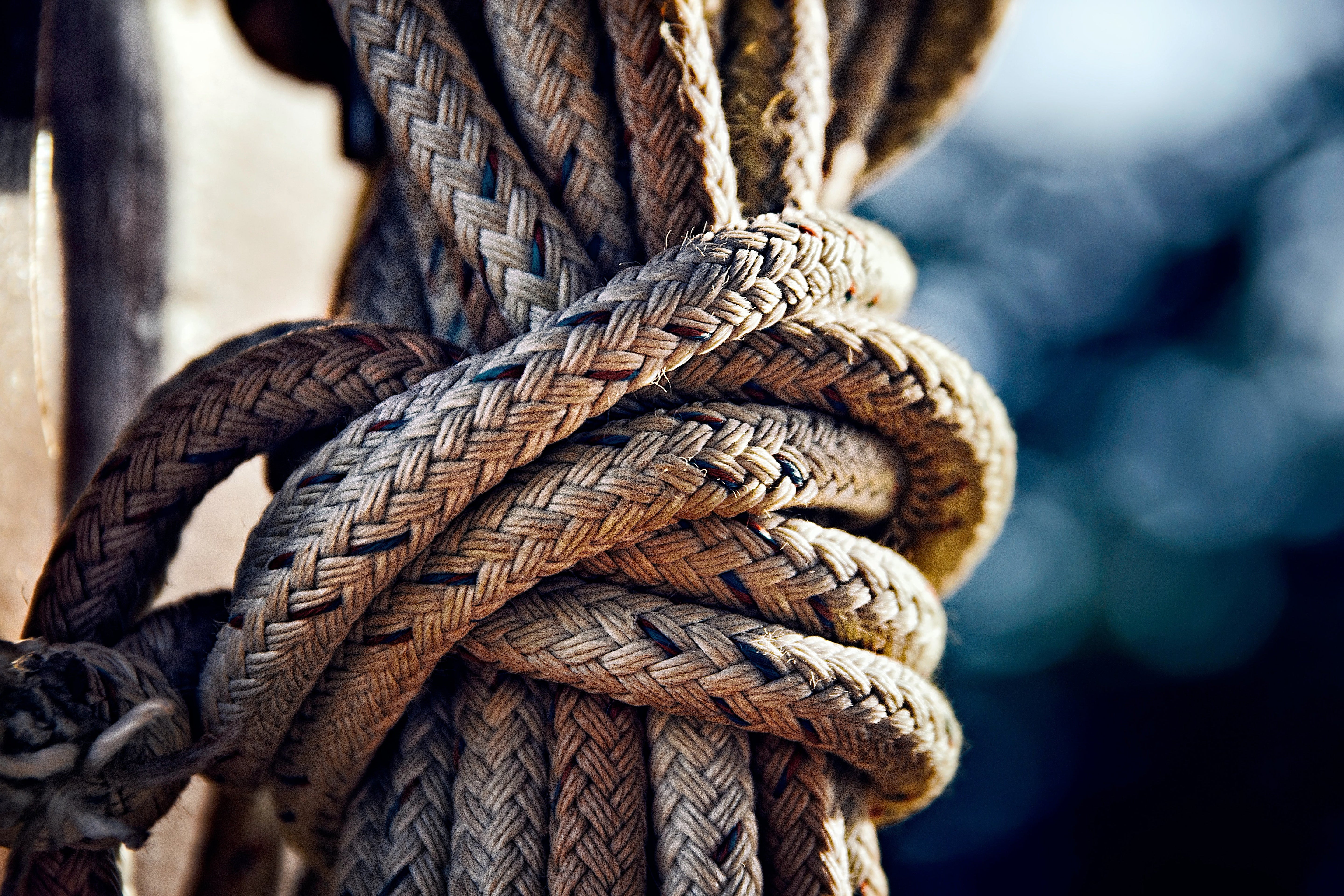
And of course, you can also protect your boat's hull with a thick rope rub rail.
We offer them at Corderie Gautier.
These marine ropes are of course resistant to salt, UV, and abrasion. They are also rot-proof. In short: a long lifespan, great resistance, and an affordable price.
A rope rub rail is very flexible and adapts perfectly to the shape of the hull, without effort or specific process.
No need to varnish it either.
The color is also customizable, to best suit the boat's style.
What to choose: rope, wood, or PVC rub rail?
This will mainly depend on your boat and your budget.
If you're restoring an old boat with a neat look and beautiful wood, putting a common PVC protection is highly likely to stand out and not look its best.
On other modern sailboats, combined with stainless steel parts, a PVC rub rail has a very pleasing appearance.
Wood gives a very noble look, but can quickly become complex and expensive.
Rope is very practical and economical, and can even perfectly match the boat depending on the chosen color. However, the style may not appeal to everyone.
Look at the barges, sailboats, and dinghies at the dock to get an idea and imagine what your vessel will look like once equipped.
Why install and maintain one?
Ultimately, it doesn't matter what material is used. You will have understood that a rub rail is necessary.
Between replacing a rope or PVC protection and repairing a boat's hull, the choice is quickly made.
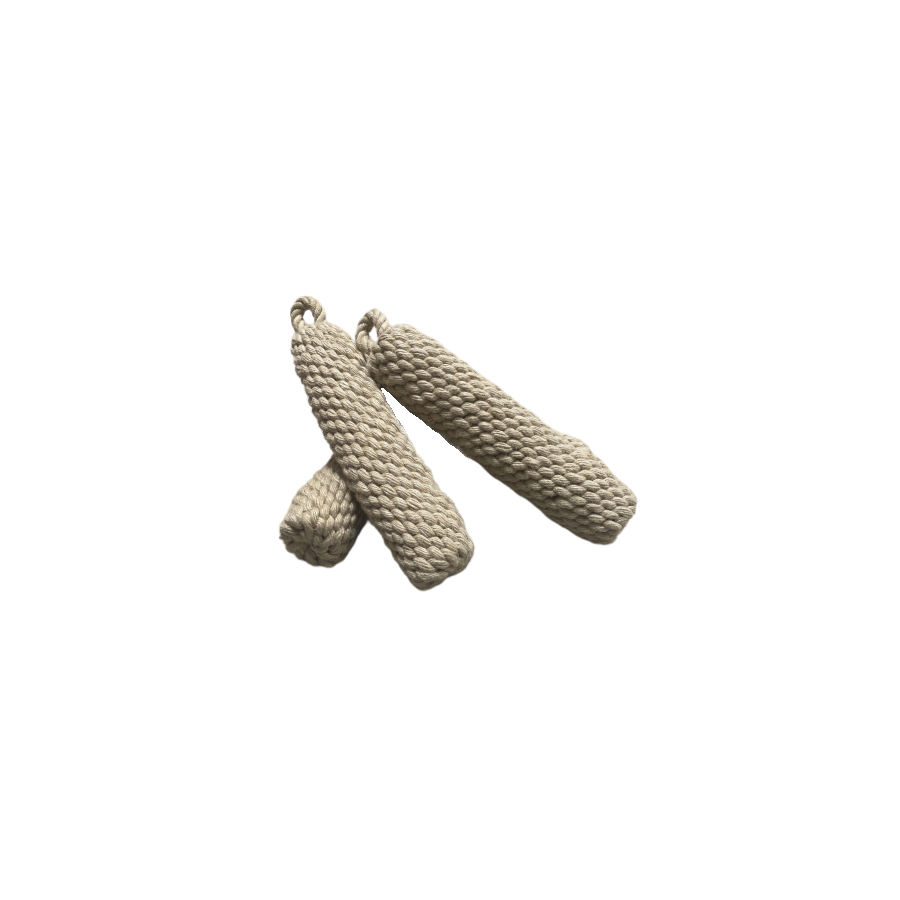
If you are looking to complement hull protection while retaining an authentic look for an old sailboat, also discover our custom-made rope fenders.