
Products
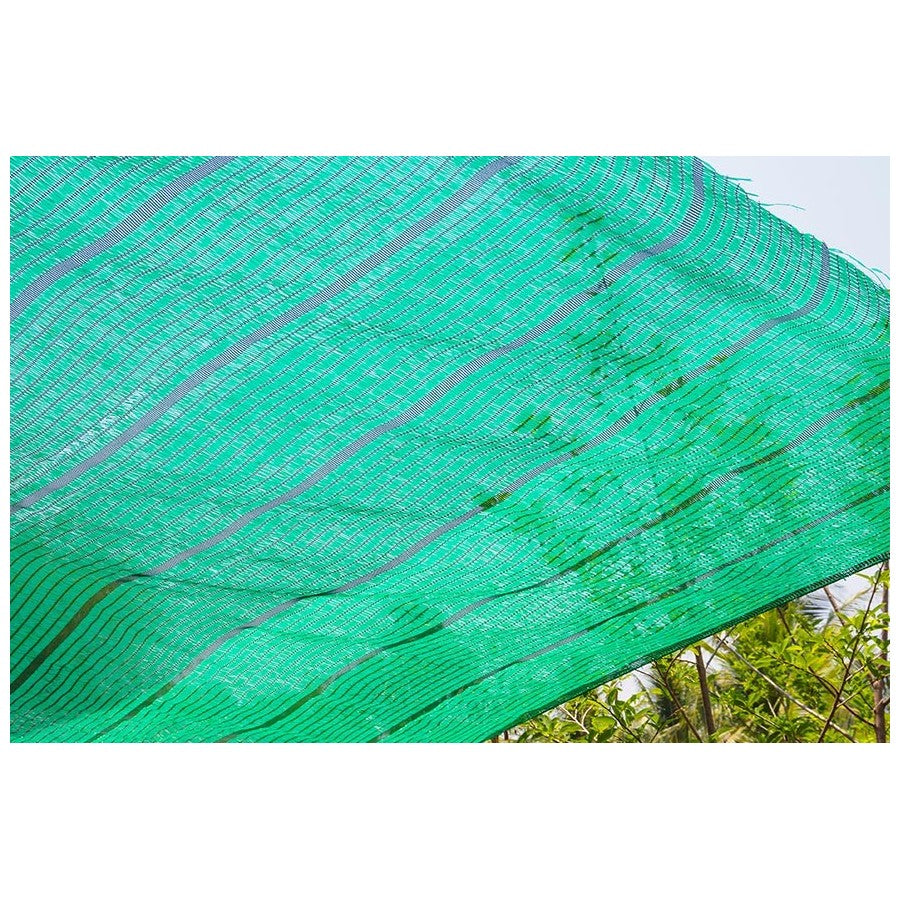
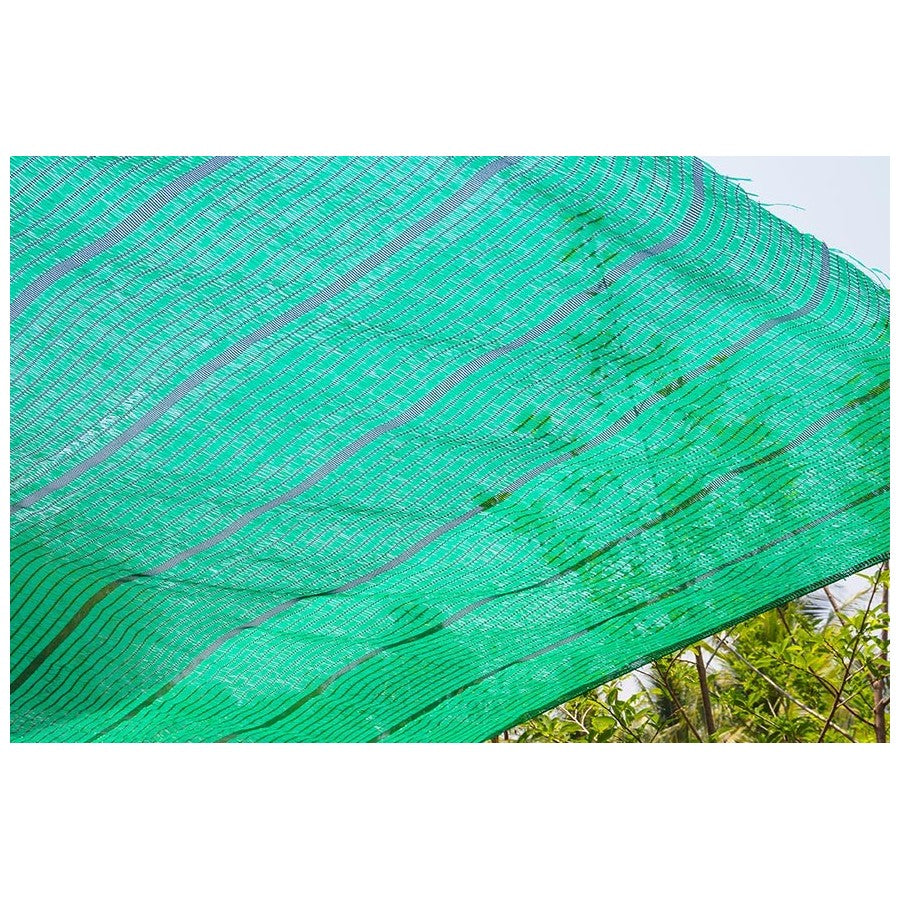
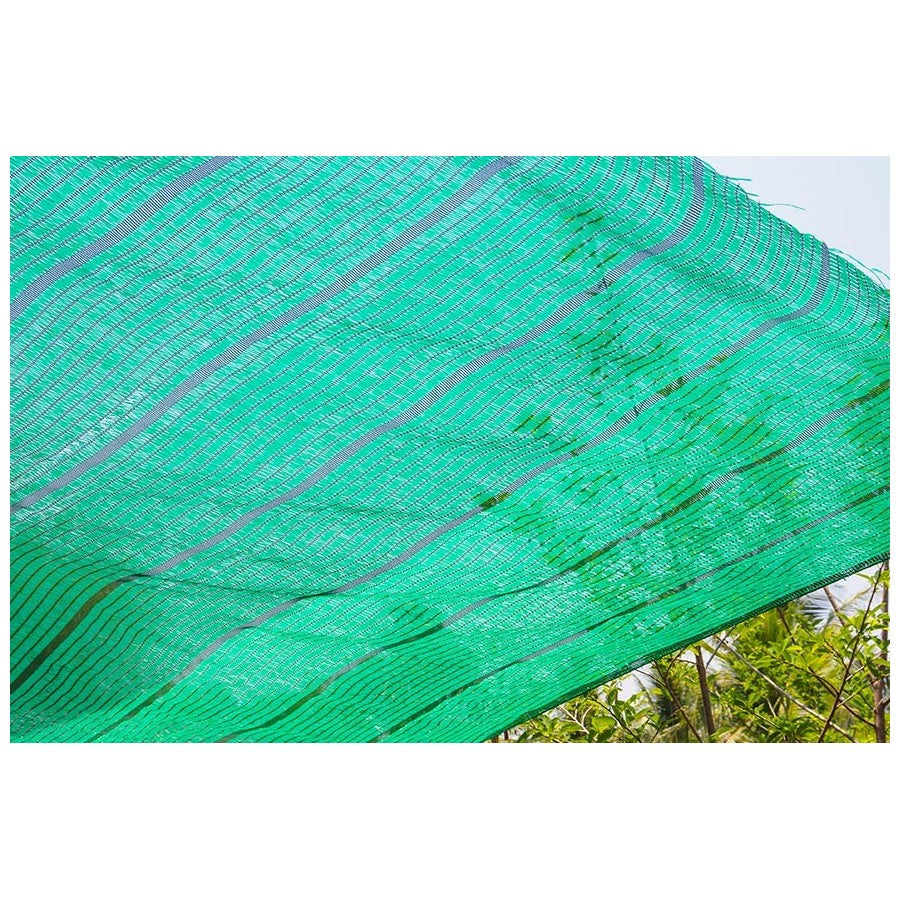
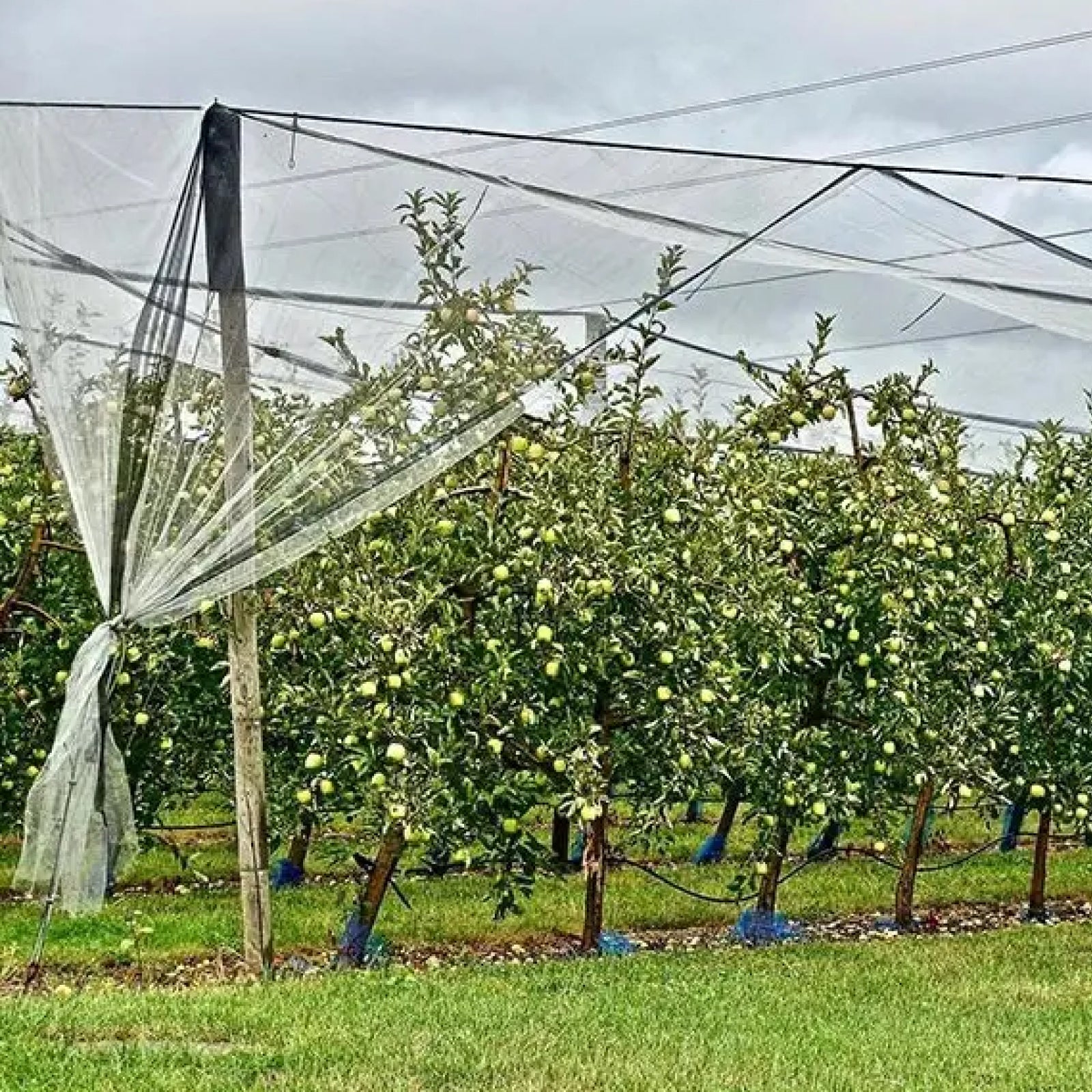
Fruit Tree Netting: Effective Natural Protection
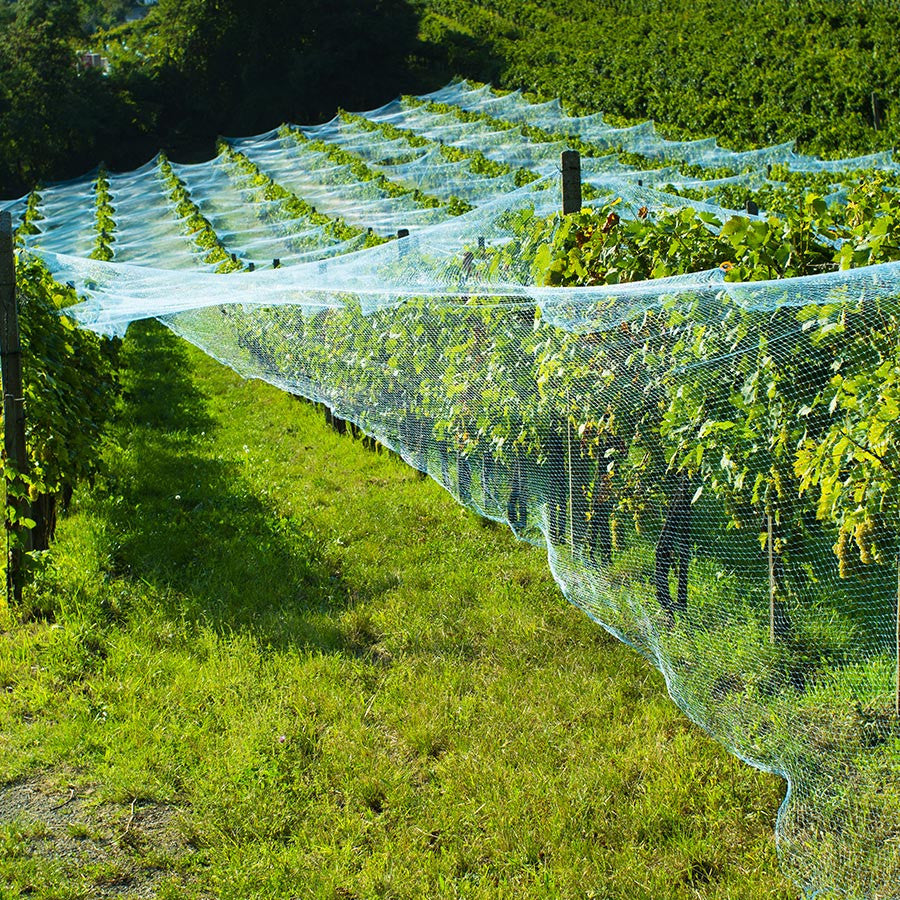
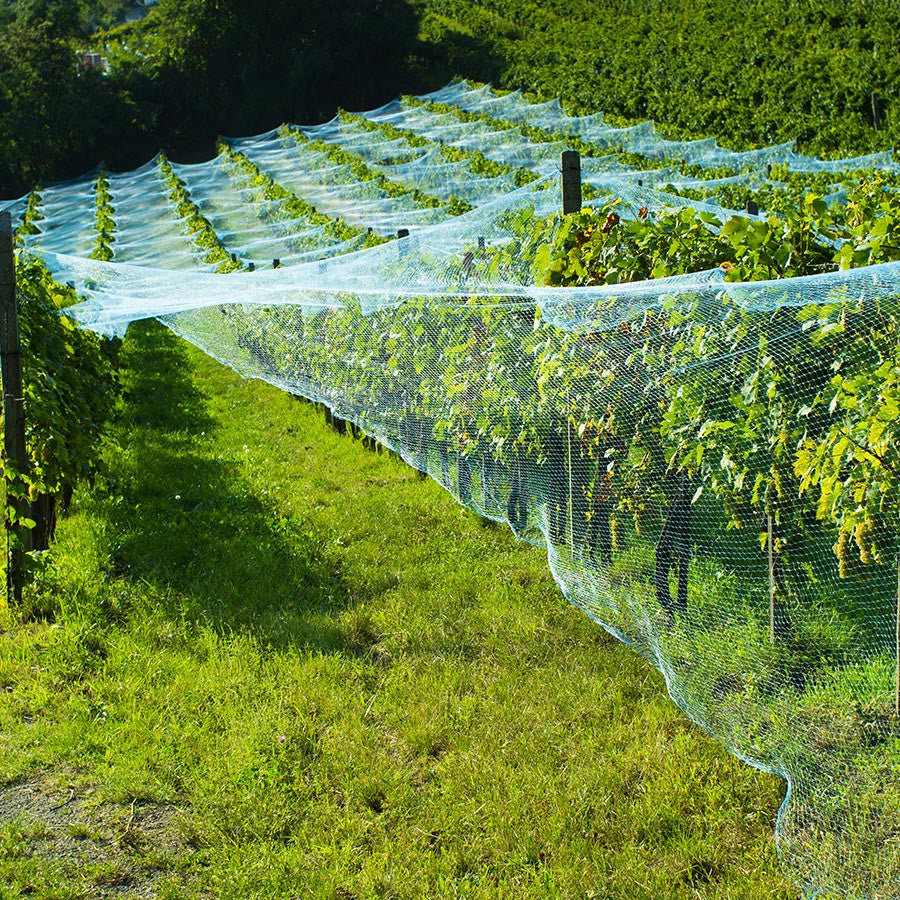
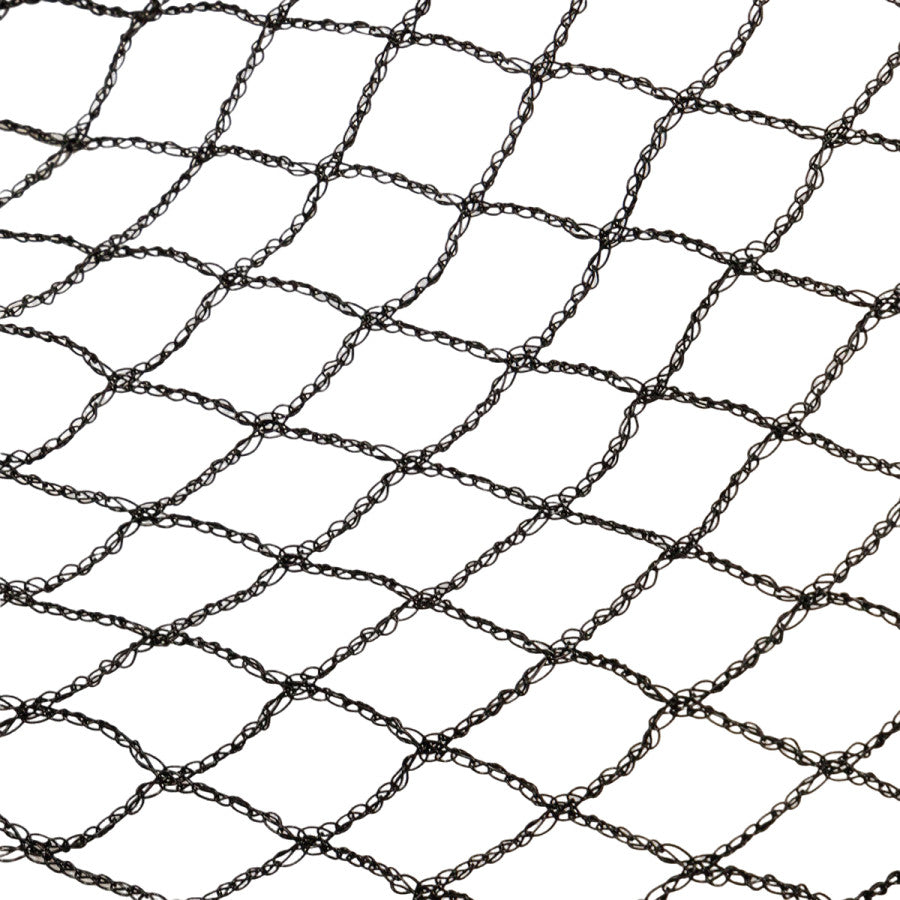
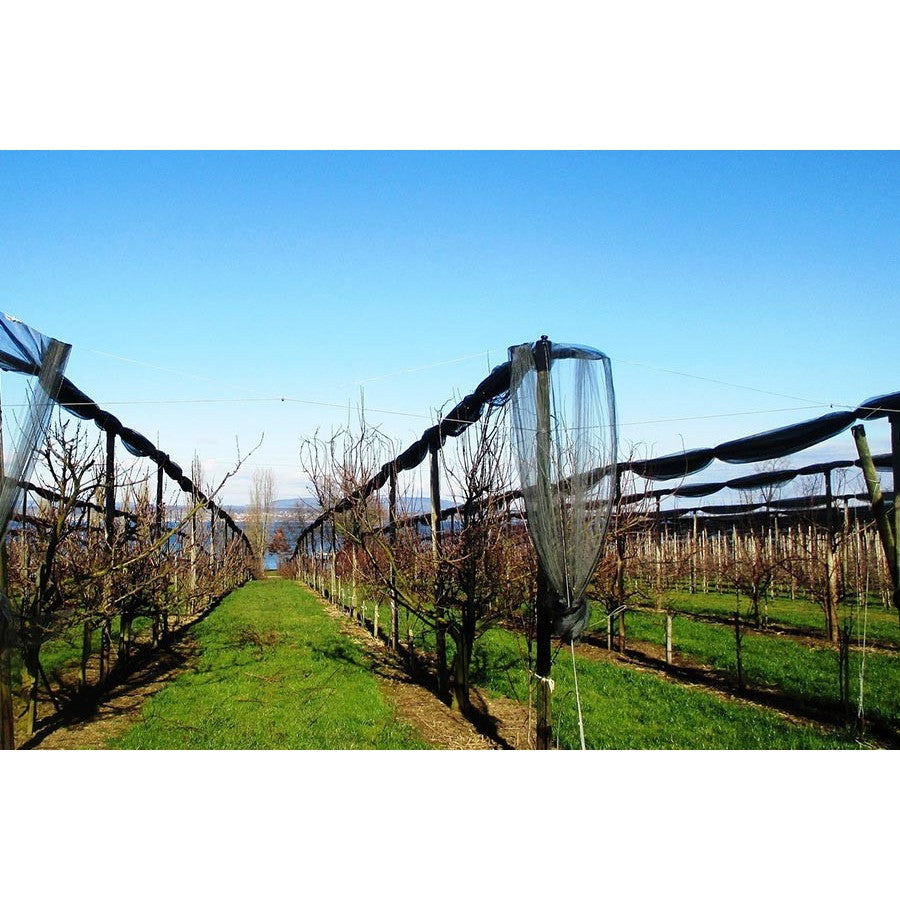
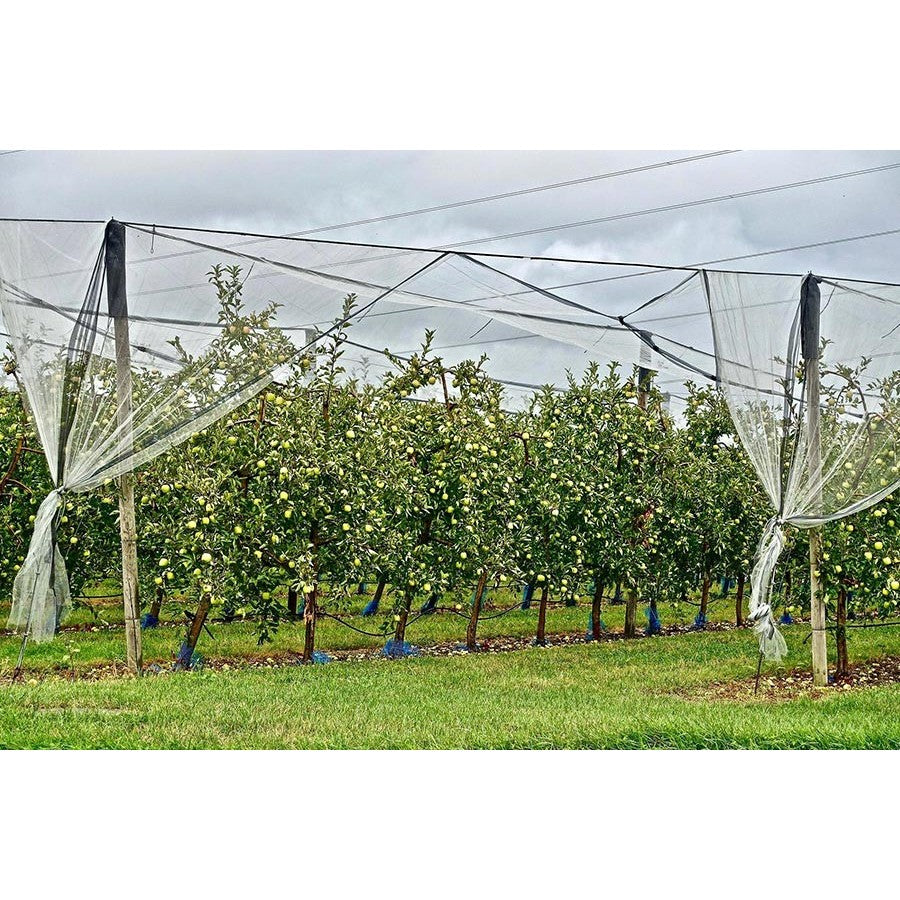
Fruit tree and crop netting effectively protects fruits and vegetables from major pests and climatic hazards. Without the use of chemicals or pesticides, they offer a sustainable mechanical solution for private gardens, orchards, market gardens and organic or HVE agriculture.
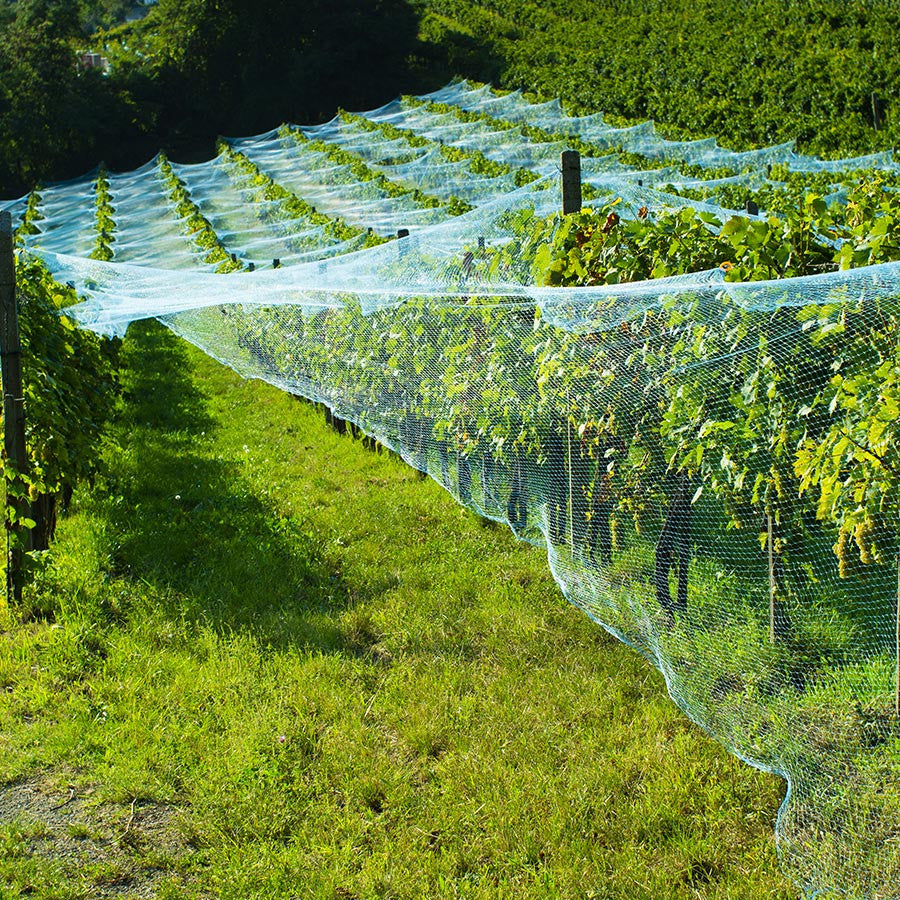
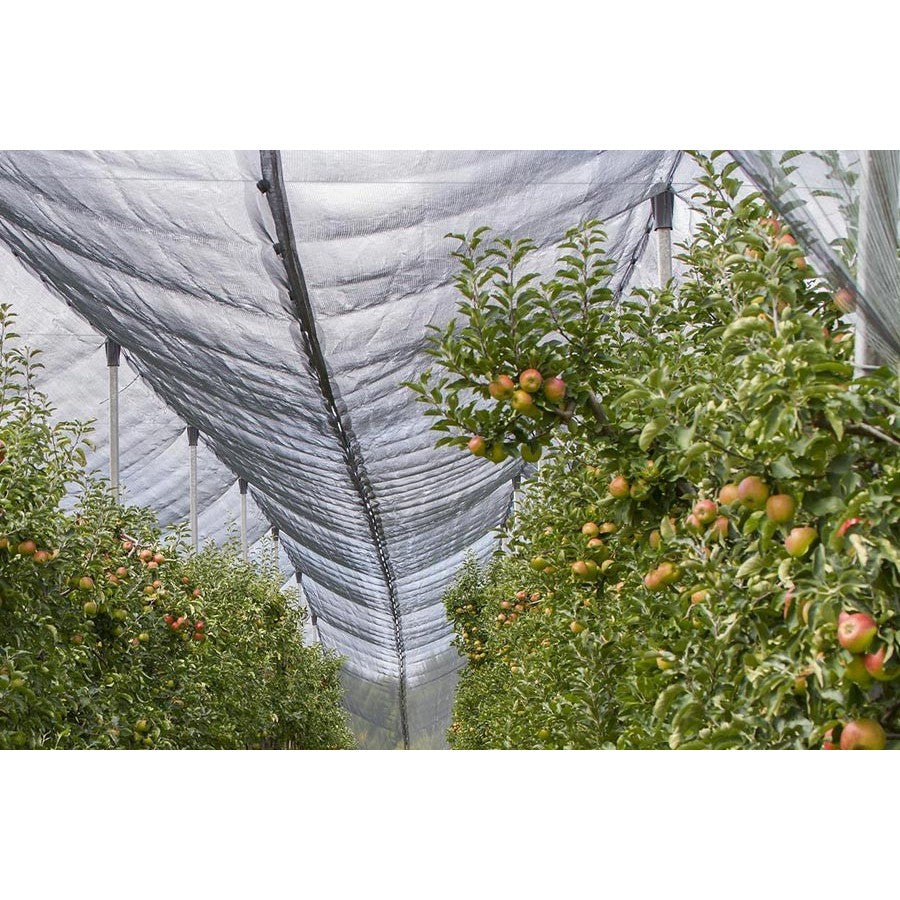
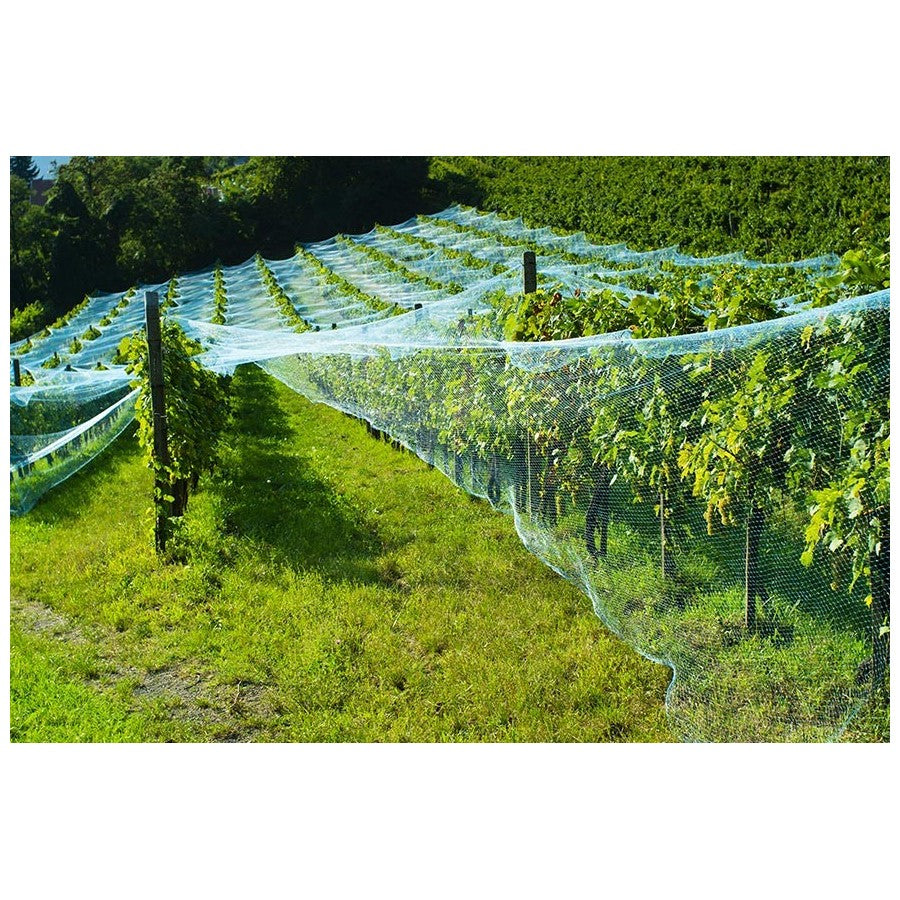
A protective net for fruit trees allows air and light to circulate to promote fruit development while limiting damage caused by birds, insects, small game, or bad weather. It can be used to protect many crops: apple trees, pear trees, cherry trees, grapevines, strawberries, raspberries, as well as garden vegetables and young plants.
Protective nets against birds and insects
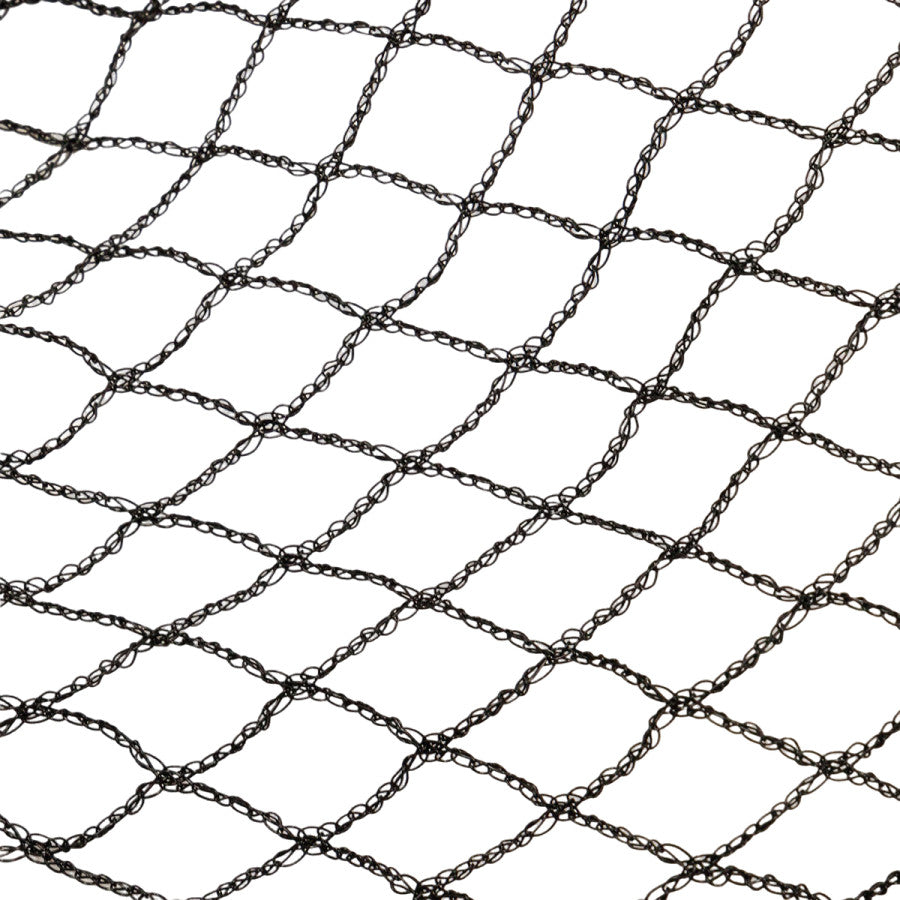
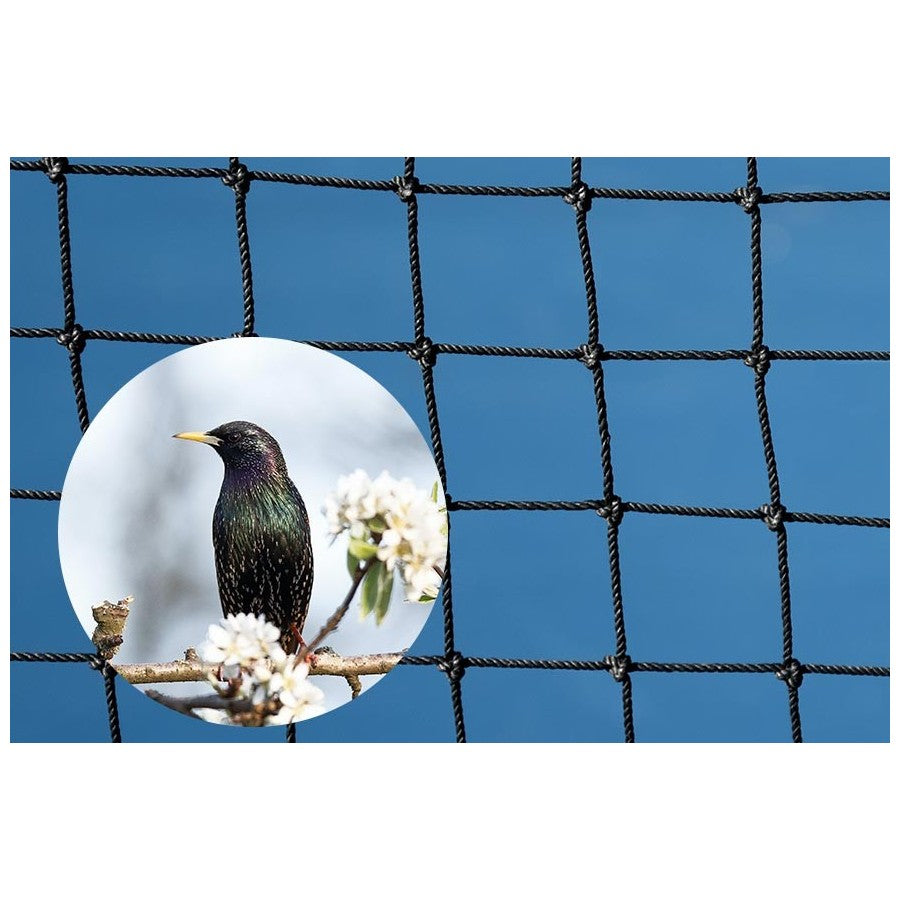
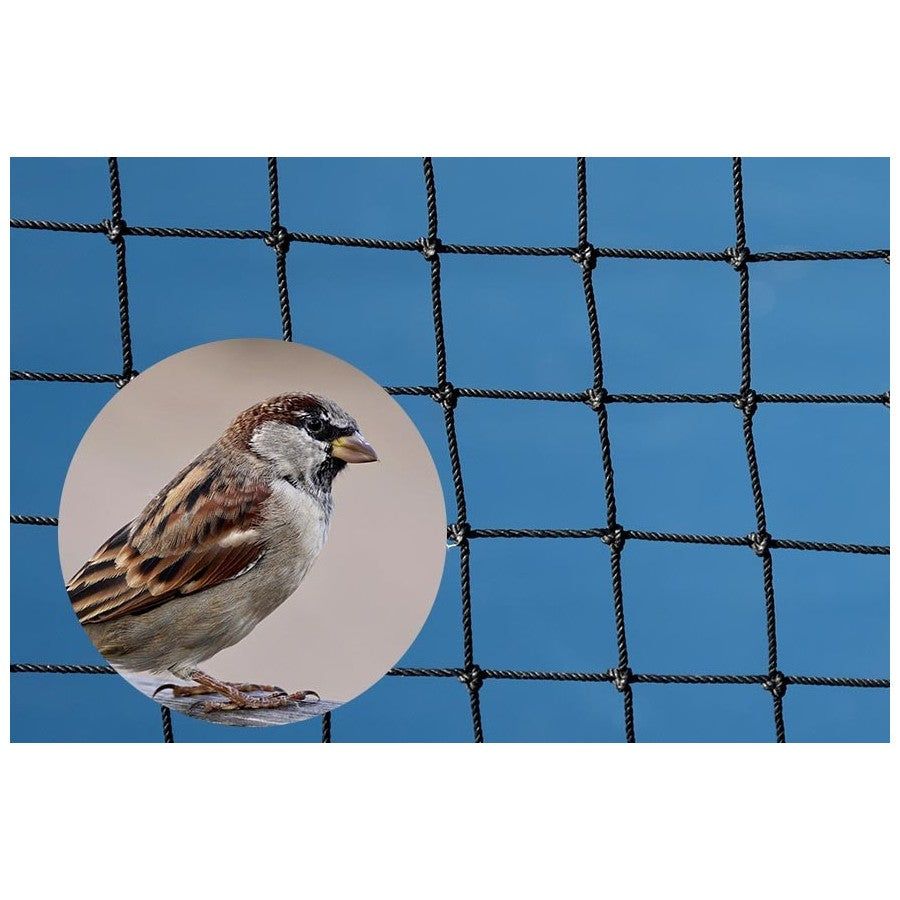
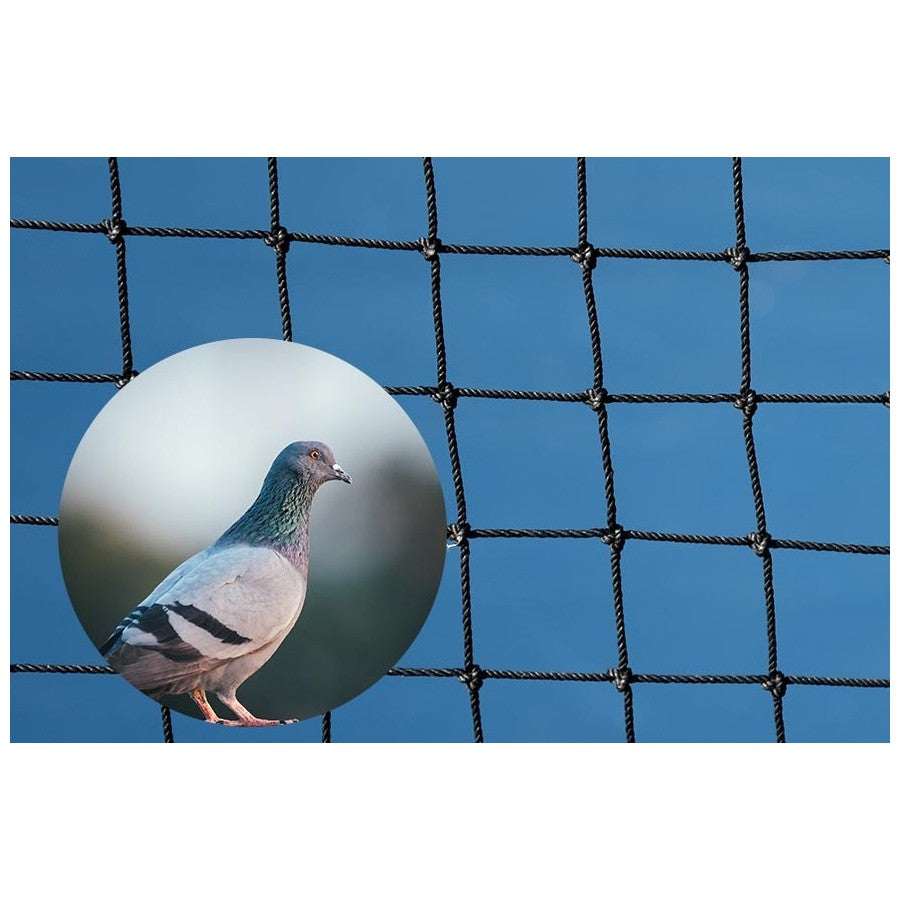
Birds can quickly damage a crop, especially on cherry trees, small fruits, and fruit trees. The anti-bird net protects fruits from pigeons, sparrows, starlings, and other birds attracted to ripe harvests. Depending on the crop and the desired level of protection, different mesh sizes are available.
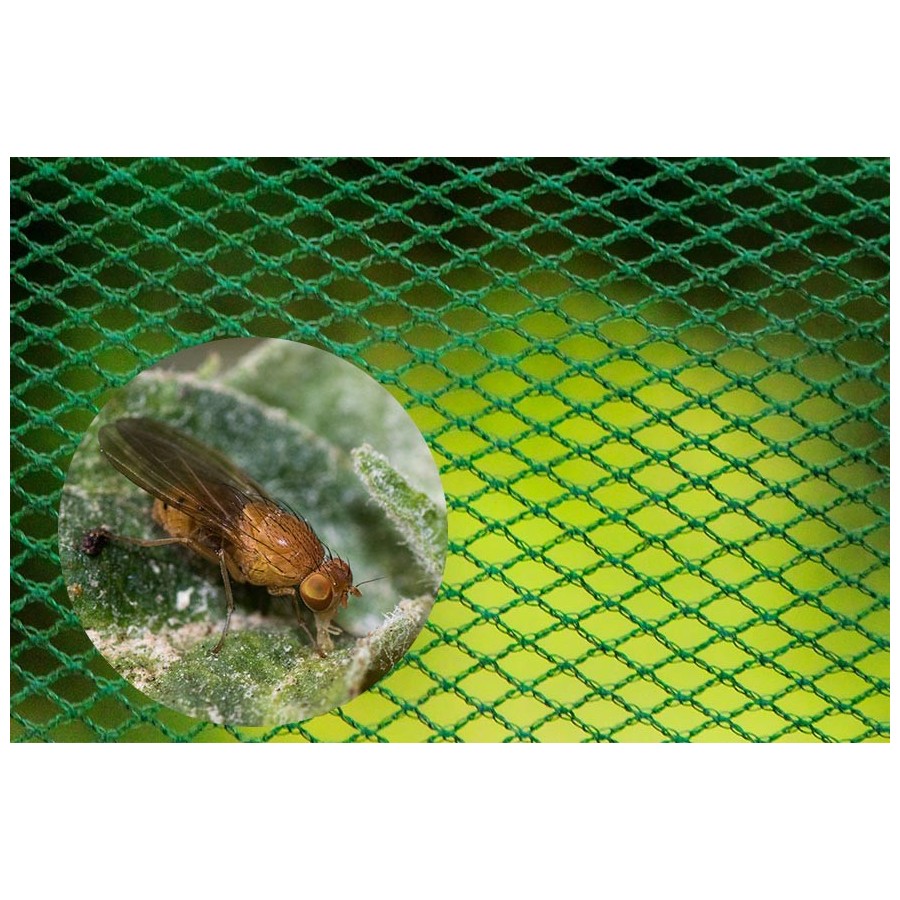
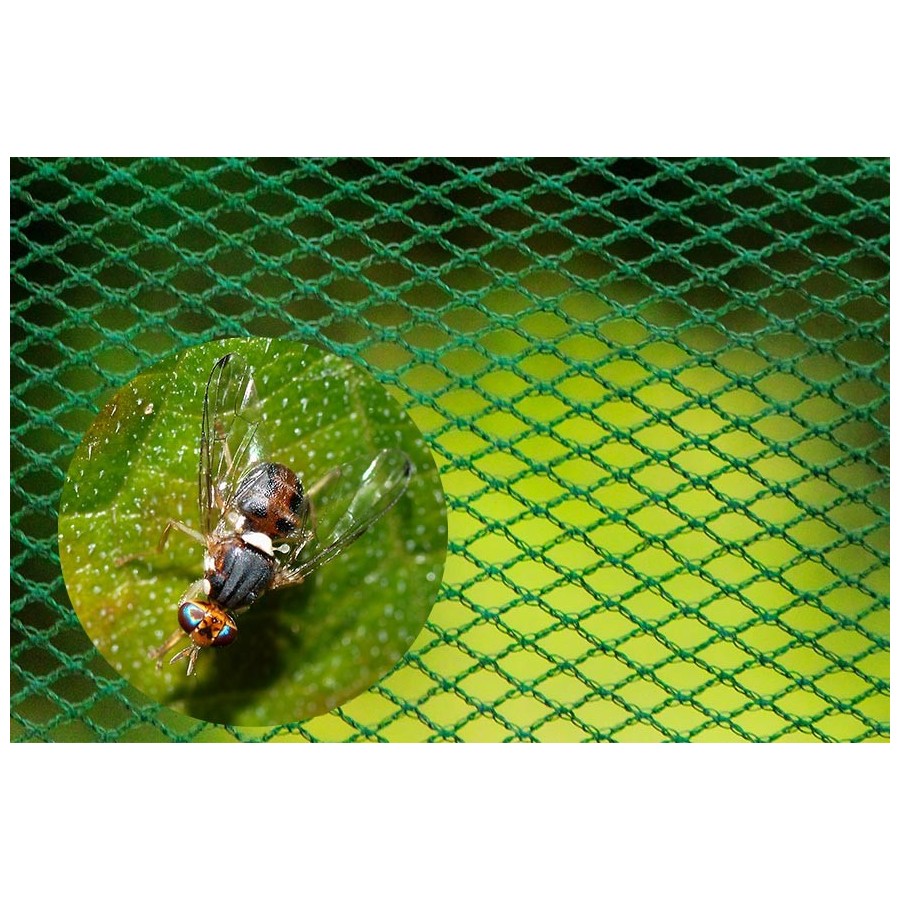
Insect nets protect fruits and vegetables from many pests. With adapted fine meshes, they limit the passage of insects such as the cherry fruit fly (Drosophila suzukii), the olive fly, the seedcorn maggot, the cabbage maggot, or the cabbage moth. They are particularly useful for orchards, greenhouses, vegetable gardens, and market gardens.
Protect your crops from garden and market gardening pests
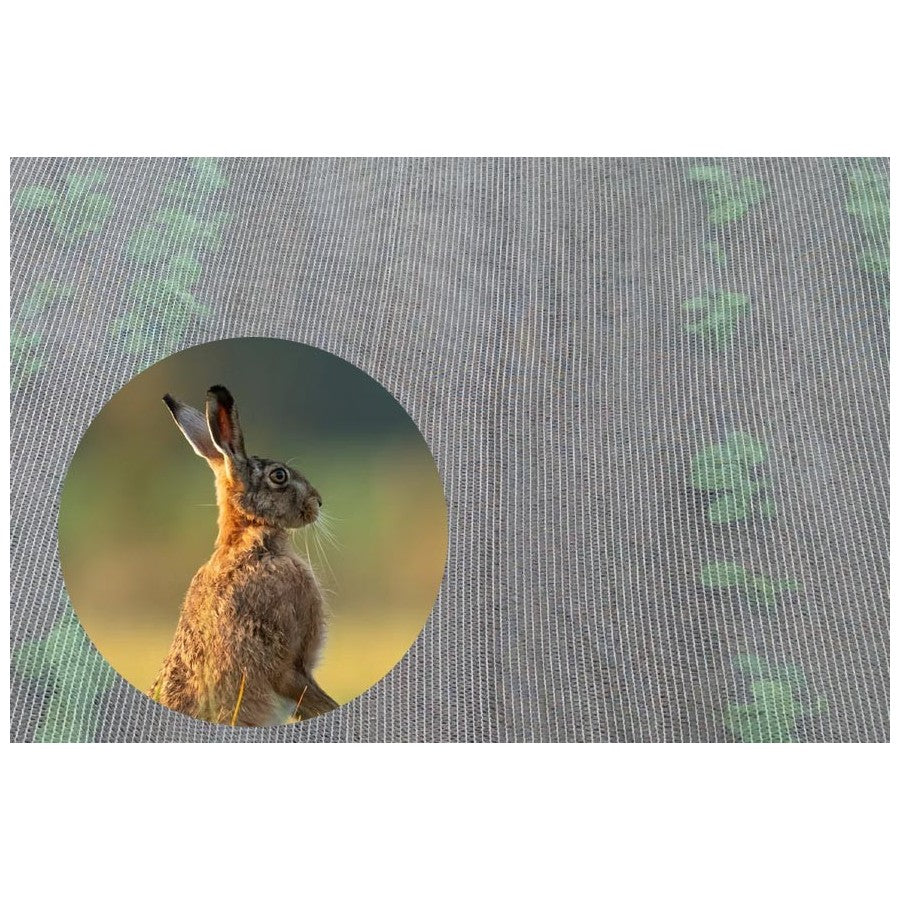
Fruit trees and vegetable garden crops can also be threatened by small game and certain animals such as wild rabbits, hares, or small rodents. An adapted anti-pest net can protect young plants, seedlings, lettuces, cabbages, and other sensitive crops.
Whether for a few trees in a garden, a family orchard, or a professional farm, protective nets are a practical and reusable solution to preserve harvests without resorting to chemical treatments.
Fruit tree nets adapted for individuals and professionals
Our fruit tree nets meet the needs of amateur gardeners as well as professionals in arboriculture, viticulture, and market gardening. They can protect an isolated fruit tree as well as a complete row of crops or an orchard.
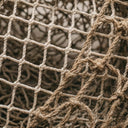
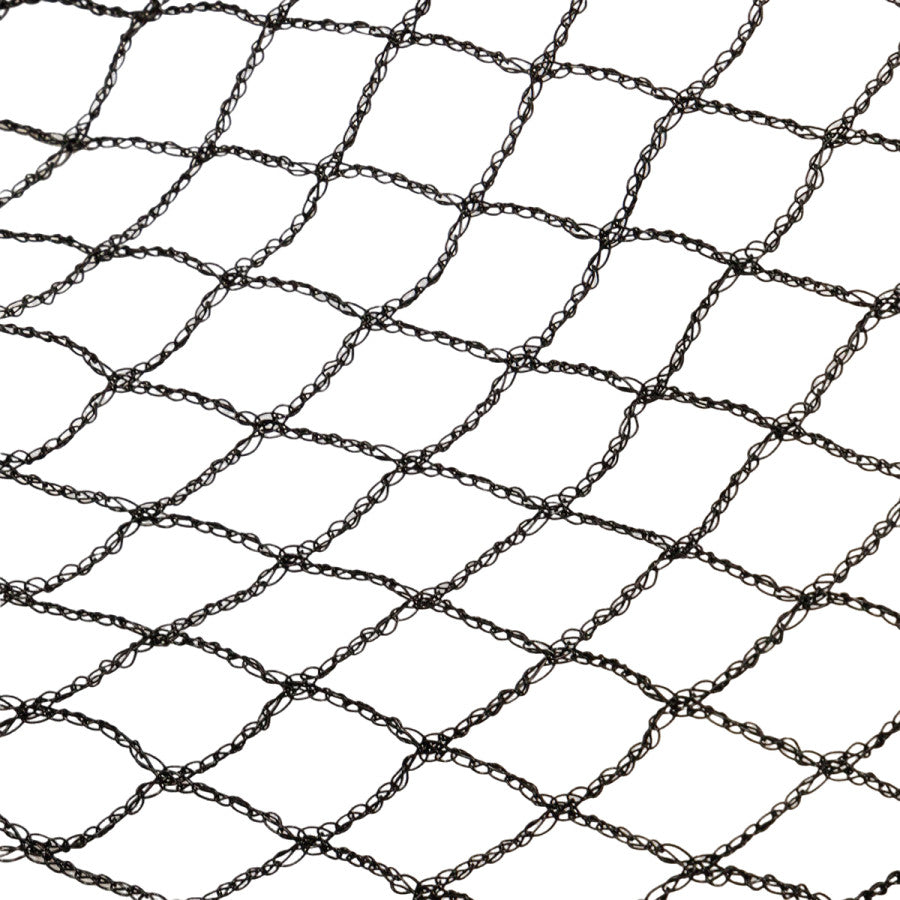
Made of high-density polyethylene (HDPE), the nets are water-resistant, rot-proof, and UV-treated to withstand prolonged outdoor use. Depending on the chosen model, the mesh size, resistance, and dimensions can be adapted to different applications.
Frequently Asked Questions
Your frequently asked questions for safe and effective use
Our latest articles
Housing
Boating
Agriculture
Work and safety
Sports and leisure
DIY and Garden