

Products
Insect netting to protect crops
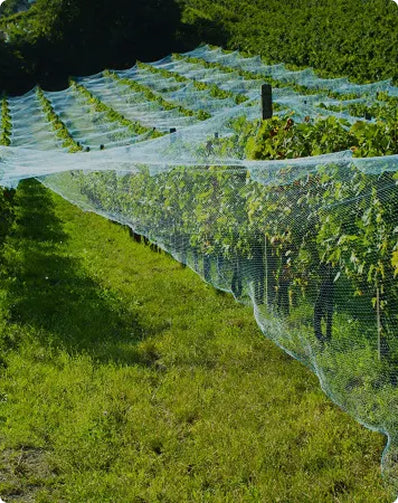
For farmers and fruit producers, market gardeners, or even to protect plants in the garden, insect netting is an effective and more environmentally friendly solution than pesticides and insecticides to control insect pests of fruits and vegetables.
Designed to block various insect species (flies, European corn borer, stink bugs, etc.) and slugs, these very fine-mesh nets also offer wind protection and slight shading. The growth of fruits and vegetables is not slowed down.
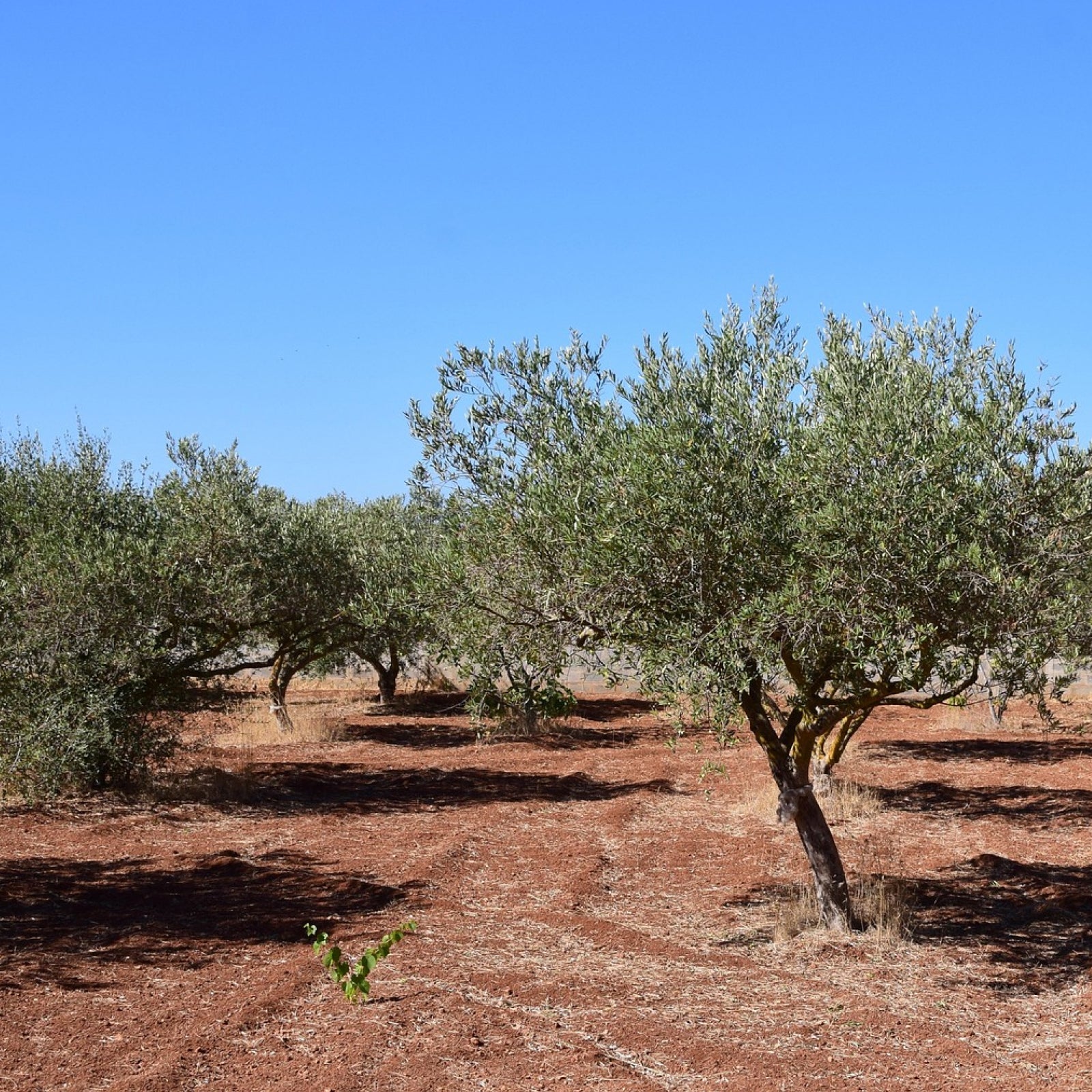
Milder winters and hot summers promote the proliferation and expansion of pests for many crops: olives, cherries, strawberries, leeks, cabbages, etc. Insect netting provides an effective solution for protecting harvests.
Drosophila netting
Drosophila, also known as "fruit fly" or "vinegar fly," is attracted to alcohol, which is found in very ripe fruits that are starting to ferment.
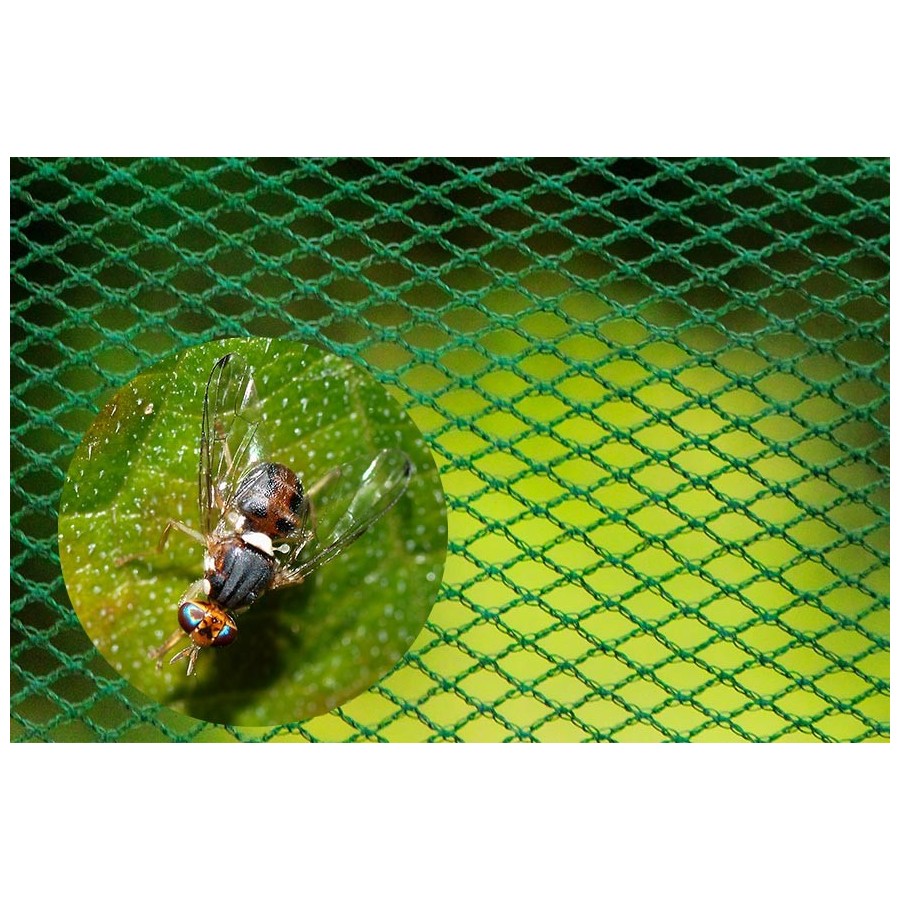
In crops and orchards, it is mainly the species Drosophila suzukii (Asian fruit fly) that causes damage. This pest attacks healthy fruits before they are ripe and can destroy fruit harvests: cherries, strawberries, raspberries, blackberries...
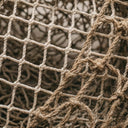
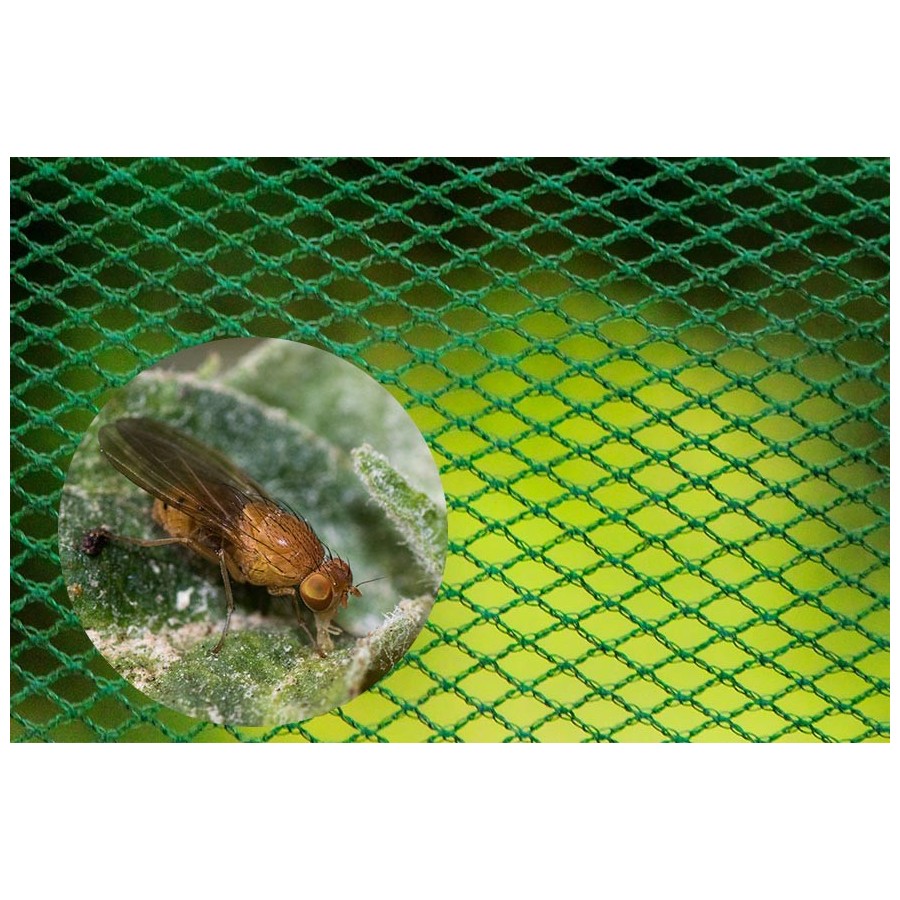
Drosophila netting effectively protects fruit trees, strawberry plants, and other crops against this fly. The very small meshes of 1.18 x 1.75 mm prevent adult drosophila from reaching the fruits to lay their eggs.
Thanks to its small meshes, this insect net is also effective in controlling many other pests: carrot fly, cabbage moth, tarnished plant bug, leek moth, cabbage fly...
The low shade rate of 25% allows maximum light to pass through to promote the growth of fruits and vegetables.
Bioclimatic netting
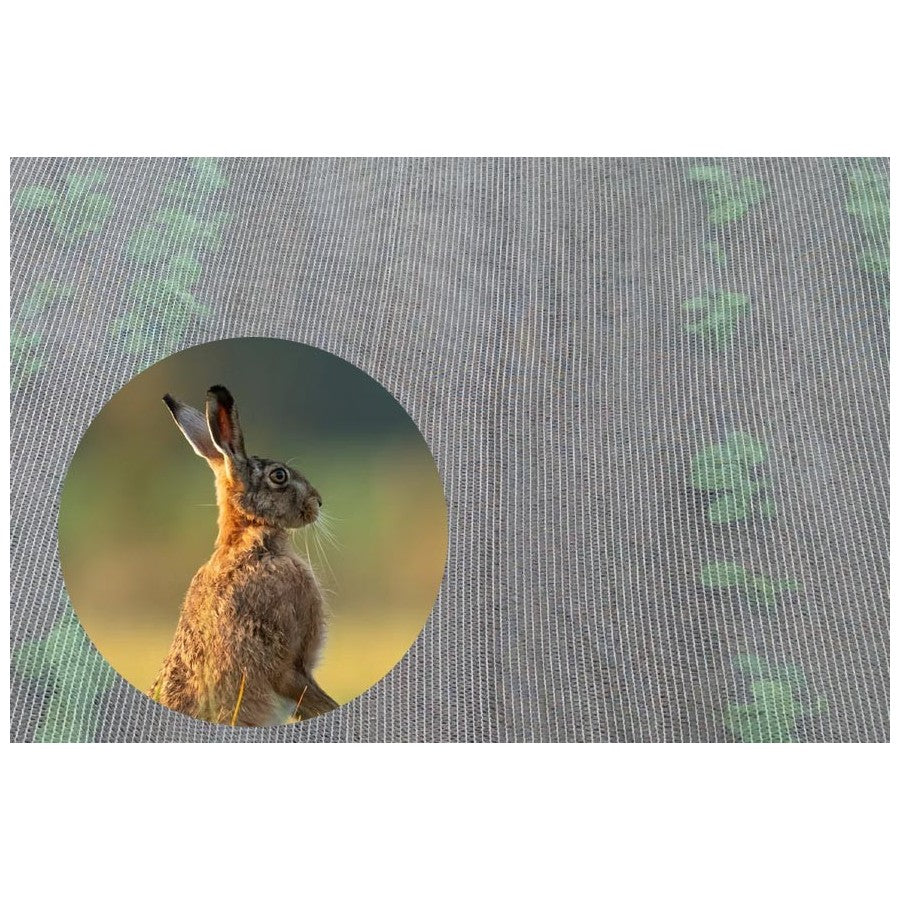
Bioclimatic netting acts as a barrier against damage caused by birds, game (rabbits, deer, etc.), and macro-insects. It is different from drosophila netting.
By creating a microclimate around the plants, it also protects them against frost and significant temperature fluctuations. It is particularly useful in spring, when temperatures can still be low at night and in the morning.
Thanks to its 85% windbreak effect, bioclimatic netting also protects young shoots against gusts and limits damage and losses.
Very lightweight, bioclimatic netting can be placed directly on crops or on an arched structure.
With 0.8 mm meshes, very low shading of 8%, and an extremely low grammage (38 g/m²), our bioclimatic nets do not hinder plant development.
Easy-to-install netting
Insect and bioclimatic nets are lightweight, flexible, and easy to install.
Attached to hoops, they form tunnels of varying heights to cover plants.
In orchards, they can also be attached to wooden or metal structures to protect fruits. Lighter nets can be placed directly on the tree to envelop it.
Alternative to pesticides
Installing this insect netting effectively protects vegetable gardens and fruit trees against insect pests. It is a non-polluting mechanical control method that allows for reducing or even eliminating pesticides and insecticides.
Insect netting is an excellent alternative to plant protection products: suitable for organic farming, and more economical.
Properly installed and used, this netting can be reused. Made of rot-proof material and UV-treated, it can serve you for several years.
Frequently Asked Questions
Your frequently asked questions for safe and effective use
Housing
Boating
Agriculture
Work and safety
Sports and leisure
DIY and Garden