
Products
Harvest net: easier fruit harvesting
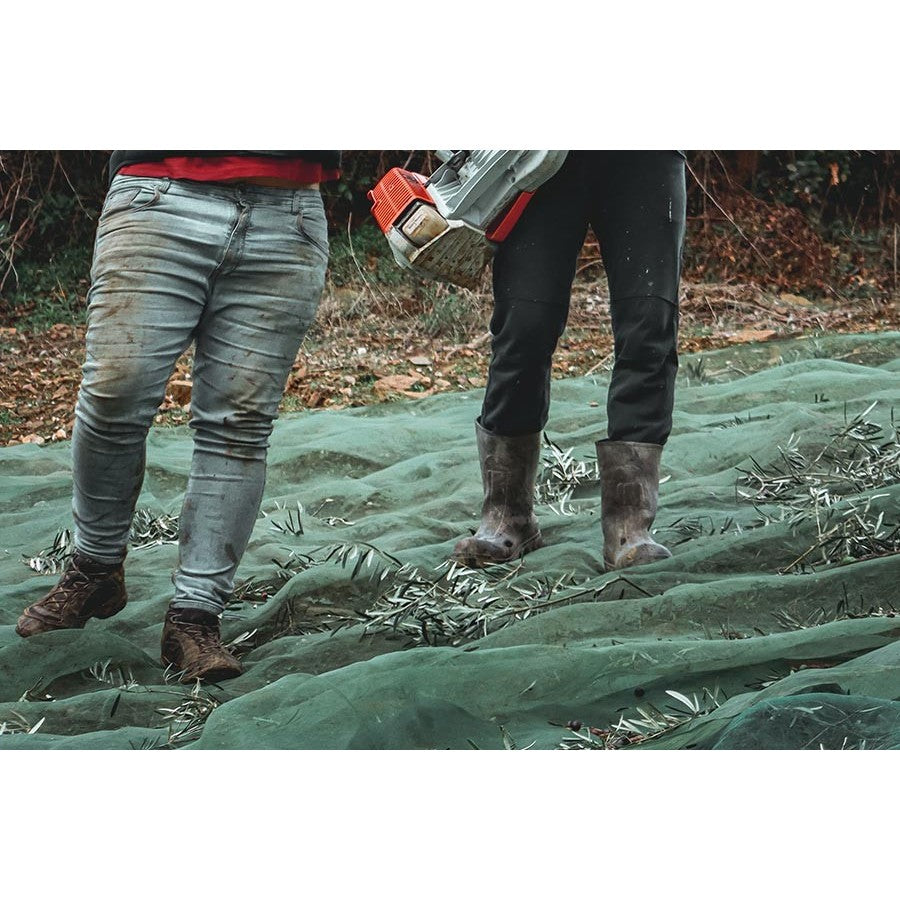
The harvest net is a very practical and perfectly suited piece of equipment for harvesting olives and other fruits, whether they are shelled (walnuts, hazelnuts, etc.) or not.
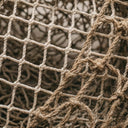
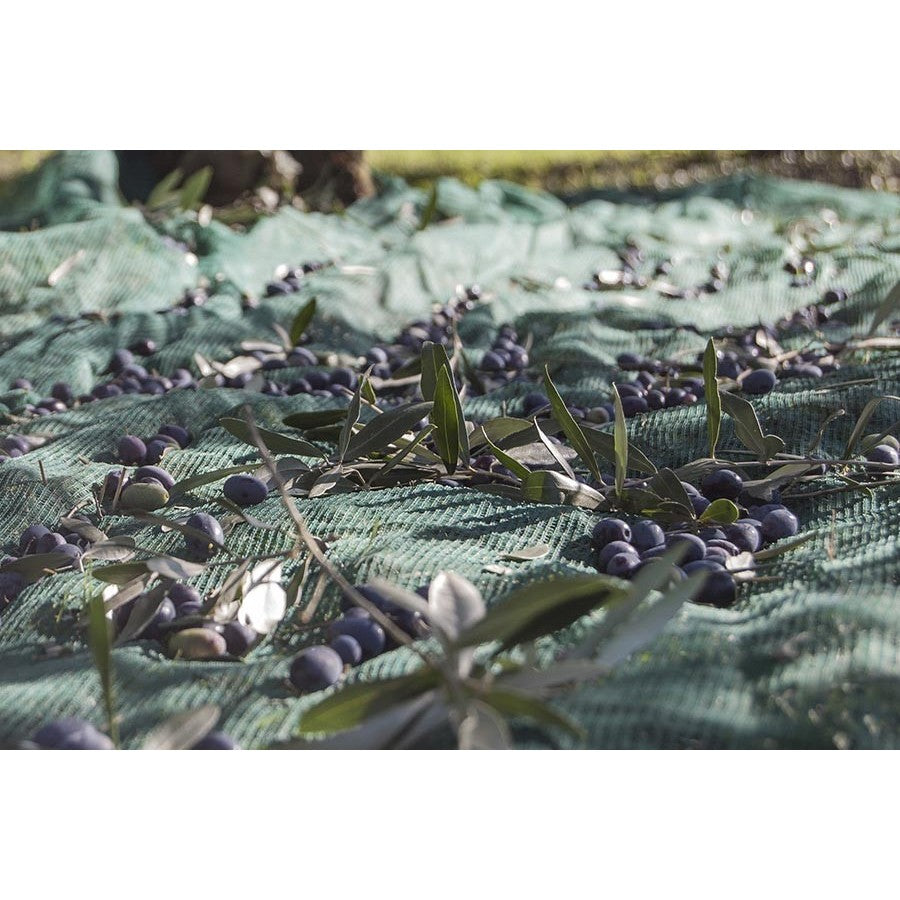
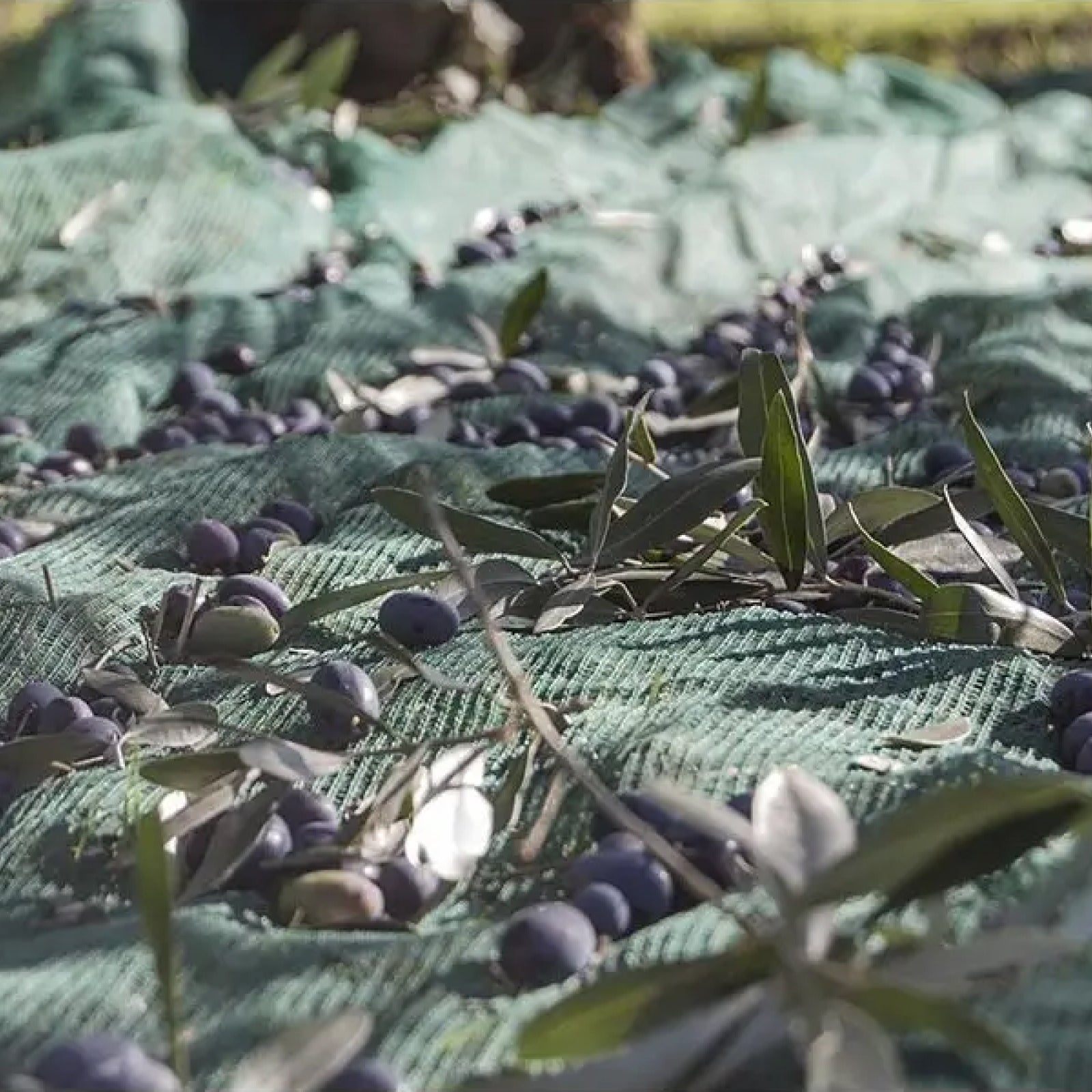
The small mesh retains fruits of various sizes, including the smallest ones: a single net can therefore be used for several types of fruit trees.
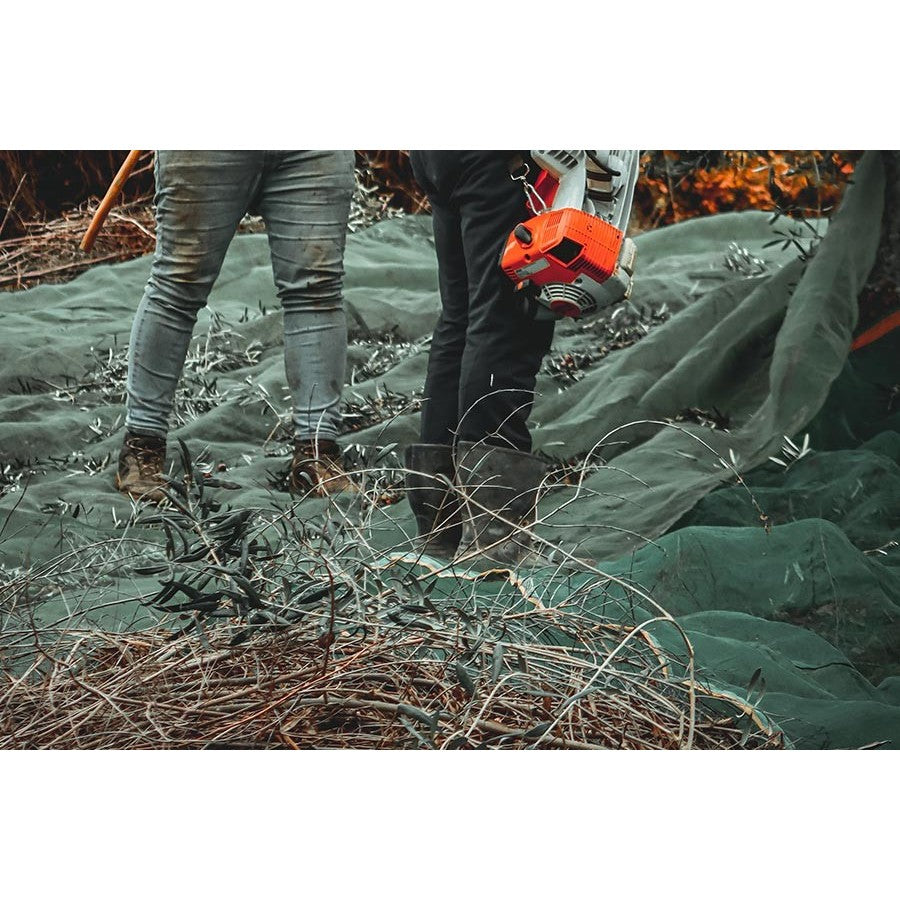
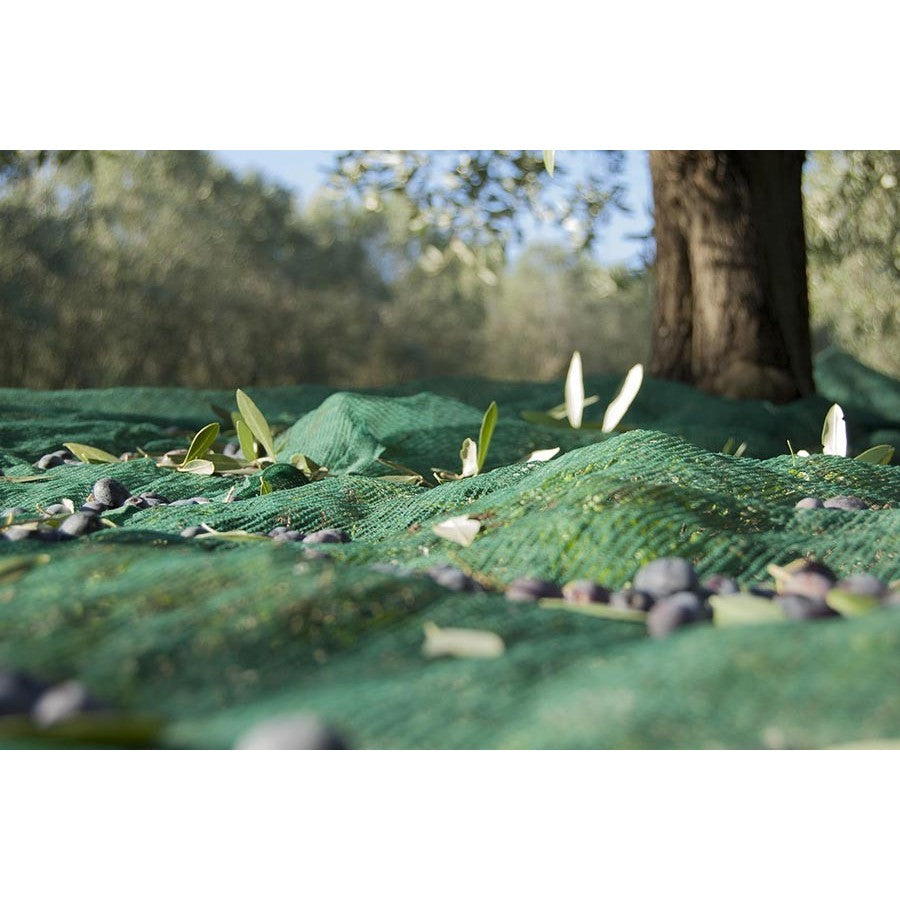
Placed directly on the ground under the trees, it collects all fallen fruits.
Reinforced on the sides, with or without eyelets, the ends of the net can even be hung from branches or stakes to form a slope, gently guiding the fall of fruits towards the center of the net.
Rot-proof and UV-resistant, it can be used all year round for harvesting various fruits. Used carefully and stored properly, it can last for several years.
Increased productivity for harvesting olives and small fruits
The harvest net makes it possible to harvest fruits such as olives, almonds, walnuts or chestnuts much more quickly.
Farmers and seasonal workers drop the fruits onto the net, which is correctly installed at the base of the tree. Using a harvest comb or a mechanical shaker, simply drop the olives to the ground, onto the net. Once all the olives or other fruits have been harvested from the tree, simply lift the edges of the net to gather the olives in the center, and collect everything in one go.
This technique is thus much faster than having to manually collect the fruits and place them in baskets or crates as you go.
While harvest nets are mainly used by olive groves, it is a technique used by many other arboriculturists to harvest fruits, and even by individuals.
You can perfectly use a net to pick a maximum of cherries, walnuts or other fruits in your garden or orchard in one go.
Another advantage: contact between the fruits and the ground is limited. Fewer shocks, less dirt... the quality of the production is improved.
Finally, if properly positioned, the harvest net will allow for the collection of all fruits. It also forms a clear demarcation line.
An olive is not likely to be lost in the grass or end up crushed under shoes. You therefore have fewer losses.
Better comfort during collection
No more numerous back and forth trips, or constantly bending down to collect olives, chestnuts, walnuts or other fruits from the ground. Spending whole days with a bent back to collect fruits is painful and tiring.
With this system, harvesting is much more comfortable and easier.
Do you need resistant and professional quality nets? Contact Corderie Gautier, your specialist in custom nets.
Frequently Asked Questions
Your frequently asked questions for safe and effective use
Housing
Boating
Agriculture
Work and safety
Sports and leisure
DIY and Garden