
Products
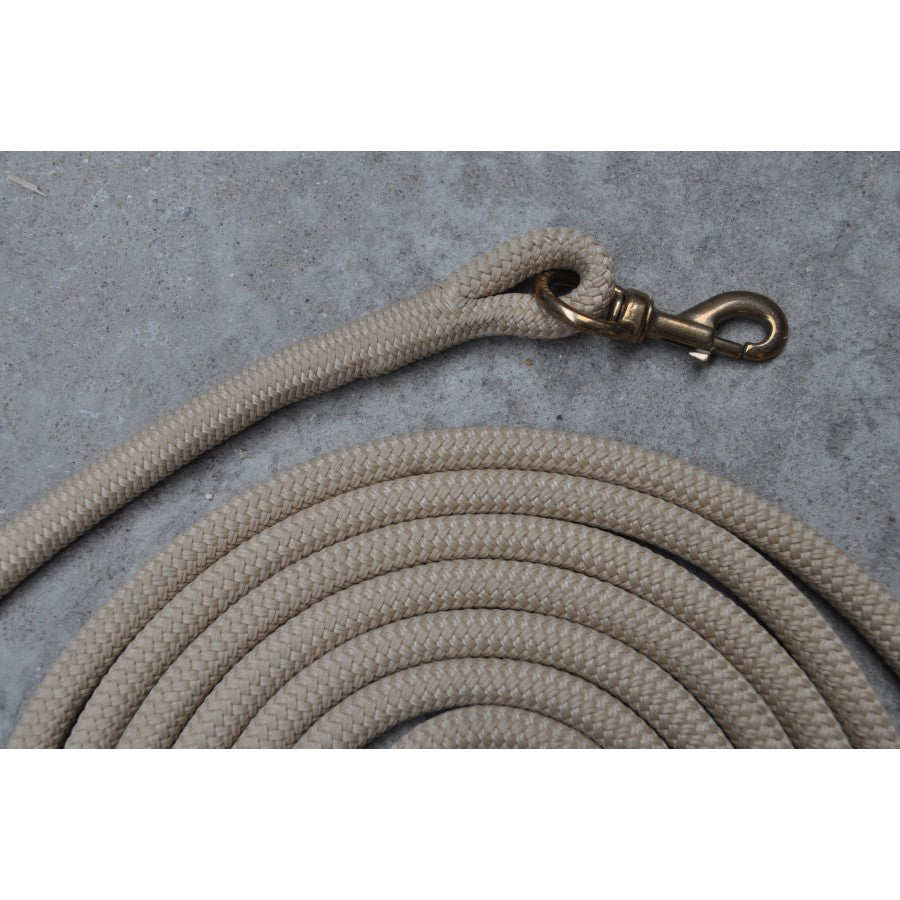
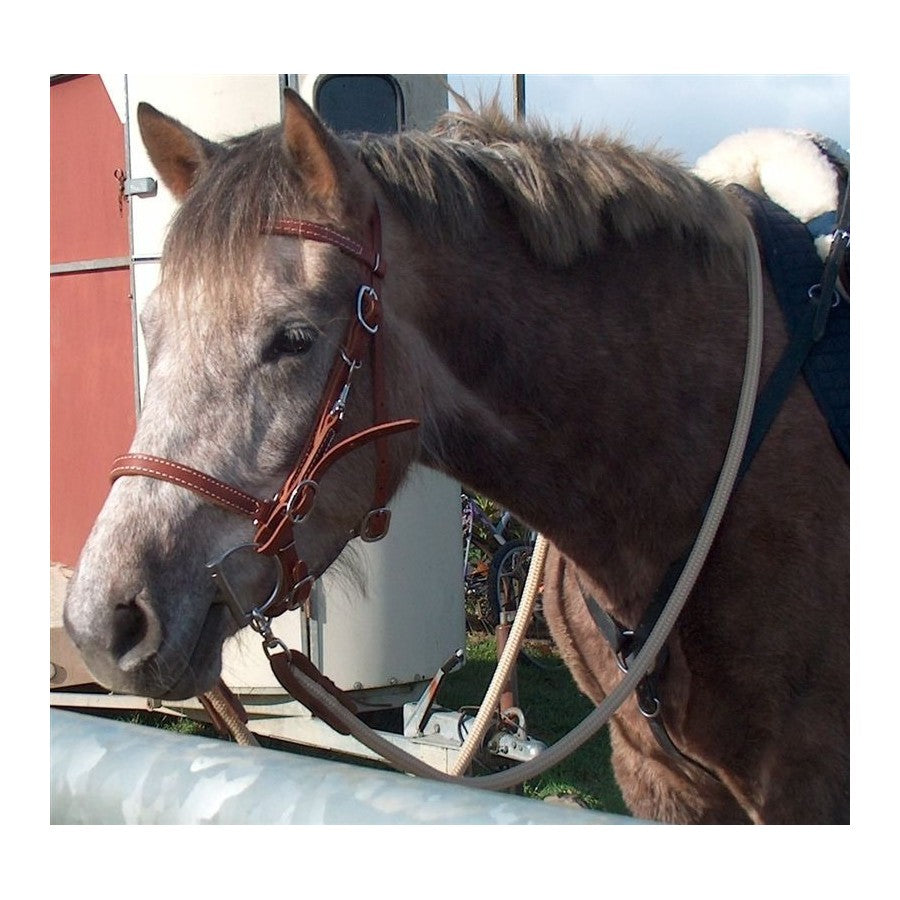
Ethological Halter
A halter is equipment used to harness domestic animals (horses, cows, sheep, etc.) around their heads. This provides a grip to hold the animal and thus guide or tie it easily.
For horses, leather halters are commonly known and found: flat with metal buckles. But for the past twenty years or so, the use of ethological halters has also been developing in France.
Principle
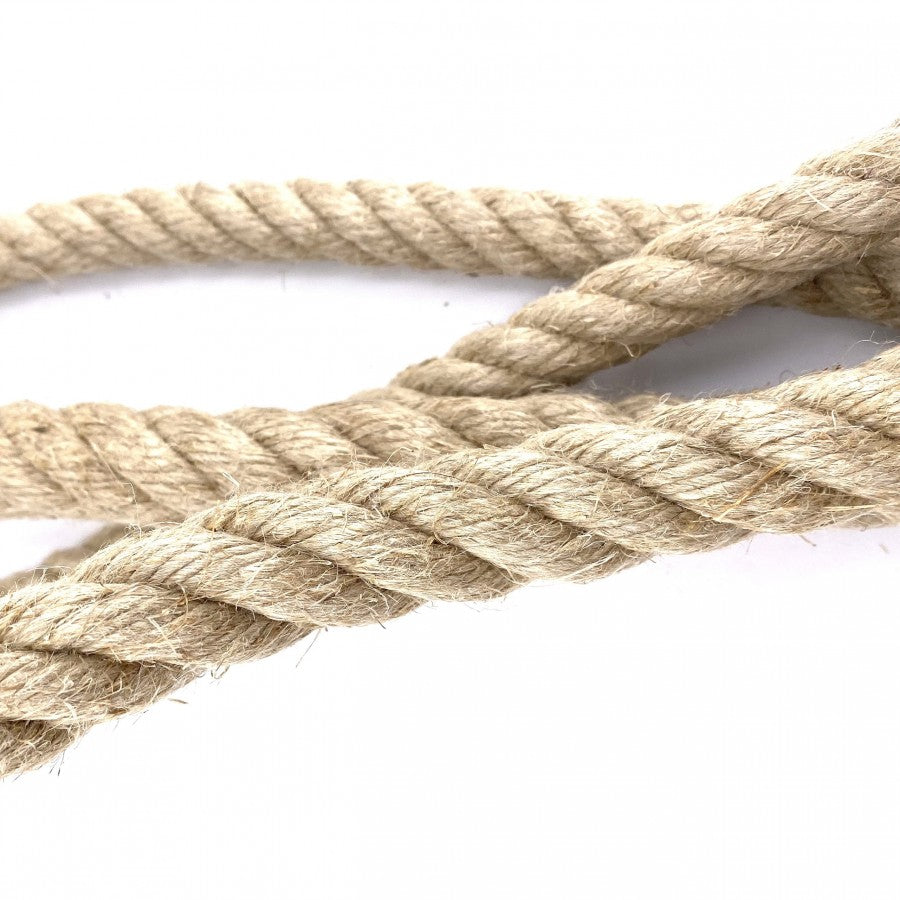
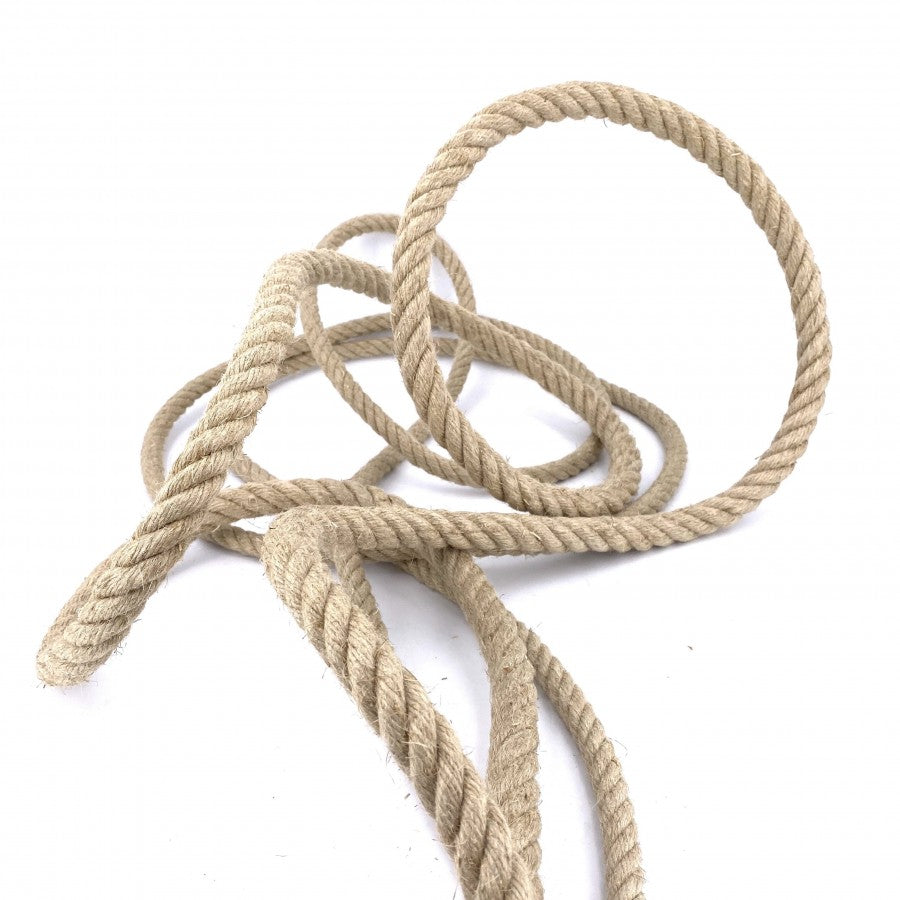
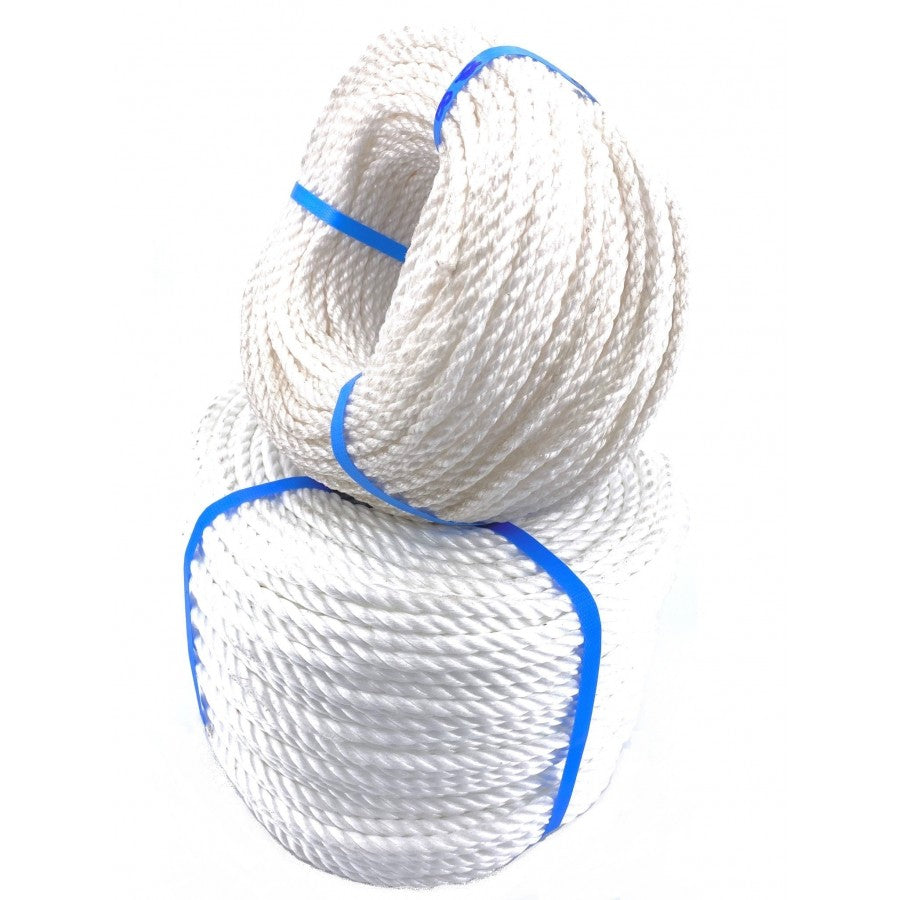
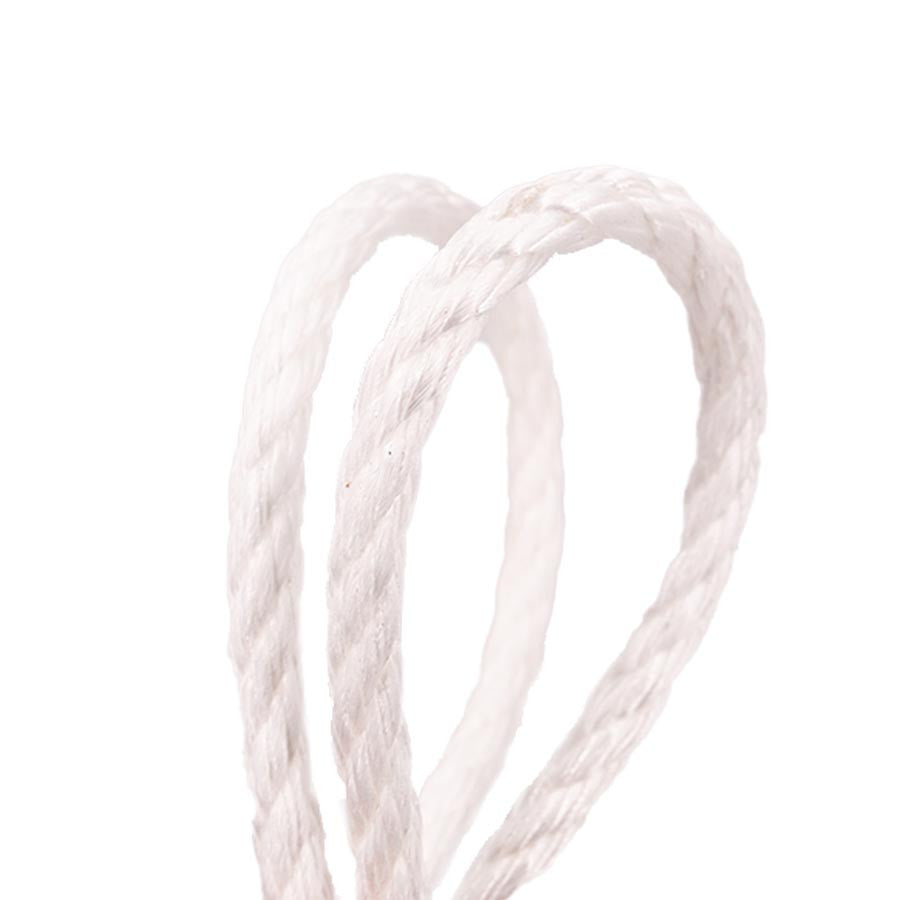
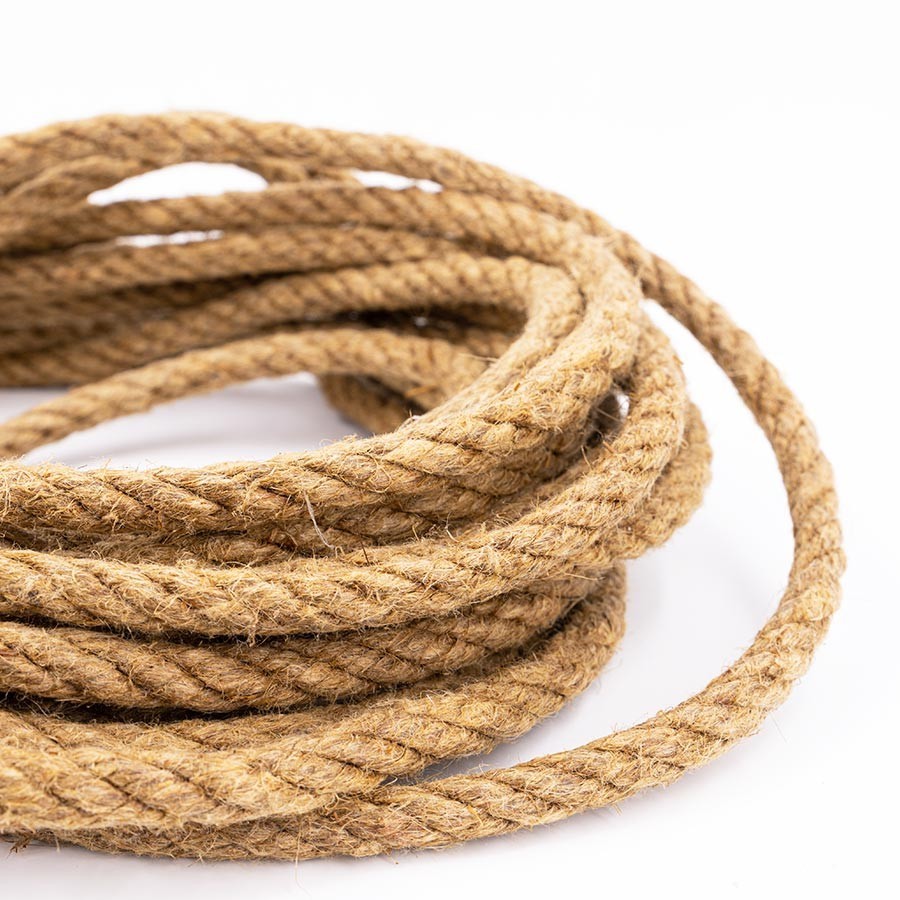
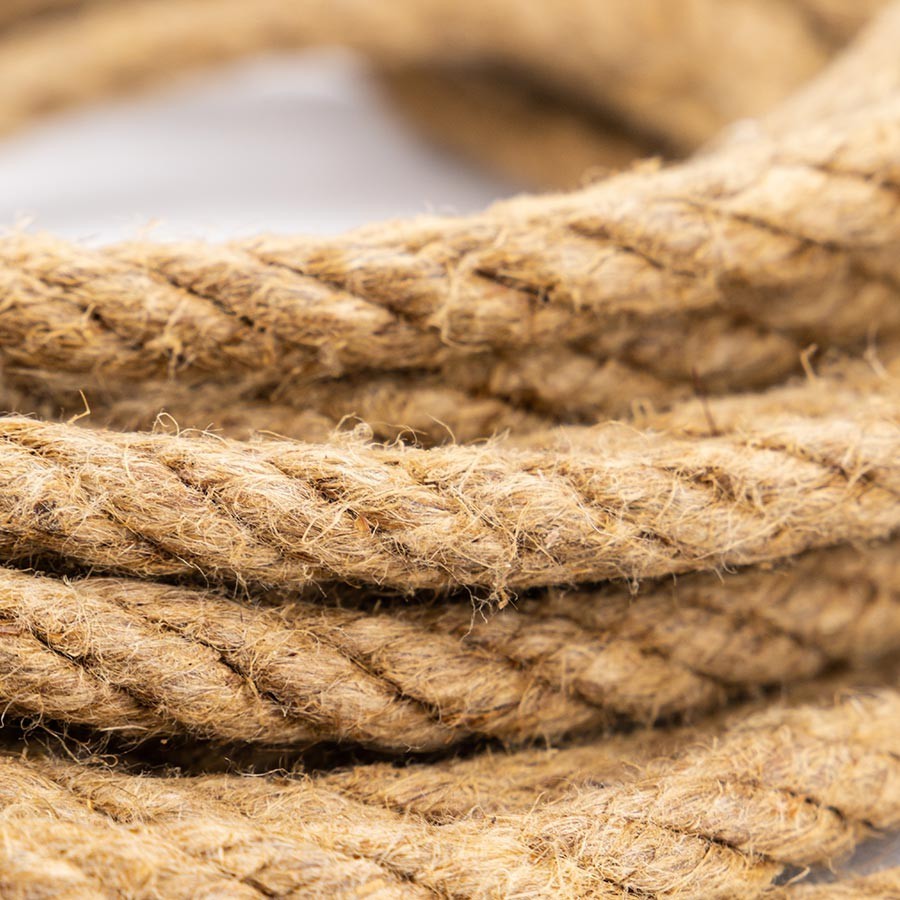
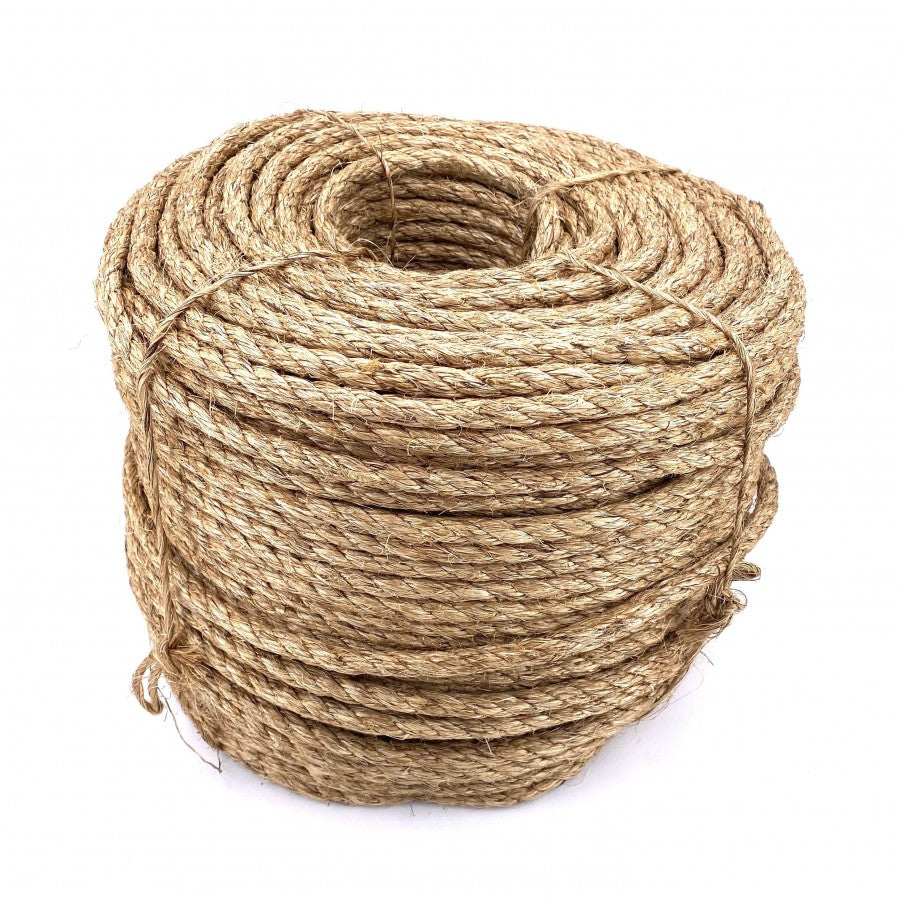
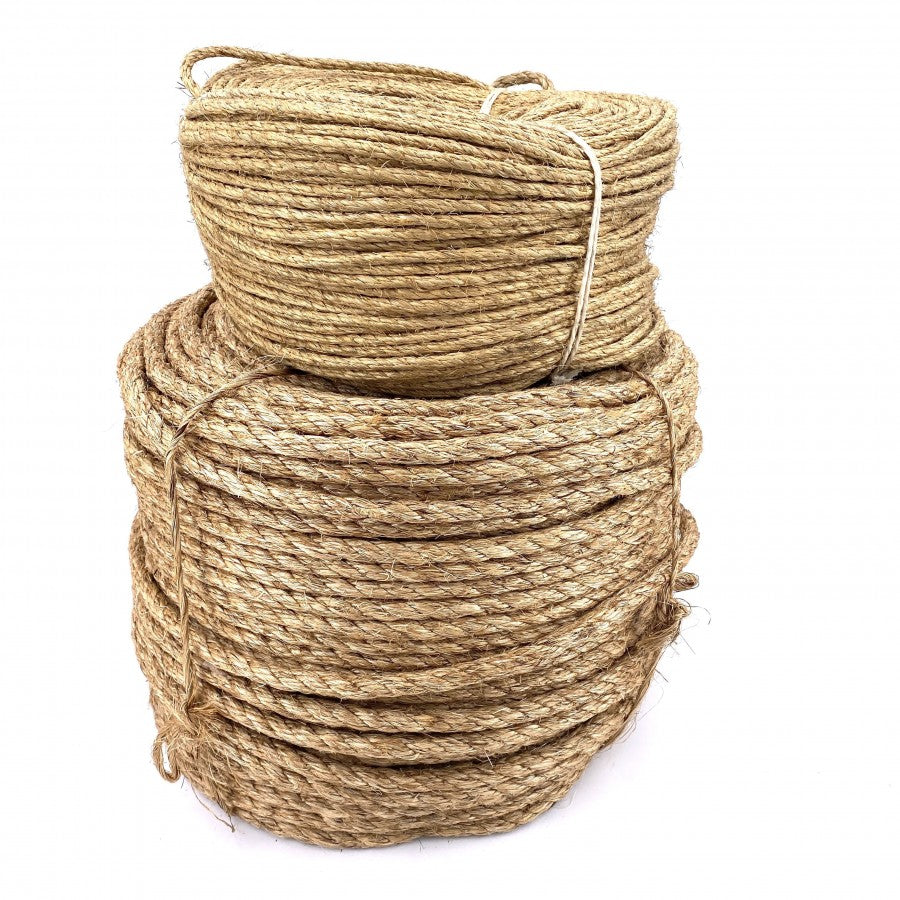
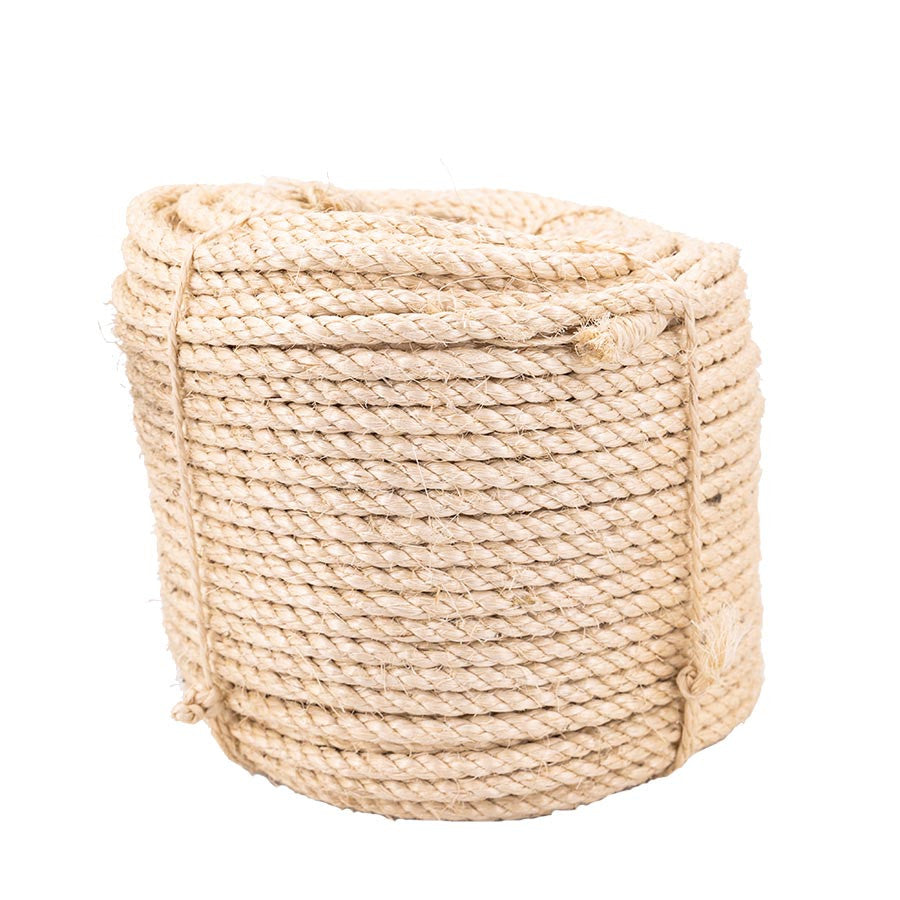
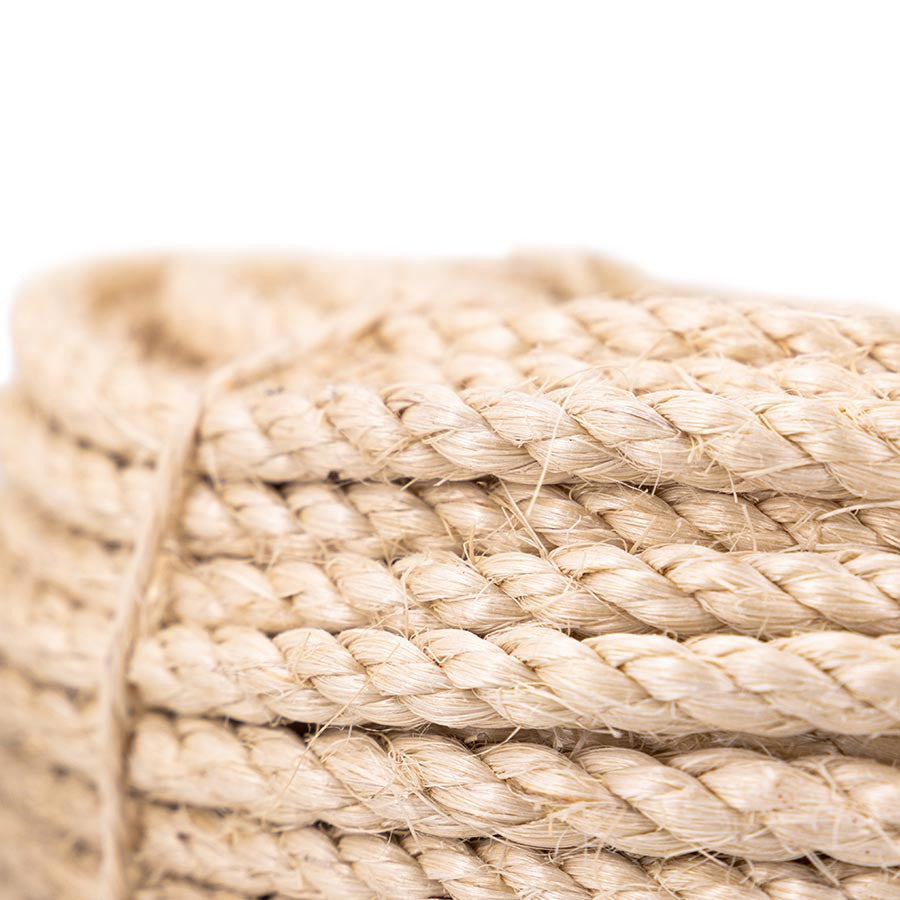
The ethological halter is made from rope, either from natural materials like cotton or sisal, or from synthetic fibers like polypropylene.
Its correct name would rather be "knot halter."
Indeed, the principle is that knots are made at different places on the halter and are easily adjustable to correspond to the horse's pressure points or bone structures on its head.
During work, whether by hand or with a lead rope, the knots will exert pressure to indicate to the horse which direction to go or what behavior to adopt.
The thinner the rope (not too thin, it must remain strong), the more precise and effective, or severe, the pressure exerted on the horse's head points will be. Too thin, it becomes painful.
The ethological halter also allows for not using a bit, which many accuse of damaging the horse's mouth.
To Avoid
However, it is recommended not to leave the halter on the horse's head constantly when it is in the pasture. It could easily get caught (tree, post, etc.), and injure or exhaust the animal.
An animal in a field with a halter also presents an easier target for potential cattle rustlers.
Finally, let's not forget that the very principle of the ethological halter is to apply pressure to specific points on the horse's head using knots. Useful for work and training, but to be avoided when the horse is in the pasture and resting.
Horse Lead Ropes
For working with and gently guiding a horse, a rope lead is very useful equipment in equestrianism.
Again, being made of rope rather than leather, an equestrian lead rope requires less maintenance, is lighter, and costs less.
To guide your animal in the field or take it to the stall, and to work it gently, the ethological lead rope is ideal for the rider.
Ethological Horse Training
The use of ethological halters for training horses comes from the United States with the whisperers, those trainers who are also said to whisper to horses.
Cowboys already used it to catch and guide calves and cows.
The whisperer relies on analyzing and understanding the horse's behavior to train it gently. Hence the choice of this rope halter, to avoid using a bit or other harsher and more restrictive equestrian equipment.
Working a horse with a knot halter requires learning ethological horsemanship and animal behavior. It is a work of trust and education, a relationship between the trainer and the animal.
For example, in the pasture, the horse should not dread seeing the halter arrive by associating it with work or constraint. Accustoming your companion to receiving a treat or care once the halter is in place softens this association and facilitates its acceptance.
Differences with Leather Halters
While rope may be less durable over time than leather, it offers other significant advantages.
A leather halter must be regularly and properly maintained to protect the leather and prevent it from becoming brittle, damp, etc. Rope, especially if it is polypropylene, does not have this constraint. It can even be easily cleaned if necessary.
The cost of an ethological halter compared to a leather one is also very attractive, being much cheaper.
The rope is also lighter and therefore more comfortable for the horse to wear than other equestrian equipment. Which, again, does not mean it should be constantly harnessed.
Housing

Boating
Agriculture

Work and safety

Sports and leisure
DIY and Garden