

Install a bird netting to protect your crops
Table of contents
Why has bird protection become essential?
In spring and summer, the presence of birds increases sharply on farms. Losses can be rapid, particularly in arboriculture, viticulture, and market gardening. Damage is not limited to direct consumption of fruits. Injuries also make crops susceptible to diseases.
Given these challenges, a professional bird-protection net remains the most effective solution today.
What bird protection solutions are available?
Before choosing a net, it's important to know the alternatives on the market.
Visual devices, such as bird scarers or reflective tapes, are often used as a first resort. They are not very effective over time. Birds quickly get used to them, especially in agricultural settings.
Sound systems can work over large areas. However, they pose regulatory constraints and can disturb neighbors. Their effectiveness also decreases over time.
Natural or chemical repellents exist, but their use remains limited. They require repeated applications and do not guarantee complete protection.
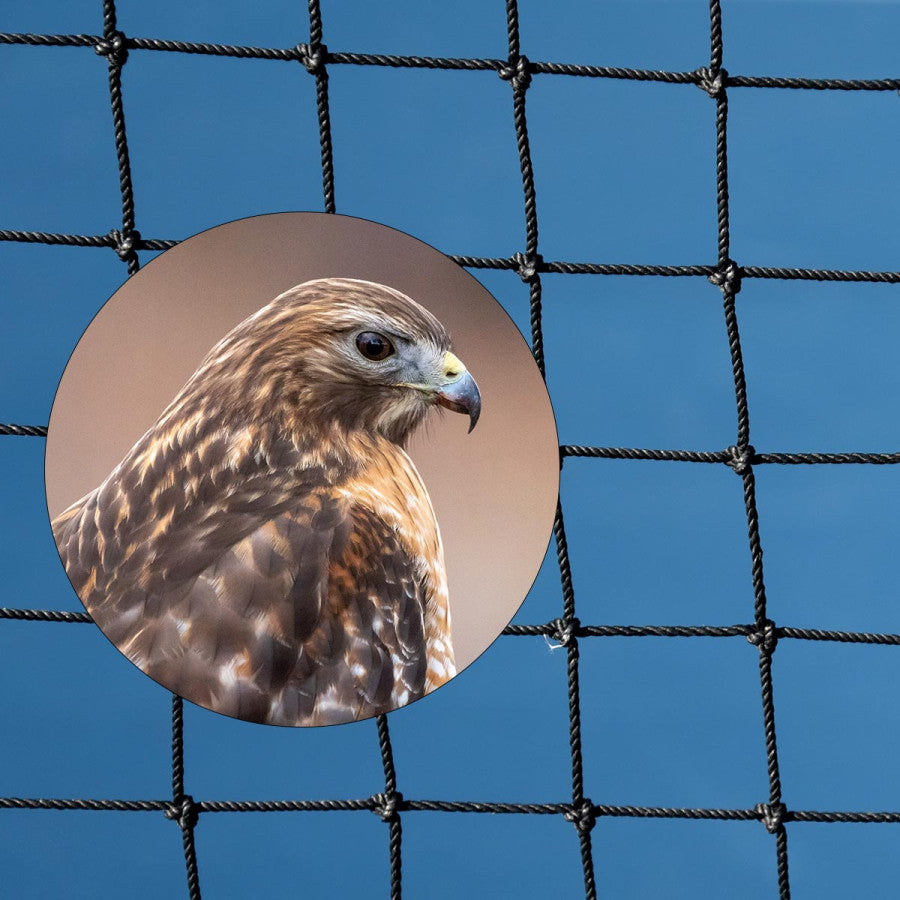
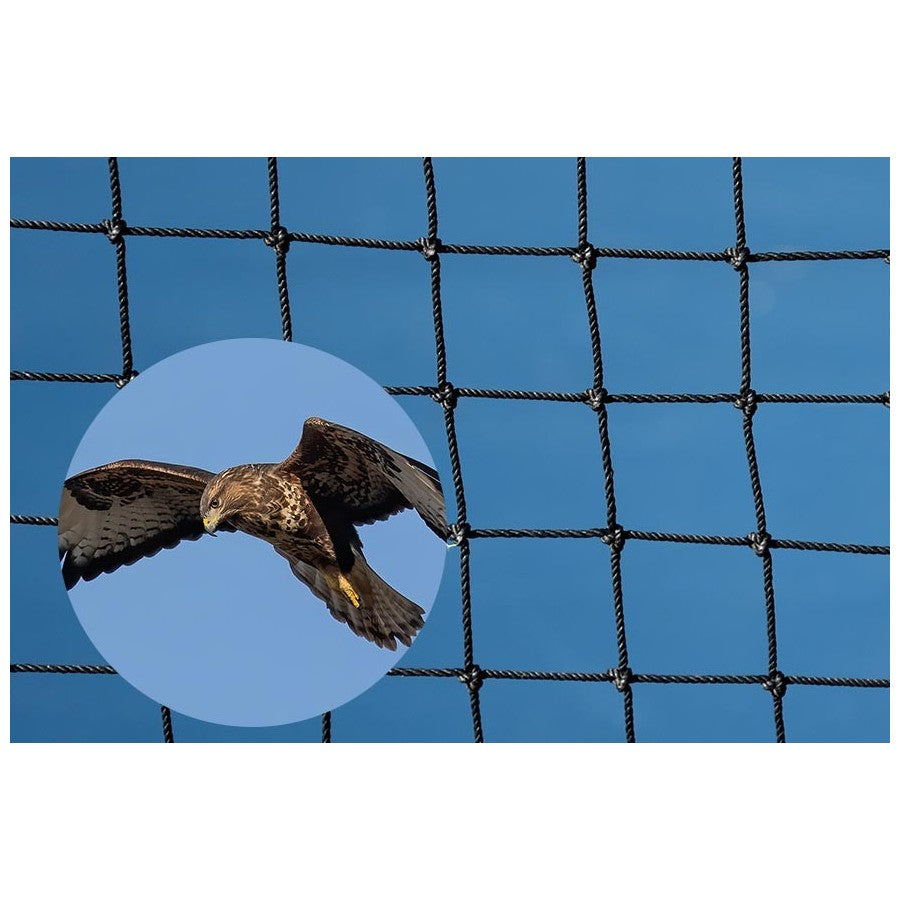
In this context, the bird-protection net stands out as the most reliable solution. It acts as a physical barrier. It prevents access to crops, regardless of bird behavior.
What are the advantages of a bird-protection net?
The net offers constant protection. It does not depend on wind, noise, or birds getting used to it. Once correctly installed, it secures the harvest for the entire duration of the risk.
It adapts to many crops. It is found in orchards for fruit tree protection, in vineyards, or in market gardens. Its durability is also a strong point. A quality net can be used for several seasons.
Another important advantage: it has no environmental impact. It does not disturb wildlife outside the protected area and requires no treatment.
How to choose the right mesh size?
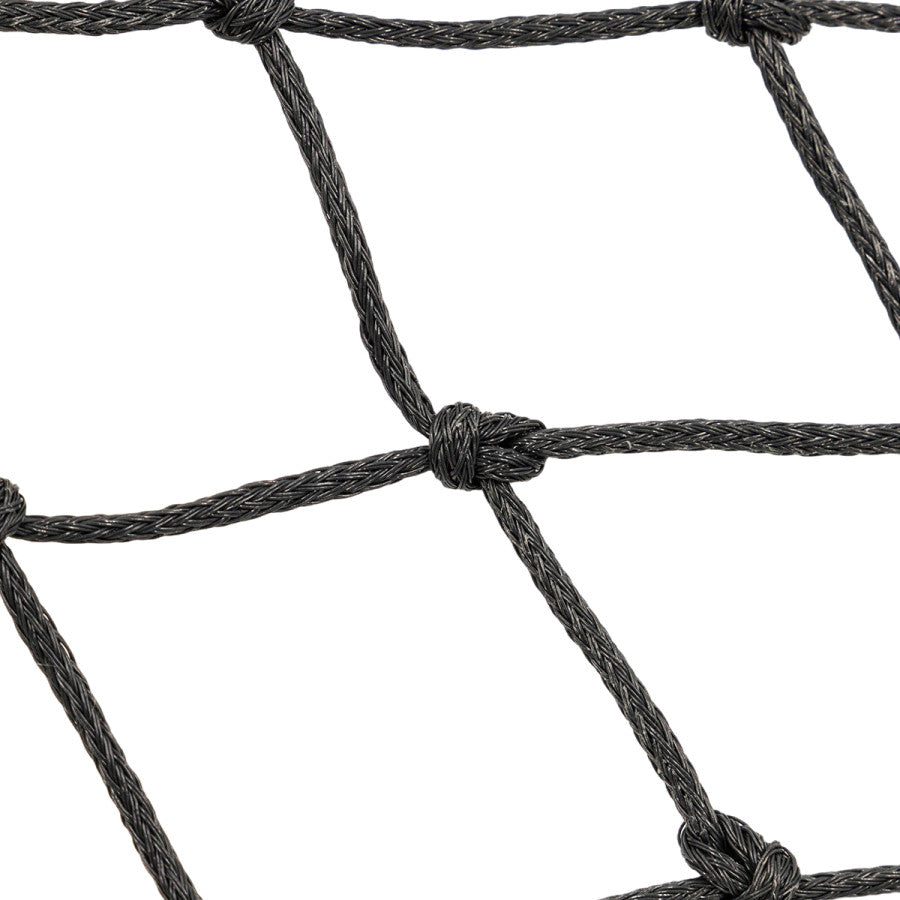
The choice of mesh size is crucial. An unsuitable mesh makes the net ineffective.
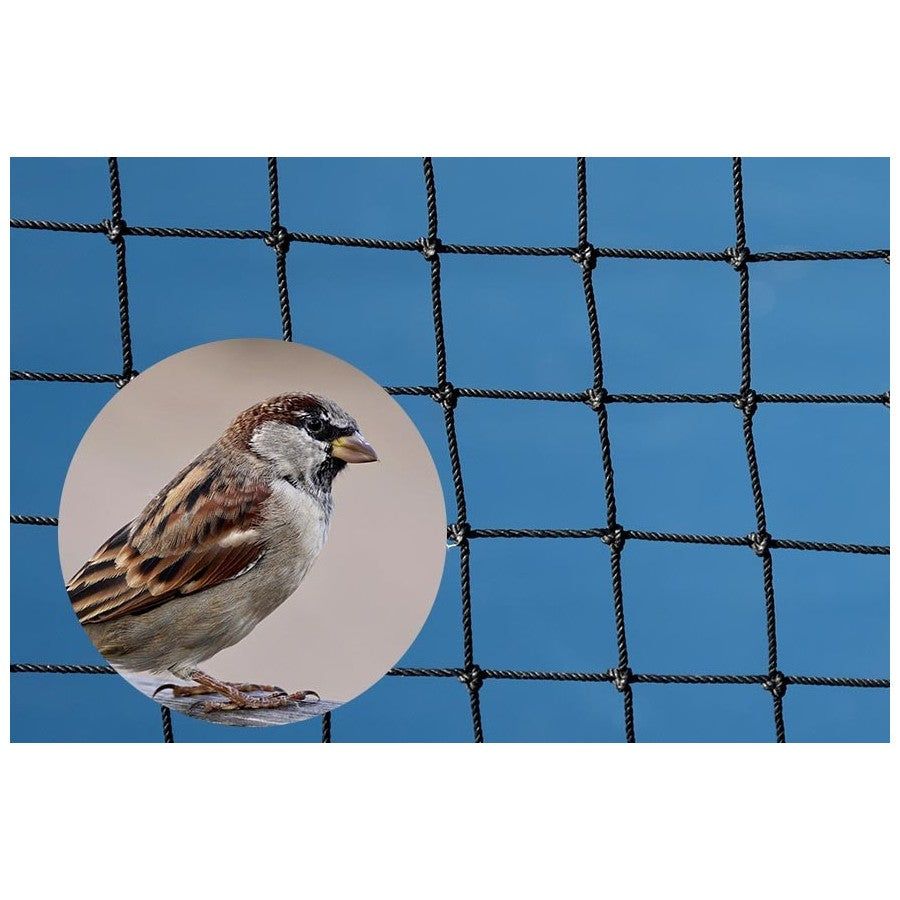
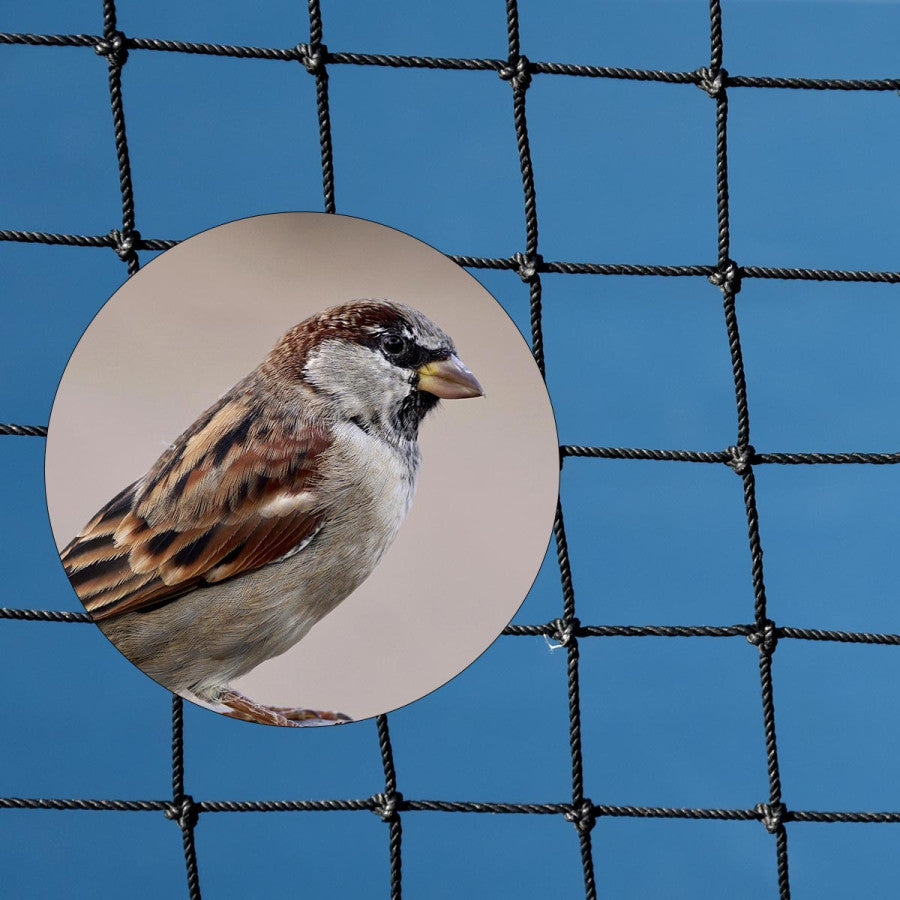
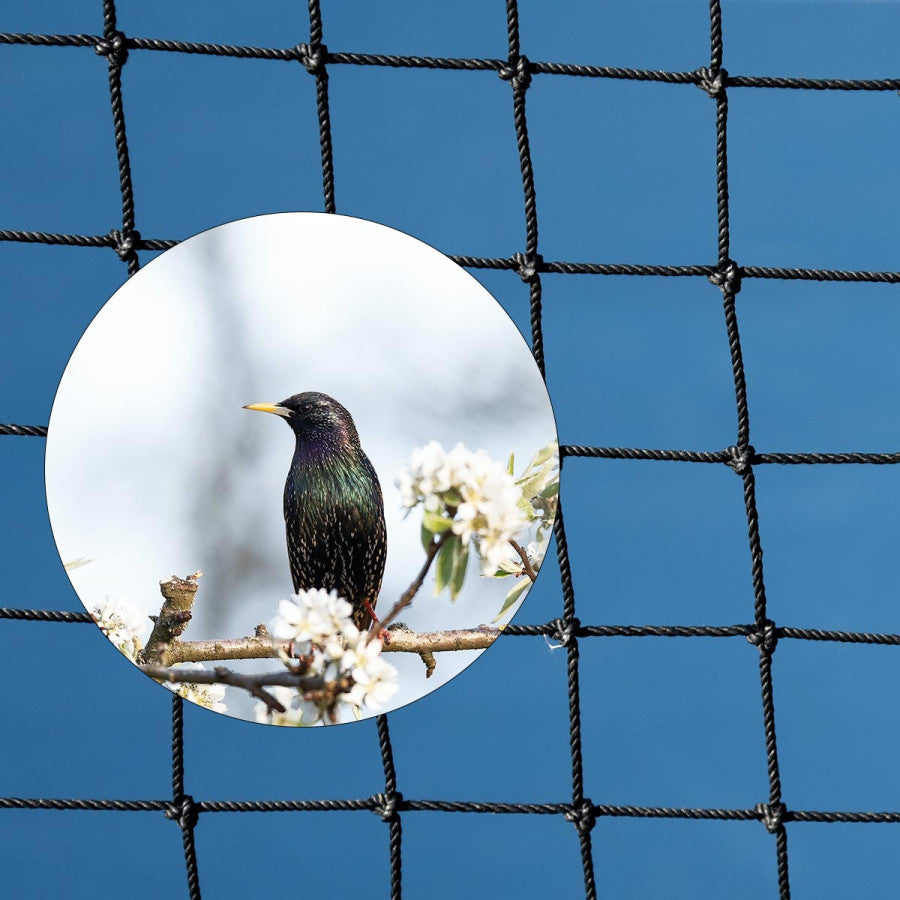
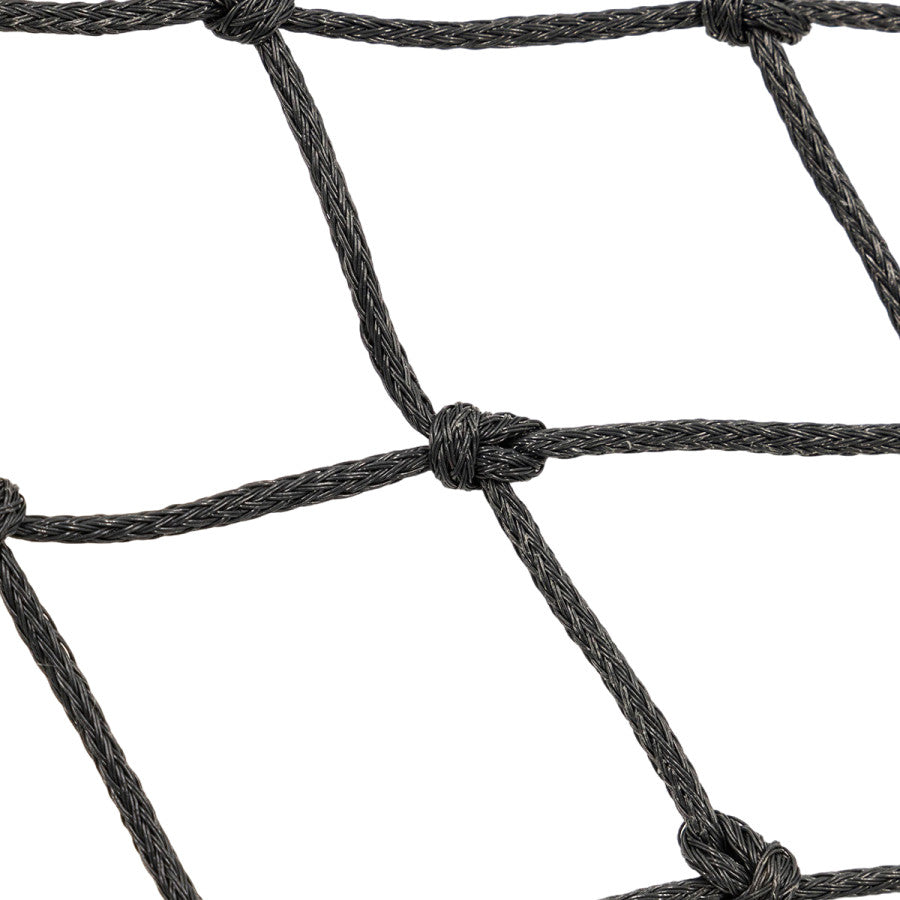
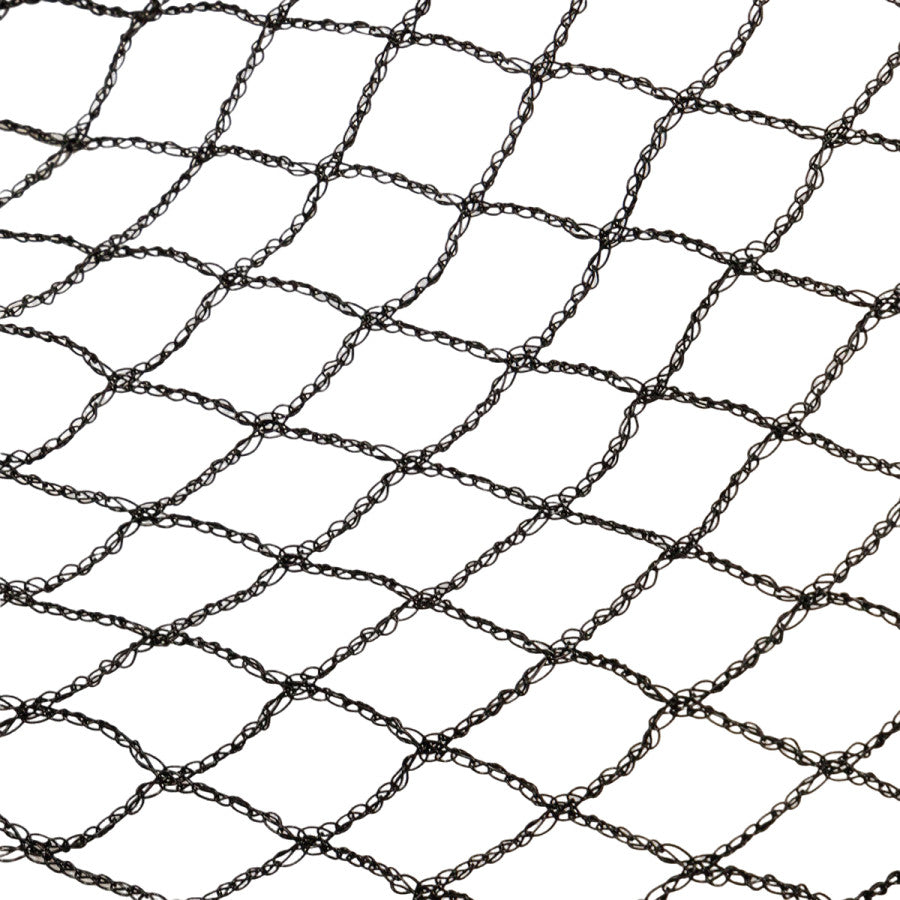
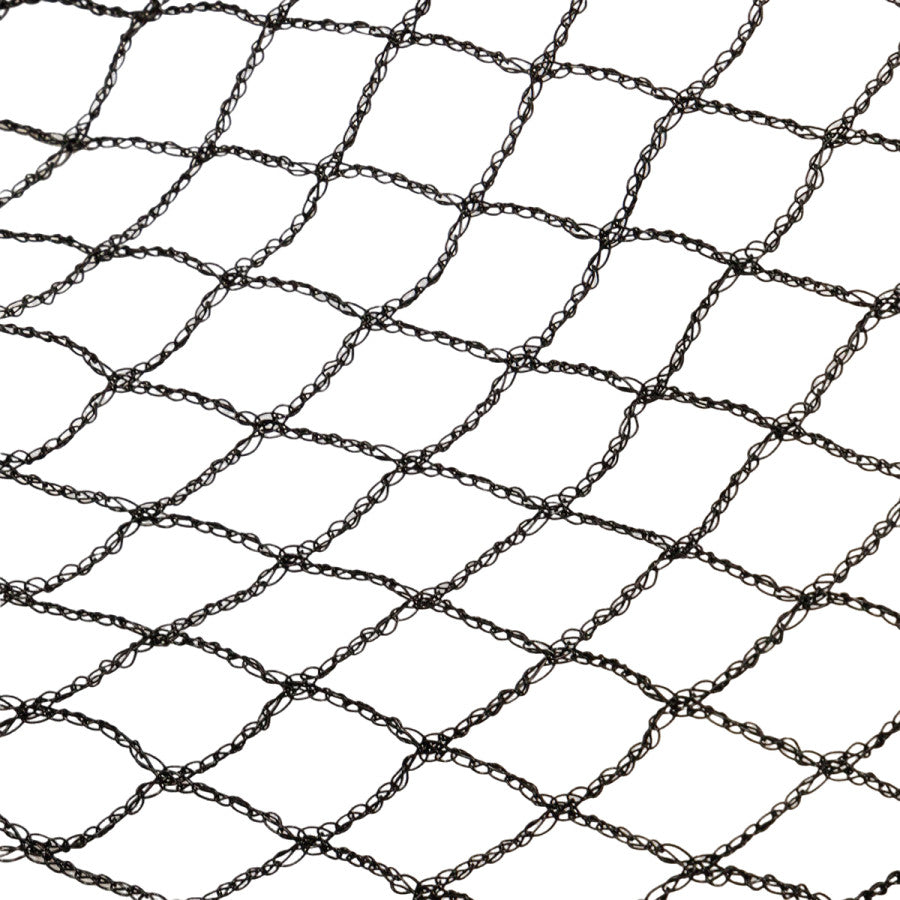
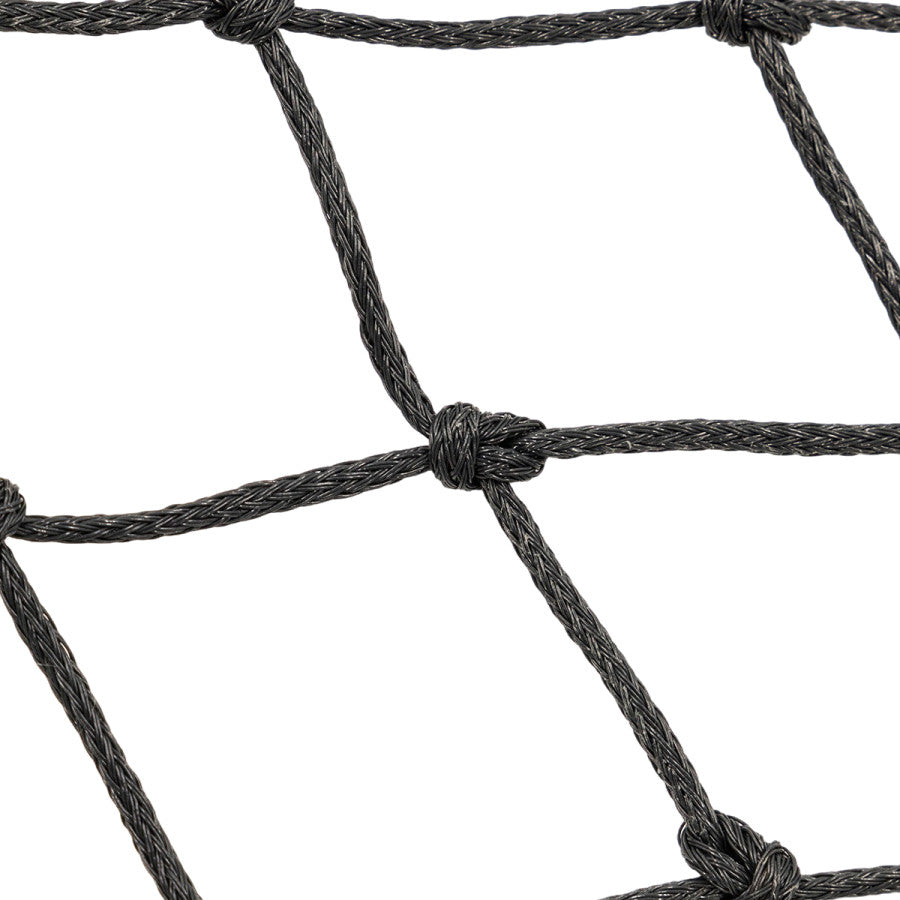
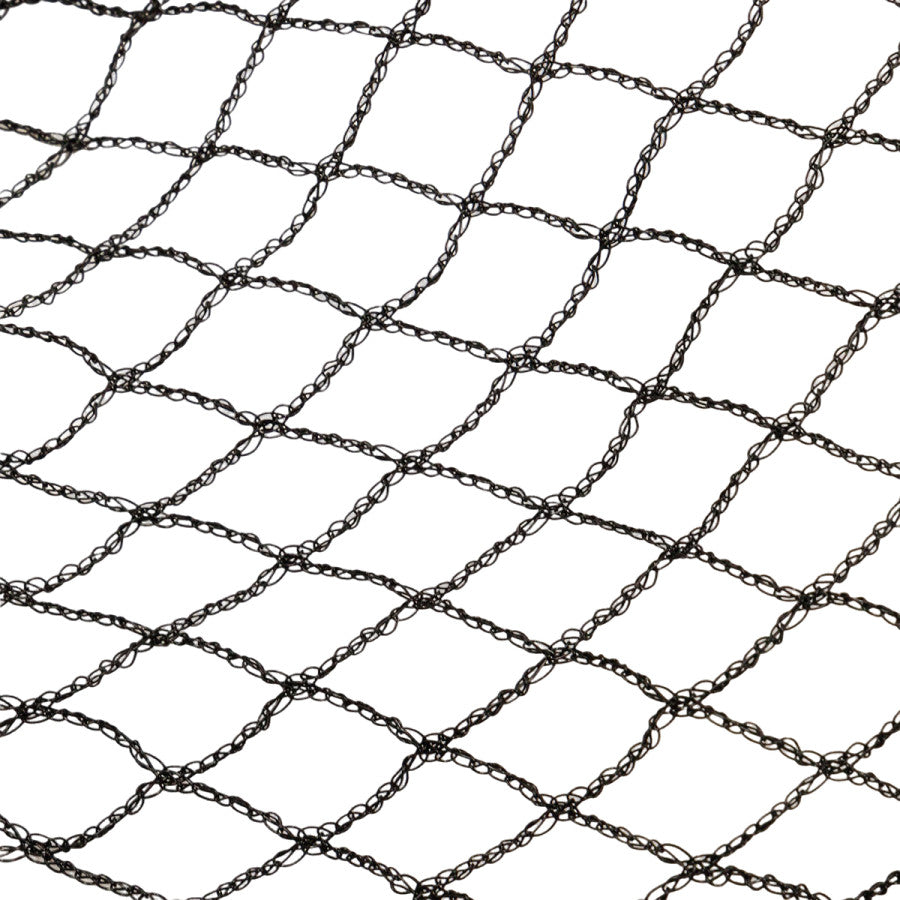
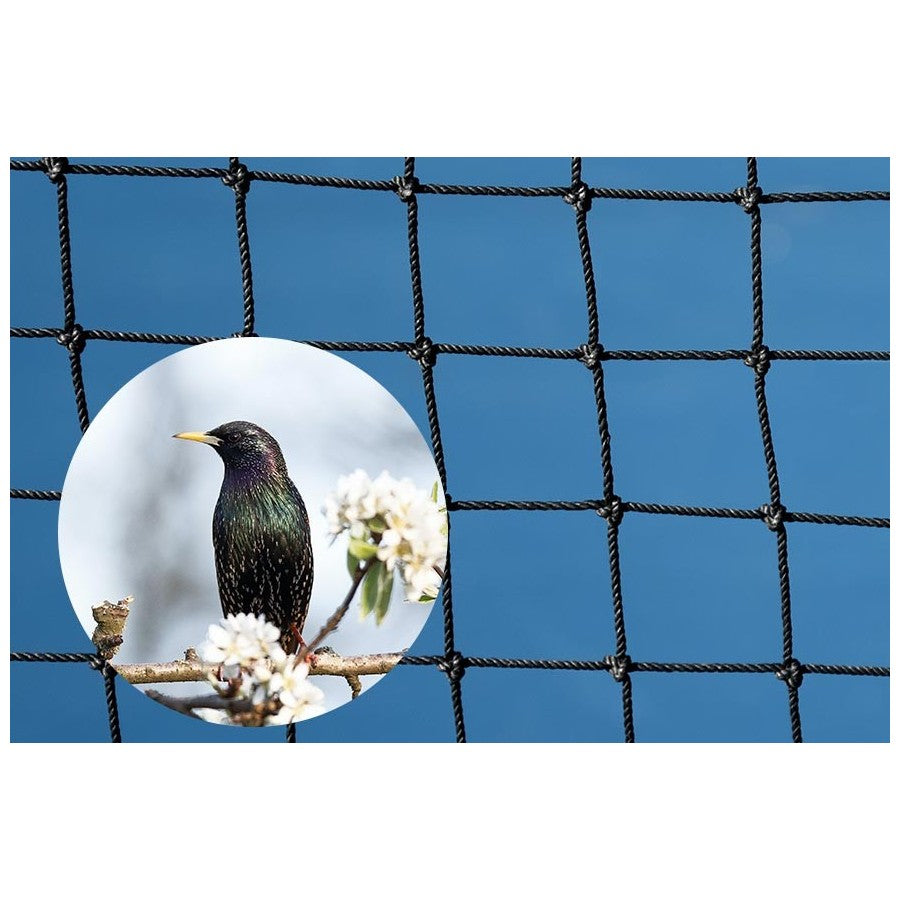
A small mesh (15 mm to 28 mm) prevents the passage of small birds: tits, sparrows, blackbirds, and starlings. It is recommended for sensitive crops like cherries or small fruits.
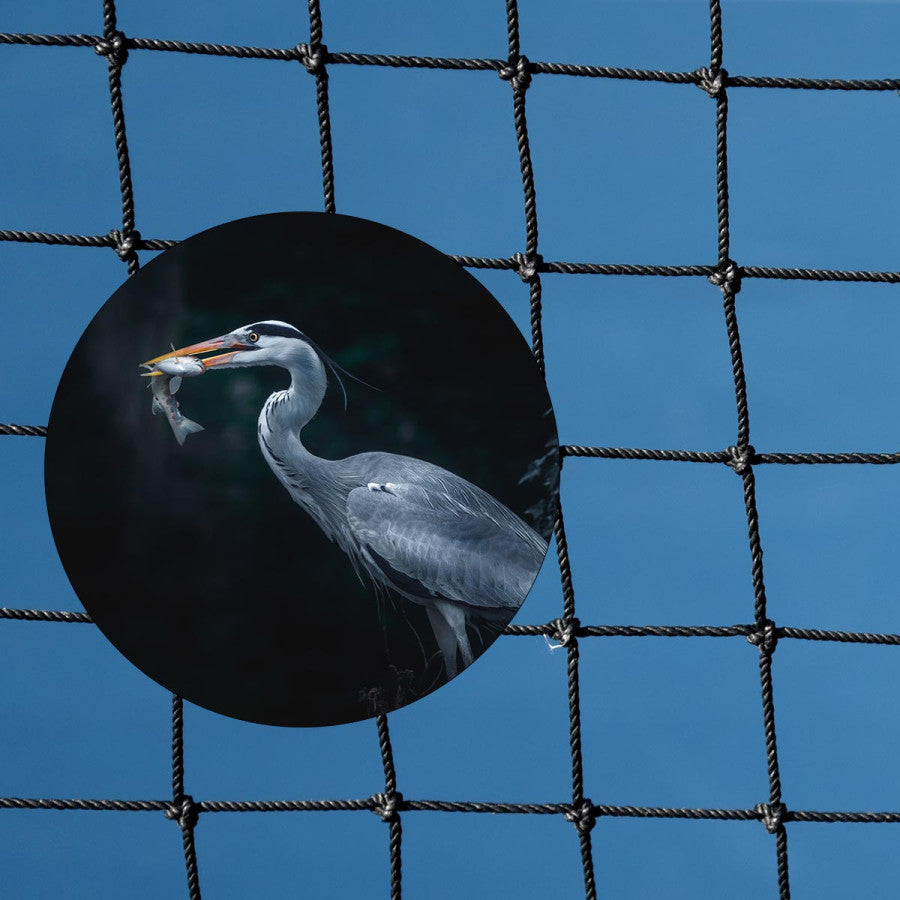
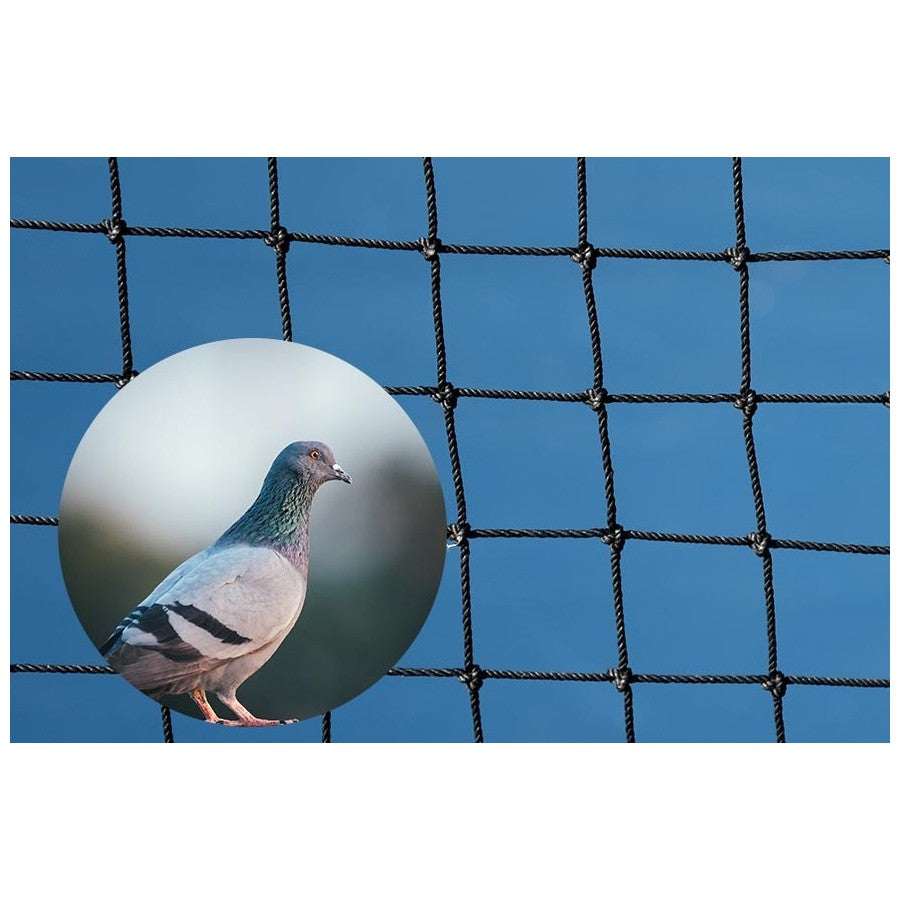
A larger mesh (greater than 28 mm) may be sufficient against larger birds: pigeons, crows, herons. It also has less wind resistance, which can be an advantage in certain exposed plots.
→ Discover our full range of bird-protection nets.
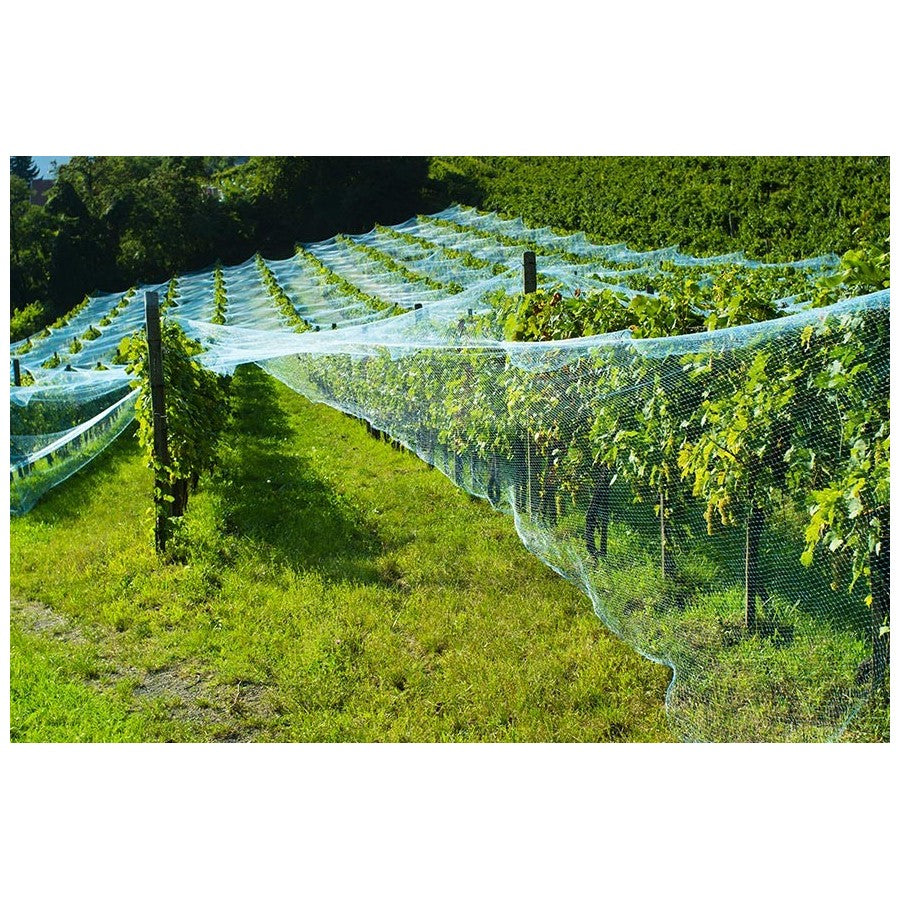
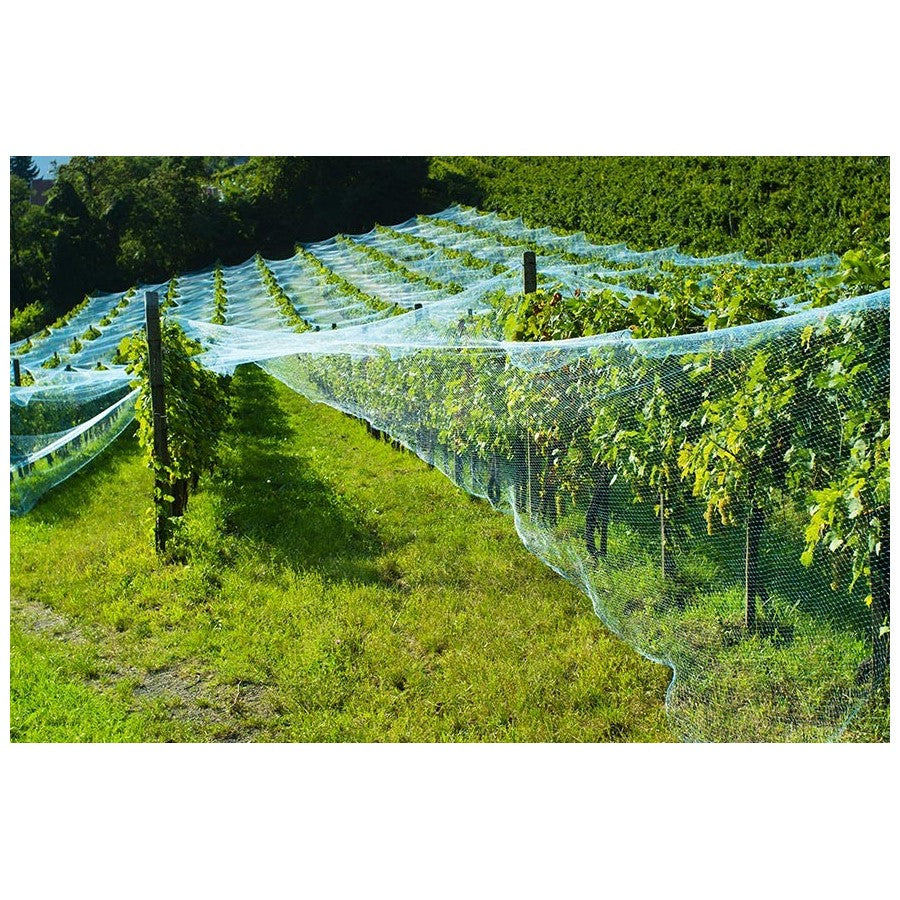
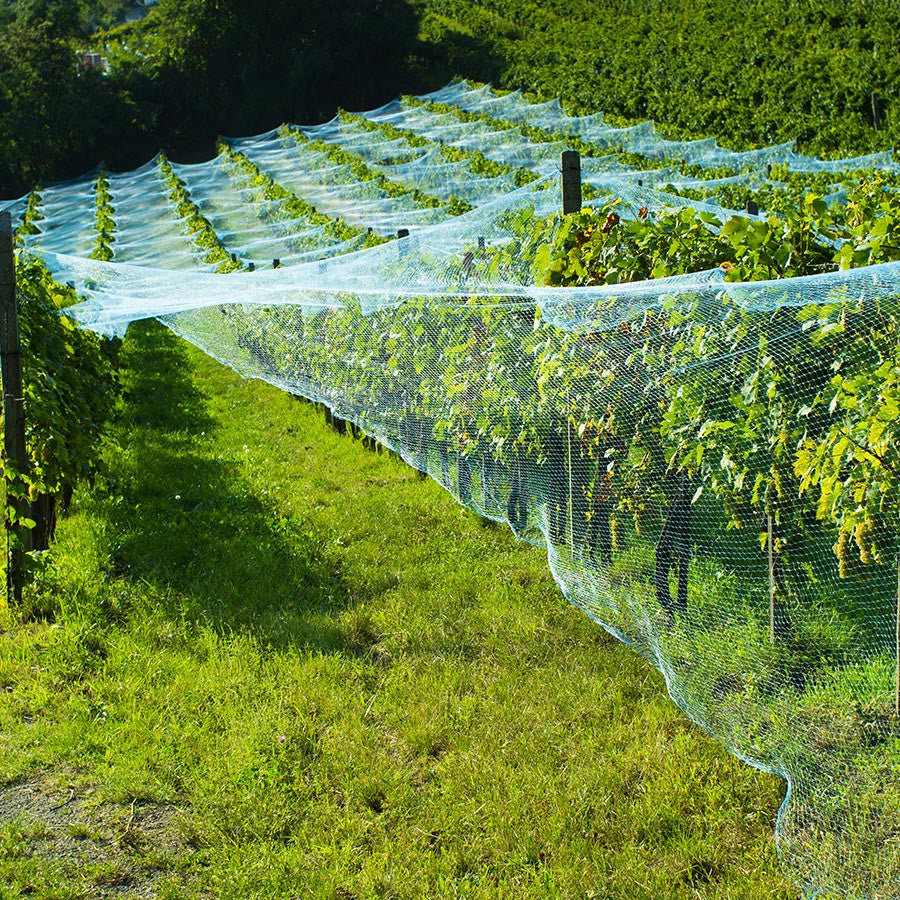
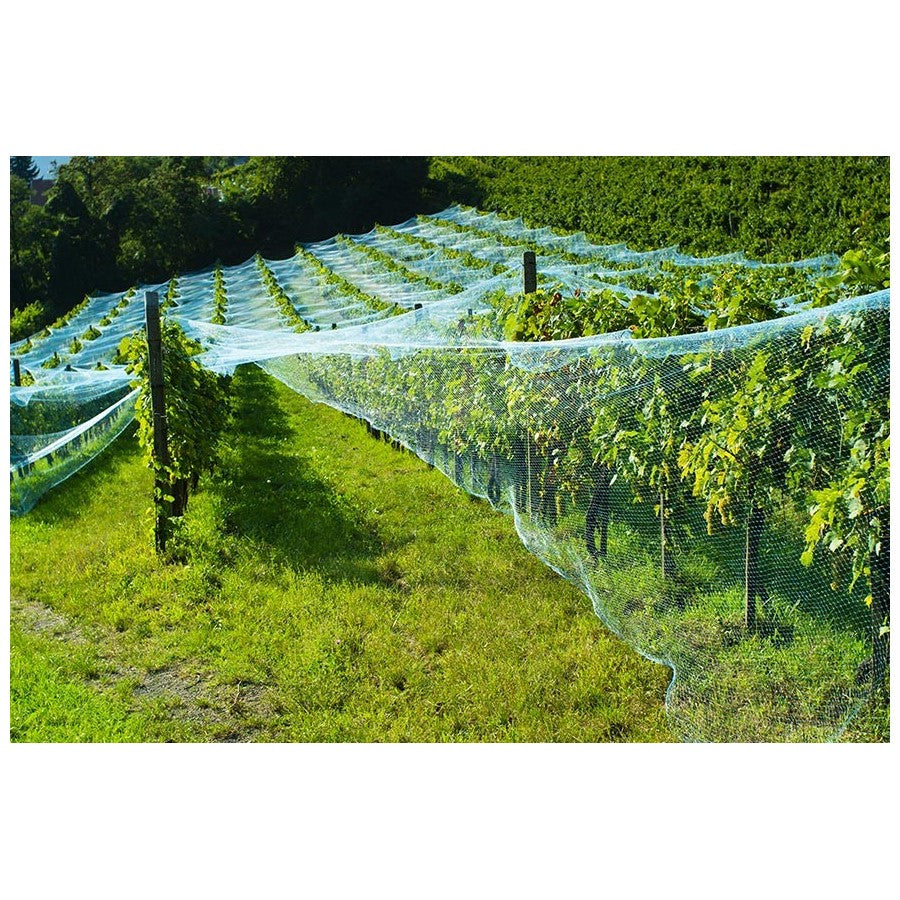
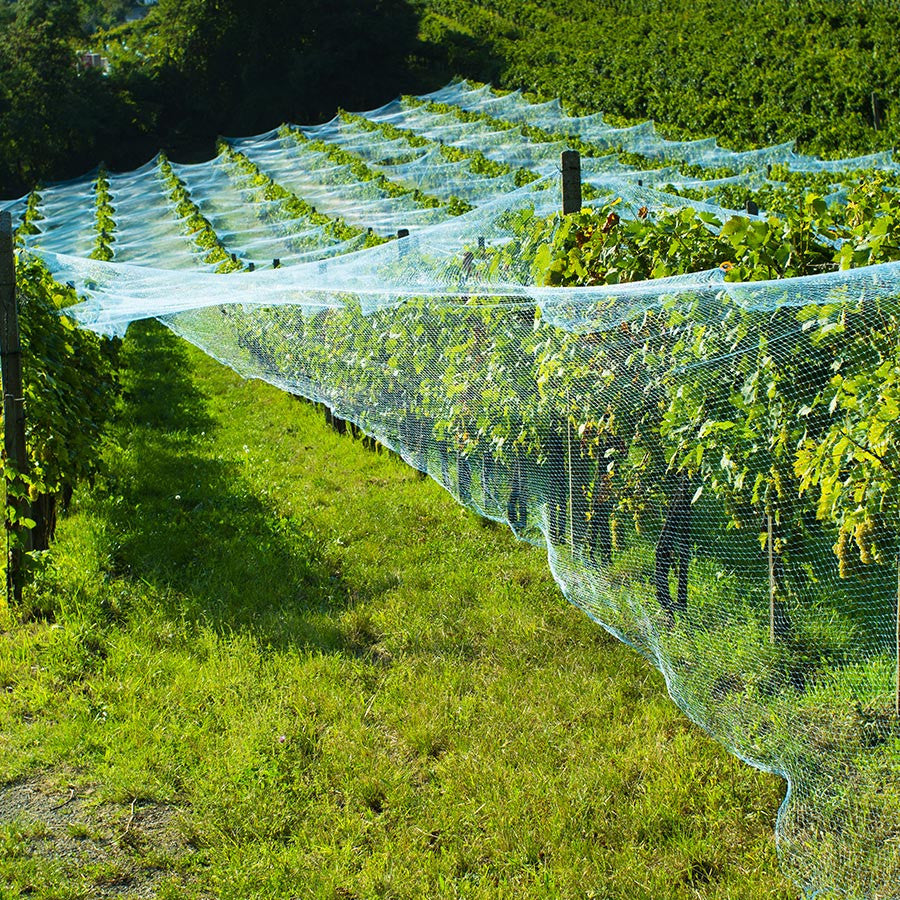
The crop must also be taken into account. In viticulture, lateral nets with a mesh adapted for starlings are often preferred. In market gardening, a finer mesh may sometimes be chosen if the objective is double, against birds and insects.
When to install a bird-protection net?
Good timing determines effectiveness.
The protection net must be installed before birds get used to feeding. Once established, they will actively seek to bypass the protection.
In arboriculture, installation usually takes place before the fruit colors. In viticulture, it occurs as soon as the grapes form. In market gardening, it depends on the type of crop, sometimes as soon as it sprouts.
Installing too early can complicate cultural interventions. Installing too late greatly reduces effectiveness.
How to install a bird-protection net effectively?
Installation must be planned according to the crop and the farm's organization.
The first step is to prepare the area. Obstacles must be removed, and anchoring points planned.
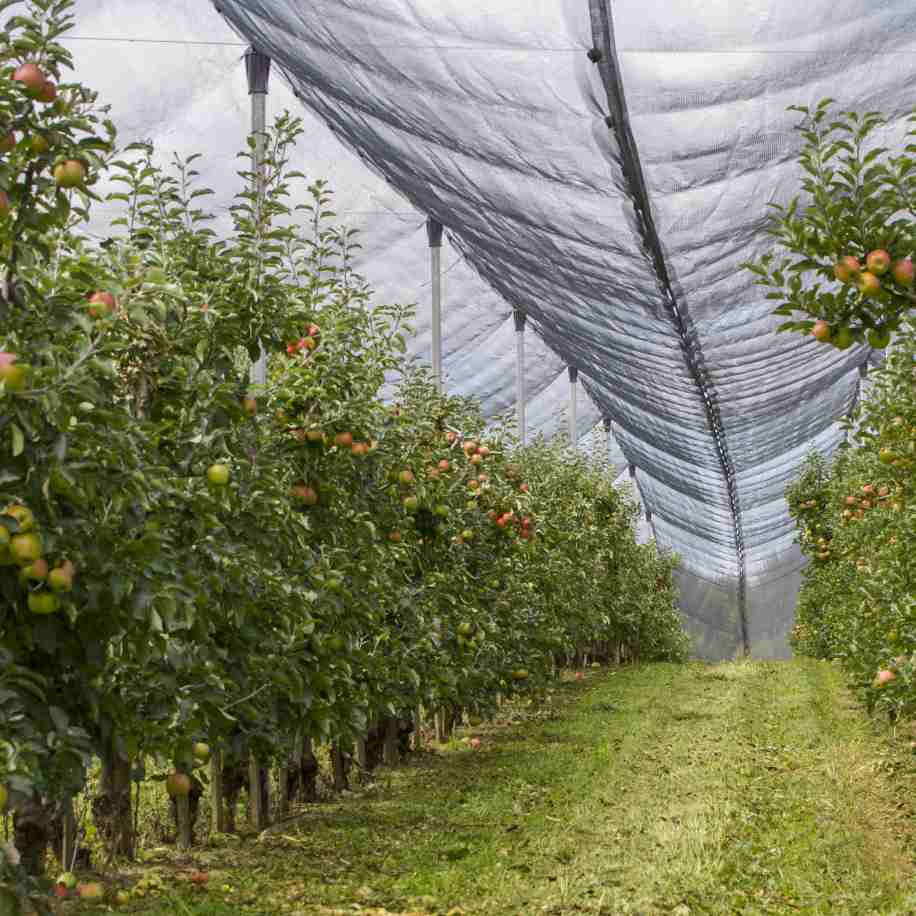
Then, the structure must be adapted. In orchards, installation on hoops or cables is preferred to avoid contact with the fruits. In vineyards, nets are often placed laterally on the rows. In market gardening, tunnels or direct ground placement are used depending on the crops.
Deployment must be progressive. The net must completely cover the area, without excessive tension initially.
Tension is then adjusted using ropes or cables. A well-tensioned net limits pockets and prevents birds from landing or getting trapped there.
Ground anchoring is essential. The edges must be secured to prevent any passage. This can be done with stakes, staples, or slight burying.
Effective installation relies on a simple principle: no openings, no loose areas.
What fastenings to use?
The choice of fastenings depends on the type of soil and structure.
On soft ground, stakes or pegs are suitable. On fixed structures, specific clips or ties are used.
Agricultural ropes play a key role in the tension and durability of the installation. They must be resistant to UV and humidity.
A good fastening system extends the life of the net and limits interventions.
When to remove the bird-protection net?
The net must be removed as soon as the risk decreases.
Generally, this corresponds to the end of the harvest. Leaving it in place unnecessarily exposes the material to bad weather and reduces its lifespan.
Removal is also an opportunity to check its condition, clean debris, and prepare it for storage.
Can a bird-protection net be left in winter?
This is not recommended in most cases.
Winter conditions, particularly wind, frost, or snow, can damage the net. Prolonged humidity also accelerates its aging.
In some fixed systems, the net can remain in place, but this assumes material designed for this use.
Does the net resist hail?
A bird-protection net is not designed to resist hail.
In the event of a severe thunderstorm, it can tear or deform. For hail protection, hail-protection nets, designed to absorb impacts, must be used.
However, some nets can offer light protection against minor episodes, without guarantee.
Can a bird-protection net be repaired?
Yes, in most cases.
Small tears can be repaired with specific kits or by tying appropriate knots. It is important to intervene quickly to prevent the tear from enlarging.
A well-made repair can significantly extend the lifespan of the net.
Practical tips according to your activity
In arboriculture, it is essential to avoid any contact between the net and the fruits. This limits damage and improves harvest quality.
In viticulture, speed of installation is often crucial. Mechanizable systems can save valuable time.
In market gardening, a good balance between protection and ventilation must be found. A net that is too enclosed can alter the microclimate.

Cited in this article