



Products
Using a Forestry Cable
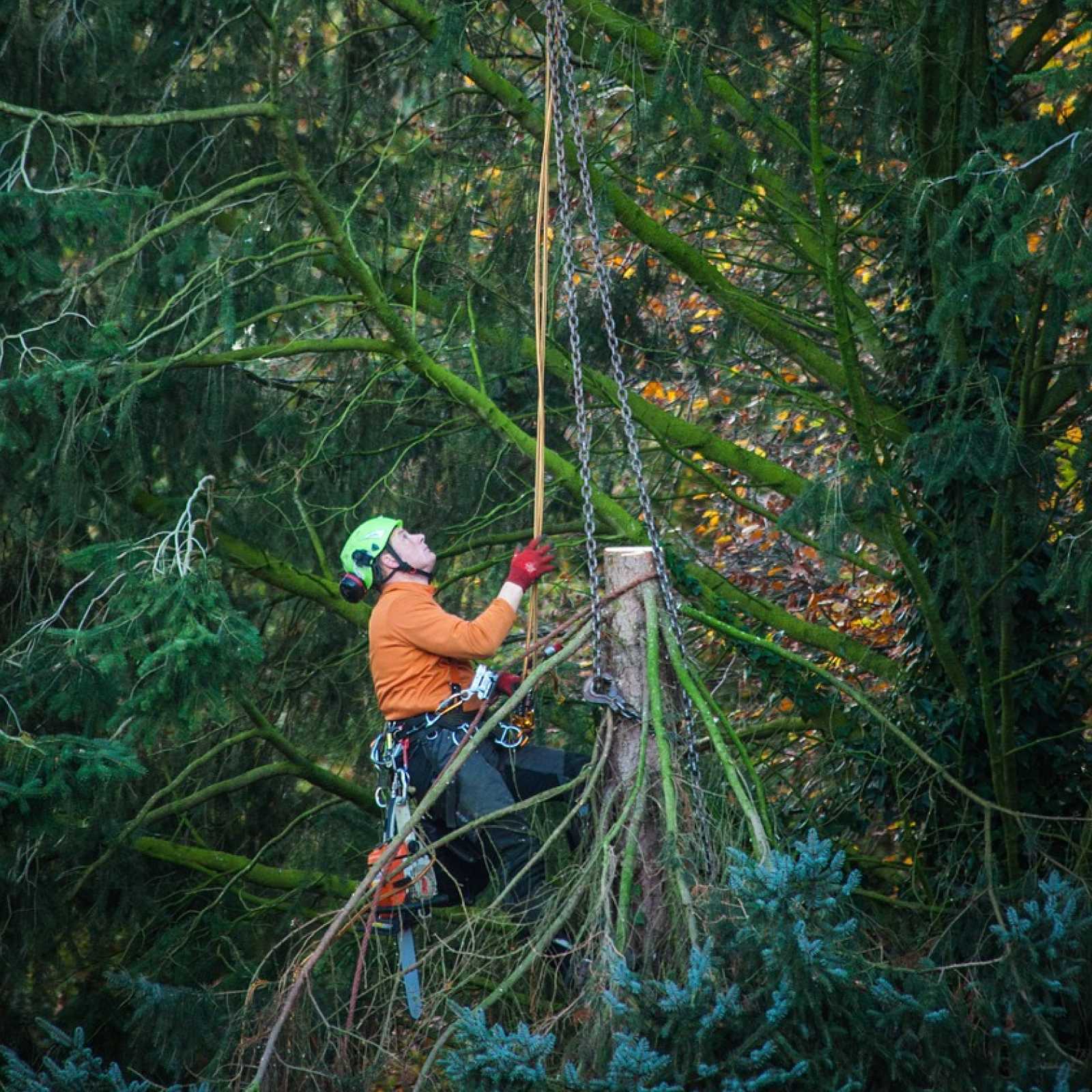
A forestry cable is used to pull logs or tree trunks from their felling site to an accessible area: a track, a road, or a loading platform.
Generally, a skidding chain is attached around the tree trunk, and then the chain itself is fastened to the cable using a choker.
It is used with various forestry equipment:
- Forestry winch (manual, thermal, or tractor-mounted).
- Snatch block to guide the pull.
- Sliding choker, ring, or connecting chain.
- Hook, grapple, or strap to attach the log.
It can also be used for animal skidding with a horse.
The cable can be stretched directly between the winch and the trunk, or pass through deflection points (like a pulley) to follow an indirect path, in difficult terrain.
It must withstand pulling tension, friction against stones, roots, stumps, and twists related to the trunk's movements.
Skidding Cable: Steel or Textile?
Steel cables remain very common in forests as skidding material. They are robust, economical, and well-known to all operators. They withstand heat, prolonged tension, and tight pulling angles well.
But they have several limitations:
- They are heavy, especially beyond 20 or 30 meters.
- They are stiff: difficult to coil, fold, and transport.
- They can be sharp if frayed.
- They damage wood more if they rub directly against logs.
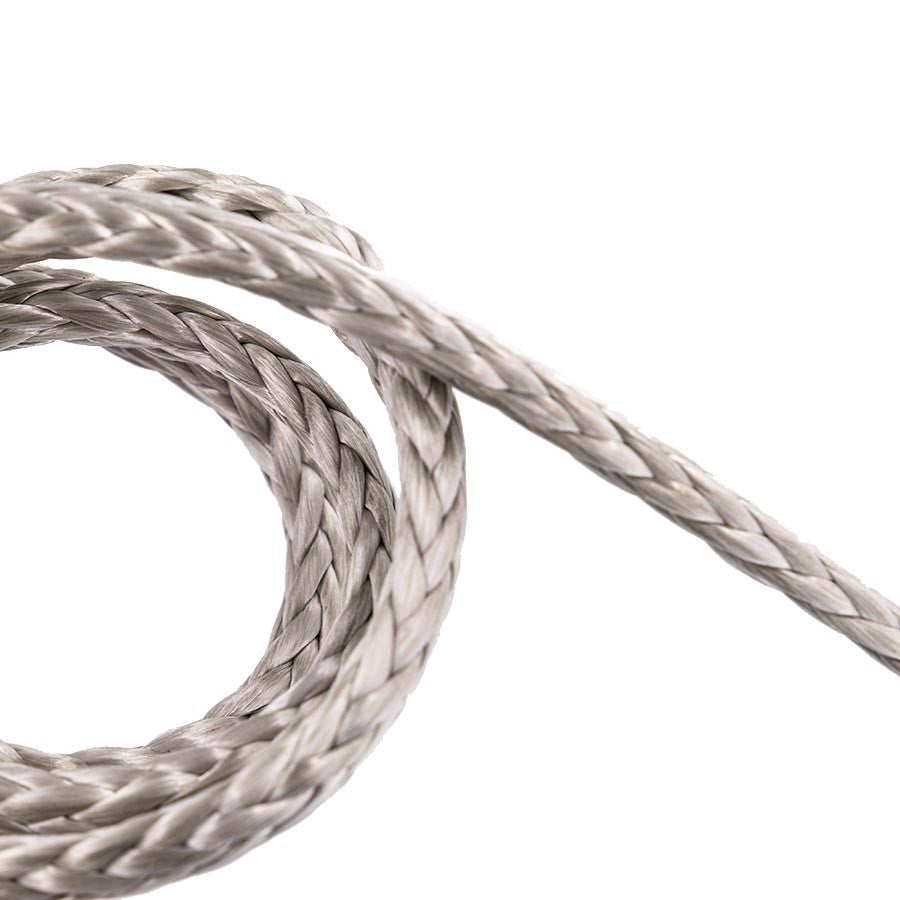
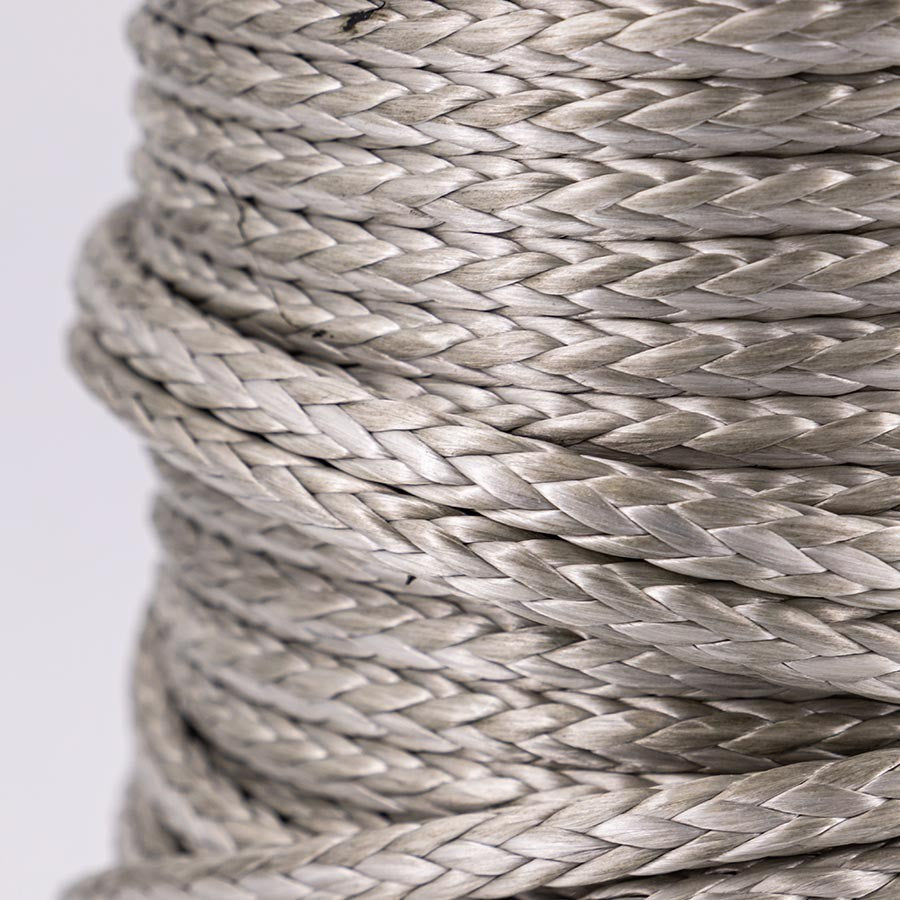
Textile cables, especially models made of Dyneema®, have become widely used in recent years. They offer resistance equivalent to steel for a significantly lower weight.
Ropes and cables made of HMPE, with Dyneema leading the way, have become essential in many sectors thanks to their numerous advantages.
In forestry use, this changes many things:
- The cable is more manageable: it can be pulled by hand, without a winch.
- It unrolls and stores more easily. It is also less bulky, for equal breaking strength.
- It adapts better to obstacles and terrain variations.
However, textile cable is more sensitive to abrasion. It must be protected at friction points with appropriate sleeves or guards.
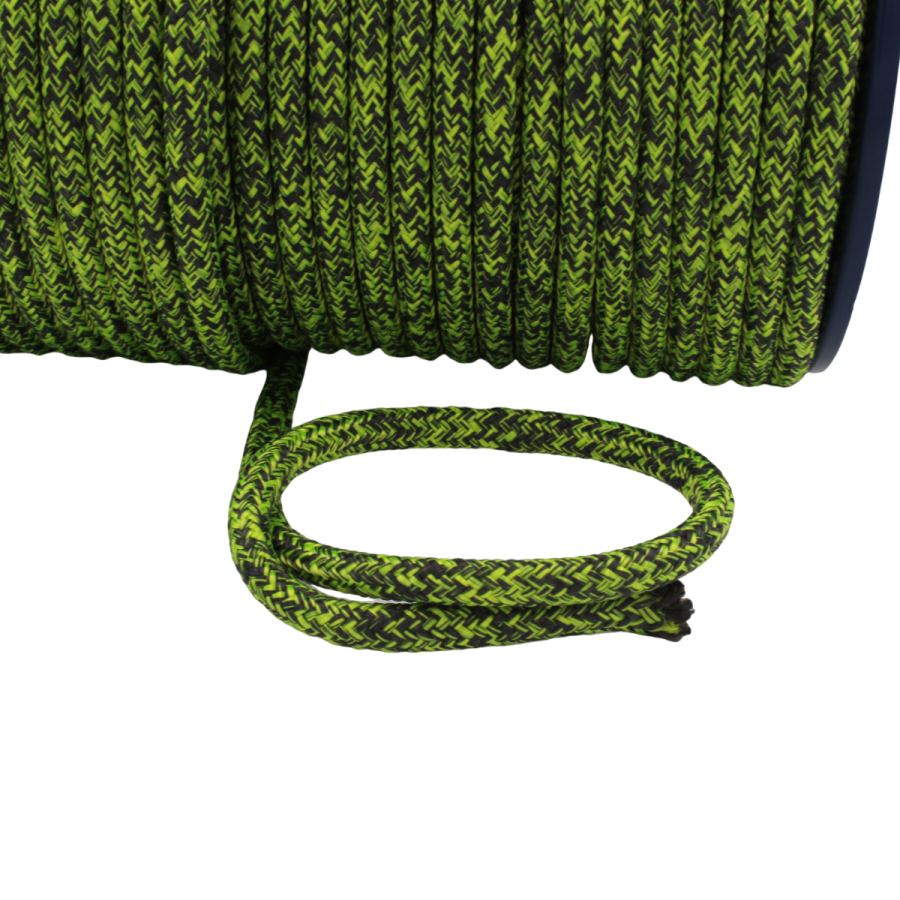
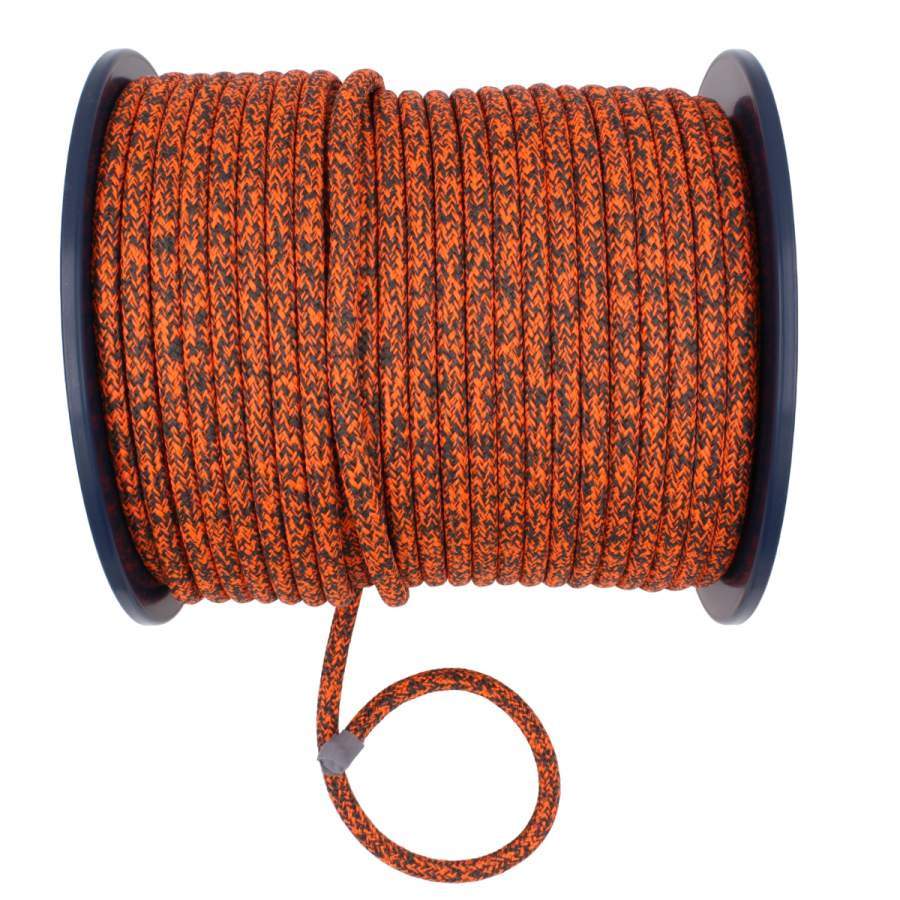
At Corderie Gautier, we specifically offer a Dyneema-sleeved skidding cable!
The choice depends on the type of worksite:
- For intensive, mechanized use on rocky ground: steel remains reliable.
- For manual work, small volumes, or gentle silviculture: textile is more suitable.
- In animal skidding or protected areas, textile cable is often preferred for its flexibility and its non-aggressive nature towards wood and soil.
Advantages of a Dyneema Textile Cable
Dyneema is an extremely strong synthetic fiber, used in sectors such as sailing, aeronautics, or safety. In forestry, it offers several advantages for skidding.
Lightness
A Dyneema cable is up to 8 times lighter than a steel cable for equivalent strength. This means less fatigue, less risk of back or arm injury, especially when it needs to be carried over several tens of meters.
A 30-meter cable can be carried with one hand, even in wet conditions.
Safety
In case of breakage, Dyneema does not whip like steel. It does not create a dangerous spring effect. This significantly reduces the risk of injury.
This is a real advantage in areas where several people work together, or when skidding with horses.
Flexibility
Dyneema cable is flexible, easy to tie, coil, and store in a bag or bucket. It does not retain its shape memory, unlike a steel cable which remains twisted after coiling.
It passes better through narrow passages, between trees, or on slopes.
Resistance to Humidity

Recognized French expertise

Secure Payment

4.9/5 certified reviews

Ships within 48-72 hours

Reliable & fast customer support