
Which bird netting should fish farmers choose?
Table of contents
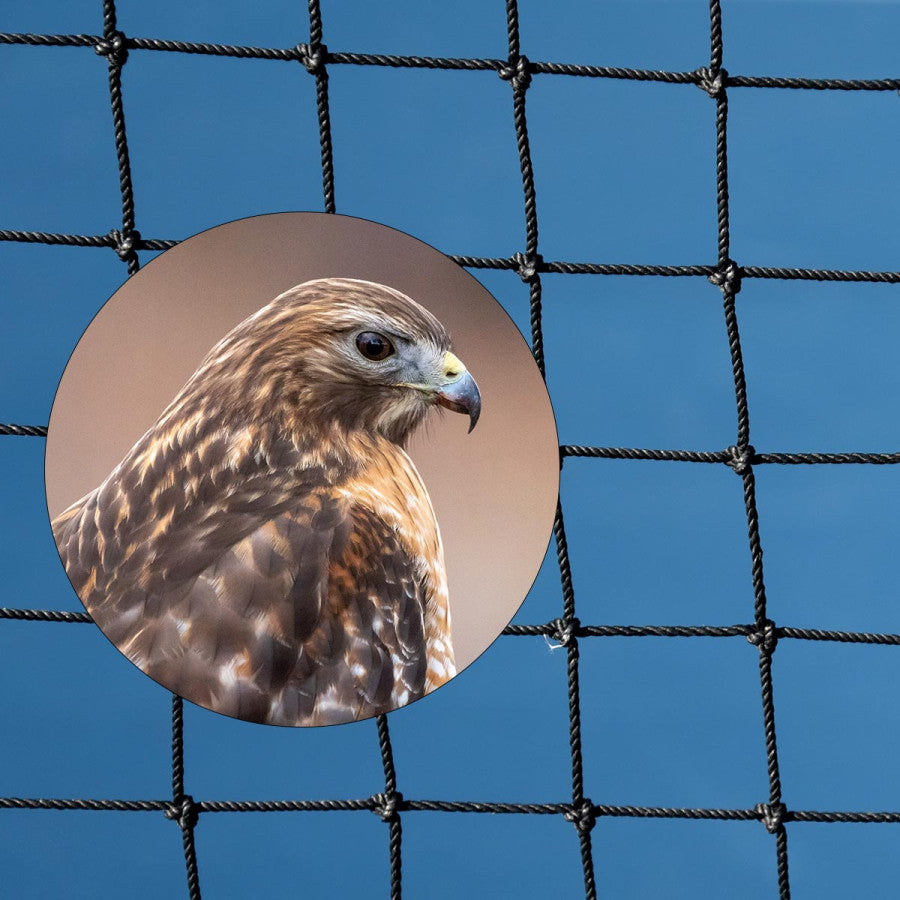
If you have a fish pond, or if you are an aquaculturist, you are certainly confronted with large fish-eating birds such as herons that come to devour your fish.
To prevent these large birds from eating your fish, you can install a bird netting over the pond or lake.
Robust bird netting
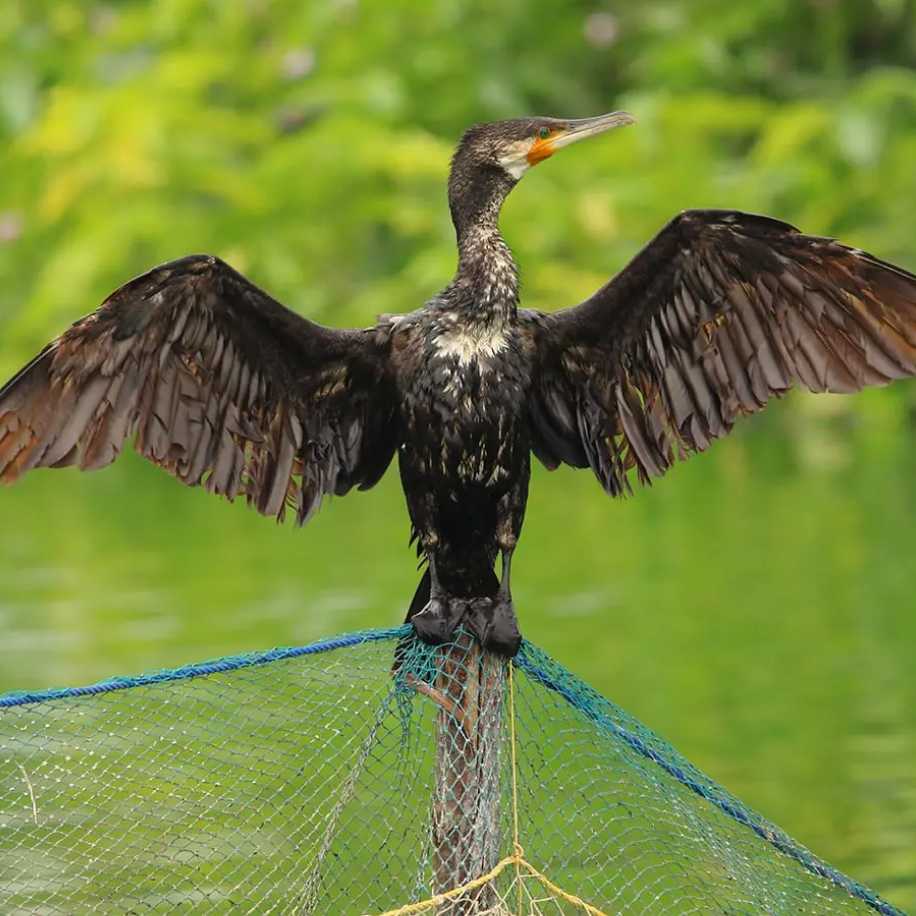
The birds that come to feed on your ornamental or farmed fish are generally quite large species.
Depending on your region, you may find:
- Cormorants
- Herons
- Gulls
- Or other species
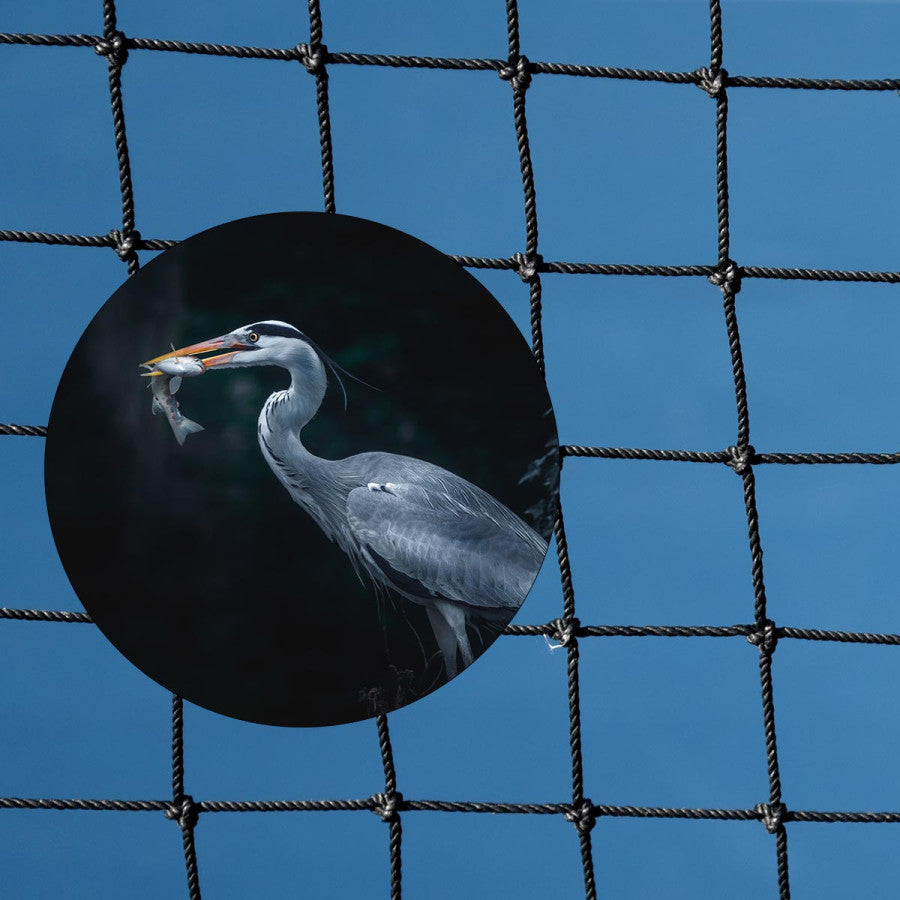
The most common and well-known wading bird for devouring fish in ponds is the Grey Heron.
A member of the Ardeidae family, this formidable fisherman is very common in Europe and France.
It is easily recognized by its large size, long neck, and colors.
It has grey plumage, yellow eyes, and two large black streaks on the top of its head.
The Grey Heron measures on average 90 to 98 cm high and can weigh 1.2 to 2 kg, making it a large and fairly heavy bird.
If a heron tries to devour the fish in your pond, the bird netting must be robust enough to hold it and not break under its weight.
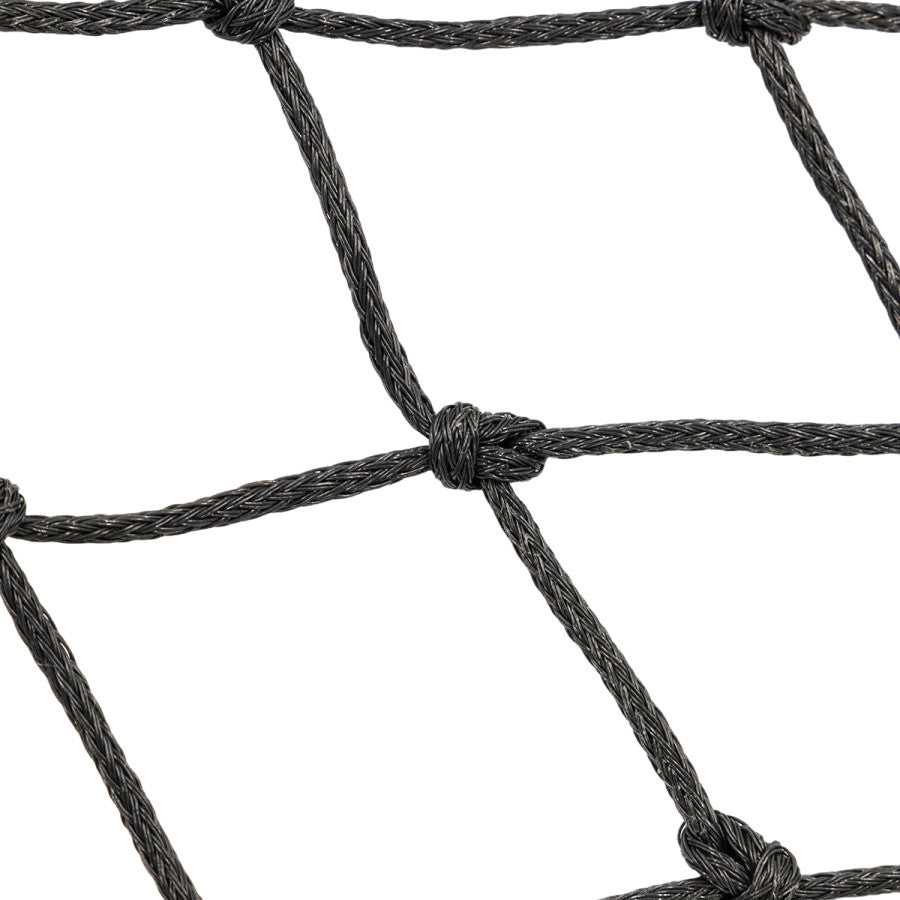
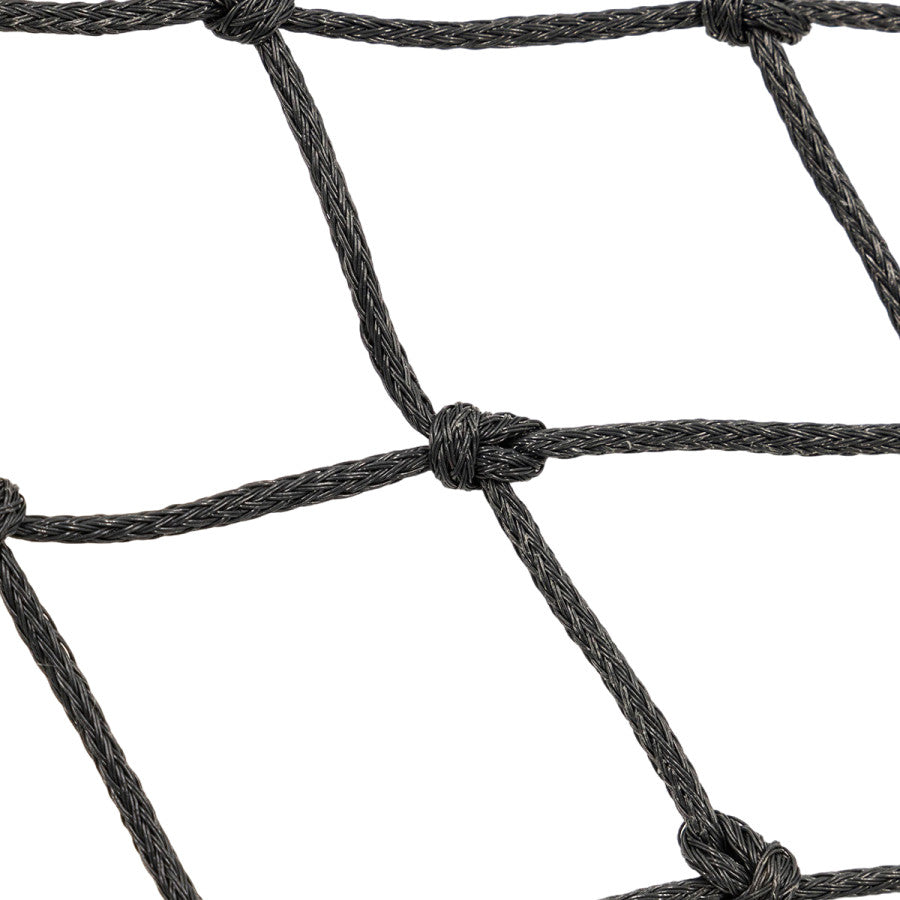
We recommend choosing a net made with knotted mesh, which is much stronger than knitted mesh. Also, choose a thick enough thread, 1 to 2 mm.
Large mesh
Your primary objective is to prevent large fish-eating birds from reaching the fish.
If small birds pass through the mesh, to drink for example, that is not a problem.
Therefore, opt for large, widely spaced mesh. This will make for a less dense net, which has several advantages:
- Better light for the fish under the net
- Reduced weight, making installation easier
- Lower cost
To protect a pond, we recommend choosing a net with mesh from 60 to 145 mm.
Provide solid supports
If you need to protect a large pond or even a lake, a large bird net will be very heavy. Your installation will be similar to the large aviaries that can be seen in animal parks.
To support the weight of the net, and possibly wading birds that might land on it to try to get to the fish, provide solid supports.
For example, position large wooden or metal poles at regular intervals, at the top of which you will attach the net.
Purchase multiple nets
Another practical recommendation, to facilitate the installation of your bird netting, is to purchase several.
Divide the area to be protected into several surfaces, and order as many nets as necessary.
It will be much easier to install these nets one after the other than to try to hang a single, huge bird net over a large pond.
Do not use mesh that is too small
Another important recommendation: choose the net according to your fish!
This applies especially to professionals who breed certain species.
Indeed, some fish are known to make quite impressive jumps. This is the case for salmon, or brown trout for example.
A net with mesh that is too small, 80 or 100 mm, could occasionally allow a fish to pass through, which would then get stuck on the net when falling back down.
For trout, salmon, or other jumping fish breeders, we recommend bird netting with 145 mm mesh:
herons and cormorants will not get through, and if a fish jumps too high, it will easily fall back without getting caught in the net.