


What mesh size should I choose for an anti-bird net or aviary net?
Table of contents
How to easily choose an aviary net or bird net? One of the main criteria to check for an effective net is mesh size.
They must be able to hold birds and withstand their pecking and scratching.
In this practical guide, we give you some simple tips to find the right solution.
How to choose easily?
Here is a quick and simple guide to help you choose the mesh of your bird net or aviary net, depending on the type of birds it needs to prevent from passing through.

To summarize, we can say that for:
- Small birds such as sparrows, opt for a mesh of 15 to 25 mm.
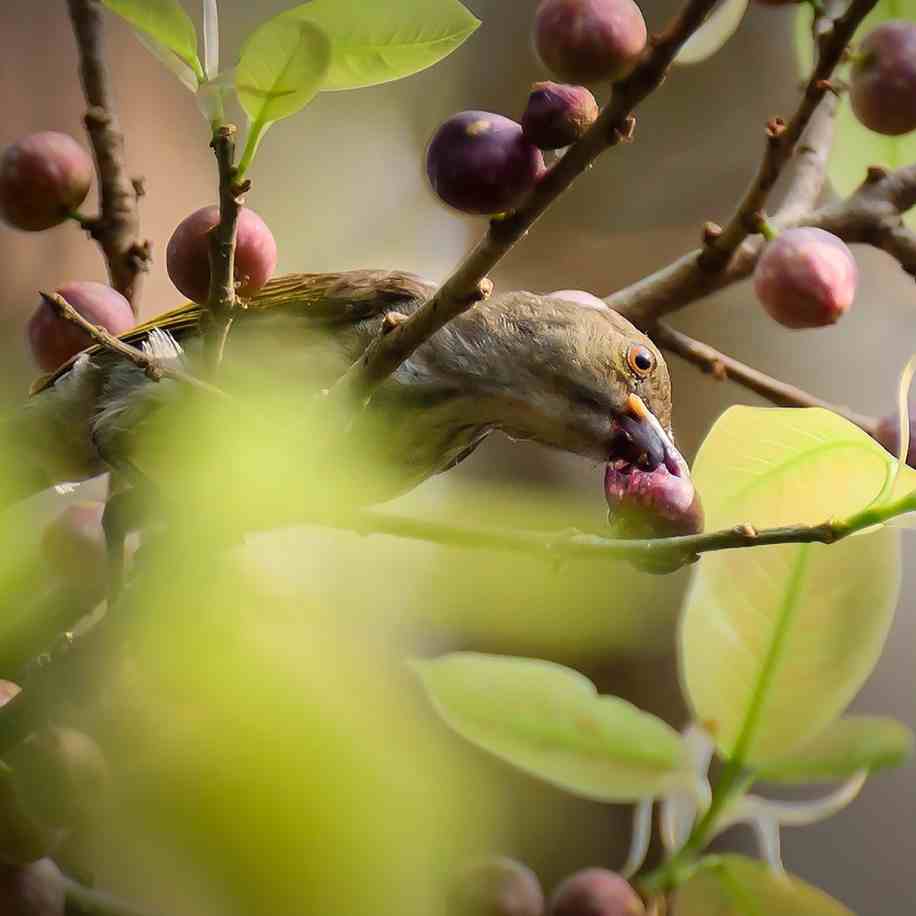
- Fruit-eating birds, such as starlings or blackbirds, opt for a mesh of 22 to 30 mm.
- Pigeons, crows and other large seed-eating birds, choose a mesh of 30 to 50 mm.
- Poultry (chickens, pheasants, ducks…), prefer a mesh of 30 to 60 mm.
-
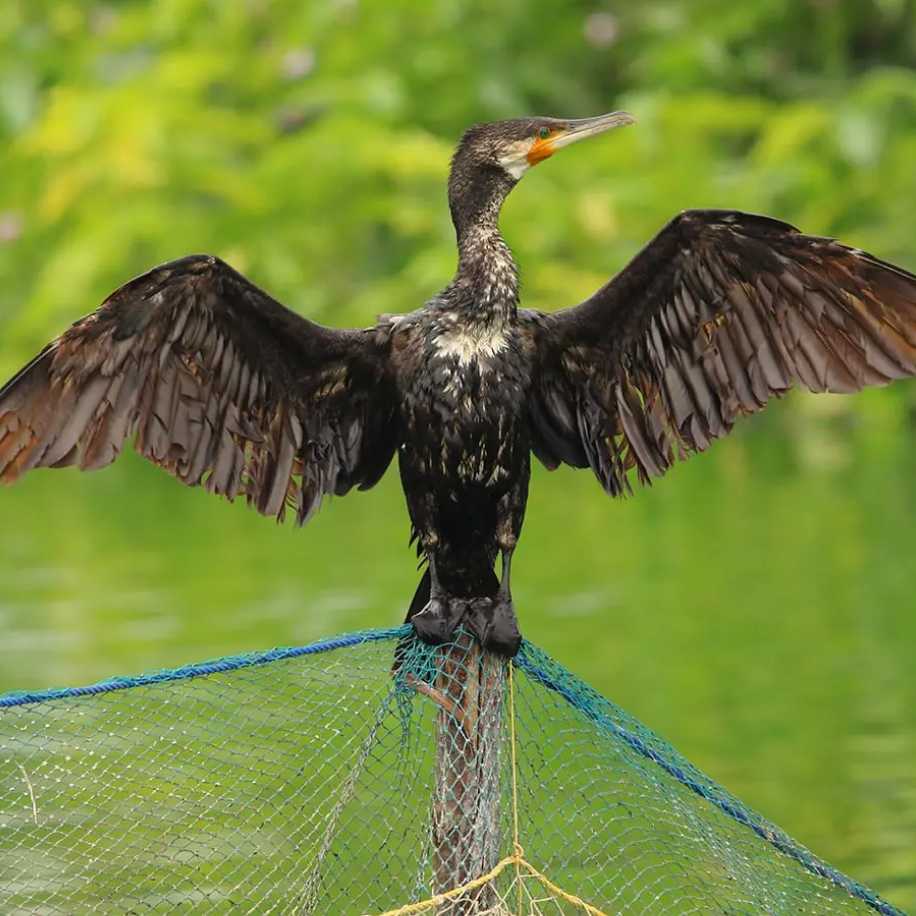
Large fish-eating birds, such as herons or cormorants, opt for a large mesh of 60 to 145 mm.
In detail, we will choose an aviary net or a bird net according to several criteria. Let's see them.
Bird size
As we have just seen, there is obviously a link between the size of the birds to be contained and the size of the net's mesh. They must be neither too large nor too fragile.
To prevent starlings or blackbirds from eating your cherries or strawberries, you need small meshes that do not let them through.
To install a chicken coop in your garden with an aviary net, 40 to 60mm meshes will be very suitable for keeping chickens.

Knitted or knotted cable meshes?
We manufacture nets with square meshes of knotted cable, or knitted diamond meshes.
Diamond meshes are finer and more economical. They are therefore very suitable for retaining small birds and for having an inexpensive bird net.
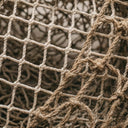
Square meshes are knotted. Therefore, they are more robust and do not tear easily. If the net is damaged, it is also easier to tie a new knot to repair it. They are therefore more suitable for aviary nets for larger poultry, or as protection against large birds.
Thread thickness
In addition to the mesh type, the thread thickness also plays an important role in the overall resistance of the net.
To protect fruit trees from small birds, you can opt for a very thin thread.
The larger the birds, the larger their claws and the more hooked their beak, the thicker the thread must be to ensure better resistance to pecking and scratching.
Thus, a 1mm or 1.3mm thread will be sufficient to prevent starlings from eating your cherries, or to prevent pigeons from entering a building.
For poultry in a farmyard, such as chickens, turkeys, ducks... prefer a 1.8 or 2mm cable.
Do you want to prevent herons from eating the fish in your pond? Opt for a thread of 2 or even 2.5mm thickness.
Type of use and installation
You will not always need the same mesh size or the same resistance for your net, depending on how it is installed and used.
Closing the sides of an aviary or chicken coop
On the sides of an aviary, farmyard, or chicken coop, the net will have to hold the poultry. It will be subjected to pecking and scratching, the birds will try to get out.
Here, it is therefore necessary to favor a net with cabled and knotted meshes, which are more resistant.
They must not be too large, so as not to let the poultry escape, nor for them to get stuck in it.
Closing the roof of an aviary
If you are looking to close the roof of your aviary or chicken coop with a net, it does not necessarily have to be as robust as on the sides.
For example, a jumping chicken will not have support or grip, and will not be able to apply as much force to the roof net as to the walls of the chicken coop.
However, be careful if you have raptors nearby, such as buzzards or falcons, which could attack the chickens. In this case, we recommend a knotted cable net with a robust and thick thread.
You can therefore very well opt for larger or knitted meshes (and therefore cheaper) to close the top of the aviary.
It is also interesting to choose a lighter net in this case: it will be easier to install, and will require fewer supports.