

How to use Norwegian tar?
Table of contents
Used for hundreds of years, Stockholm tar serves to waterproof and protect wood.
It is used to protect wooden furniture and equipment, as well as to care for trees and even... for animals.
We give you advice on how to use pine tar and for what application.
Natural Product for Wood Treatment
The same product can be called by different names:
• Stockholm tar
• Pine tar
• Vegetable tar
In all cases, it's the same thing.
A 100% natural, biodegradable, and ecological product.
Stockholm tar is made through the carbonization of wood. This means it is heated at high temperatures without air. Instead of burning, the wood is transformed into vegetable tar: it becomes liquid and very viscous.

Pine tar is generally found in two forms: thick or liquid (already diluted).
The properties always remain the same, but the consistency will play a greater role in how it is used and its application.
Non-toxic Products, but They Stain
One of the criticisms of Stockholm tar that can be heard is related to one of its compounds: creosote.
Creosote is the name given to oils extracted from tars (pine, plant, coal, etc.) which are complex and potentially dangerous compounds. Creosote is believed to be responsible for many cancers.
But that was then!
For many years now, creosote-treated woods have been banned for the general public.
At Corderie Gautier, our products naturally comply with French and European standards.
Our pine tar is guaranteed creosote-free.
It is a natural, quality, and safe product!
It can therefore be used on residential wood (wooden doors, beams, etc.), in the garden to treat a tree without any risk of pollution, in the presence of animals, etc.
No need for special protective equipment to protect yourself from possible fumes either.
However, pine tar stains a lot and is very difficult to clean.
We therefore advise you to equip yourself with work clothes such as a smock, and especially to wear gloves.
Stockholm tar has a strong odor: some people love it, others not at all.
Most often this is not a problem because it is applied outdoors. If not, for example if you are painting a wooden door in a garage, make sure to ventilate the room well.
Protect Wood from Humidity
Stockholm tar has incredibly useful properties for protecting wood.
Its first major advantage is certainly its ability to protect wood from humidity.

Indeed, the Vikings already used it centuries ago to caulk their ships!
It has the particularity of protecting wood against drying out and making it waterproof.
Because the primary reason wood absorbs moisture, gets damaged, and eventually rots… is that it dries out.
As it dries, the wood cracks and splits. These cracks weaken the structure and, above all, allow water to infiltrate. Then come mold and fungi, and your wood is in poor condition.
Pine tar waterproofs wood and has antiseptic properties.
In a humid environment, for wood buried or even submerged, the application of tar will prevent rotting and extend the life of the material.
How to Apply Pine Tar to Wood?
It can be applied to all wood species.
Indeed, it leaves no traces, does not blister, does not flake, and does not color the wood.
It's not like a varnish or paint.
In most cases, treated wood will retain a natural shade very close to its original color. On light wood, it may take on an amber hue (like pine).
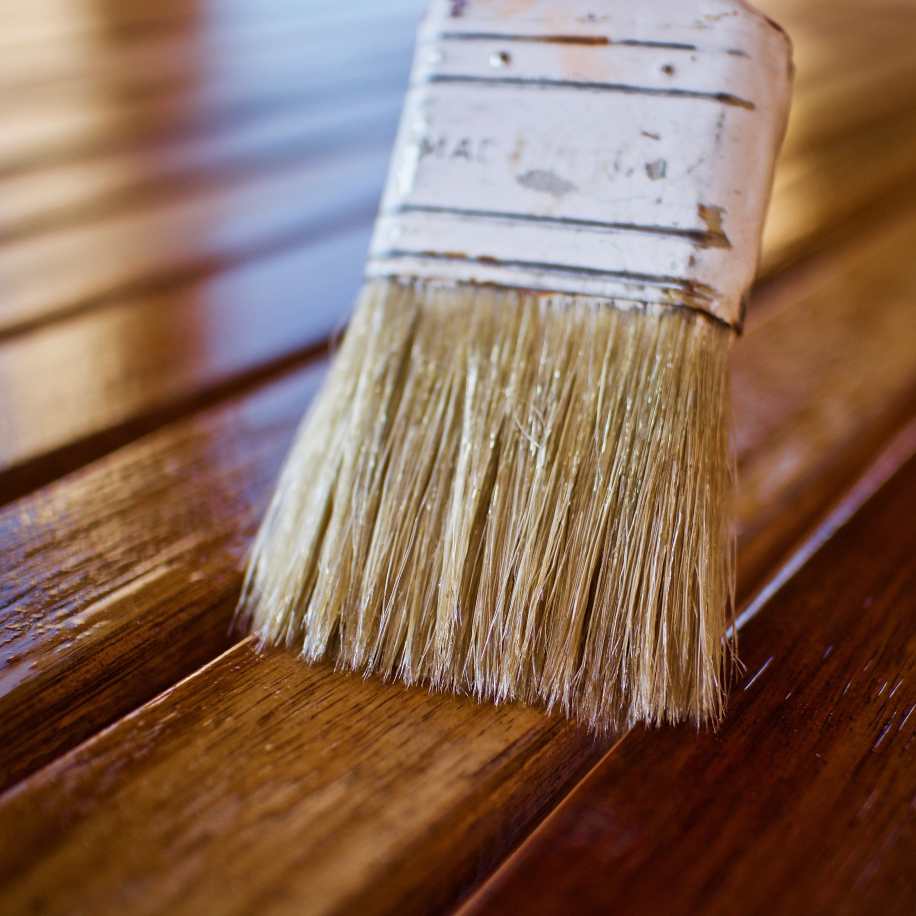
It is applied with a brush or spatula, depending on its viscosity and need.
Caring for a Tree
Broken branch, rodent bite, pruning wound…
If you have an injured tree, you can treat it with pine tar.

Then apply the tar with a brush or spatula directly to the wound.
It should be clean, dry, and fresh. Do not leave half-peeled bark, dirt, or fungi before applying tar. You would enclose bacteria, water, and fungi with the wound, and it would become infected.
It is also possible to treat a tree against canker.
With a clean and disinfected tool, clean the diseased part: scrape and remove the parts affected by canker until you reach healthy wood.
Burn the cut and diseased pieces of wood to prevent the canker from spreading.
Apply Stockholm tar to the wound to protect it and help the tree heal.
Protecting Wood
Protecting wood from moisture is very easy with this product.
No need to sand or strip your wood before a new coat of tar.
Simply give it a good brush.
Apply pine tar here too, either with a brush or a spatula.
If it is too viscous and does not spread easily, consider heating it or diluting it.
Another advantage of this principle: the protection lasts a long time.
We recommend applying a new coat of Stockholm tar every 5 years to renew the wood's protection.
It will then protect: a wooden boat hull, a pontoon, a buried post, a solid wood door…
Protecting Horse Hooves
Pine tar is also used to protect horse hooves.
The principle remains the same:
prevent moisture and rot.

Indeed, if your horse (donkey, pony, etc.) is regularly in the pasture, especially in winter, its hooves absorb moisture and get damaged.
To protect your horse's hooves, you can apply Stockholm tar.
But beware, this should only be done under certain conditions.
Clean and Dry Frog
The first thing is never to use this product on a dirty, rotten, damp, or dry frog.
Pine tar would trap water and moisture, thereby accelerating rotting. Or, on an already very dry hoof, completely dry it out.
The frog must be healthy and soft.
Beforehand, bring the horse to the stable or to a perfectly dry ground and thoroughly clean the hooves.
The tar should only be applied to the frog, and not to the outer part of the hoof.
Similarly, it is advisable to apply it occasionally but not daily or too frequently, so as not to dry out the hoof.
As a Precaution
To protect a horse's or donkey's hoof, pine tar is always used as a preventive measure.
It helps prevent moisture and thus the rotting of the frogs. Therefore, this protection is applied before the horse returns to the pasture or is again in a humid environment.
It is not a treatment: when the hoof is damaged, it is no longer the product to use.
How to Dilute Stockholm Tar?
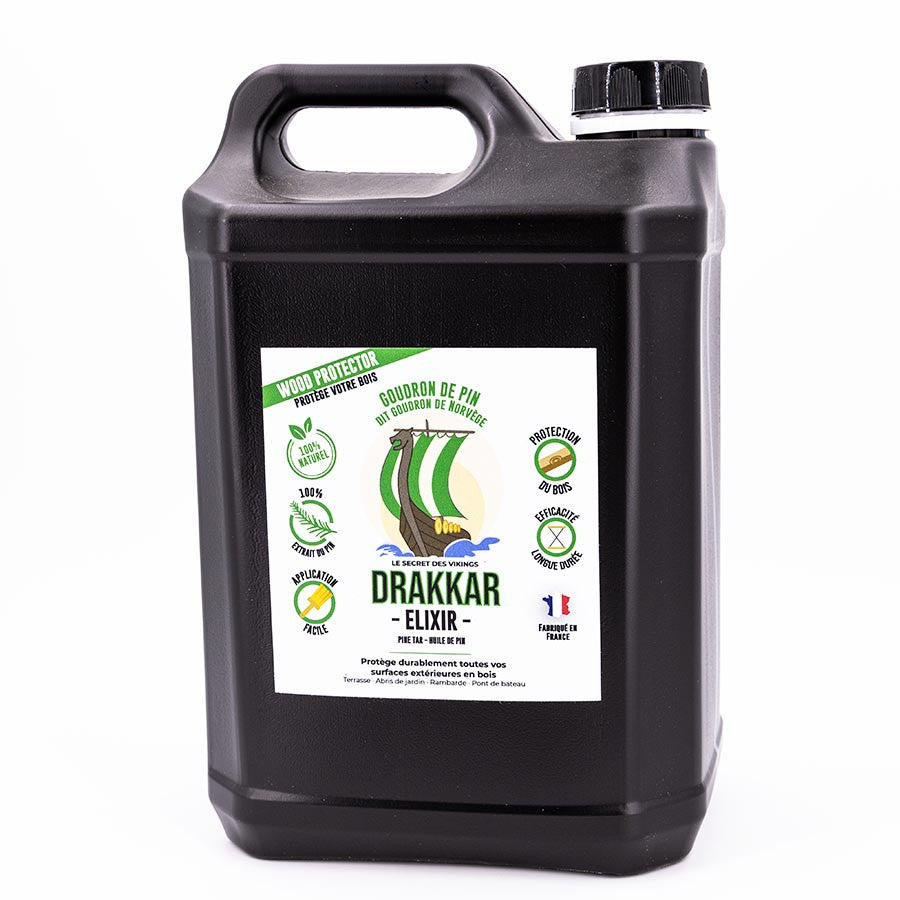
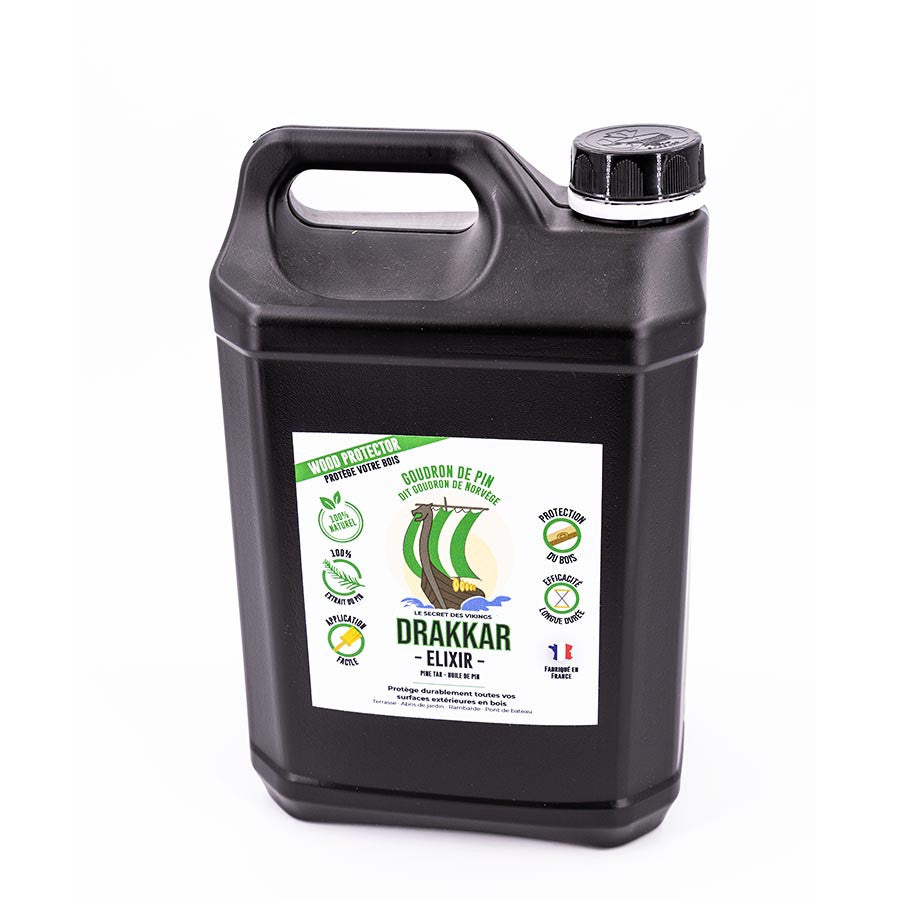
We offer ready-to-use pine tar. A brush, and you can start applying it.
But most often, this product comes in a thick, very viscous form.
To facilitate its use, it may be useful to dilute it, but it is not mandatory.
It should be noted that pine tar hardens when the temperature drops, making it much more difficult to spread. Even impossible with a brush.
The first thing to do is therefore to heat the Stockholm tar.
At room temperature around 20°C, you should already find a consistency liquid enough to spread it easily.
Otherwise, you can heat it even further, up to 40 or 50°C: be careful of splashes and burn risks then.
For example:
• In a double boiler
• Using a camping stove and placing the product in a metal container
To dilute Stockholm tar, you can use linseed oil or turpentine.
The advantage of linseed oil is that it is a natural and non-toxic product.
Do a test in a separate container so as not to mix with all your stock.

Cited in this article