



Products
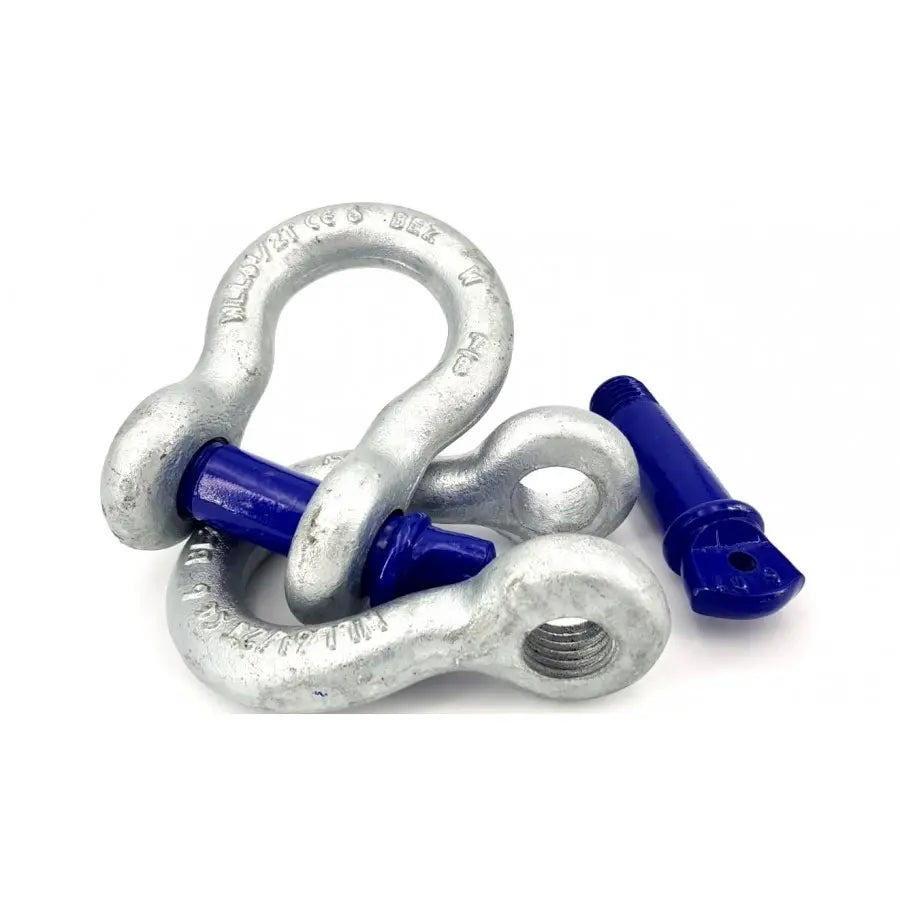
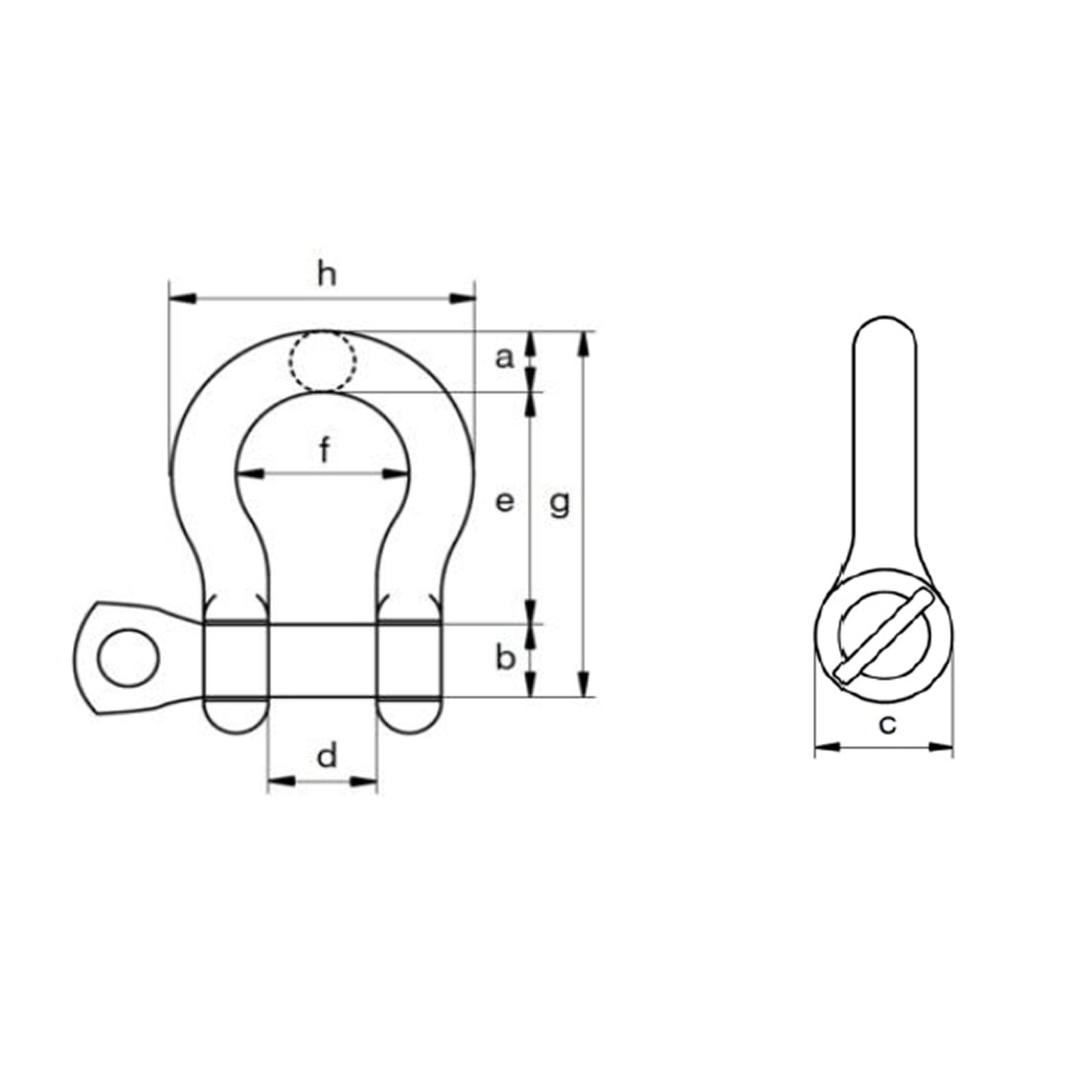
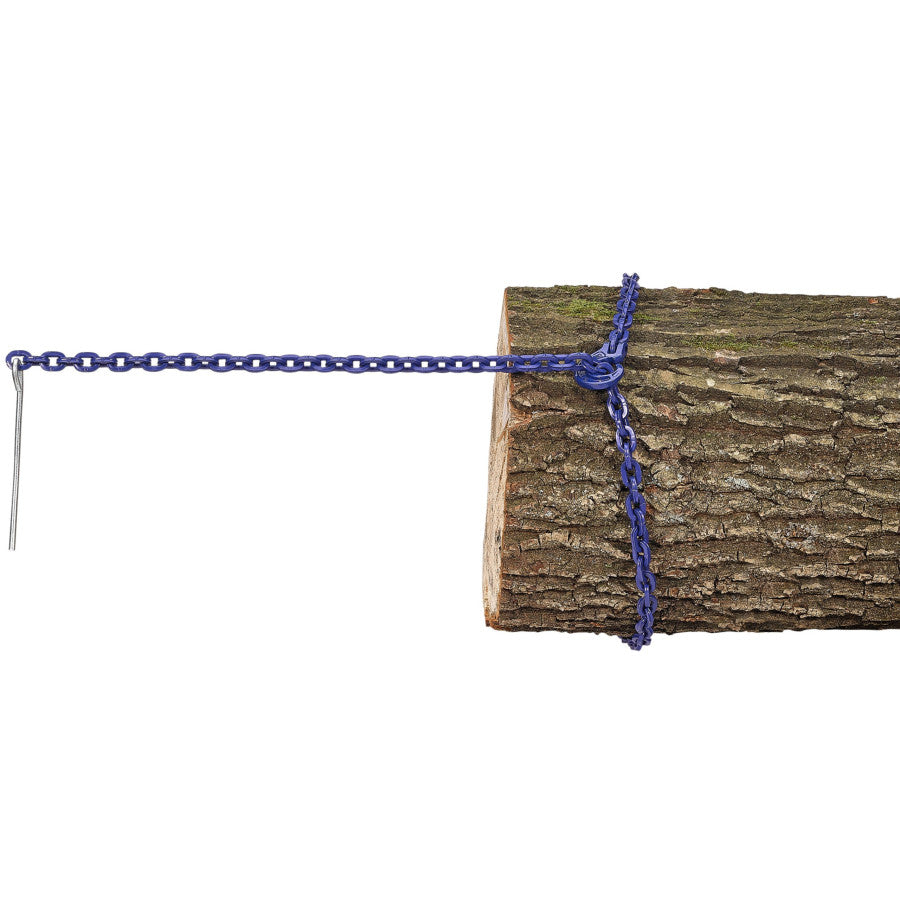
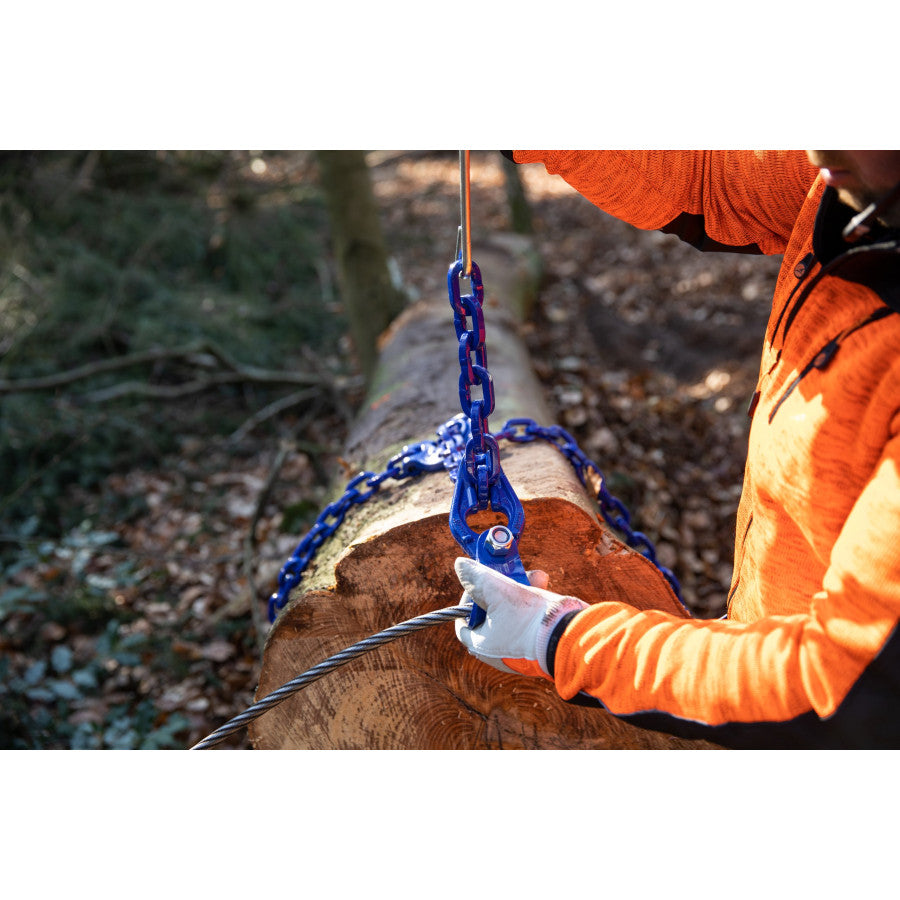
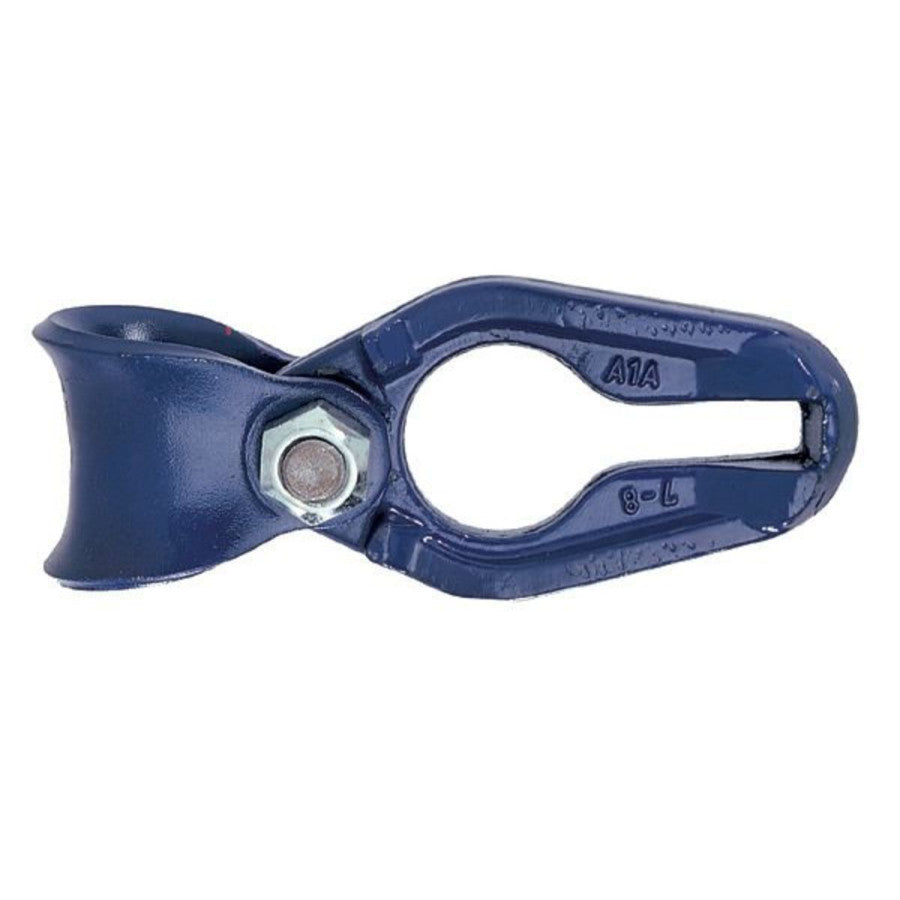
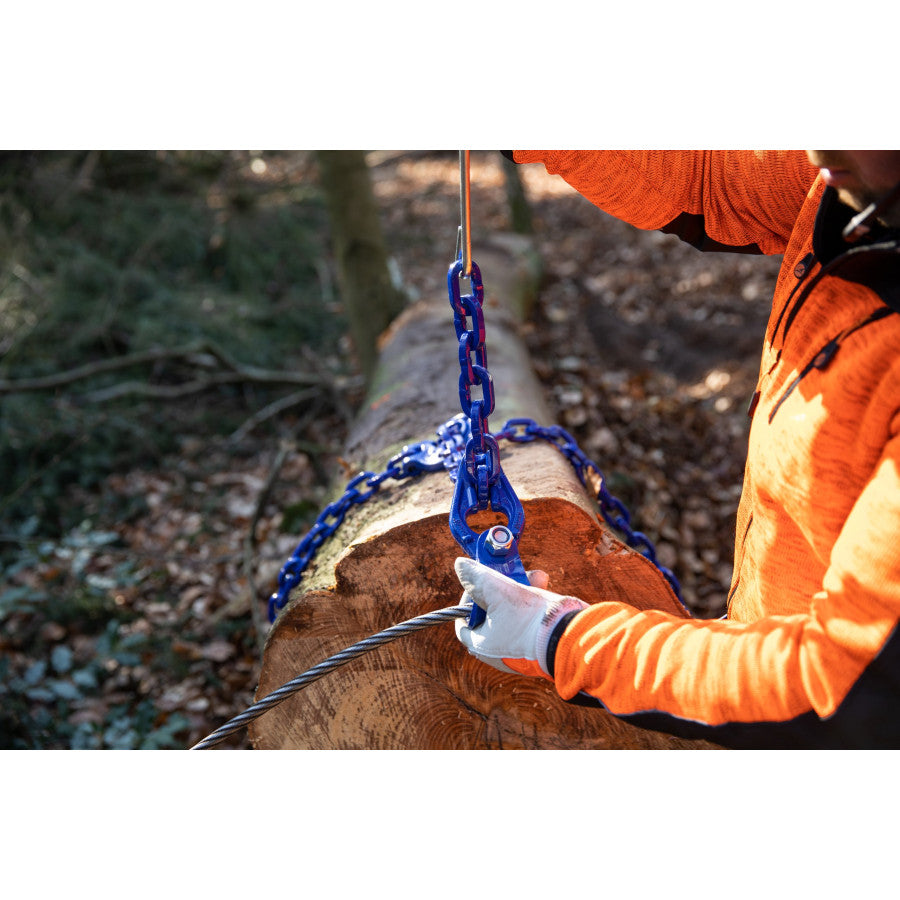
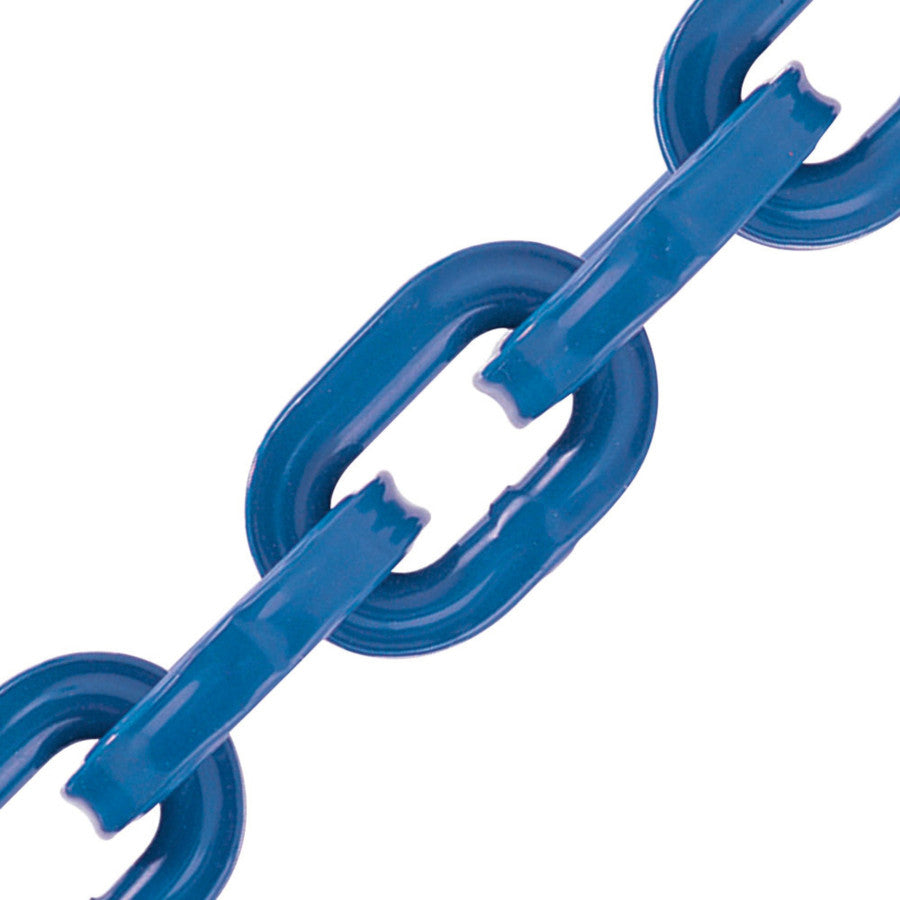
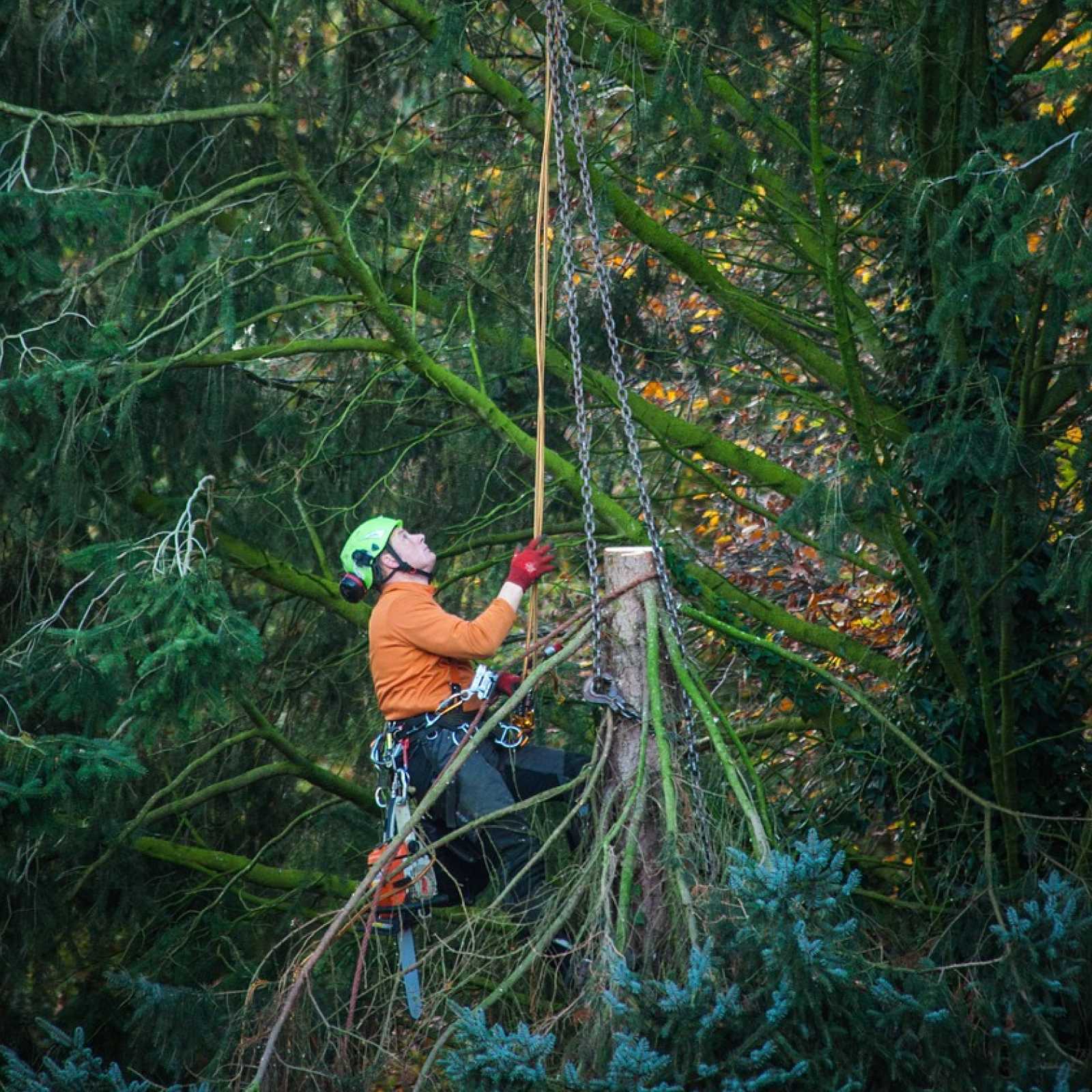
Skidding chains suitable for forestry work are essential for carrying out efficient and safe skidding. They must have high resistance, particularly with specific steels such as grade 80 or 10, and a high breaking load. Choosing the right accessories is equally decisive.
Skidding chain for forestry work
The skidding chain is specifically designed for moving logs and other heavy materials in the forest. It is distinguished by its robustness and its ability to withstand high stress.
Short or long links depend on the type of work being performed:
- Short links provide greater strength and limit the risk of snagging on the ground.
- Long links facilitate handling and quick attachment, but have slightly lower resistance.
The finish of these chains also plays an important role. A galvanized chain is more resistant to corrosion and is well-suited for humid environments. Raw steel chains are strong but require regular maintenance to prevent rust.
What is a skidding chain used for?
A skidding chain is mainly used for pulling logs or tree trunks toward an accessible area. It is used for various jobs: felling, traditional or mechanized skidding, and clearing after a cut.
The chain is attached directly to the log with suitable hooks. It then allows a winch or tractor to pull heavy loads without excessive effort. It is an efficient and simple alternative to steel cables, which require more precautions during use.
In the forest, the chain can also be used to move or straighten fallen or dangerous trees. It offers the possibility of working from a distance, thus avoiding direct risks to forestry workers.
In some cases, chains are used with accessories such as snatch blocks. These accessories increase pulling power while reducing the strain on the chain itself.
Skidding chain for tractors, winches, and forestry machinery
Chains for tractors, winches, or forestry machinery vary according to the equipment's pulling capacity.
For a standard forestry tractor, a chain capable of withstanding several tons is necessary. Generally, a chain with a diameter between 10 and 13 mm is perfectly suitable.
With a mechanical or hydraulic winch, the chain must withstand sudden and repeated tension. Choosing a larger chain diameter ensures better resistance and increased safety. For intensive use, a chain with a diameter of 13 to 16 mm is recommended.
Modern forestry machines, such as forwarders or harvesters, require chains adapted to their high power. Here, grade 10 reinforced steel chains are often preferred, as they offer superior resistance while remaining relatively light and maneuverable.
Also remember to adapt the hooks and rings to the chosen chains. An poorly suited hook weakens the entire system and increases the risk of breakage or accident.
Frequently Asked Questions
Your frequently asked questions for safe and effective use
Housing

Boating
Agriculture

Work and safety

Sports and leisure

DIY and Garden