Products
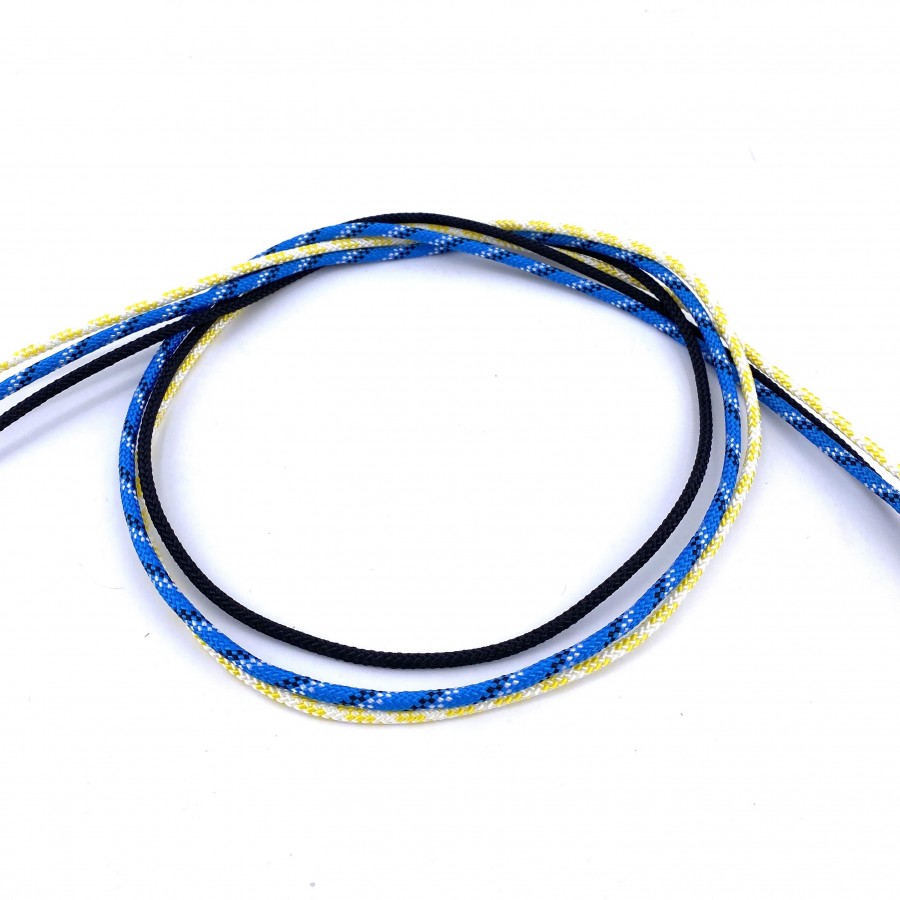
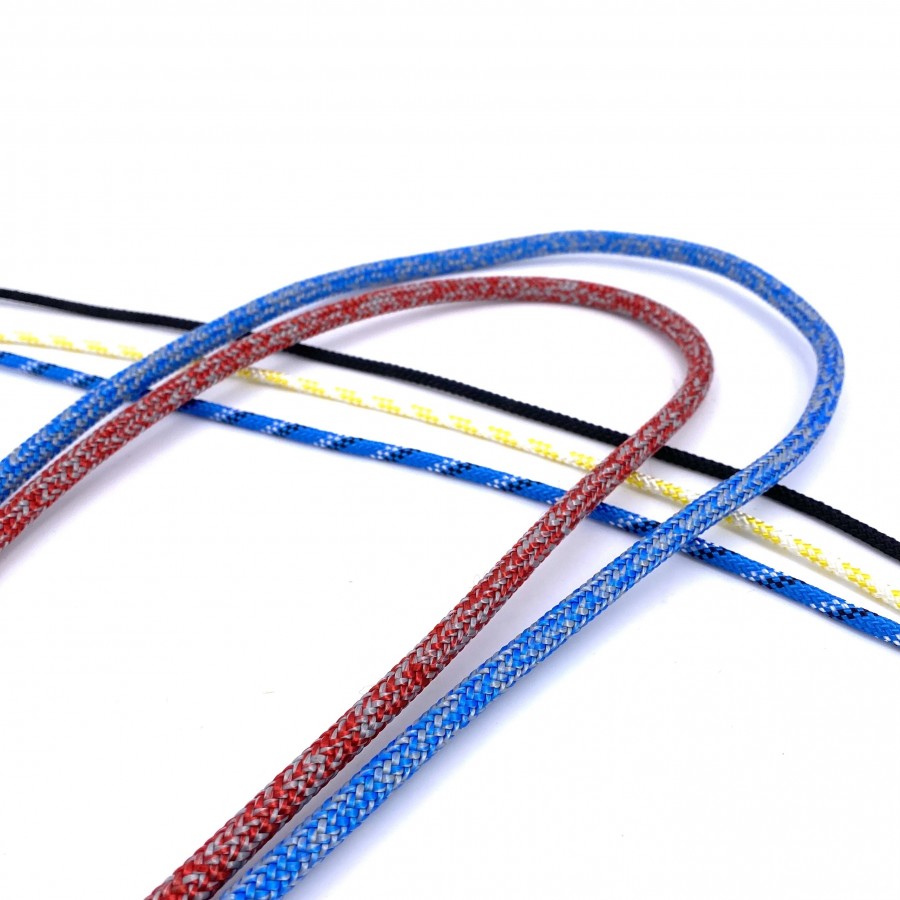
High strength and technicality
Kevlar rope resists high temperatures and does not melt like many other synthetic materials; it will only start to carbonize at around 500°C.
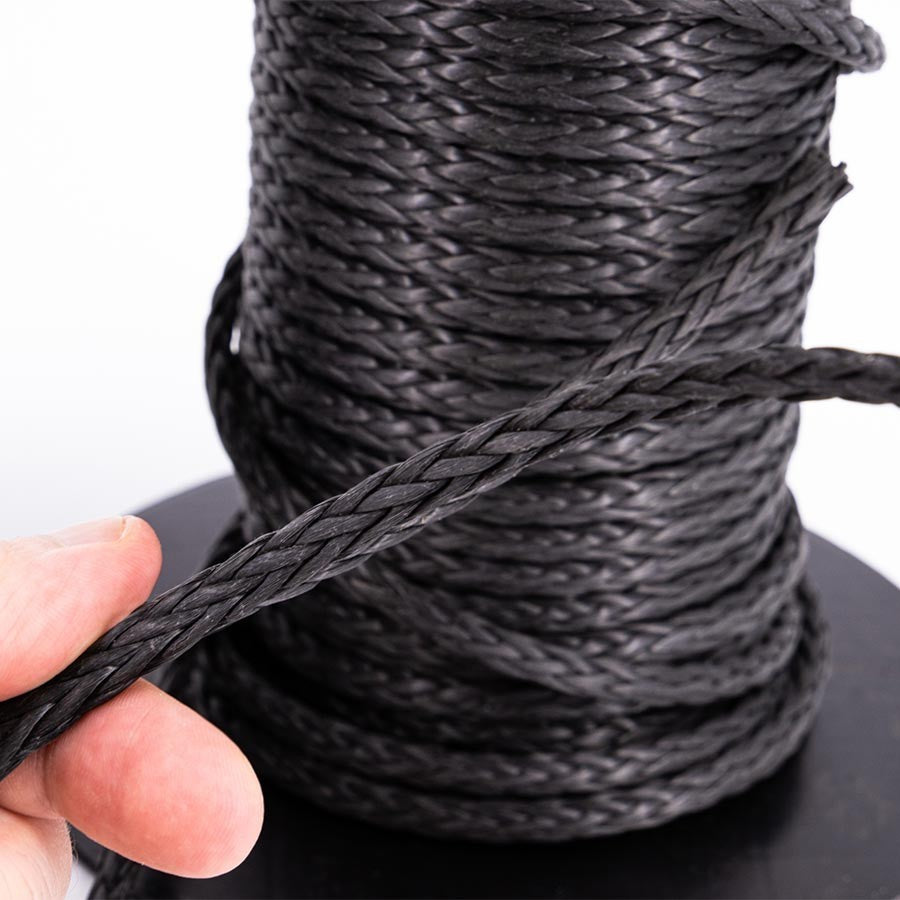
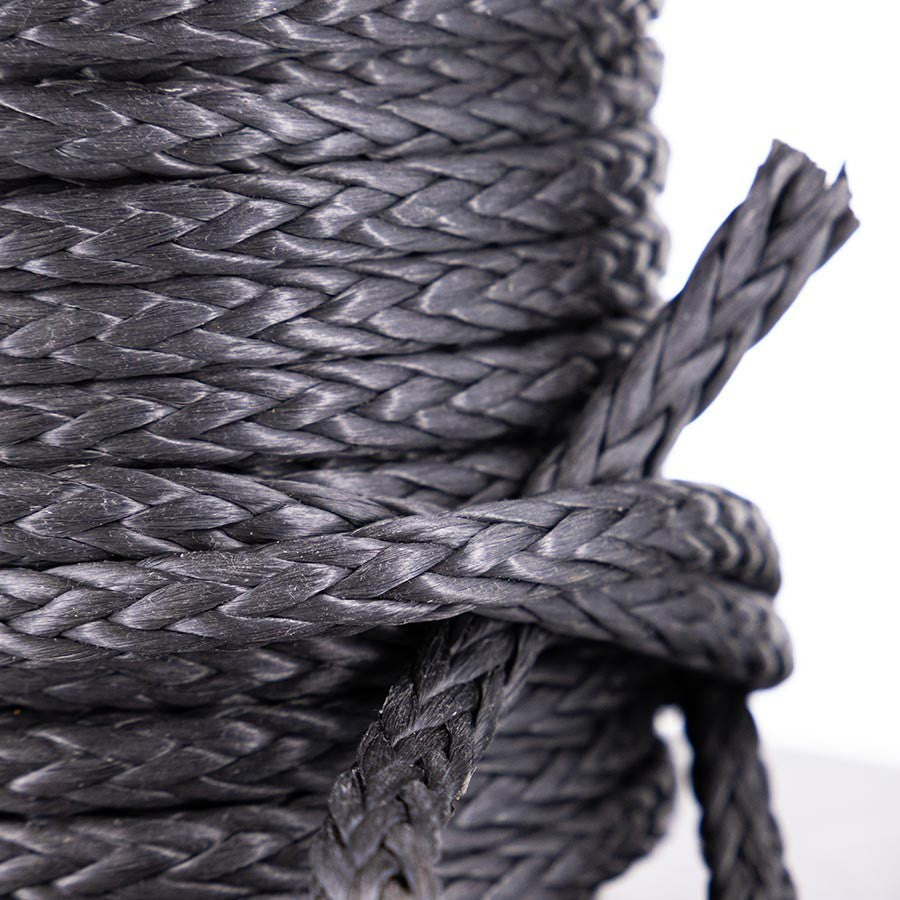
Kevlar ropes have very high breaking strength and are often used as a replacement for steel cables: lighter, more manageable, and resistant to rain.
Braided with polyester, the rope gains very good resistance to abrasion and weathering.
This material also offers high technicality and performance, with a very low elongation rate and excellent tensile strength.
Finally, Kevlar resists cuts and will be less affected than other materials by sharp, metallic corners of certain parts (scrap metal, metal plates, etc.): this fiber is used to manufacture bulletproof vests or anti-cut logger's pants.
However, a pure Kevlar rope will have low UV resistance: for outdoor use, prefer a polyester sheath.
These ropes also do not tolerate knots or bends, which deteriorate the aramid fiber.
This rope is easily identifiable by its yellow color. If it has another color, it means it is woven or sheathed with another material: polyurethane, polyester, etc.
Uses of Kevlar ropes
Aramid cords and ropes can be used for sports equipment, for DIY and home repairs (Velux blind cord, fasteners, etc.).
For leisure, it is popular in climbing as a sling for nuts, although Dyneema rope quickly established itself in this field.
In outdoor activities, aramid fiber is also appreciated for zip lines, mountain hikes, etc.
Due to its high heat resistance, Kevlar rope can be used for fire-related activities, such as juggling with a flaming diabolo (the cord will not melt).
At sea on sailboats and pleasure boats, it can be used as a halyard.
Housing
Boating
Agriculture
Work and safety
Sports and leisure
DIY and Garden