Products
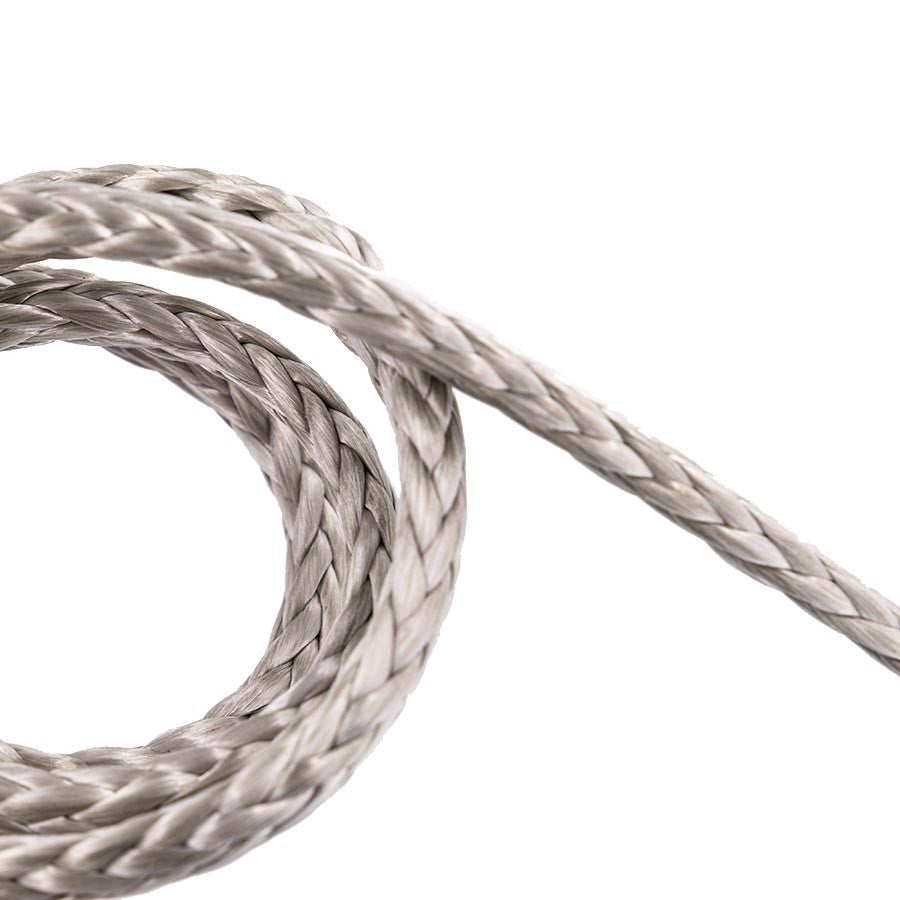
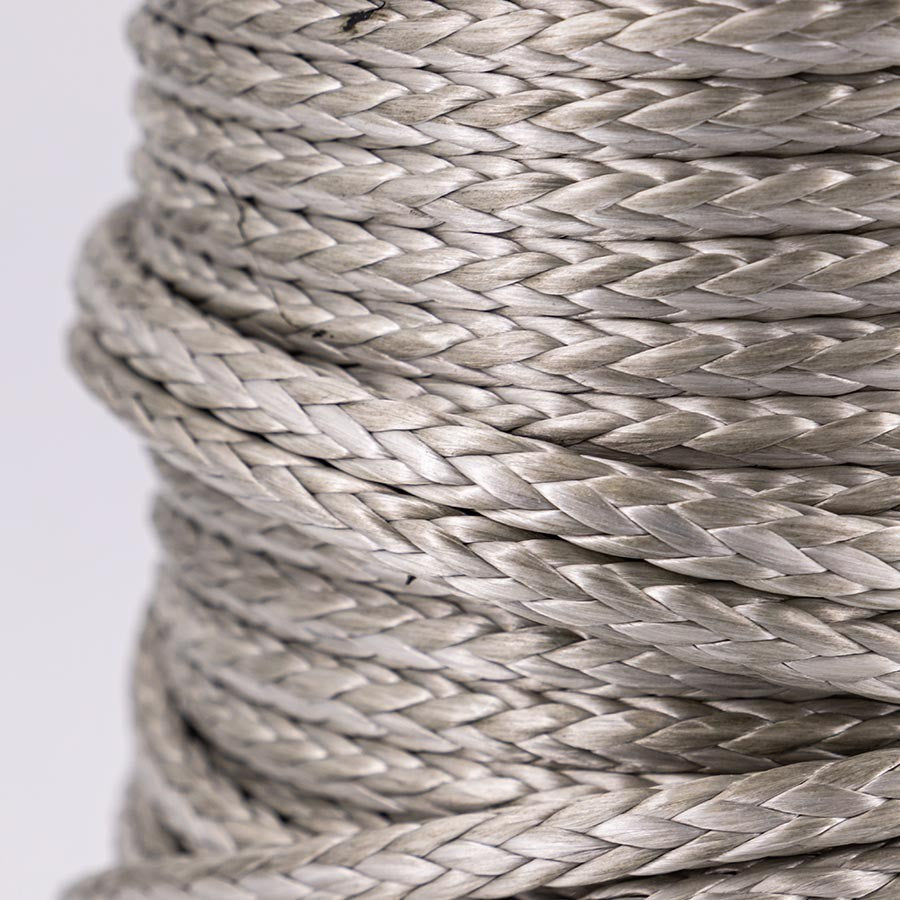
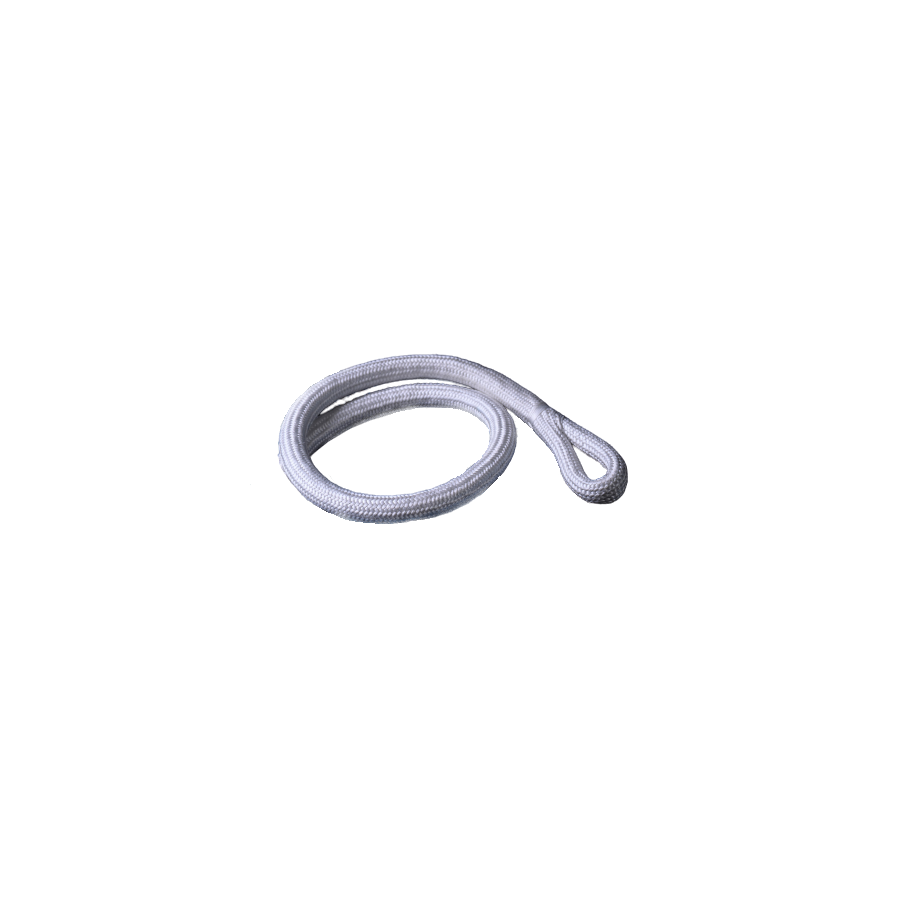
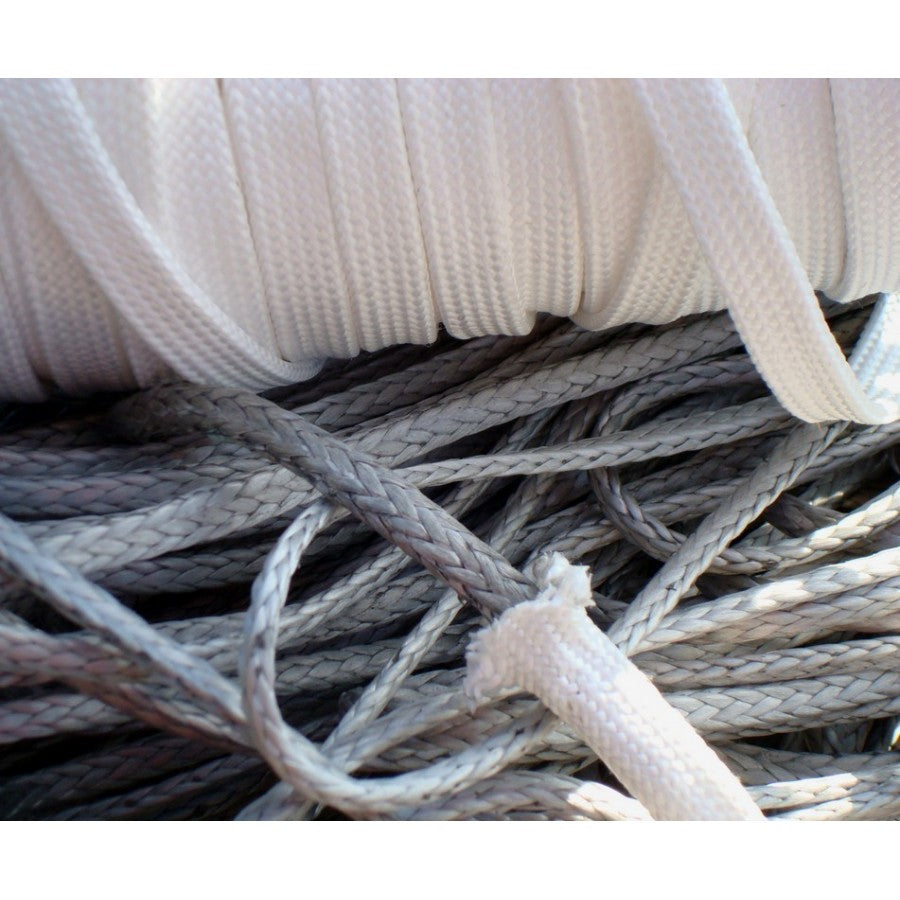
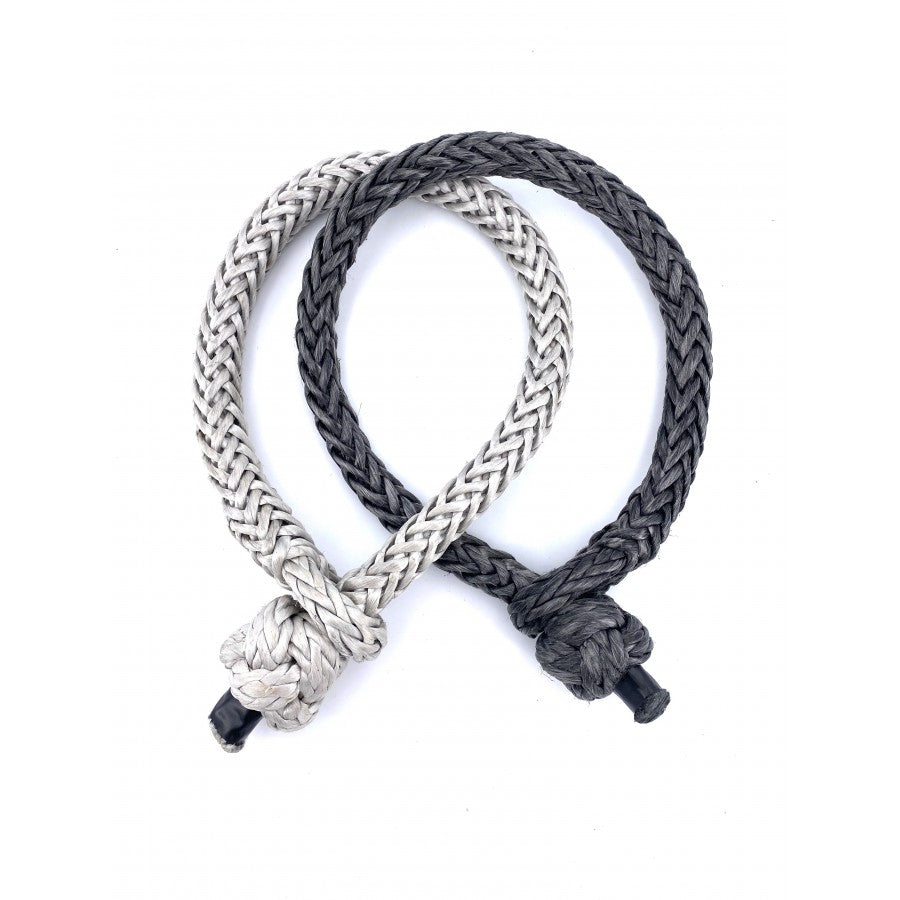
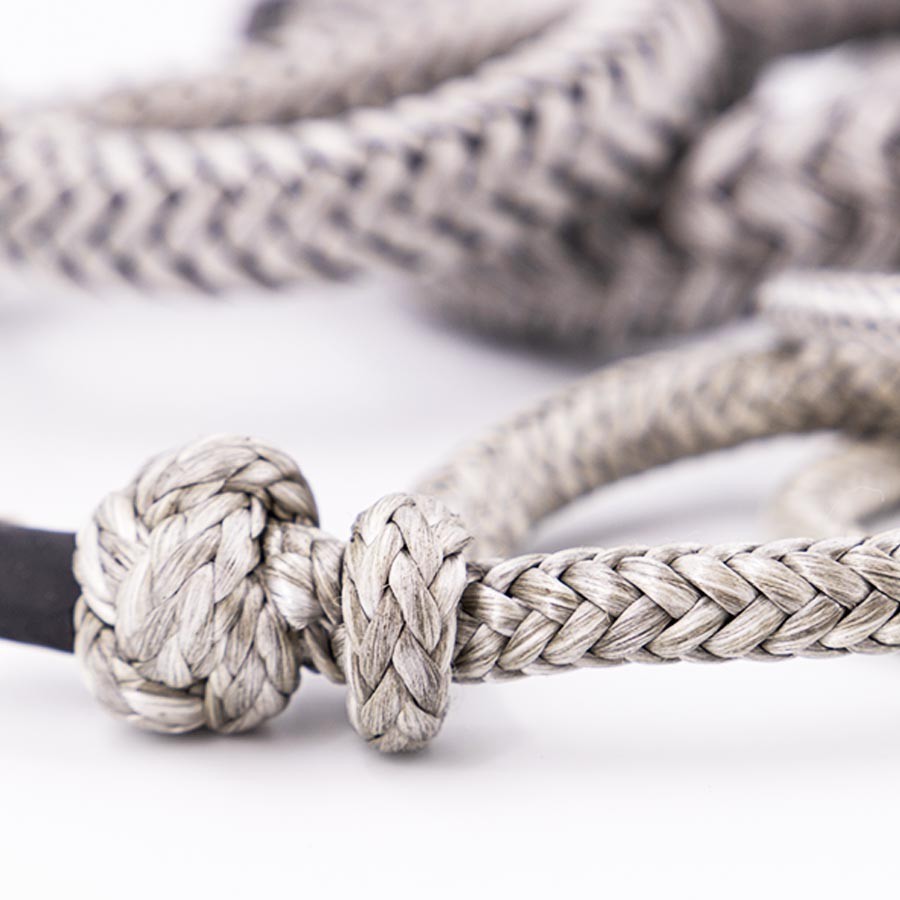
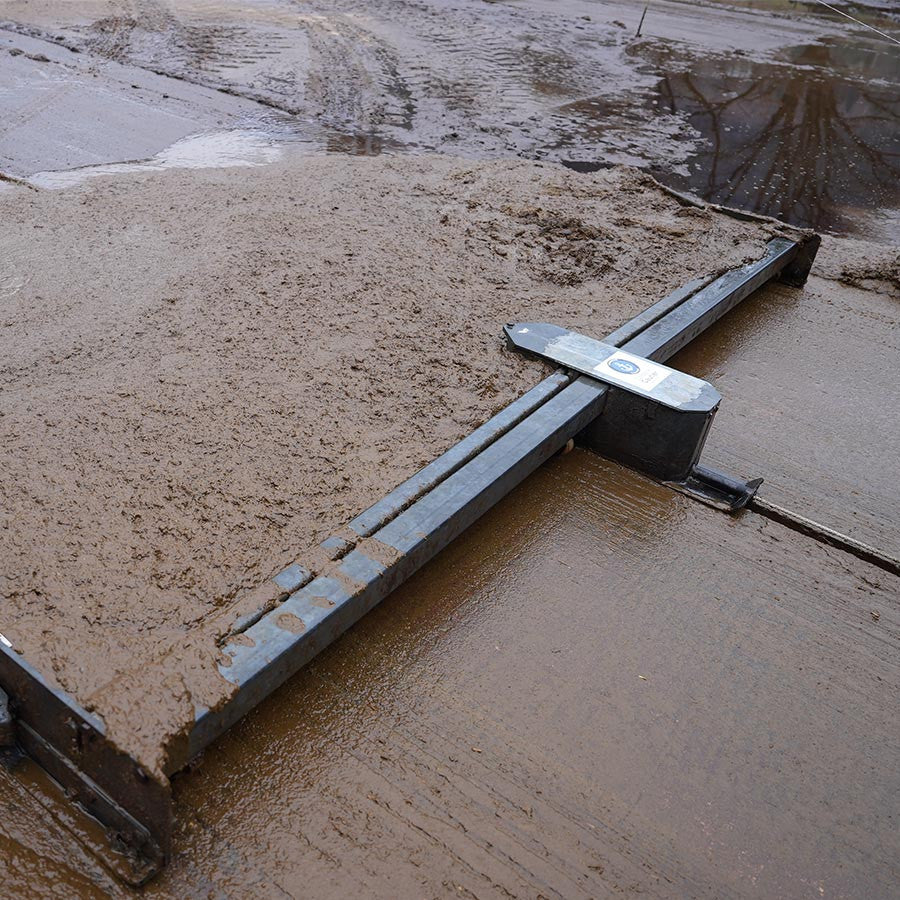
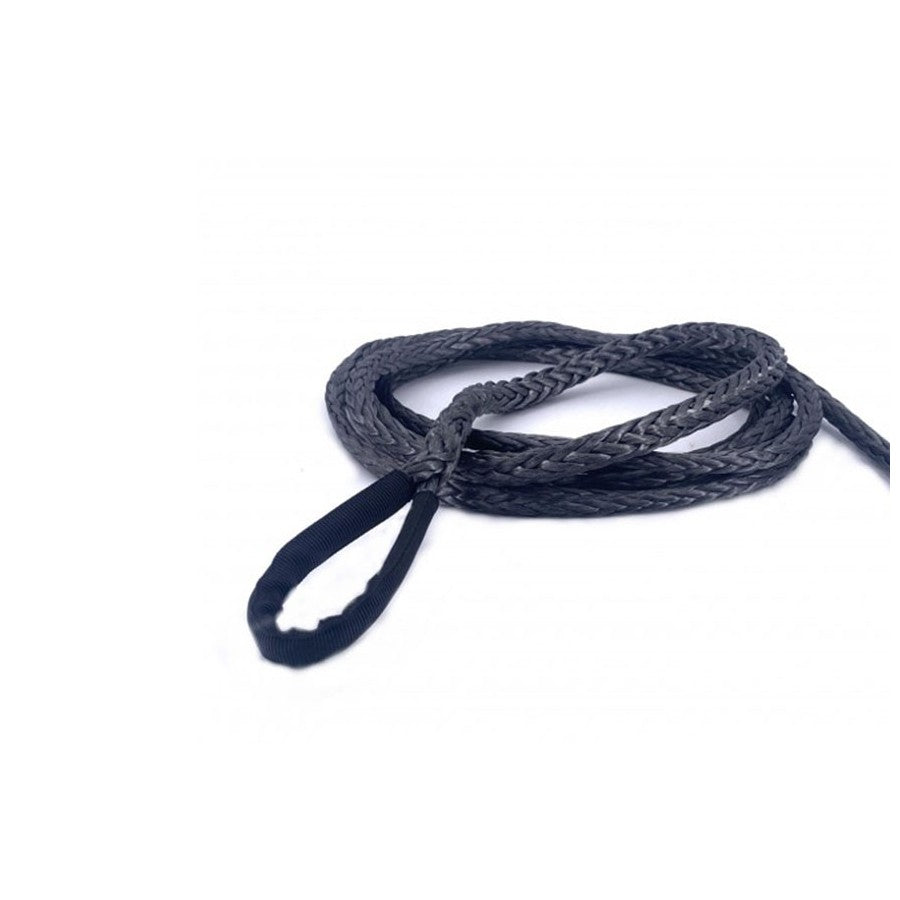
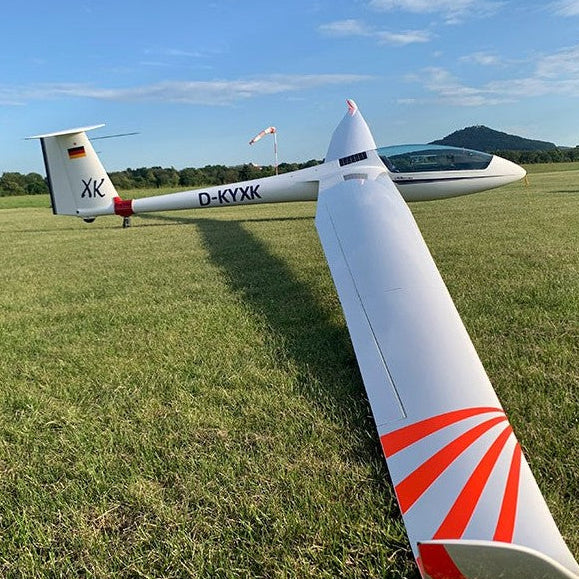
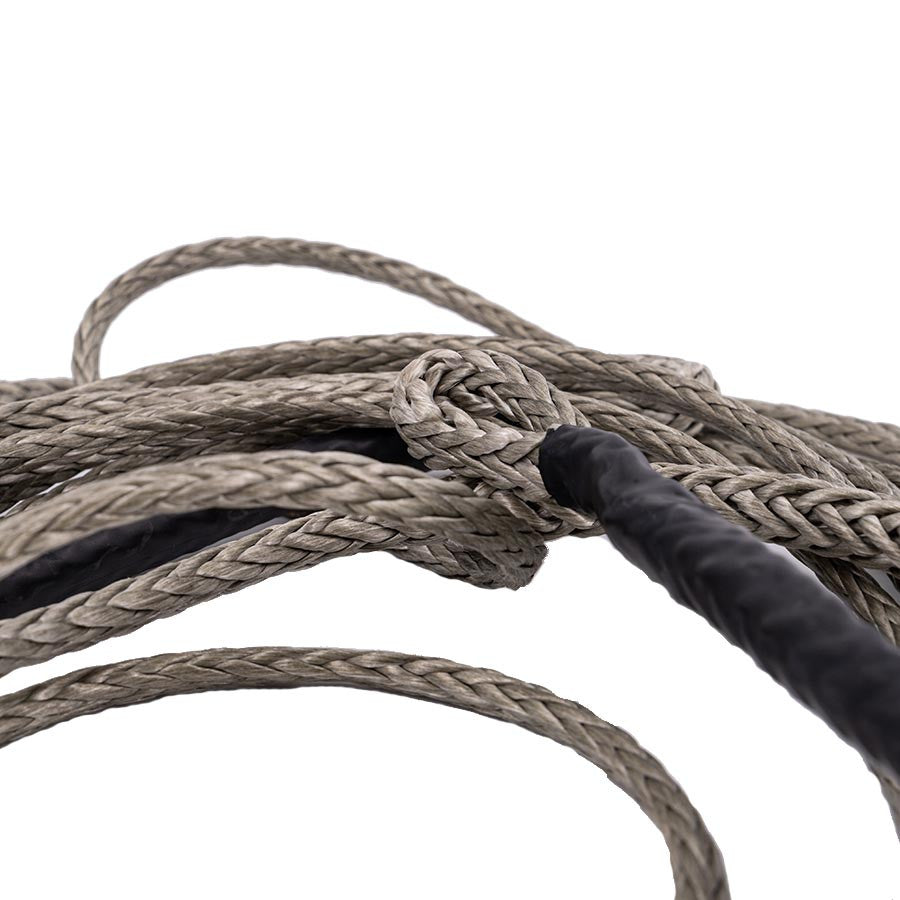
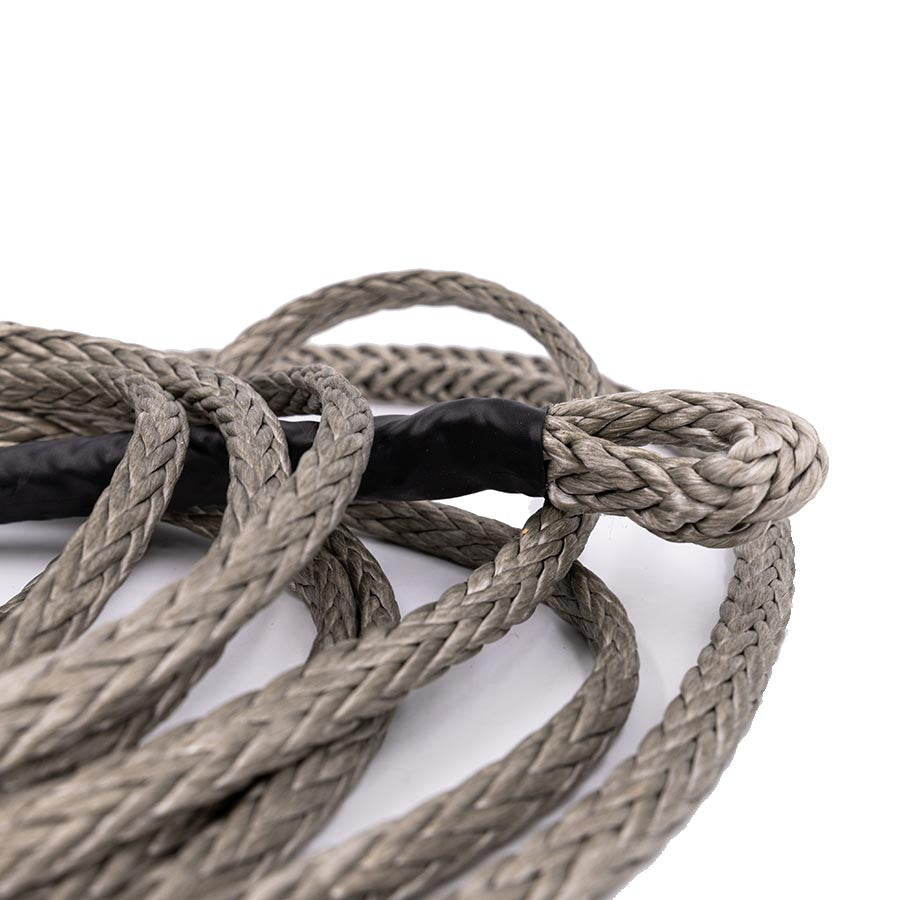
Dyneema or Spectra Ropes - HMPE / UHMWPE
Dyneema ropes are lighter than other textile fibers: 30 to 40% lighter than aramid and 50% lighter than polyester, at equal working load.
Resistant to torsion and abrasion, such a rope has a long lifespan: a highly reliable product.
Dyneema is very resistant to UV and saltwater, and has very low elongation: <1%, while polyester will have an average elongation rate of 4 to 7%. An ideal marine rope.
From UHMWPE material to brand
Behind the commercial names lie sometimes complex technical acronyms. The original scientific term is UHMWPE (or UHMW), for Ultra High Molecular Weight Polyethylene. In French, it is translated as polyéthylène de masse molaire très élevée, abbreviated UHMPE, which is a high-density polyethylene.
Although this material has been used since the 1950s in advanced sectors such as medical, automotive, and ballistics, its application in sailing revolutionized the market in the 1970s. It was the Dutch company DSM that popularized this fiber under the brand name Dyneema®, creating a rope with exceptional properties for navigation.
Today, although more expensive than polyester, Dyneema has become essential for the manufacture of high-performance halyards and sheets. There is also an American equivalent produced by Honeywell under the name Spectra®.
Whether one or the other, the basis remains the same: an UHMWPE (or HMPE) fiber with extraordinary breaking strength and lightness.
Dyneema halyards and sheets
To quickly and efficiently maneuver sails at sea aboard a multihull, sailors look for halyards and sheets with the lowest possible elongation.
To maximize performance, these running rigging lines must be as static as possible. This avoids having to take up too much rope on the winches, thus saving strength and time, which is essential during regattas.
Given the very low elongation of HMPE ropes, <1%, it is easier to understand why they quickly became a benchmark in sailing and why the Dyneema brand has naturally become embedded in the language of sailors.
It's like calling roof windows velux, or refrigerators frigo, and so many other examples.
For a sailor, a Dyneema halyard guarantees performance and reliability.
And it's still easier than ordering a "Polyéthylène de Masse Molaire Très Elevée" (Ultra High Molecular Weight Polyethylene)...
Dyneema overbraiding: anti-wear protection
Corderie Gautier offers Dyneema overbraids to protect your ropes at the most exposed friction points.
Chafing (repeated rubbing) is the primary cause of wear and tear on your ropes; thanks to its excellent coefficient of friction, UHMWPE resists it perfectly. Adding an overbraid doubles the protection of the core and significantly increases the lifespan of your halyards.
Not to be used on running rigging that, on the contrary, must be securely held in clutches.
The alternative to wire rope
The very high breaking strength of this rope coupled with its lightness and maneuverability quickly made it a very good alternative to steel cables.
Thus, an HMPE rope can be used for handling operations, but this also explains its success in the entertainment industry for lifting heavy loads.
Dyneema for outdoor activities and recreation
Dyneema type ropes are also very popular for outdoor activities: camping, trekking, bushcraft... Both lightweight and ultra-resistant, these ropes meet the varied needs of athletes and nature lovers who seek reliable and compact equipment.
Housing
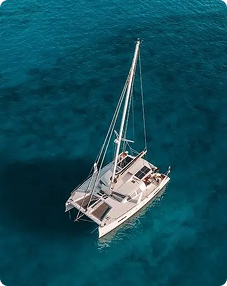
Boating
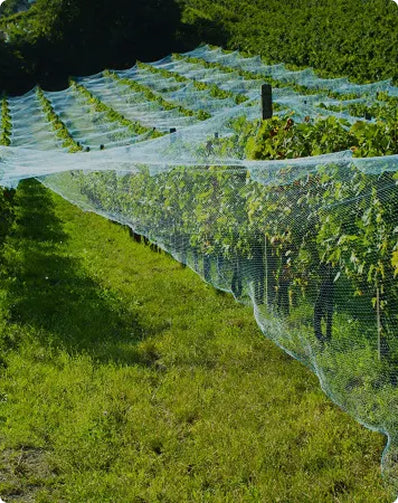
Agriculture
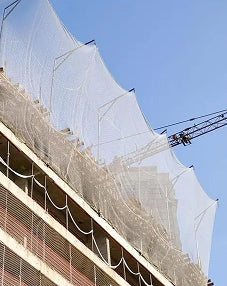
Work and safety
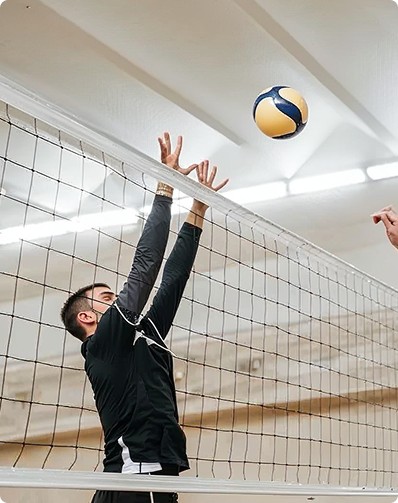
Sports and leisure
DIY and Garden