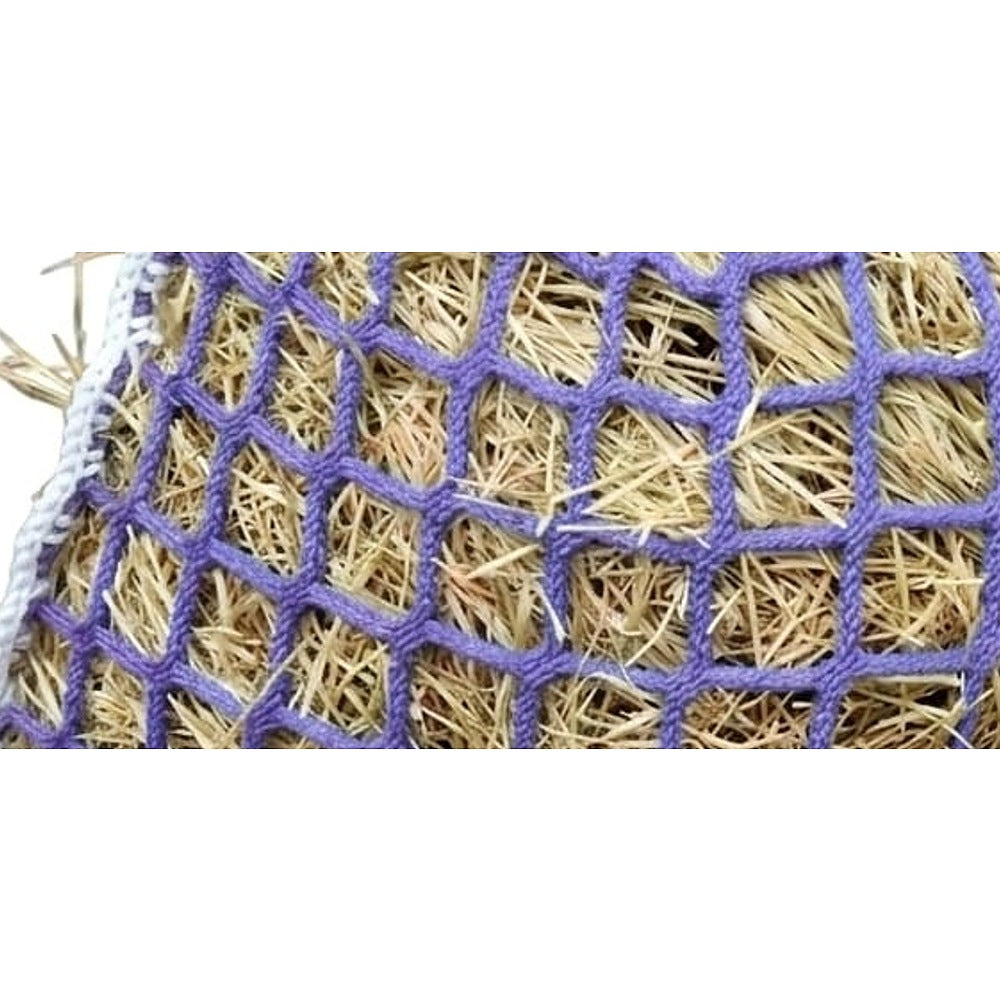
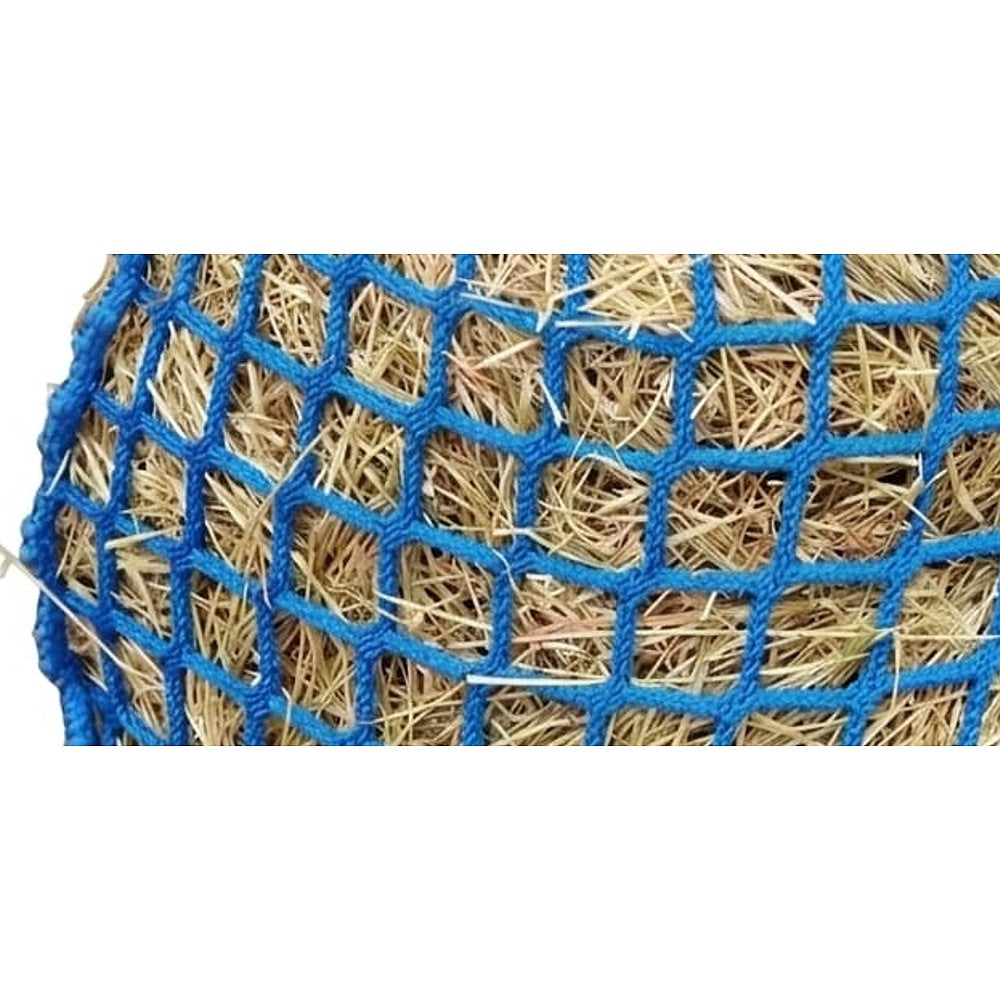
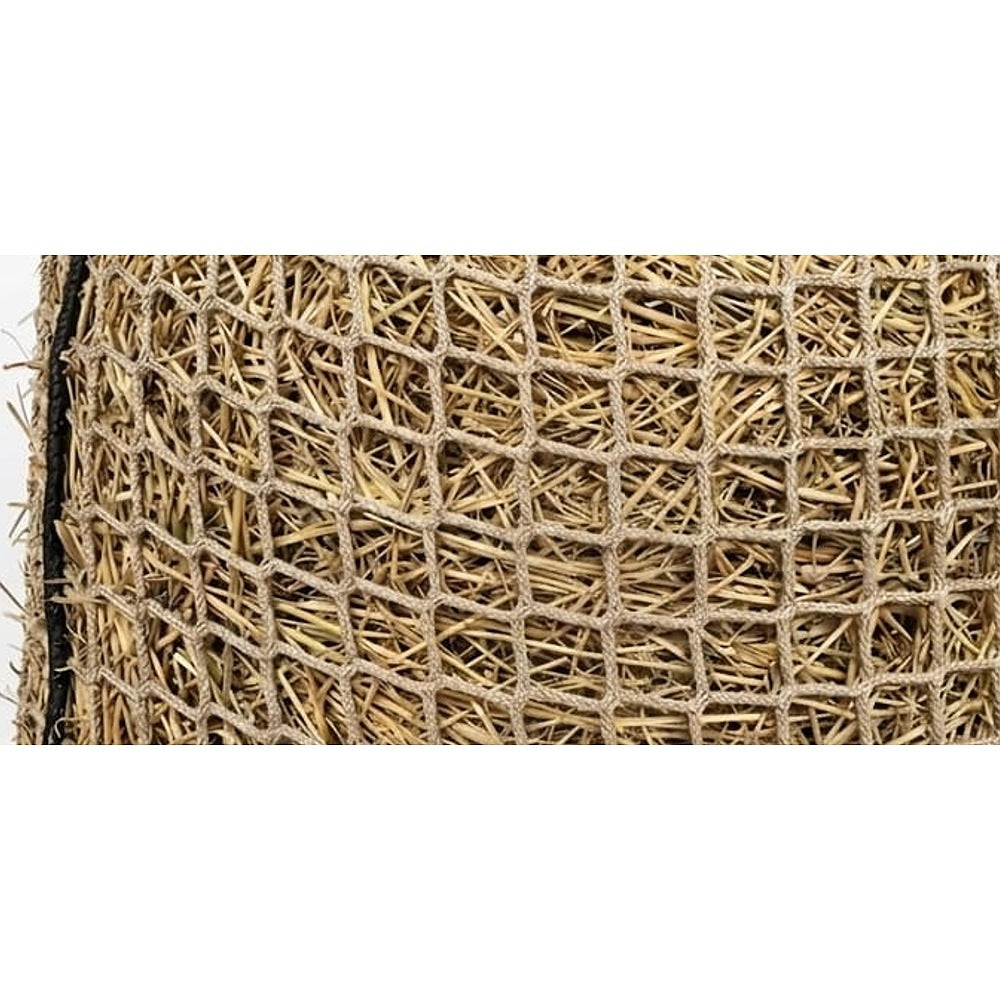
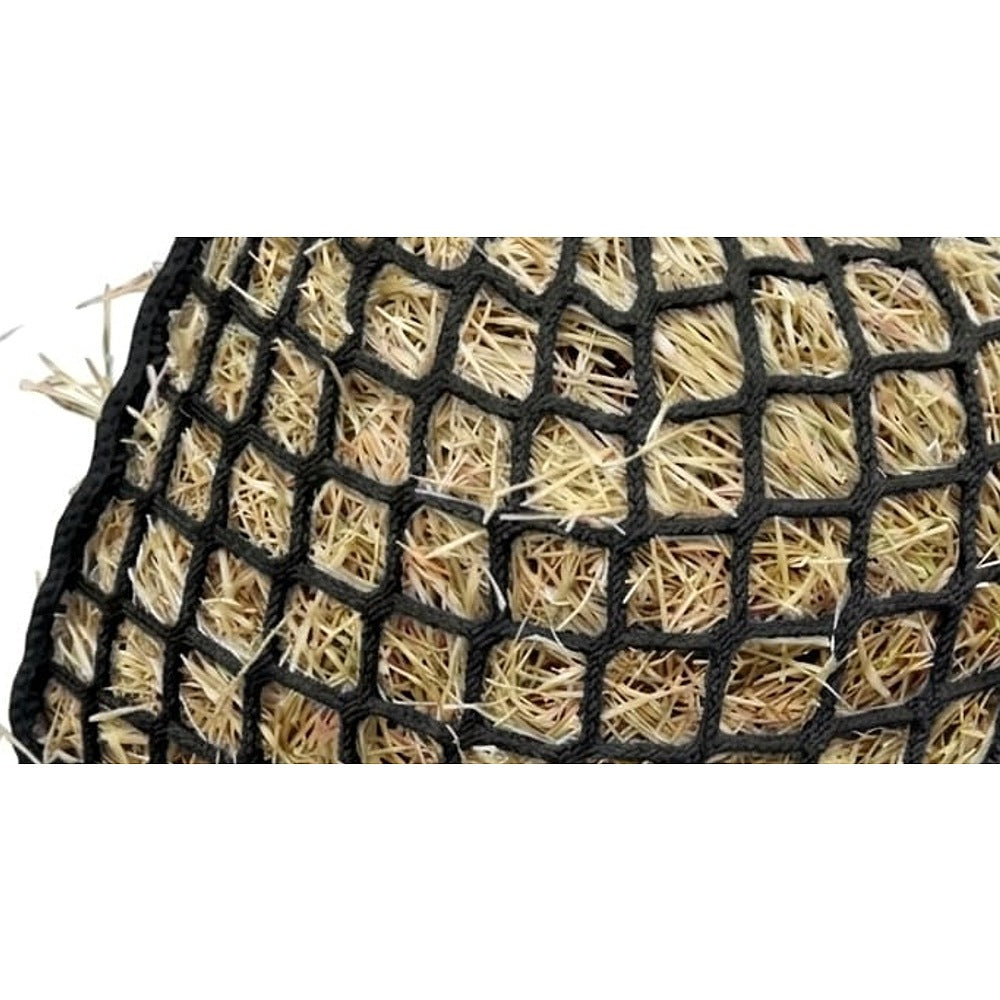
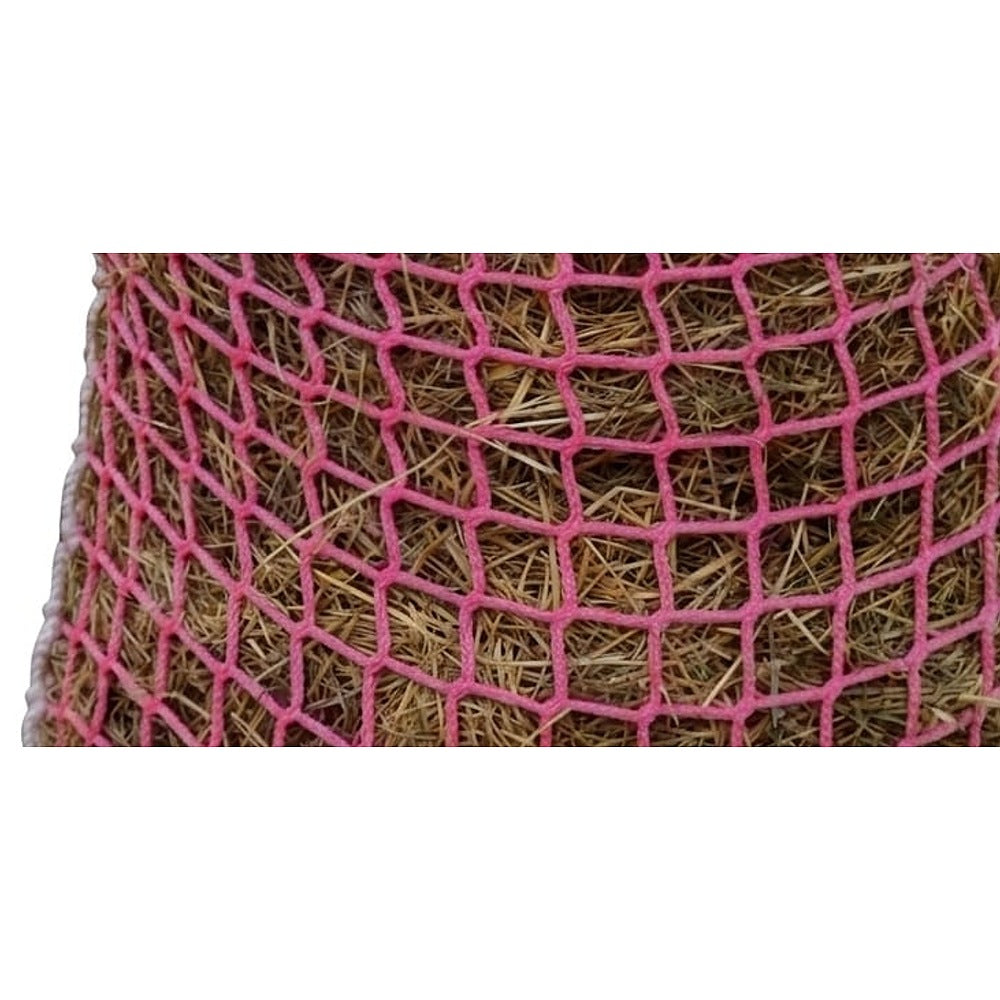
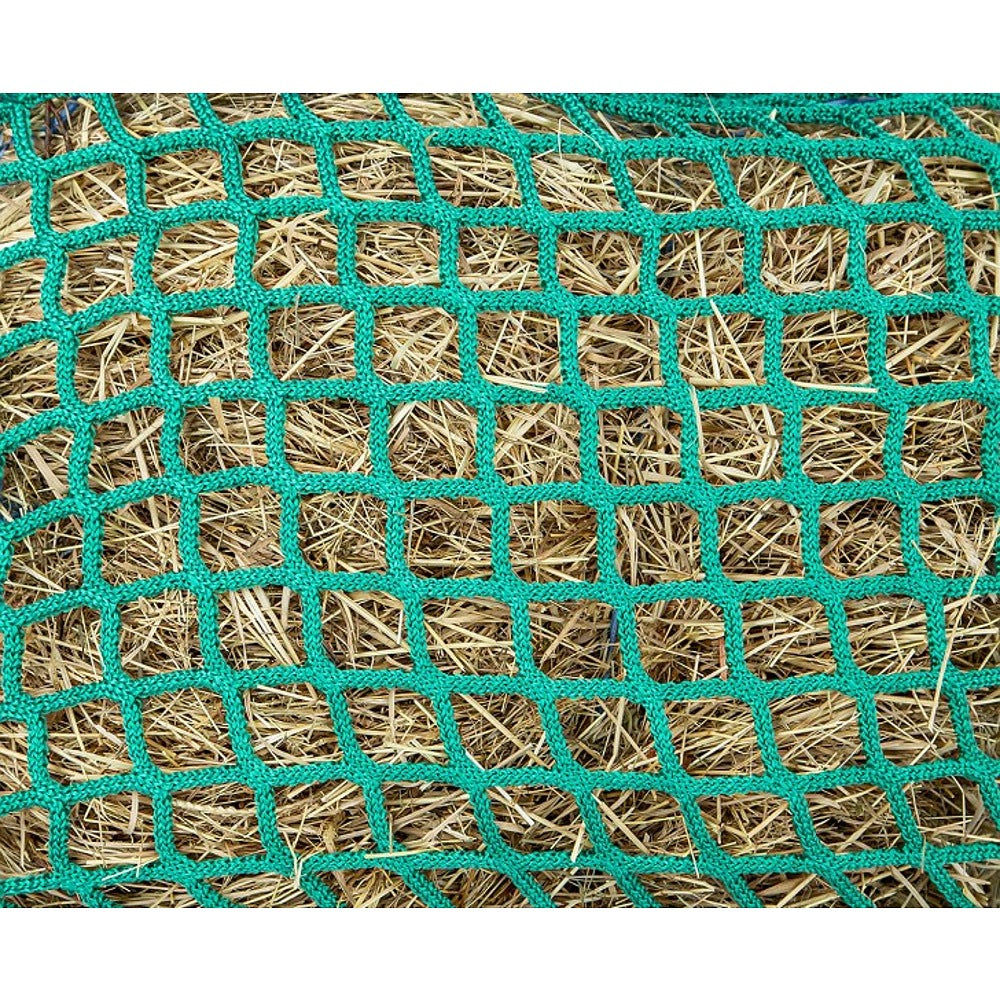
Round bale hay net
Free shipping on orders over 250€
for delivery in Metropolitan France
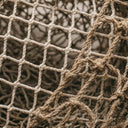
- Knotless braided mesh
- Mesh size: 30, 38, 45, 60, 80, 100 mm
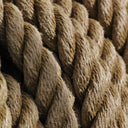
- 5 cm diameter twine
- Overlock stitching around the entire perimeter of the net for reinforcement
- Weather-resistant, rot-proof
Round bale hay net
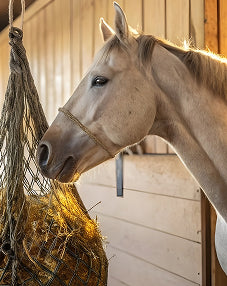
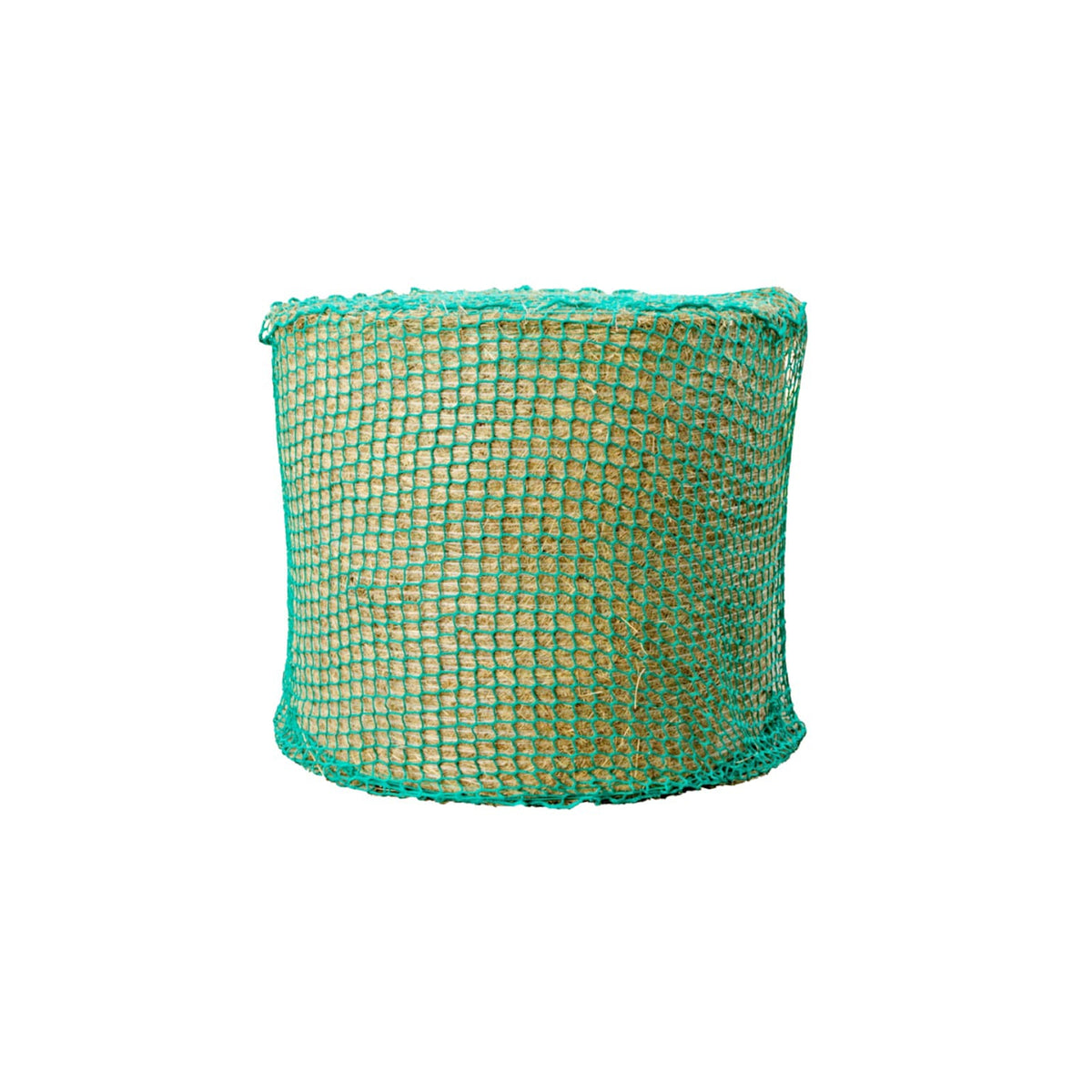
The round bale hay net slips easily around a large hay bale to feed horses while limiting waste.
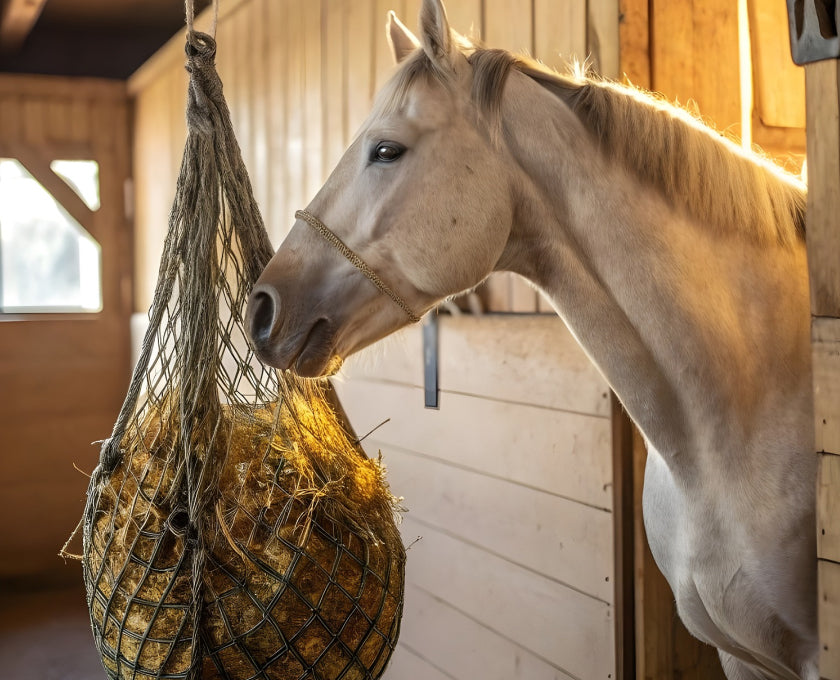
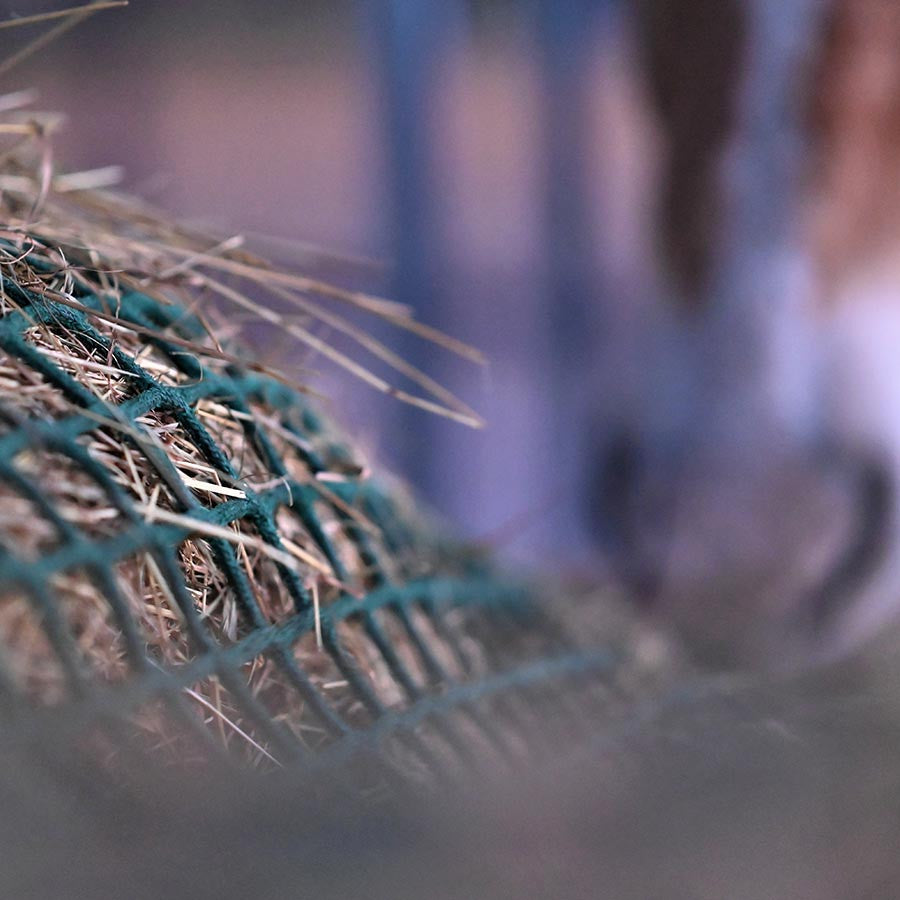
The hay net is a very good slow feeder: with its tight mesh, it slows down the rate of food intake (slow feeding), which is very good for the health and well-being of horses.
Since the hay bale is compressed, this further increases the intensity of slow feeding.
The net slips like a sock around the hay bale, which can then be hung, placed directly on the ground, or put in a feeder.
You can feed your horses in the stable or in the pasture with a hay bale stored in a net.
Several sizes of round baler hay nets are available to suit your needs.
What size round bale hay net should you choose?
As a general rule, the net should be 30 cm wider than the hay bale to make it easy to put on.
If the bale is poorly compressed, then the net must be at least 40 cm wider.
Most hay bales have a diameter of 122 cm and a length of 122 cm.
Custom-made round bale hay net
Do you need a round baler hay net of particular dimensions? For very large hay bales, for example?
Contact us and ask for a free and quick quote, we manufacture your net to measure.
Instructions for using the round baler hay net
Installation technique 1
Lay the open net on the ground.
Place the hay bale on it, then pull the net up to put it on the bale.
Installation technique 2
Another possibility: slip the hay net over the round bale, then tie the bottom.
Preventing injuries
To avoid the risk of injuries to horses, such as a hoof or horseshoe getting caught in the mesh, do not place a net with 100 mm mesh on the ground.
It is preferable to hang the hay bale or use a feeder.
Limiting waste
The round baler hay net is not afraid of humidity or rain, but forage is.
To limit forage waste, do not place the bale in direct contact with wet ground or soil (especially in winter and when it rains). Elevate the hay bale with a feeder, wooden pallets, etc.
Adjust the mesh size of your round bale hay net
Housing

Boating
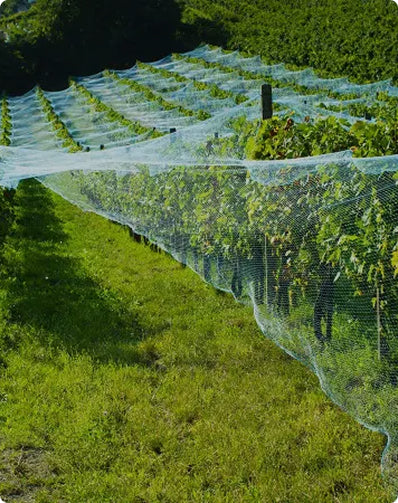
Agriculture
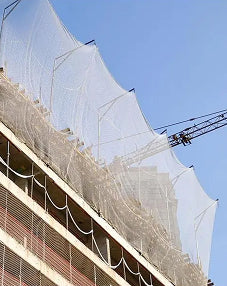
Work and safety
Sports & Leisure
DIY and Garden