
Products
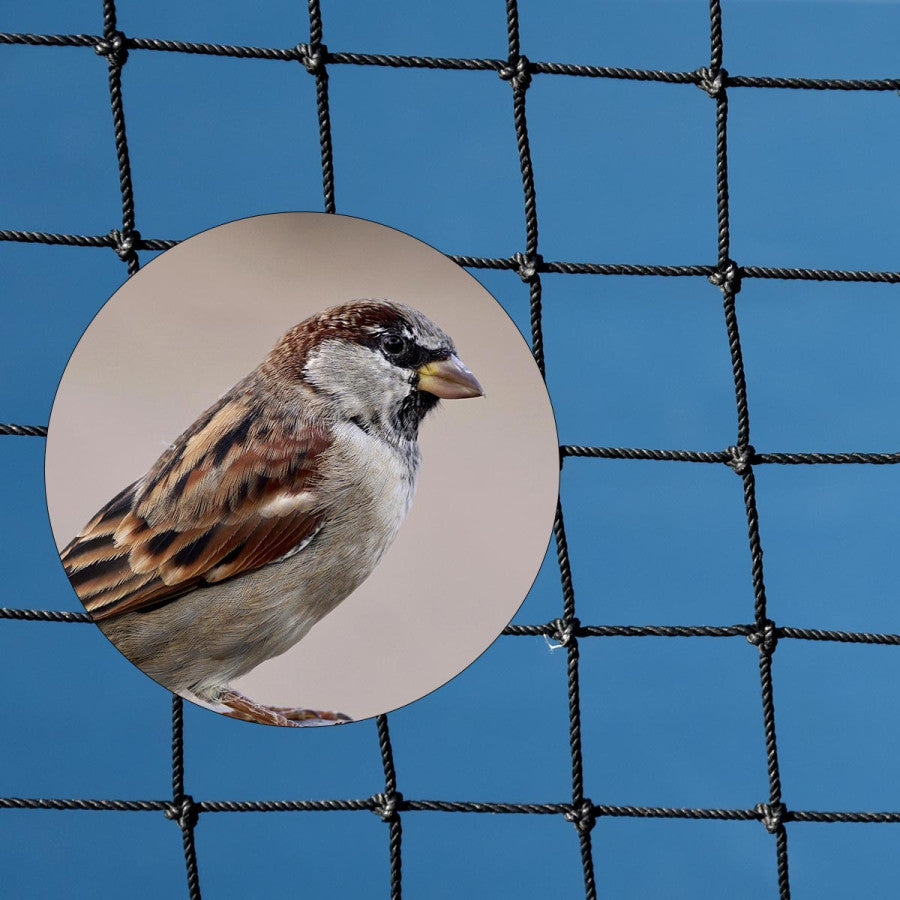
Bird netting: protection for fruit trees, vegetables, and seedlings
Protect your crops and fruits from birds with our nets.
Easy to install, water and UV resistant, they will effectively protect your harvests.
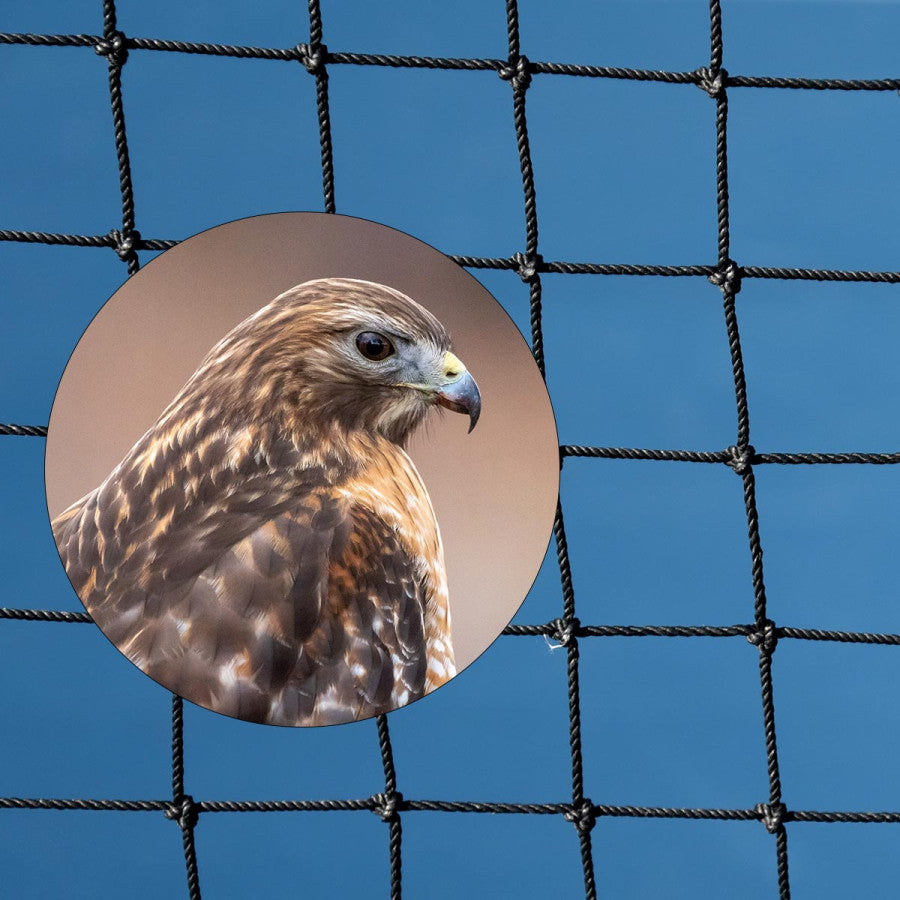
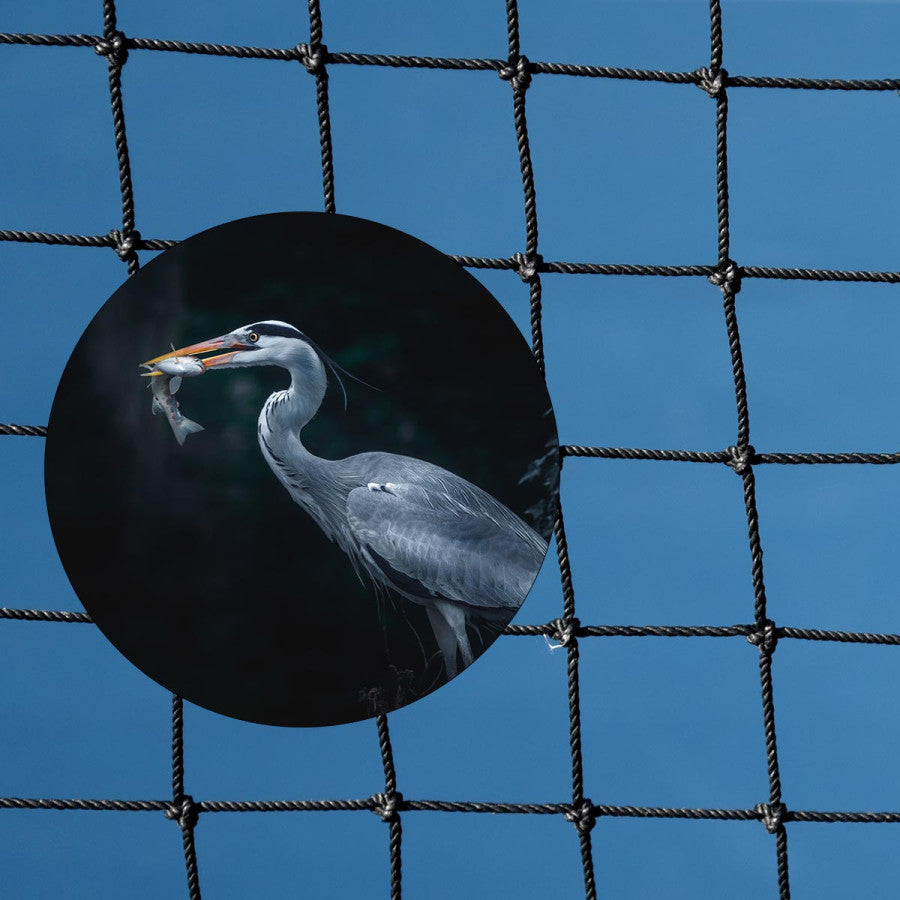
Throughout the year, from the sowing period to the harvest of ripe fruits, different species of birds feed on seeds, vegetables, or fruits and can devour your crops.
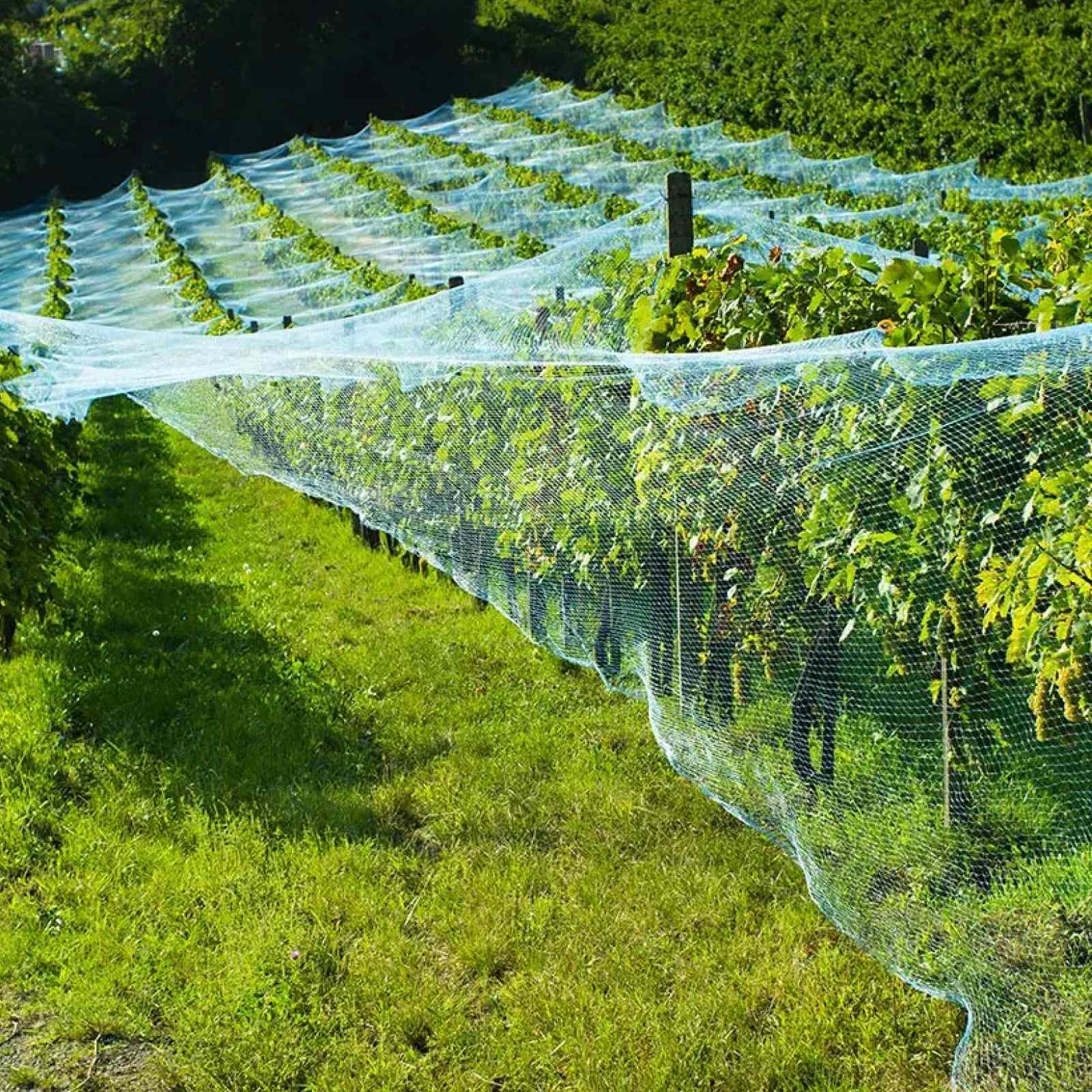
Bird netting is a practical and very effective way to protect harvests, without using potentially disturbing scarecrows or chemical products.
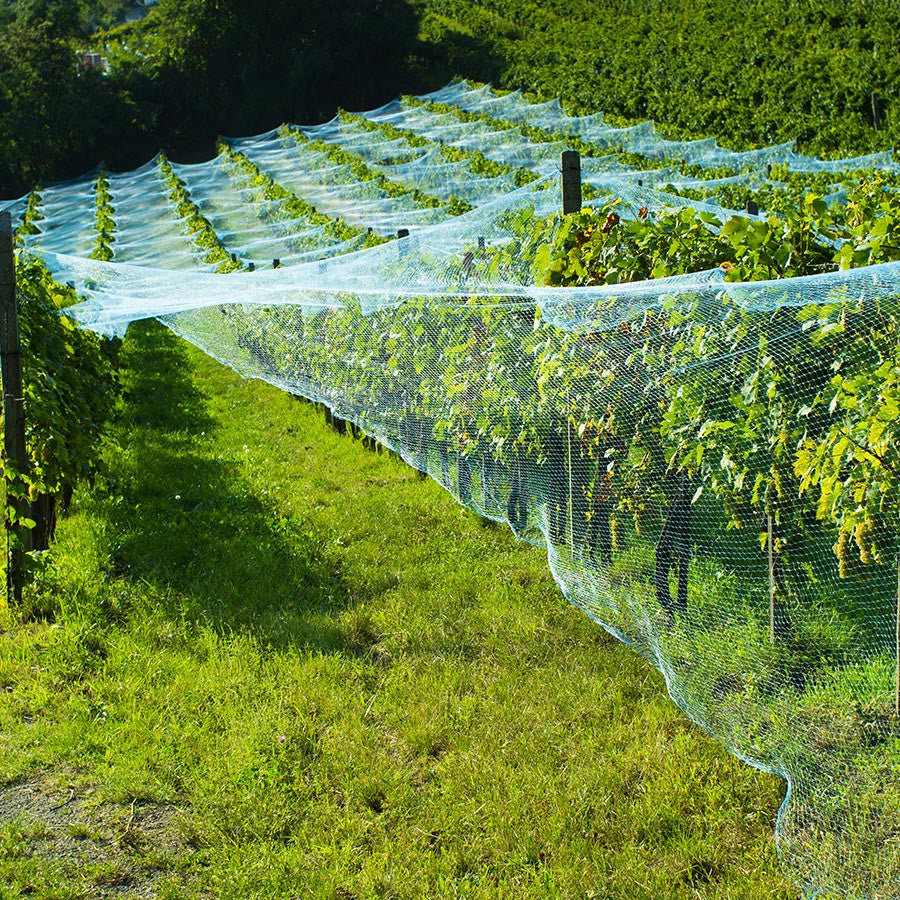
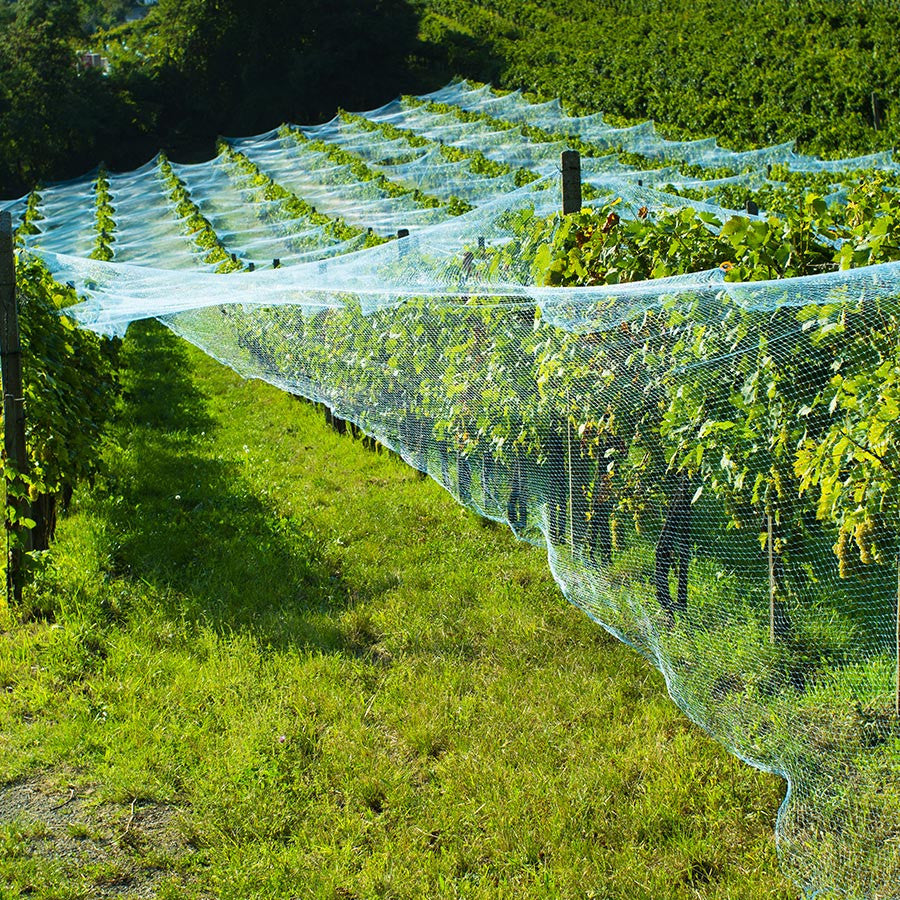
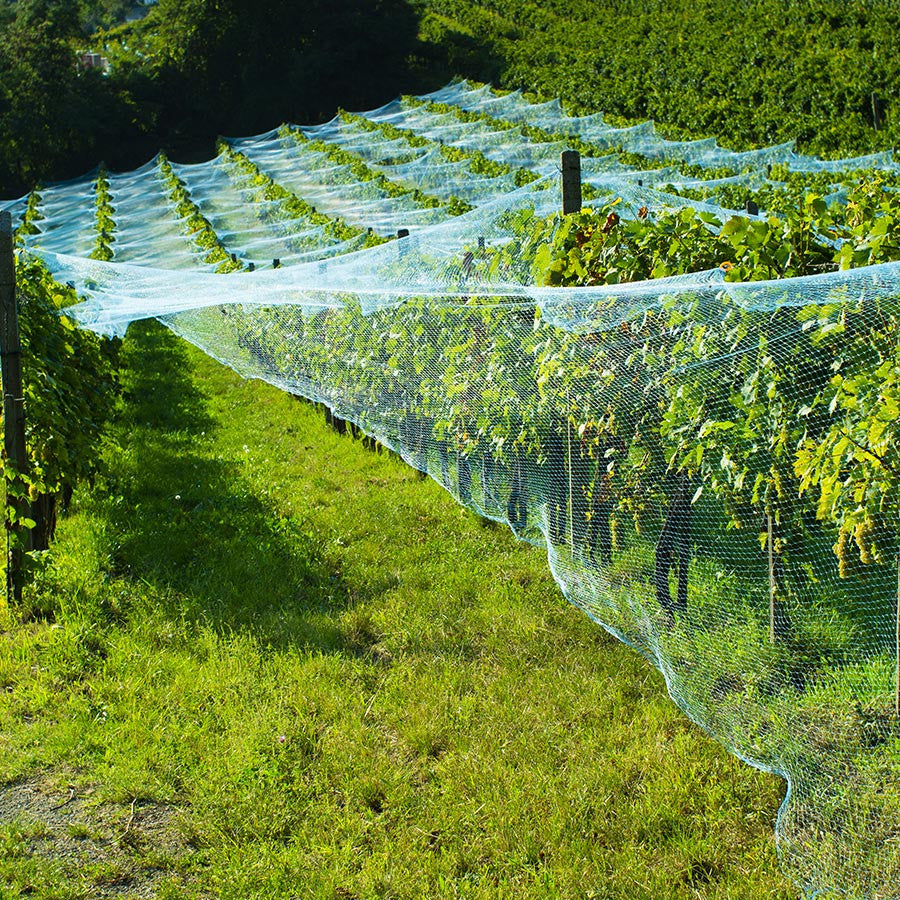
Netting for orchards
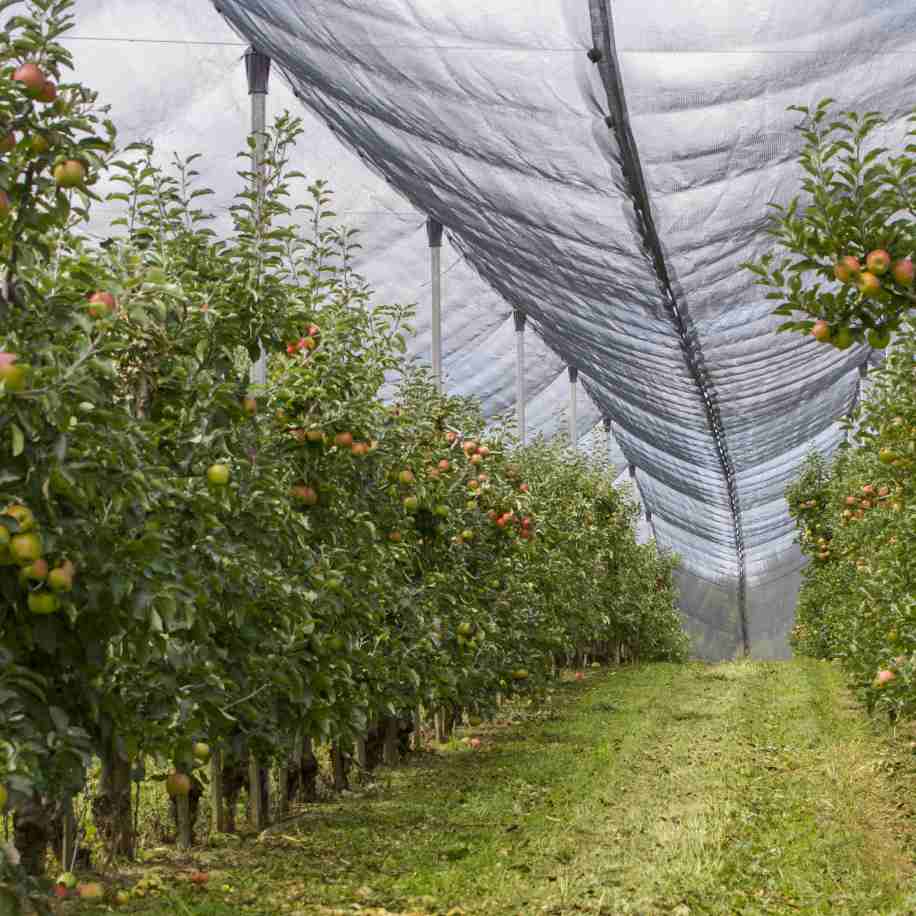
We often think of cherry trees, certainly one of the trees that attract the most fruit-eating birds. But netting can also protect other fruit trees in the orchard: apple, fig, pear, apricot, etc.
Netting for small fruits
Smaller, but just as tasty, red berries also attract many birds.
Protect your strawberry plants, raspberry bushes, currant bushes and others. The same goes for blackberries or blueberries.
Netting for vegetable gardens
Many vegetables are also eaten by birds: peas, beans, tomatoes, etc.
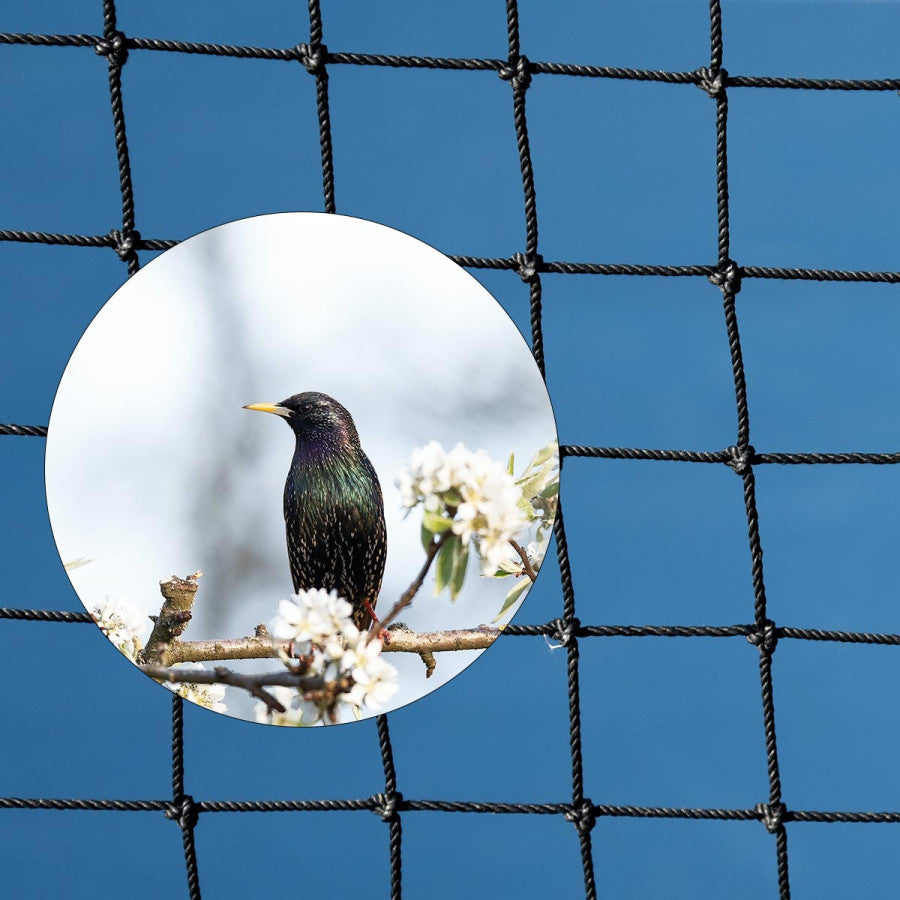
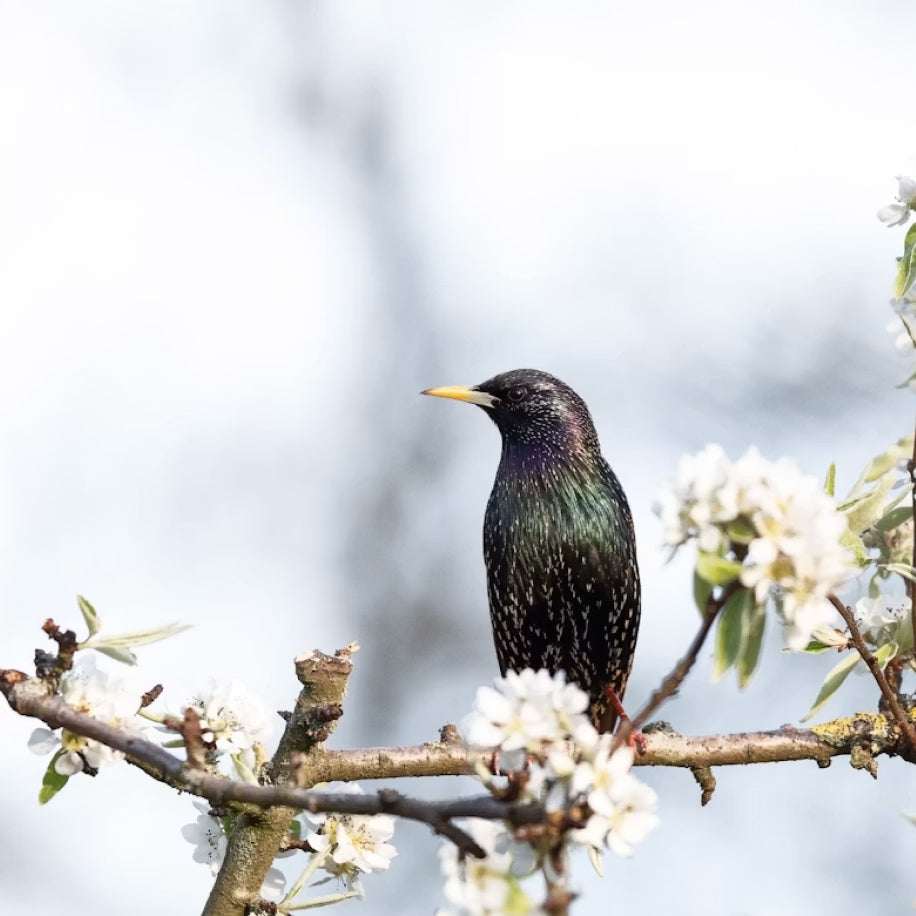
Installed with the help of posts or frames, bird netting will protect vegetables from starlings, crows, and others.
Netting for seedlings
At the time of sowing, many birds, fond of seeds or seedlings, eagerly devour your future harvest before it even grows.
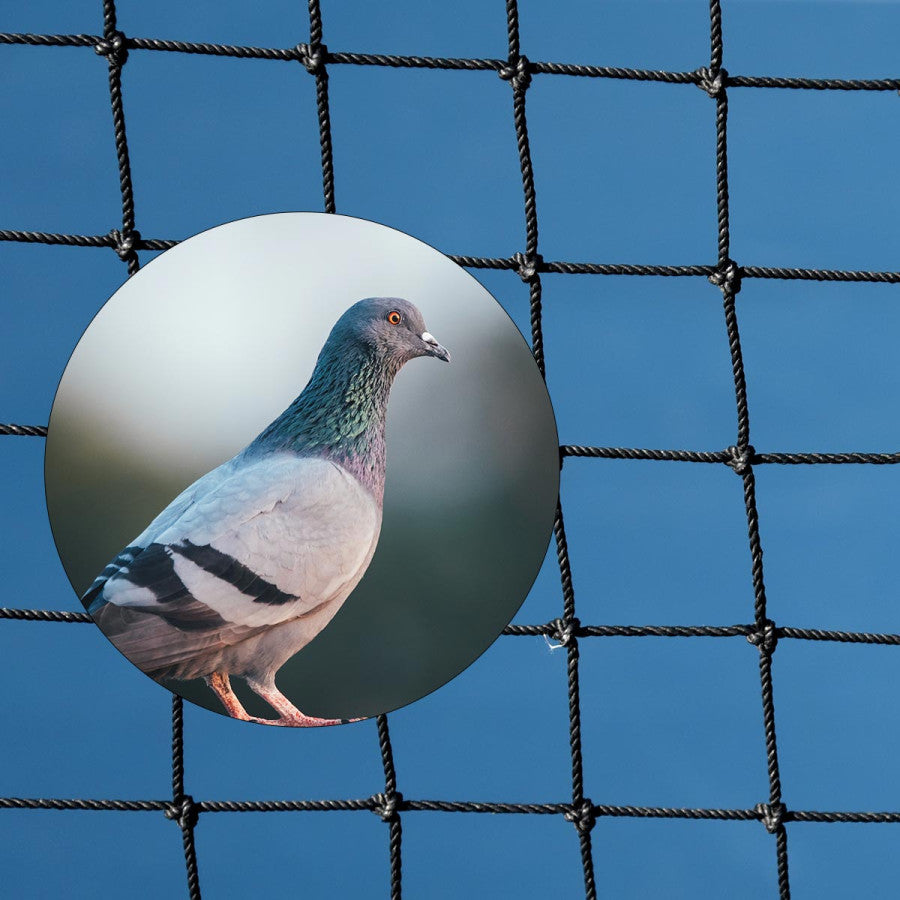
Crows, pigeons, seagulls... Cover your seedlings from the start.
Resistant bird netting
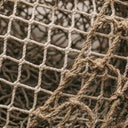
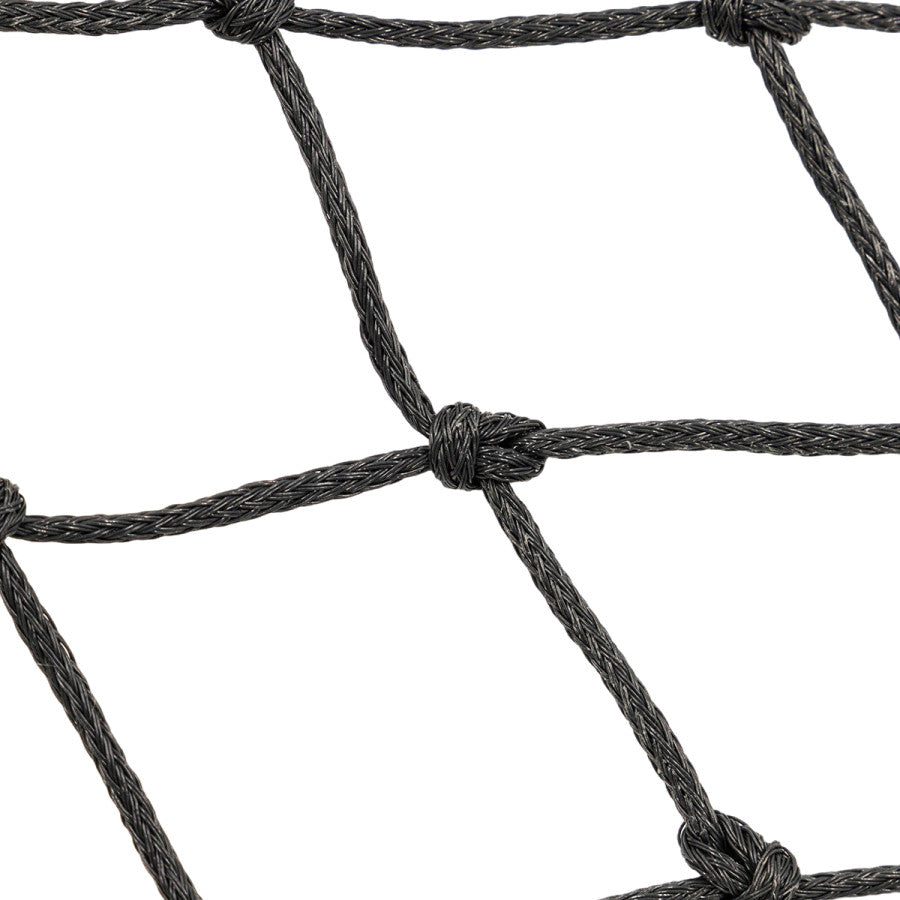
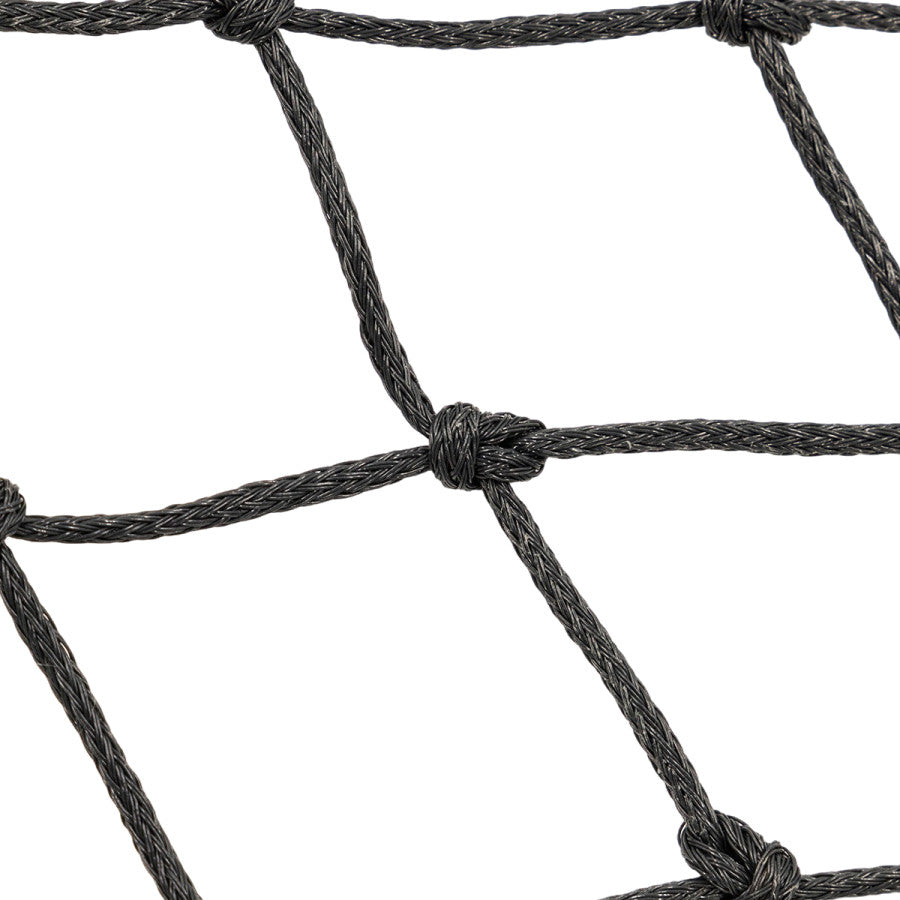
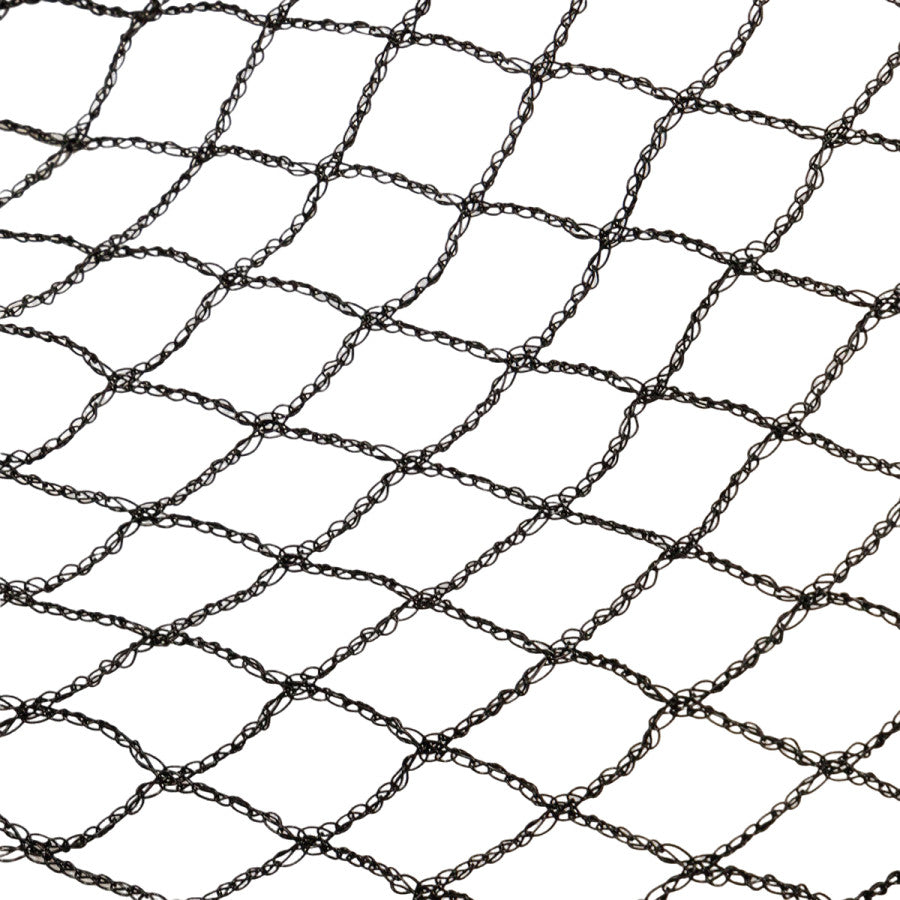
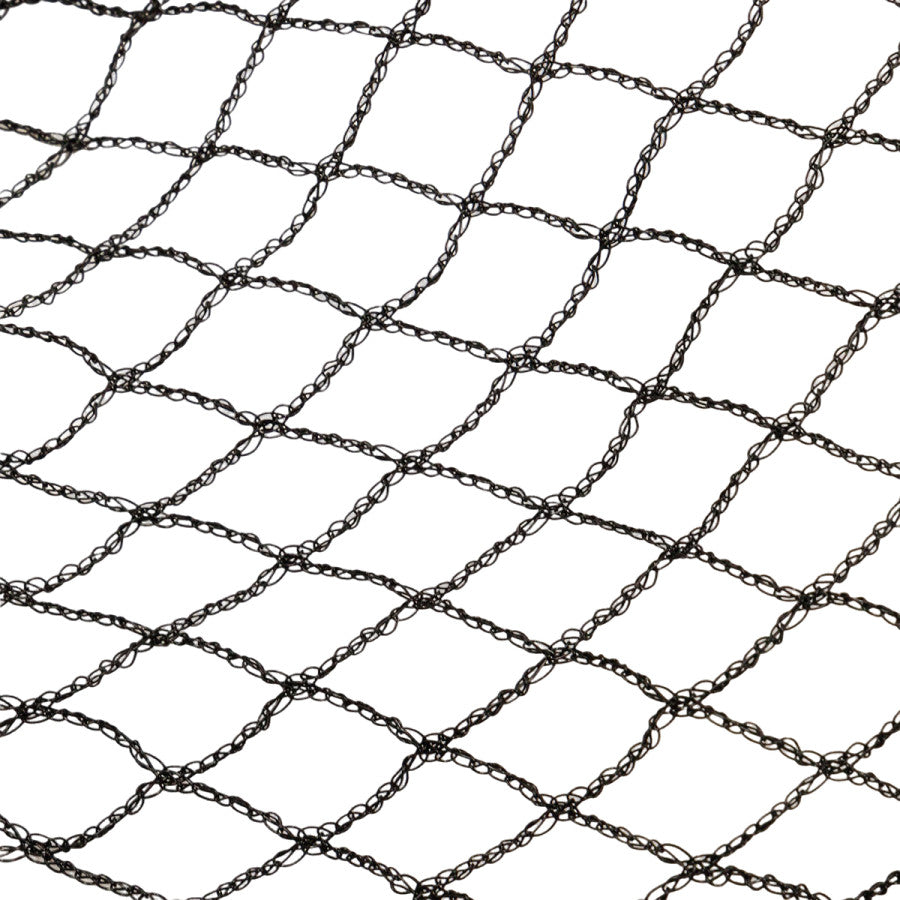
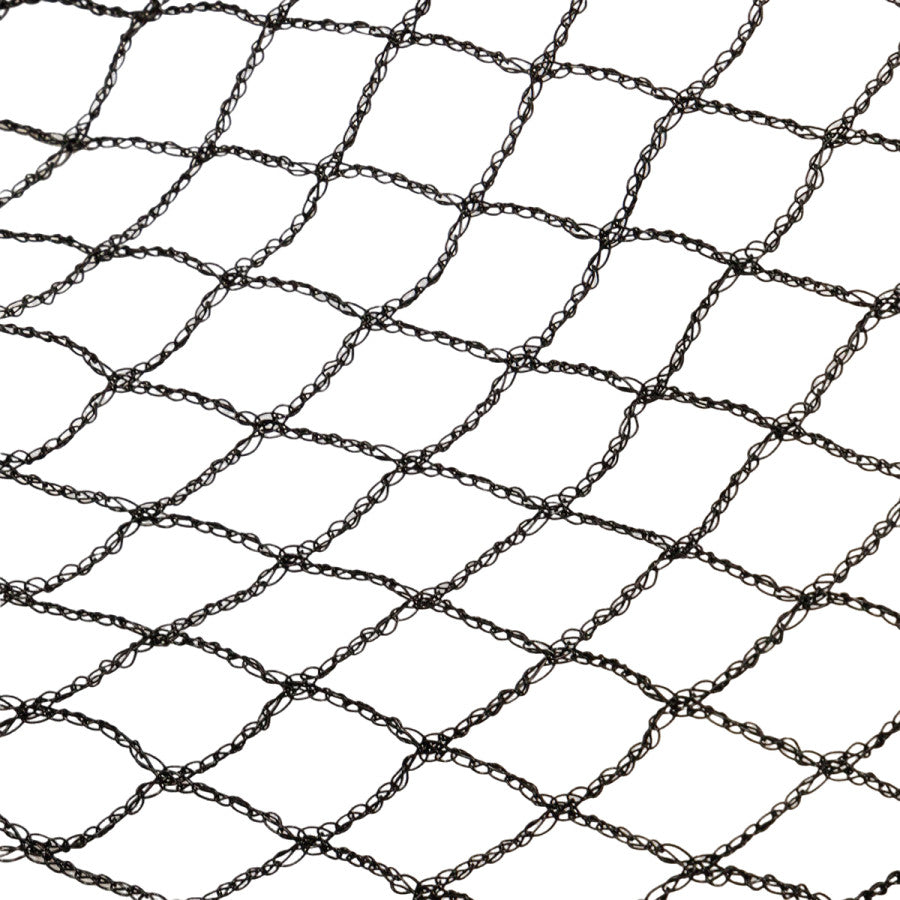
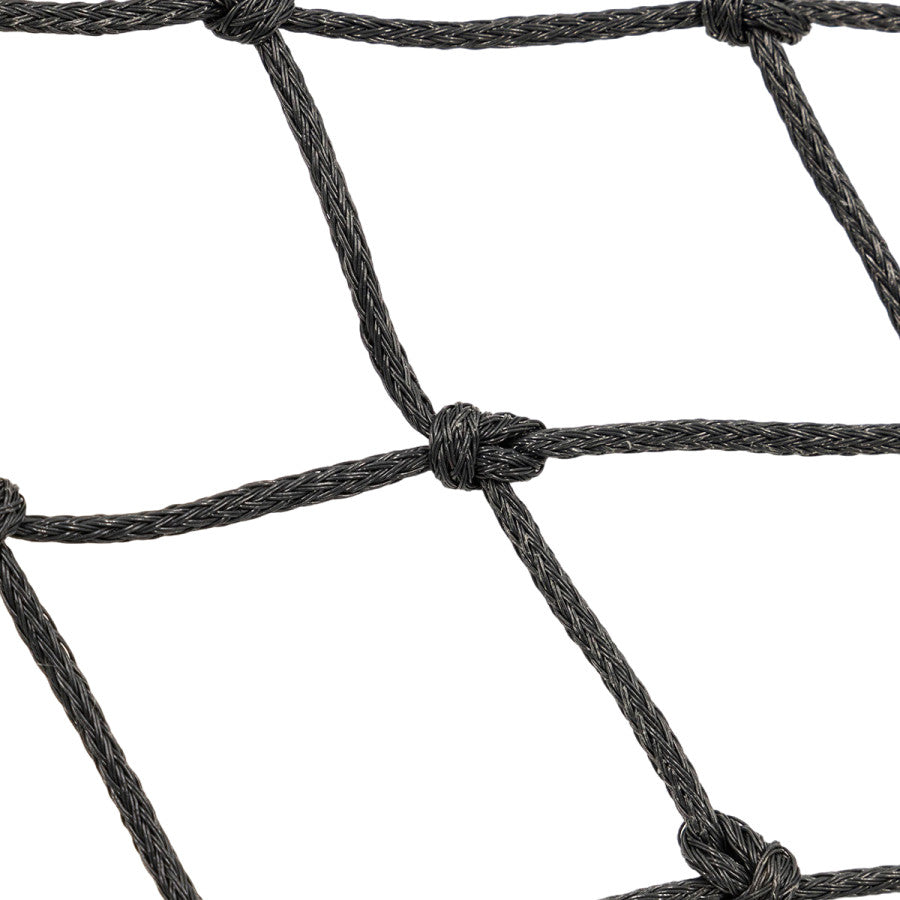
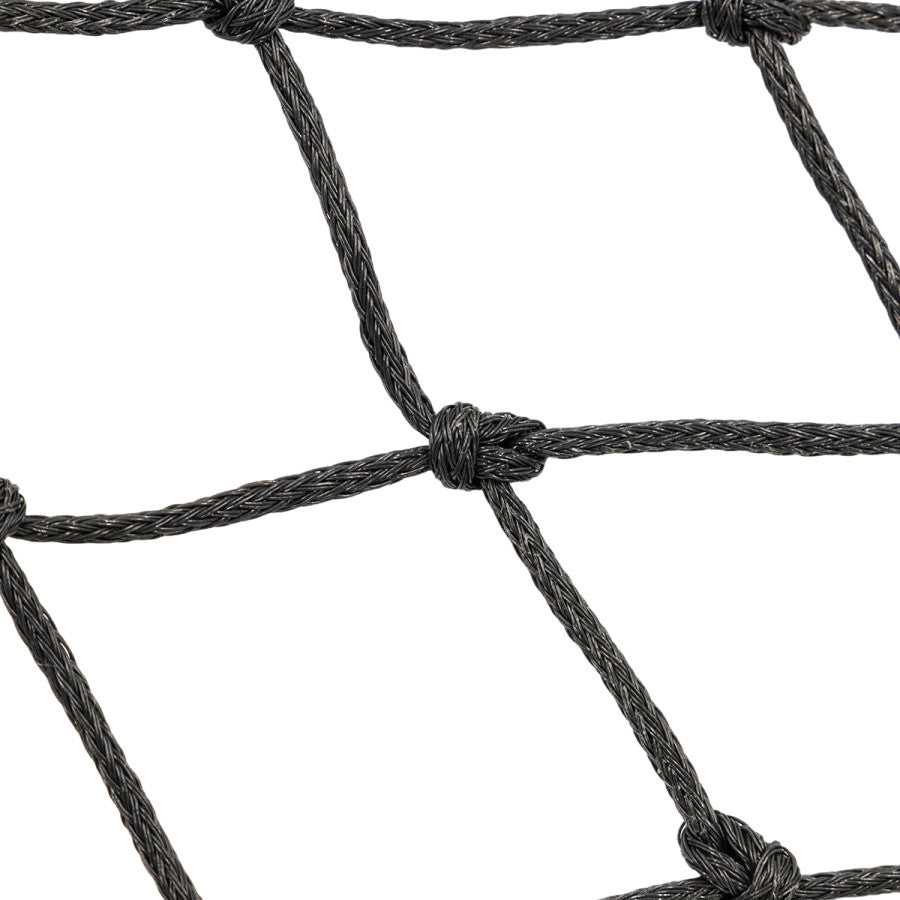
All our products are made of High-Density Polyethylene (HDPE), with knitted and knotted threads. They are rot-proof and water resistant.
The nets are UV-treated according to the Ciba-Geigy process at 320 KLY, so they will withstand years of sun exposure in your garden or on a cultivation plot.
For professionals and individuals
Available in several sizes and even custom-made, our nets meet the needs of individuals who want to protect a few fruit trees, tomato plants or beans in their garden, as well as professionals who wish to shelter entire rows in orchards from birds and ensure excellent protection for fruit trees.
Frequently Asked Questions
Your frequently asked questions for safe and effective use
Housing
Boating
Agriculture
Work and safety
Sports and leisure
DIY and Garden