
Skip to content
Cart

Your cart is empty

Continue shopping

Bird netting

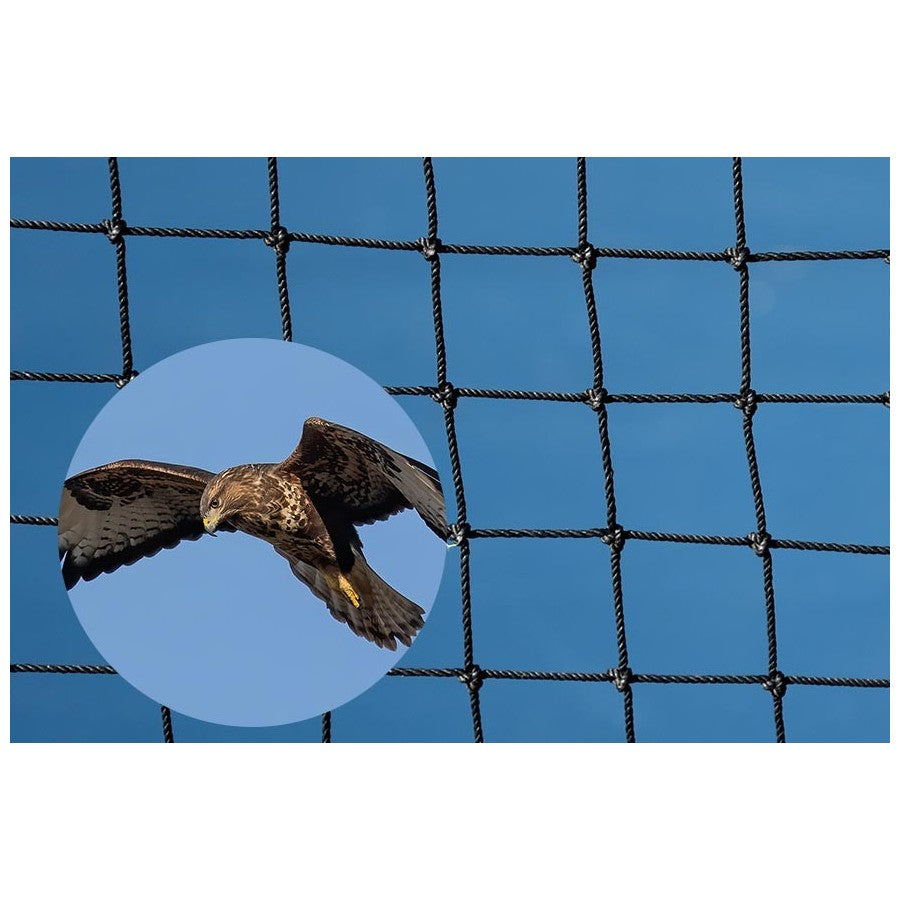
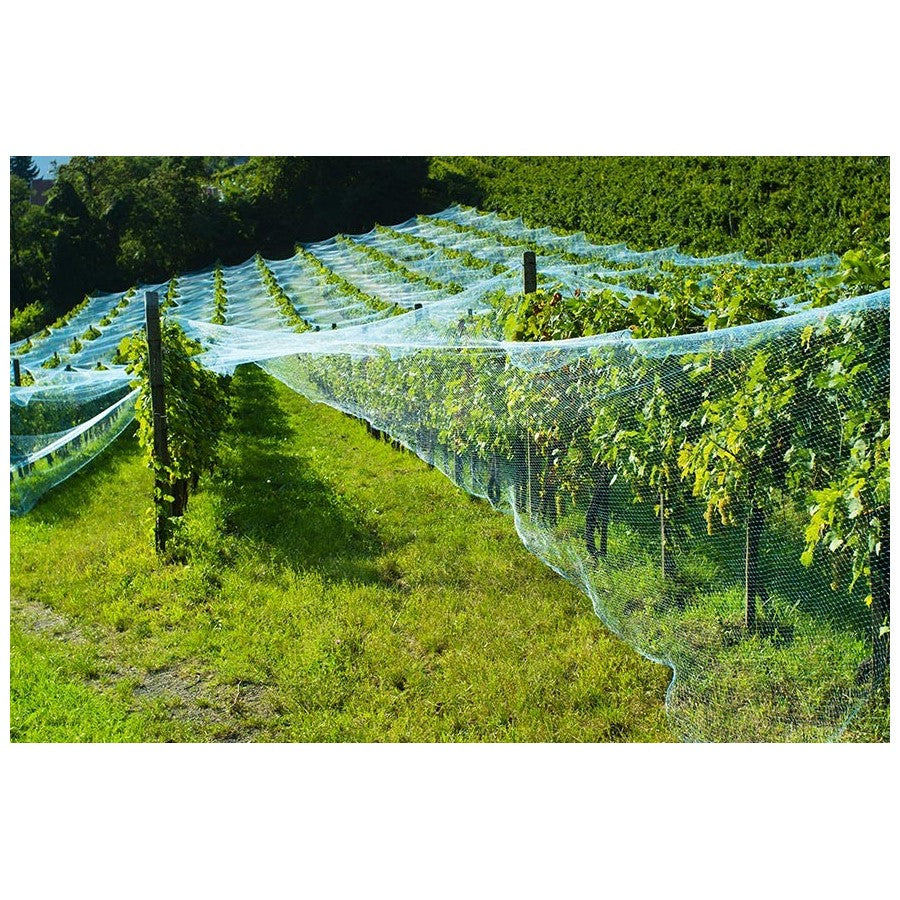
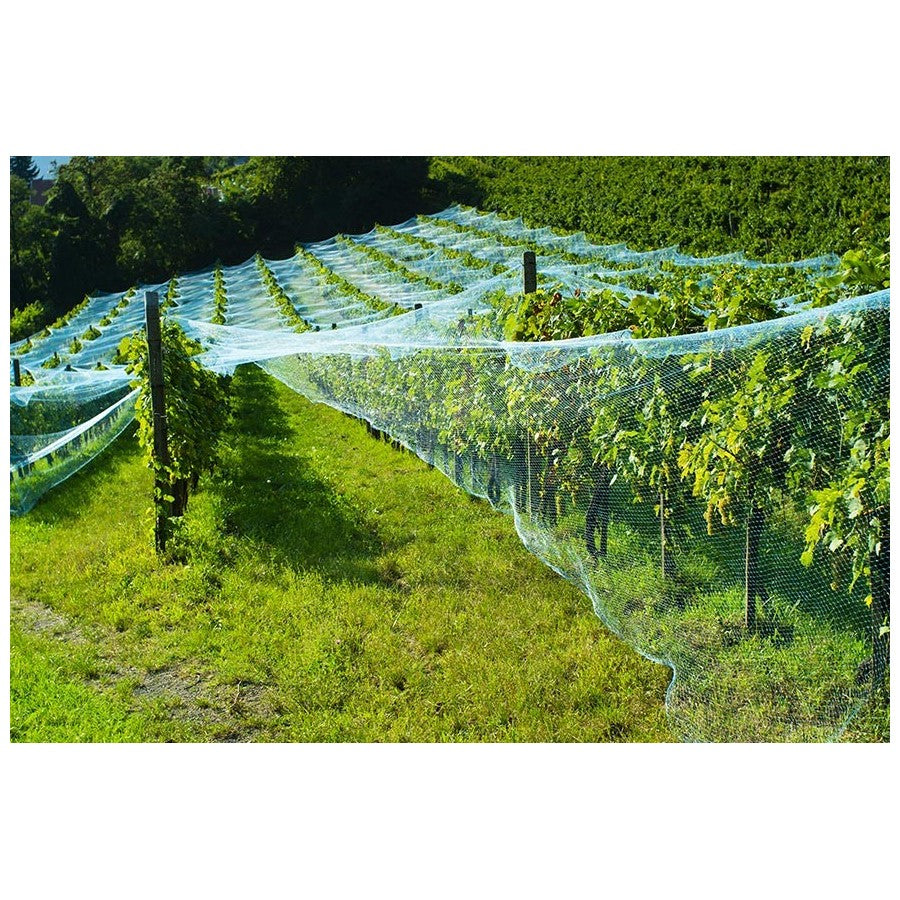
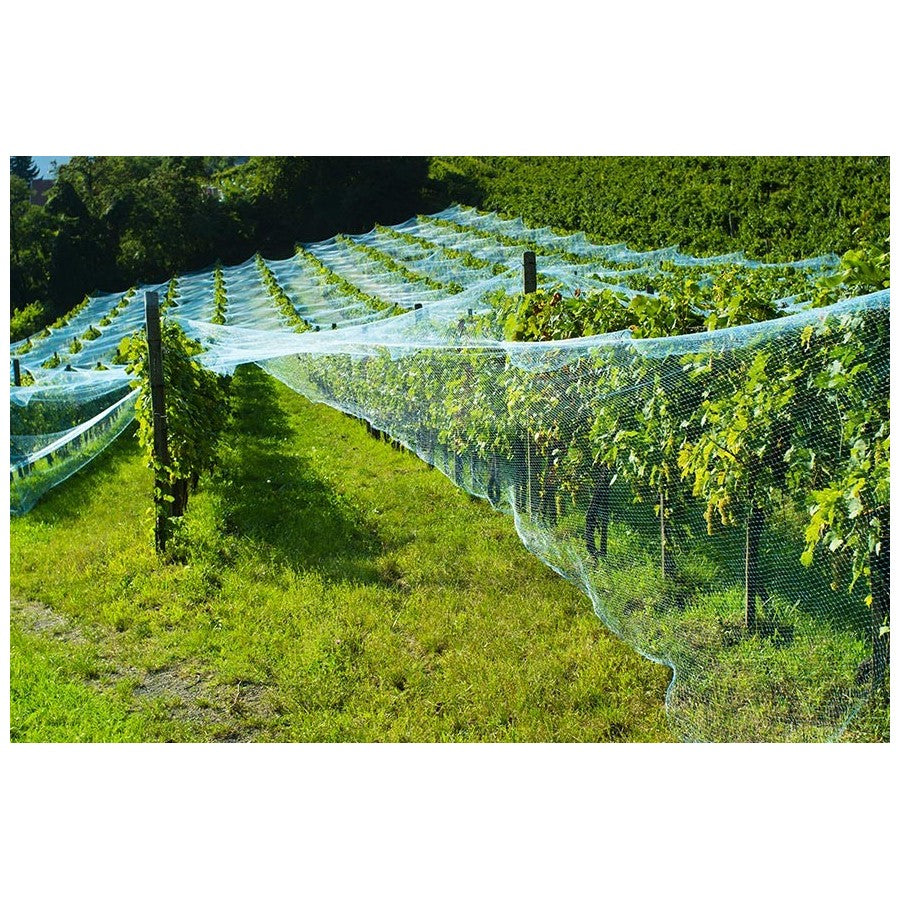
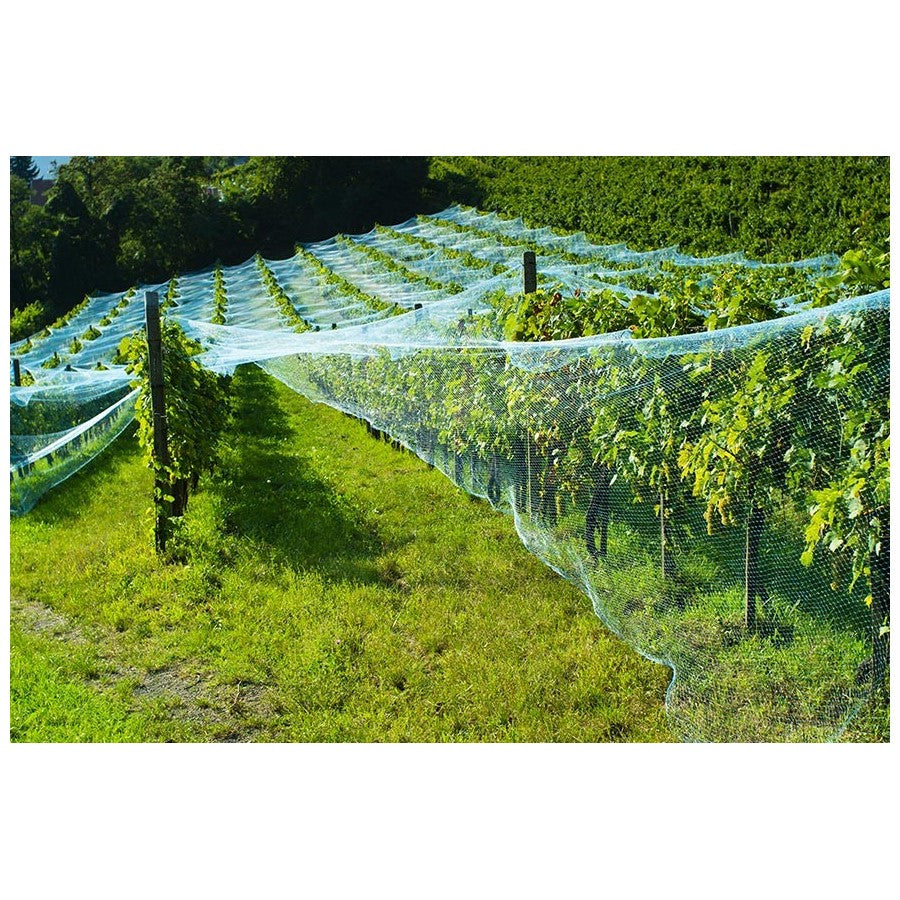
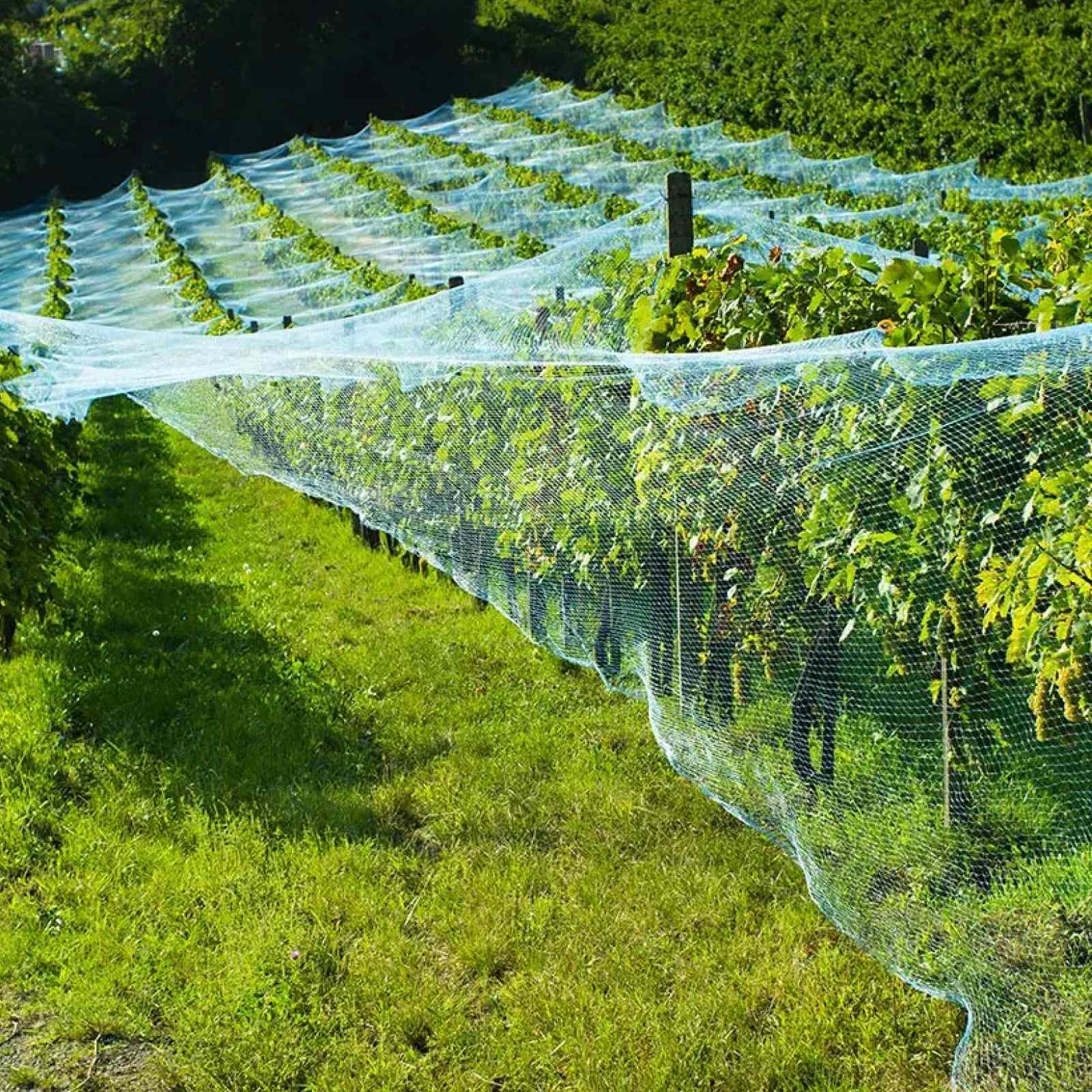
Bird netting is an economical and effective way to protect fruit trees from birds. Placed over the fruit, it prevents birds from eating them and preserves harvests.

Bird netting: protection for fruit trees, vegetables, and seedlings

Protect your crops and fruits from birds with our nets.
Easy to install, water and UV resistant, they will effectively protect your harvests.

Throughout the year, from the sowing period to the harvest of ripe fruits, different species of birds feed on seeds, vegetables, or fruits and can devour your crops.
Bird netting is a practical and very effective way to protect harvests, without using potentially disturbing scarecrows or chemical products.

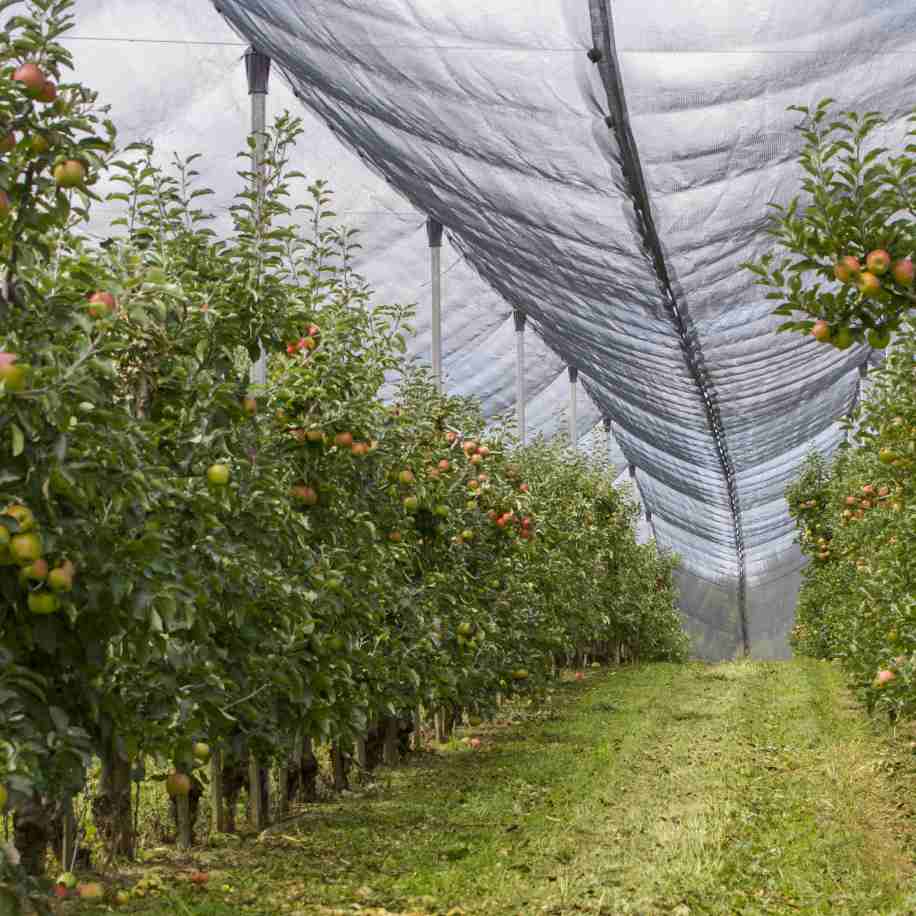
Netting for orchards

We often think of cherry trees, certainly one of the trees that attract the most fruit-eating birds. But netting can also protect other fruit trees in the orchard: apple, fig, pear, apricot, etc.

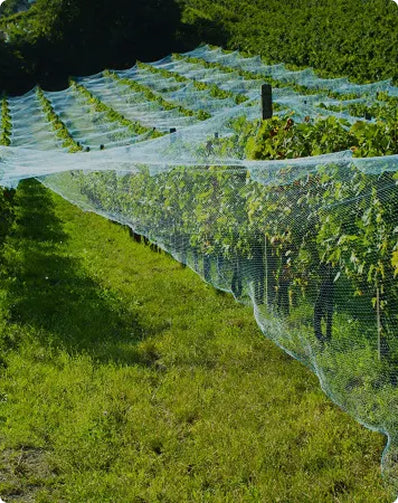
Netting for small fruits

Smaller, but just as tasty, red berries also attract many birds.
Protect your strawberry plants, raspberry bushes, currant bushes and others. The same goes for blackberries or blueberries.

Netting for vegetable gardens

Many vegetables are also eaten by birds: peas, beans, tomatoes, etc.
Installed with the help of posts or frames, bird netting will protect vegetables from starlings, crows, and others.

Netting for seedlings

At the time of sowing, many birds, fond of seeds or seedlings, eagerly devour your future harvest before it even grows.
Crows, pigeons, seagulls... Cover your seedlings from the start.

Resistant bird netting

All our products are made of High-Density Polyethylene (HDPE), with knitted and knotted threads. They are rot-proof and water resistant.
The nets are UV-treated according to the Ciba-Geigy process at 320 KLY, so they will withstand years of sun exposure in your garden or on a cultivation plot.

For professionals and individuals

Available in several sizes and even custom-made, our nets meet the needs of individuals who want to protect a few fruit trees, tomato plants or beans in their garden, as well as professionals who wish to shelter entire rows in orchards from birds and ensure excellent protection for fruit trees.

Frequently Asked Questions

Your frequently asked questions for safe and effective use
Pourquoi choisir un filet anti-oiseaux ?

Il existe de nombreuses méthodes et techniques pour éloigner les oiseaux frugivores ou qui se nourrissent de graines : ruban accroché aux arbres, effaroucheur …
Et leur efficacité est globalement limitée.

Le filet anti-oiseaux est une protection très fiable pour arbres fruitiers et c'est une solution économique sur le long terme.

S’il est bien posé de façon à ne pas permettre l’intrusion des volatiles, le filet anti-oiseau protègera efficacement l’ensemble des cultures. Pas de produits chimiques, pas besoin de surveillance continue, pas de nuisance sonore… C’est une technique pratique et très efficace.

Manipulé avec précaution et entreposé correctement, il durera plusieurs années et pourra servir de nouveau.

Quelle taille de maille choisir pour un filet anti-oiseaux ?

Le choix de la maille dépend principalement de la taille des oiseaux que vous souhaitez éloigner :

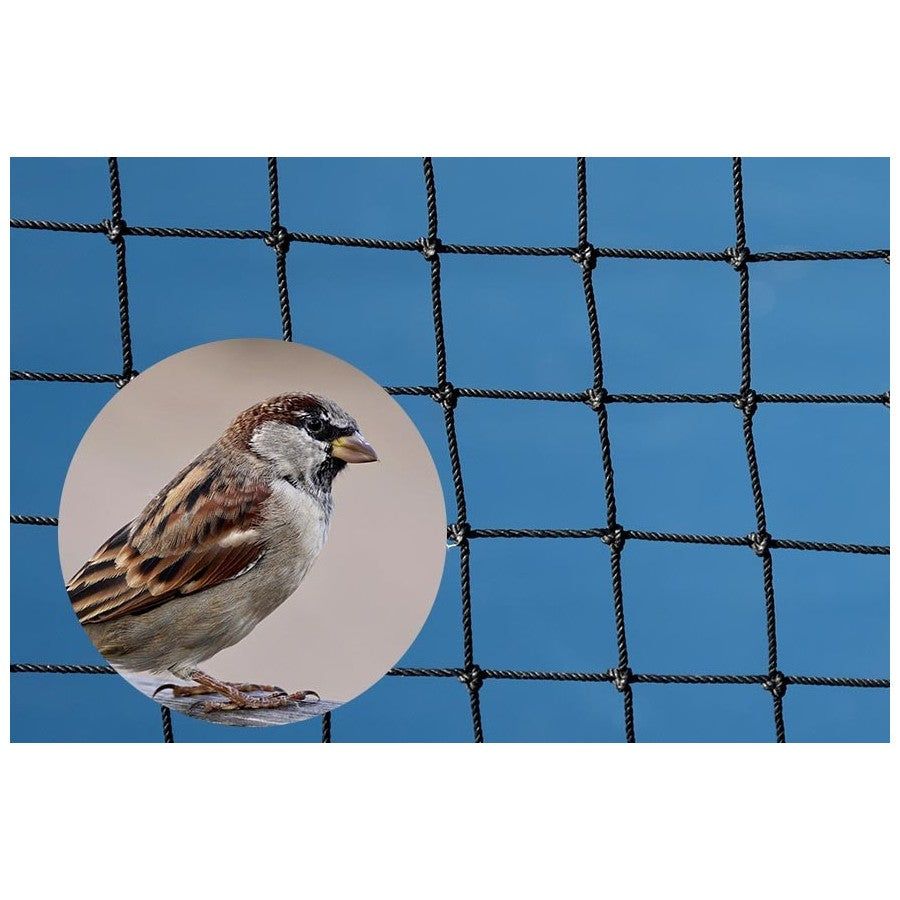
  • Maille de 15 mm : idéale pour protéger les fruits des petits oiseaux, comme les moineaux.
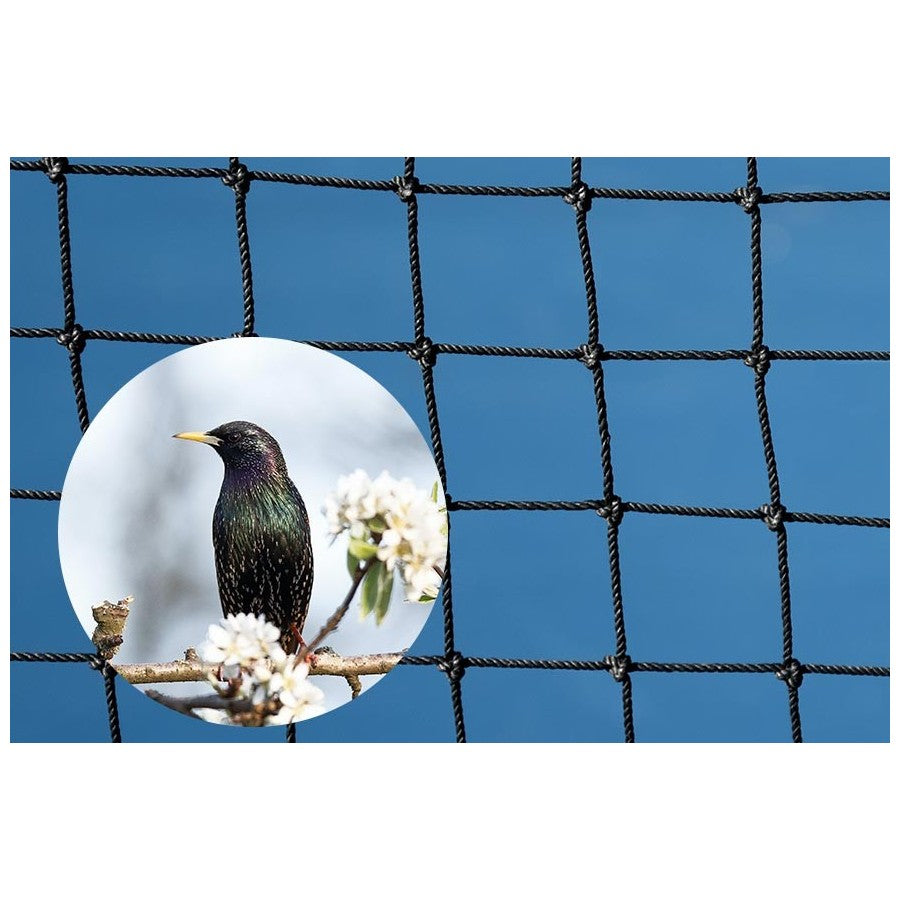
  • Maille de 22 mm : adaptée à la plupart des espèces de taille moyenne, telles que les merles, les étourneaux et les pies.
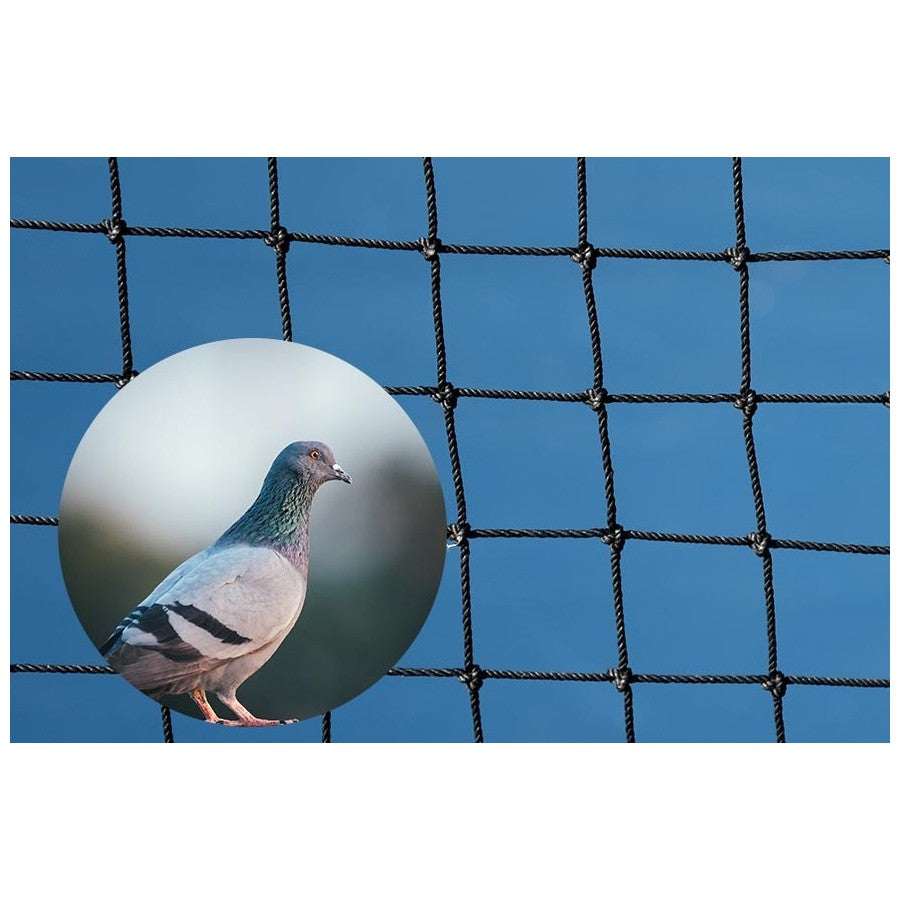
  • Maille de 35 mm : conçue pour empêcher le passage des oiseaux de taille moyenne à grande, comme les corbeaux, les pigeons et les tourterelles.

Pour une protection maximale de vos cultures ou de vos arbres fruitiers, privilégiez des mailles plus resserrées, qui empêchent même les plus petits oiseaux d'accéder aux fruits.

Comment poser un filet anti-oiseaux ?

Le filet anti-oiseaux est léger et souple, ce qui le rend facile à manipuler et à poser.

Il peut être installé de plusieurs façons :

  • À l’aide de poteaux pour couvrir en hauteur et englober totalement les arbres sans les toucher, ou sur un coffrage ou grand couloir.
  • Il peut aussi être posé en contact direct avec l’arbre. Avec sa grande légèreté, il n’abîmera pas les branches. Vous pouvez l’installer sur de grands arbres fruitiers comme des plus petits.

Pour faciliter le bon maintien de votre filet anti-oiseaux, retrouver nos équipements d’accastillage en acier inoxydable : manille, ridoirs et tendeurs qui résistent à la pluie et la corrosion. Ils vous aideront à installer une protection efficace.