

Products
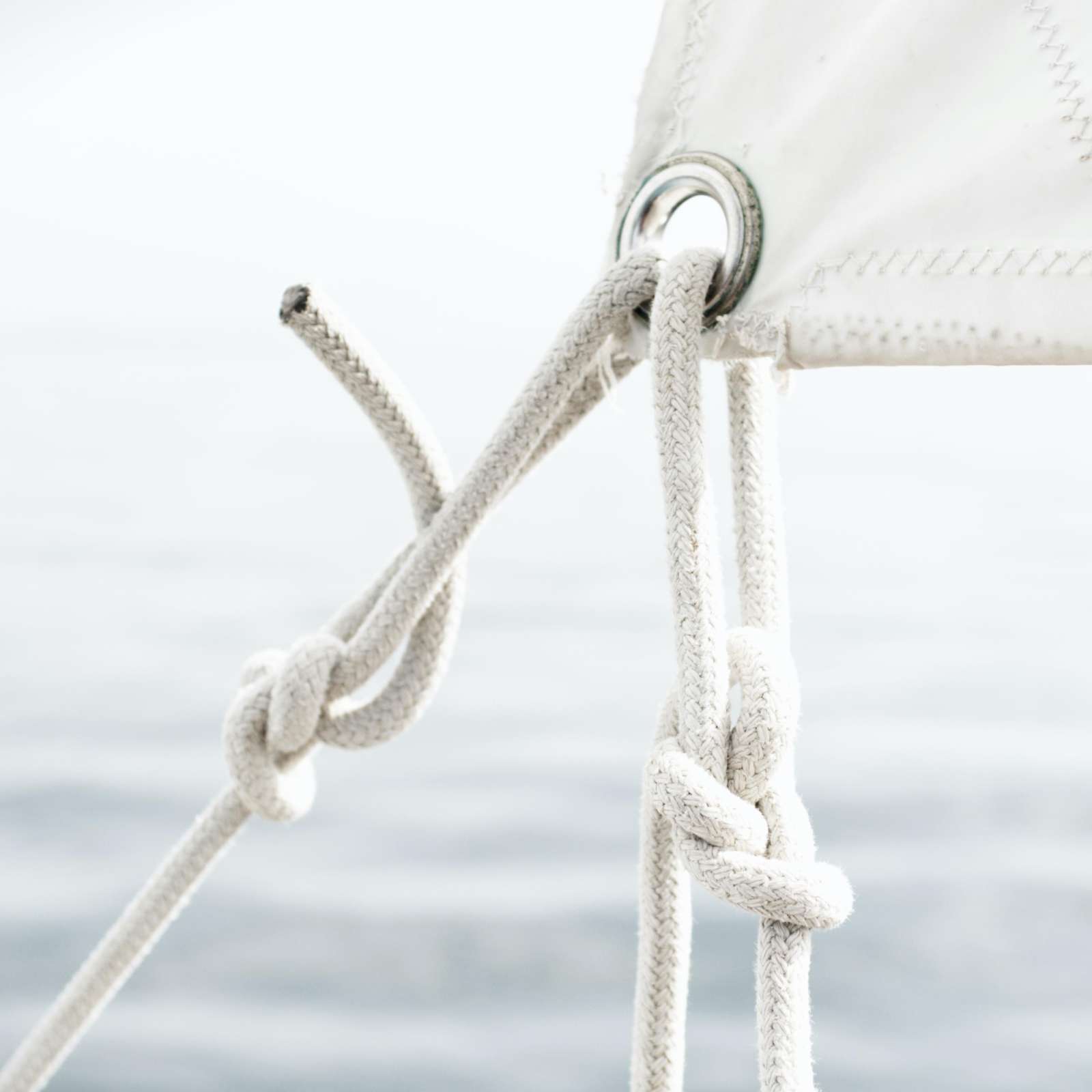
Splicing and Seamanship: An Ancestral Art
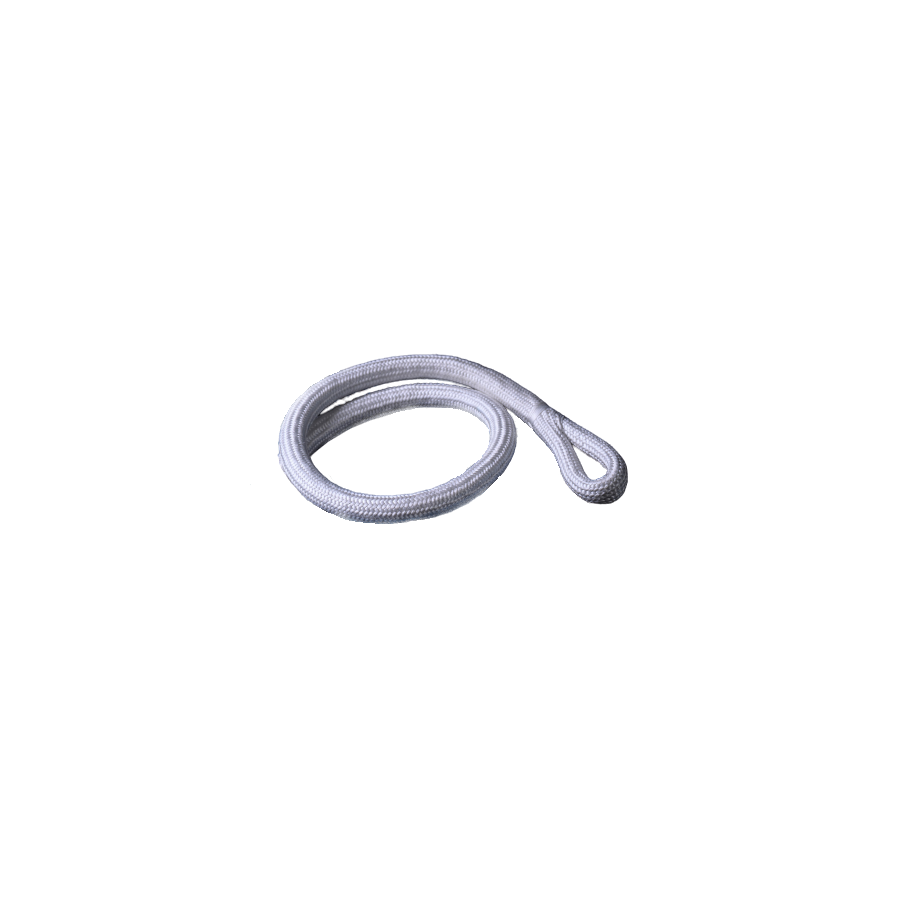
Splicing and seamanship is a skill born with sailing. Aboard ships, sailors maintained the ropes, made assemblies, and tied the essential knots for maneuvers. Their work ensured the reliability of the rigging and the safety of the crew. While ropes have evolved thanks to technical fibers, the gestures and principles of seamanship remain largely unchanged.
Today, splicing and seamanship is still practiced by recreational boaters, sailors, boating professionals, and enthusiasts of old rigs. It requires knowledge of the right tools, finishing techniques, and main nautical knots. To discover the vocabulary of seamanship and understand terms like splice, whipping, strand, or spun yarn, consult our glossary.
Materials and Accessories for Splicing and Seamanship
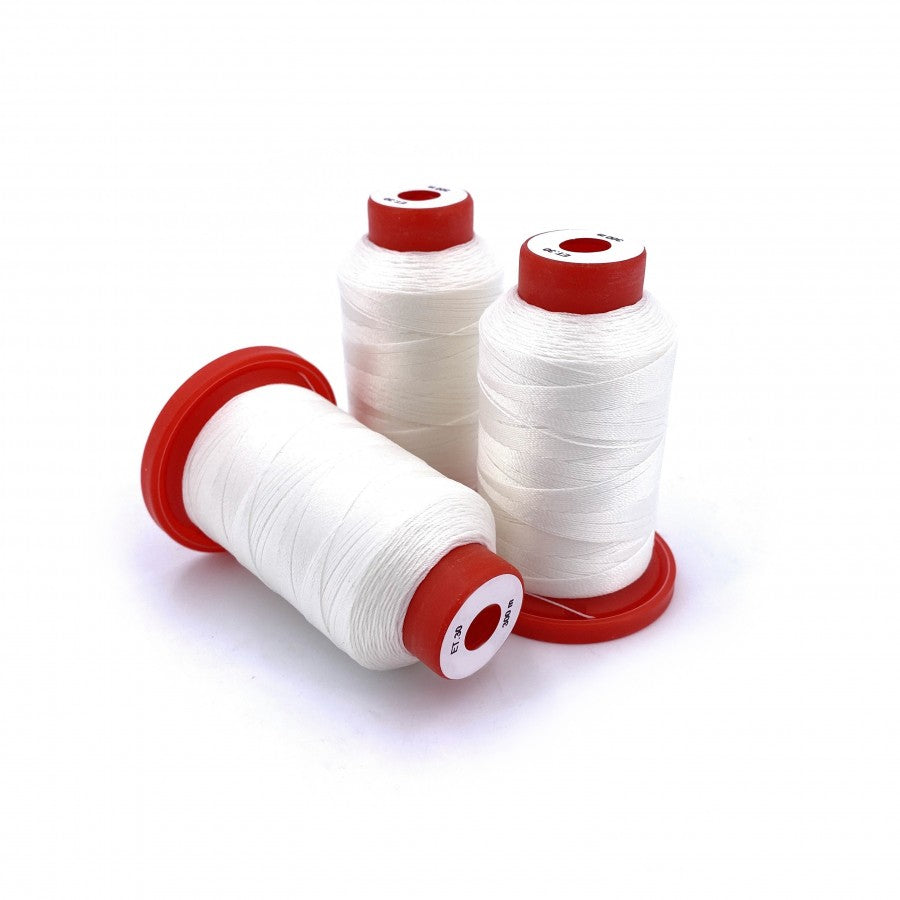
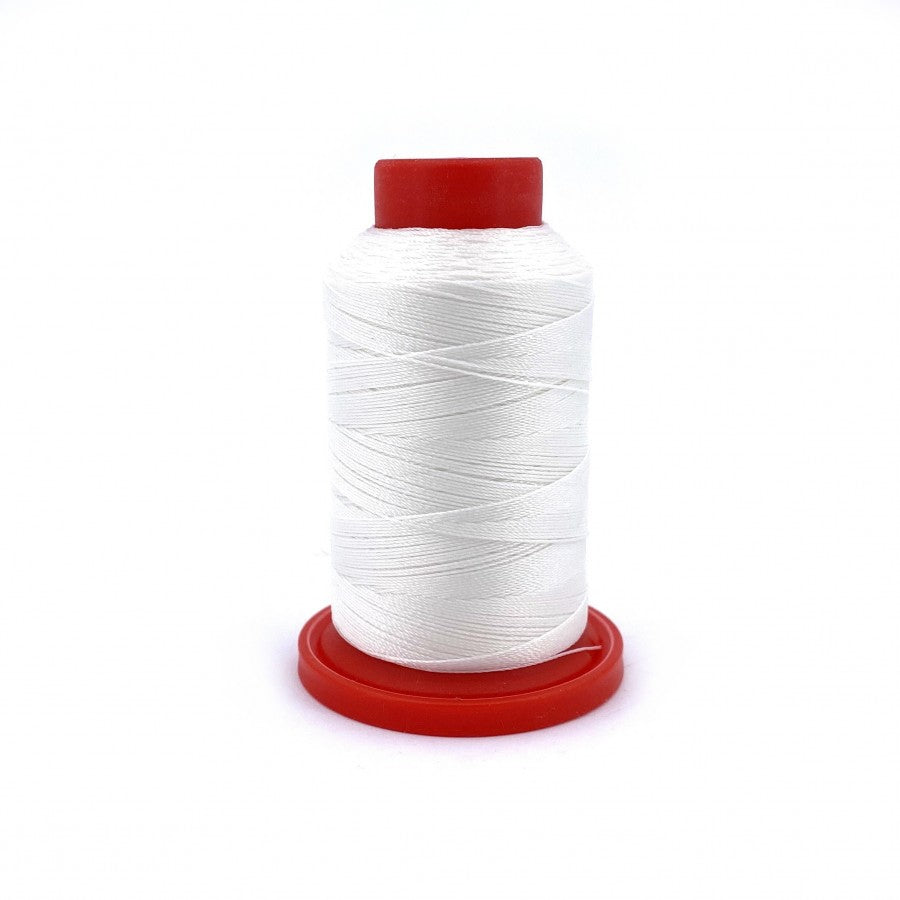
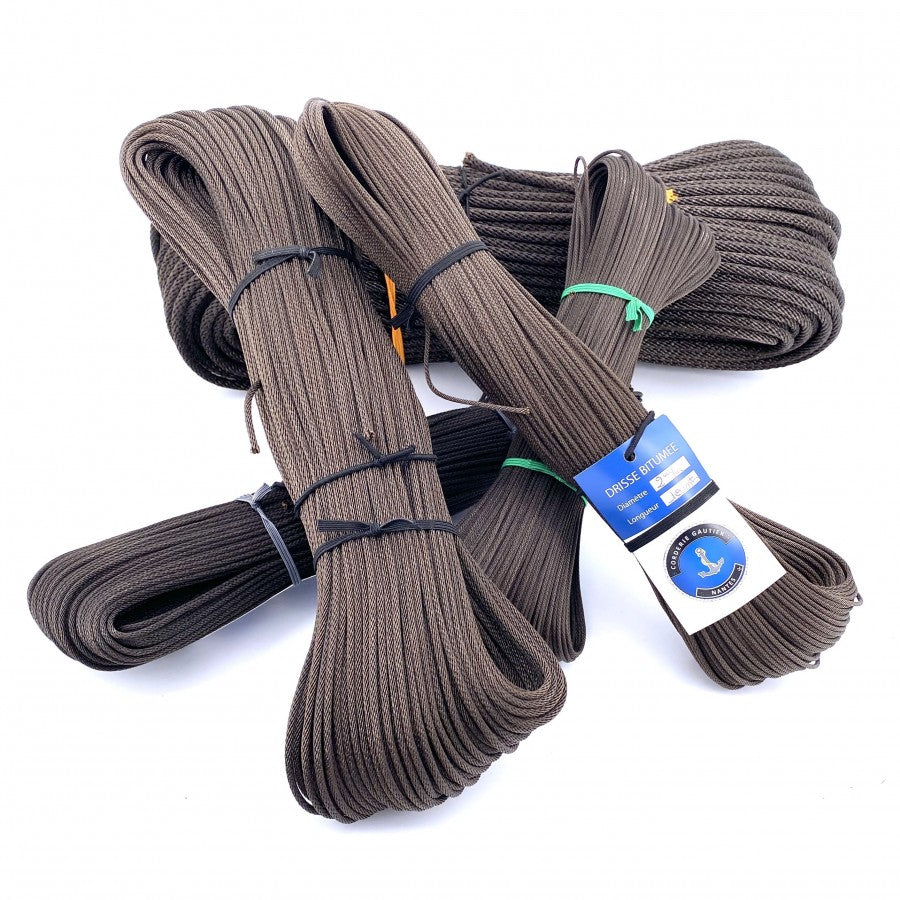
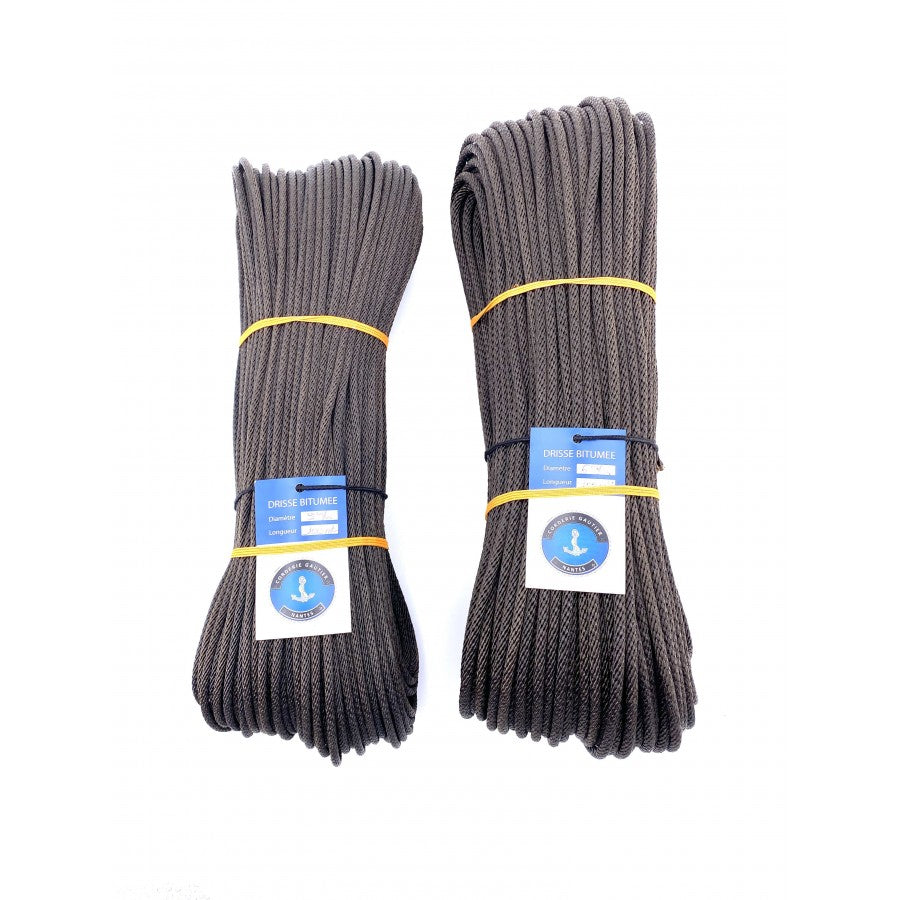
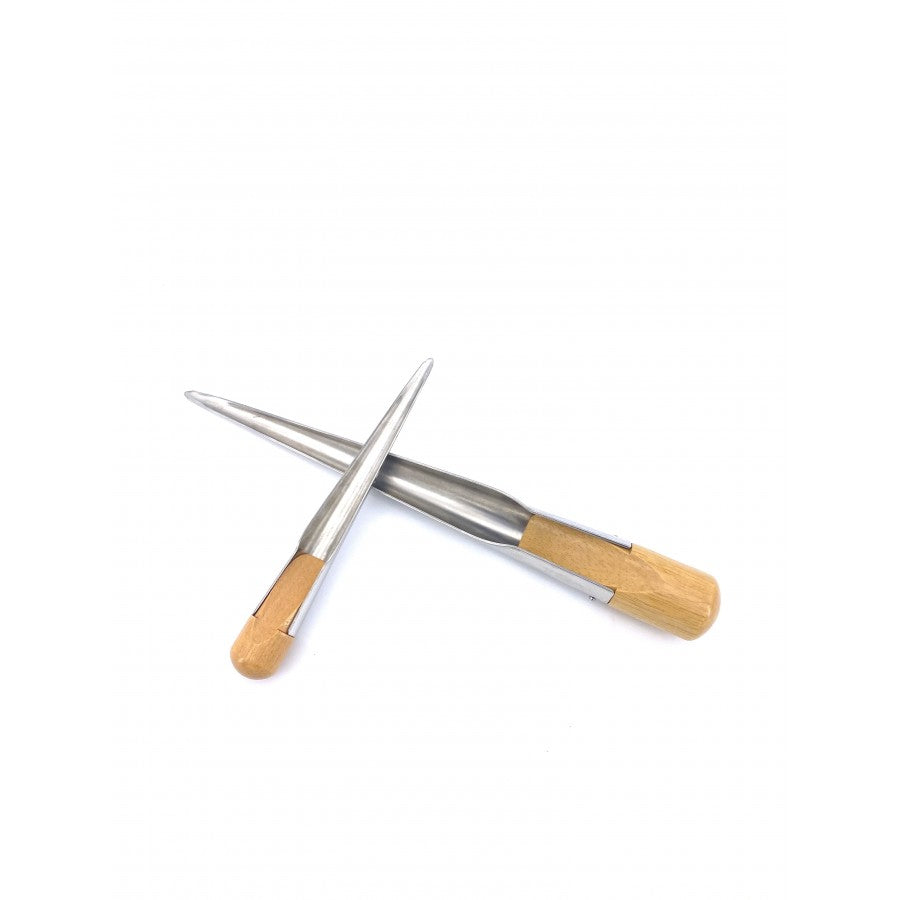
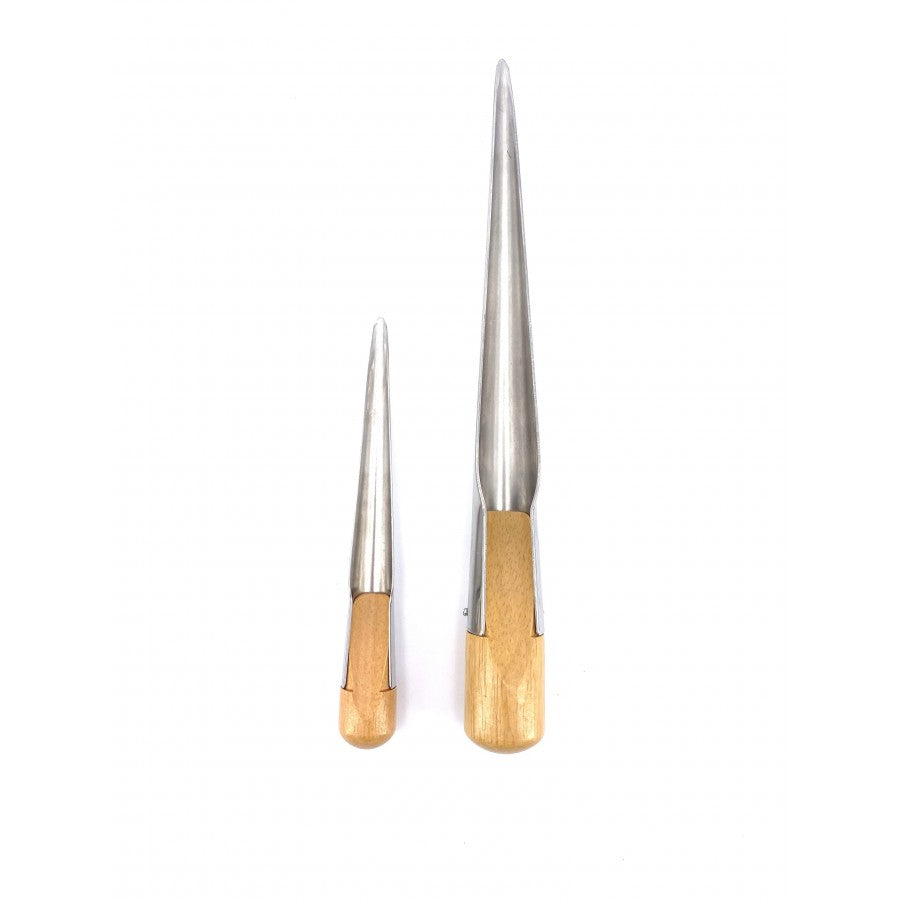
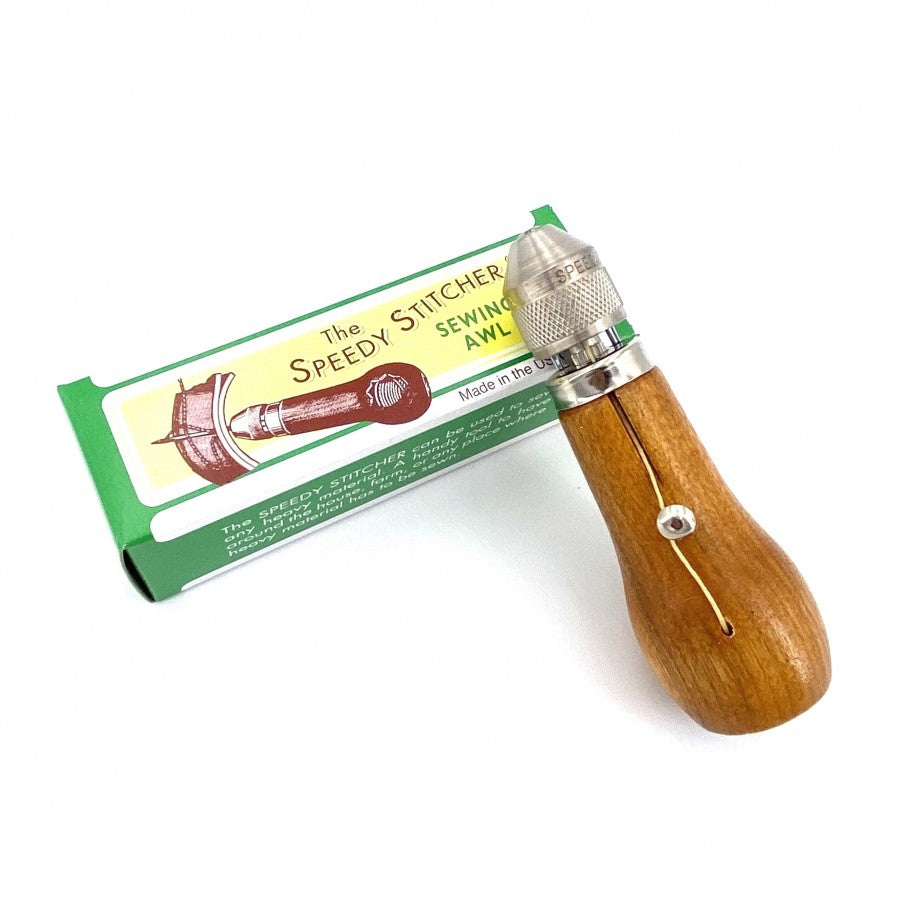
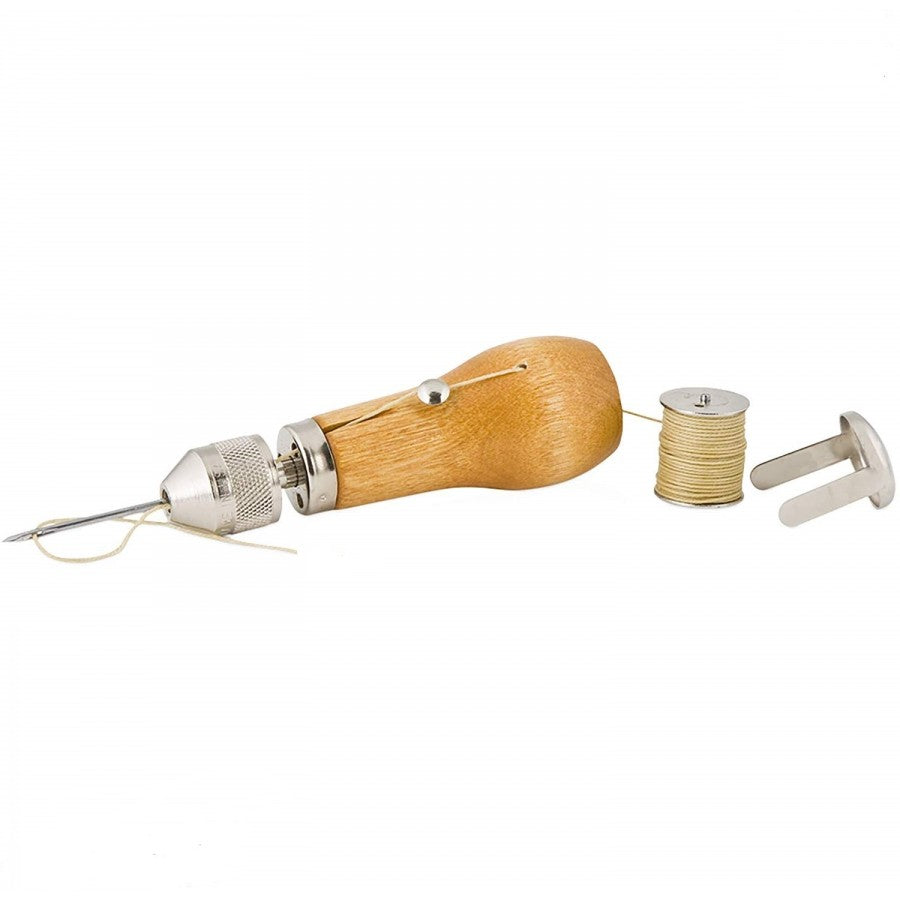
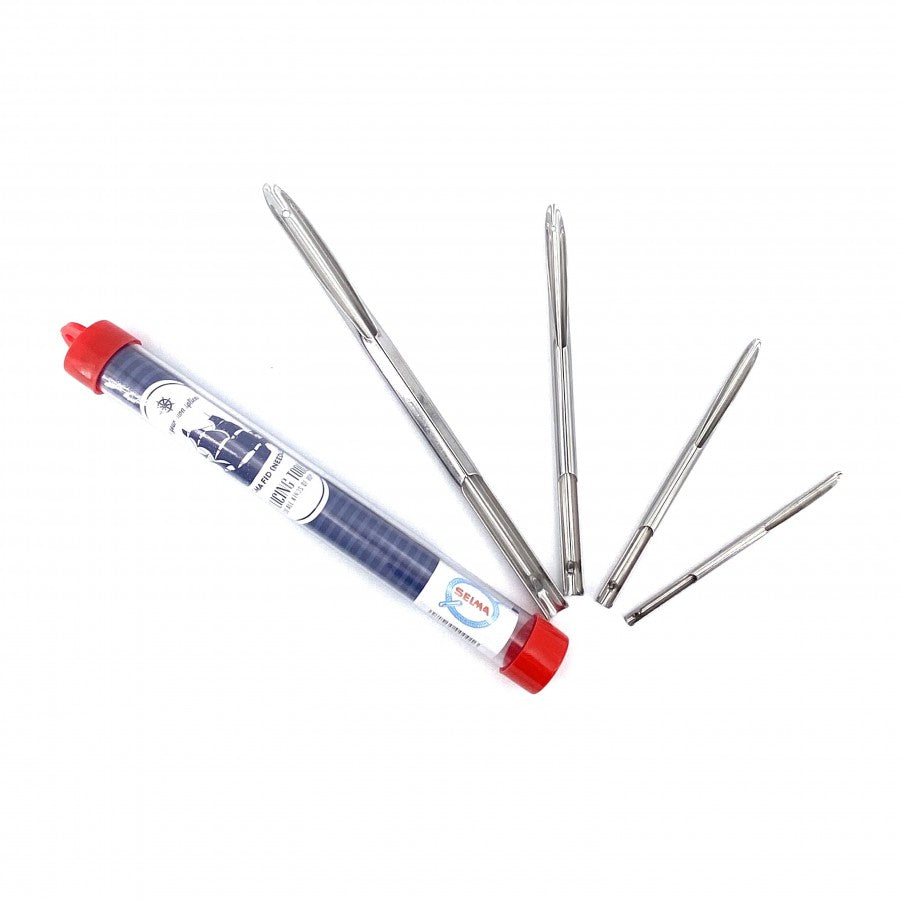
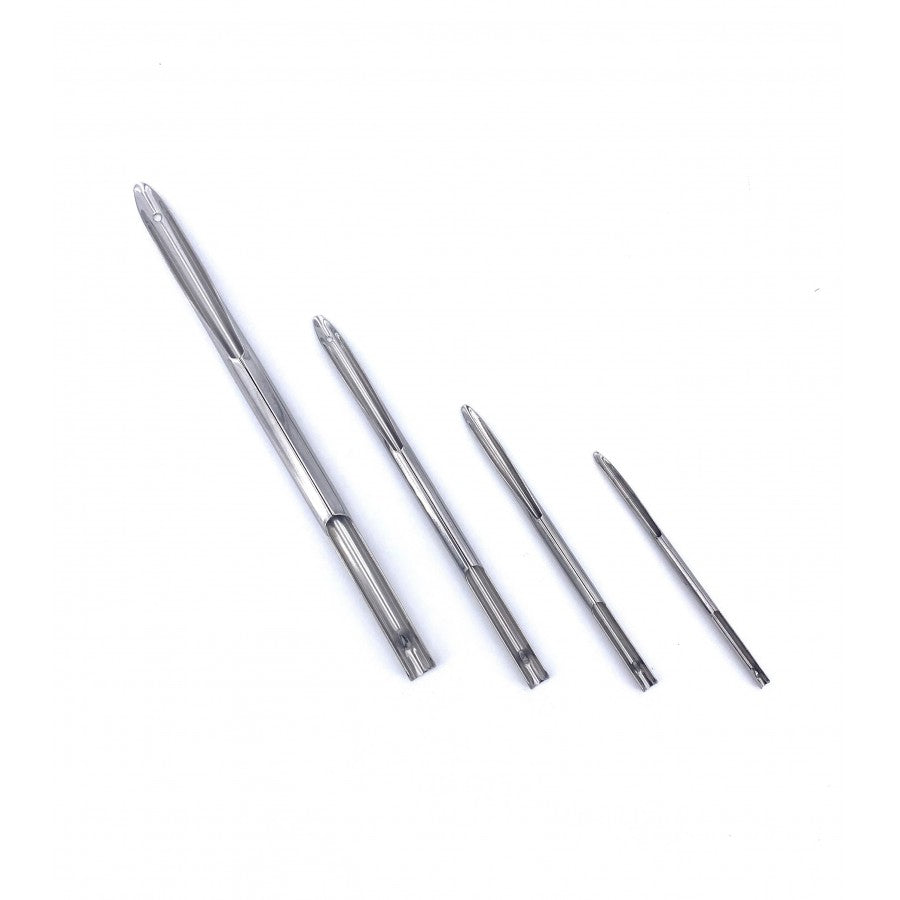
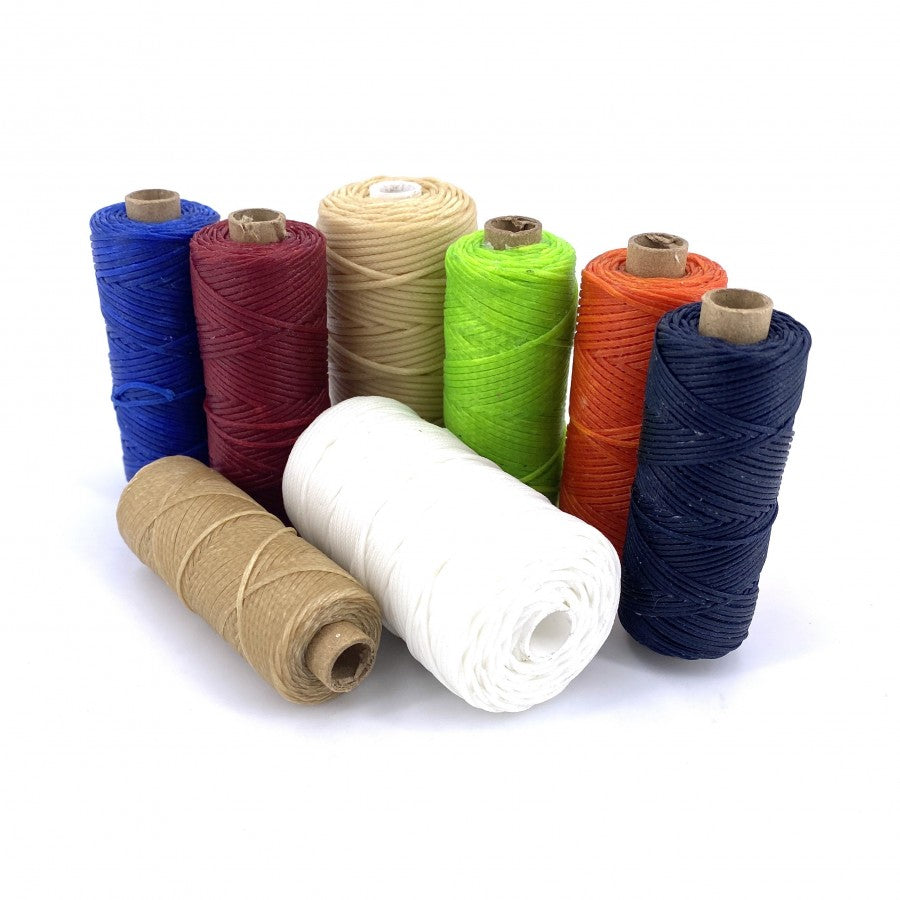
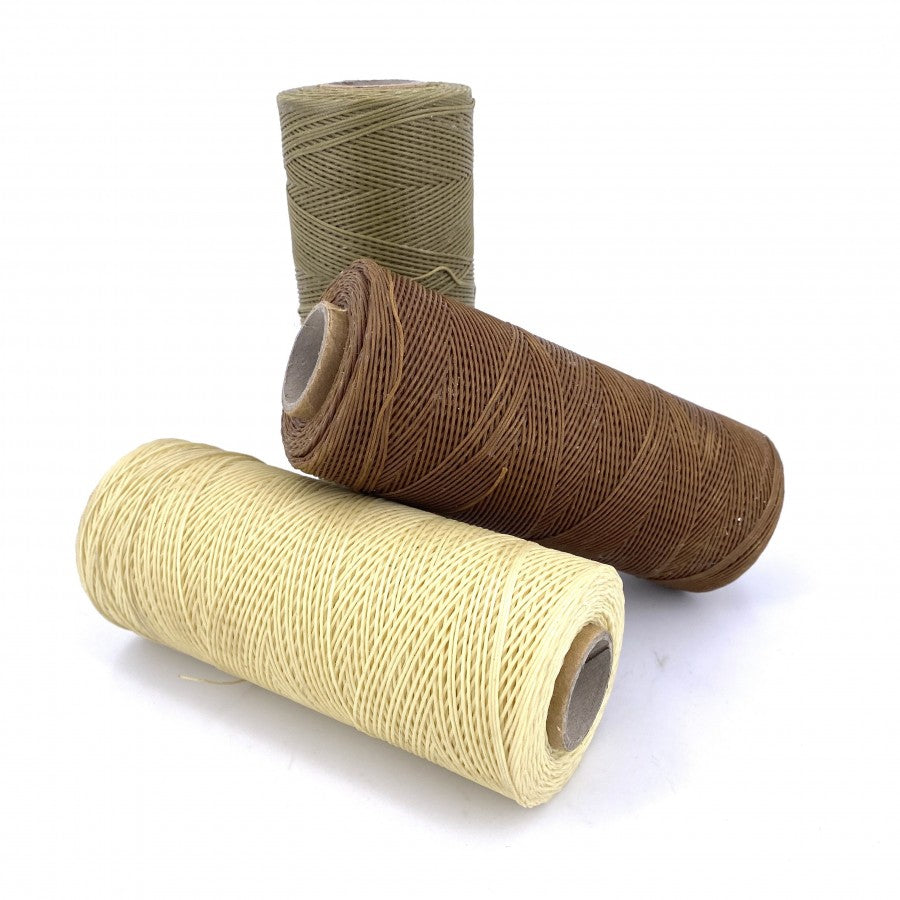
Quality splicing relies as much on skill as on the choice of materials. This category includes the essential accessories for preparing, repairing, or customizing a rope. You will find splicing fids, splicing needles, whipping twine, sewing kits, hot knives, as well as the supplies necessary for finishing work.
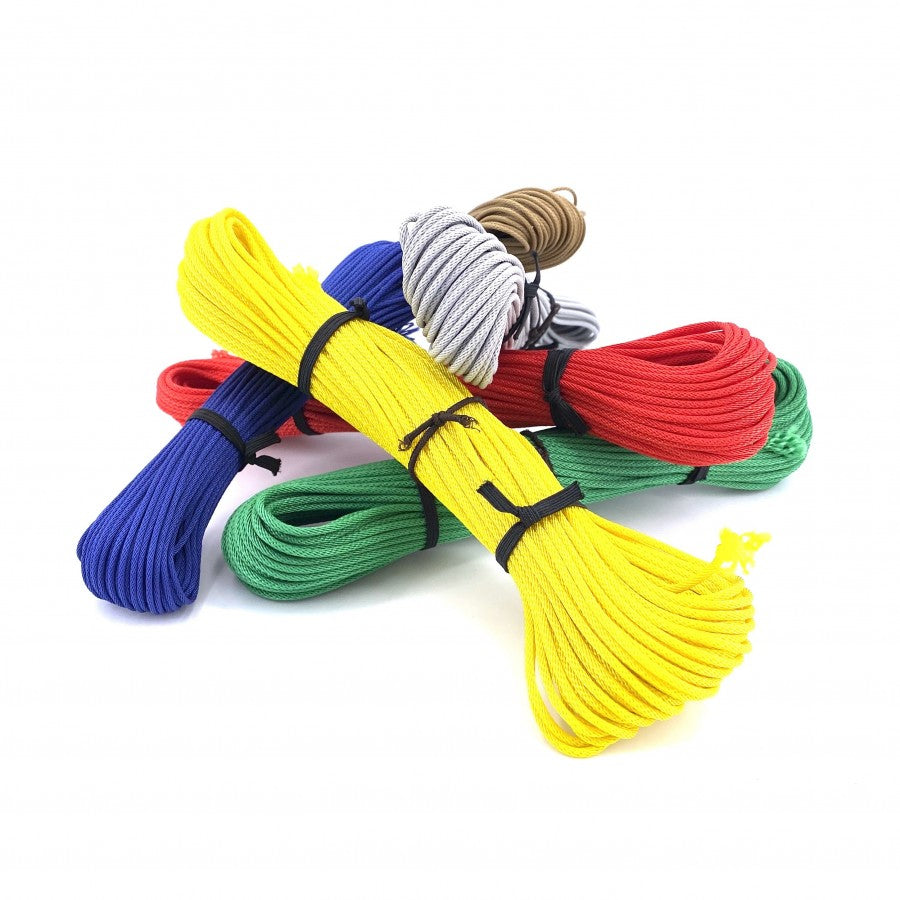
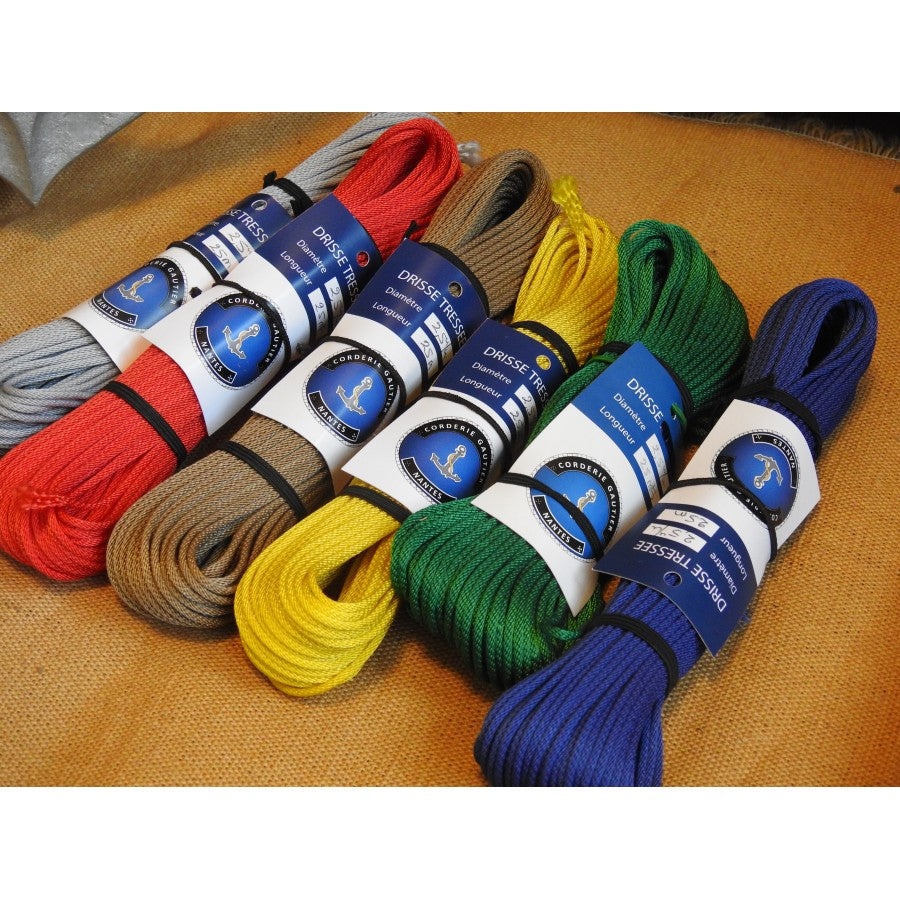
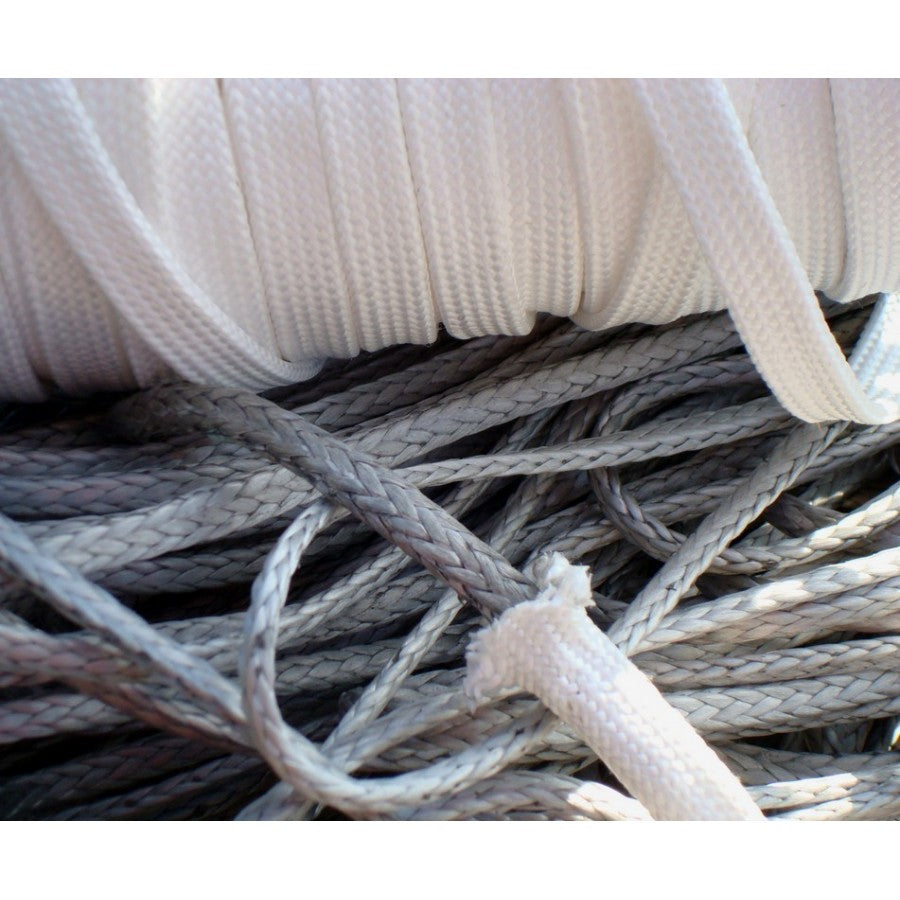
These tools are suitable for both boat maintenance and the manufacture or restoration of marine equipment. To complete your equipment, also discover our selection of ropes dedicated to boating, adapted for different maneuvers, mooring, and rigging.
Nautical and Decorative Splicing and Seamanship
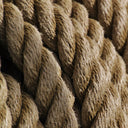
Splicing and seamanship is no longer limited to the maritime world. Traditional techniques are now used to create decorative objects inspired by the marine world. Hemp, cotton, or sisal ropes allow for authentic finishes, handles, suspensions, deck mats, or even decorative elements for homes, businesses, and public establishments.
Our workshops also carry out decorative splicing work, notably whippings on wooden handles, knives, splicing fids, and other accessories. Whether your project is for navigation or decoration, you will find here the necessary materials as well as products designed to combine functionality, durability, and quality of finish.
Frequently Asked Questions
Your frequently asked questions for safe and effective use
Housing
Boating
Agriculture

Work and safety

Sports and leisure
DIY and Garden