


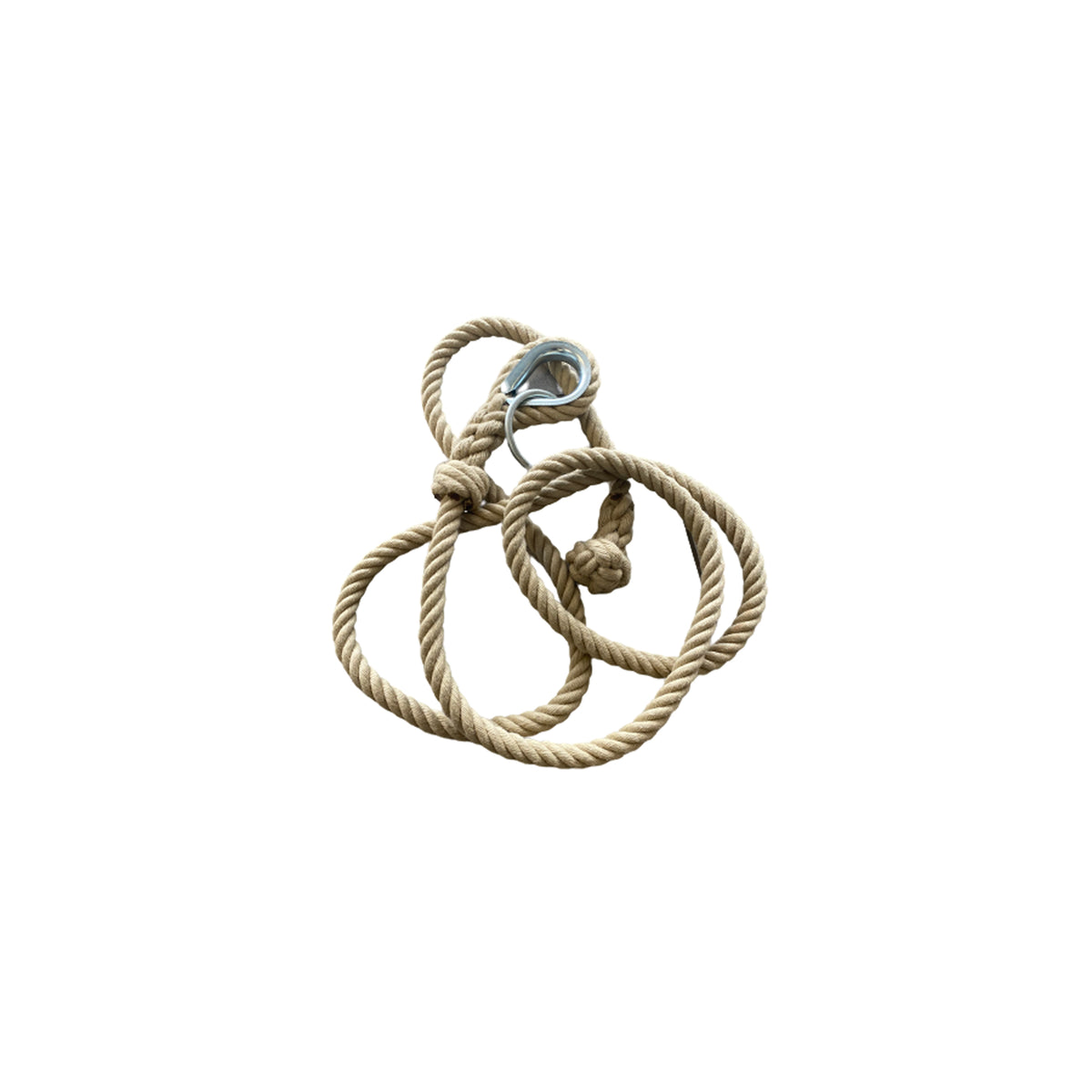
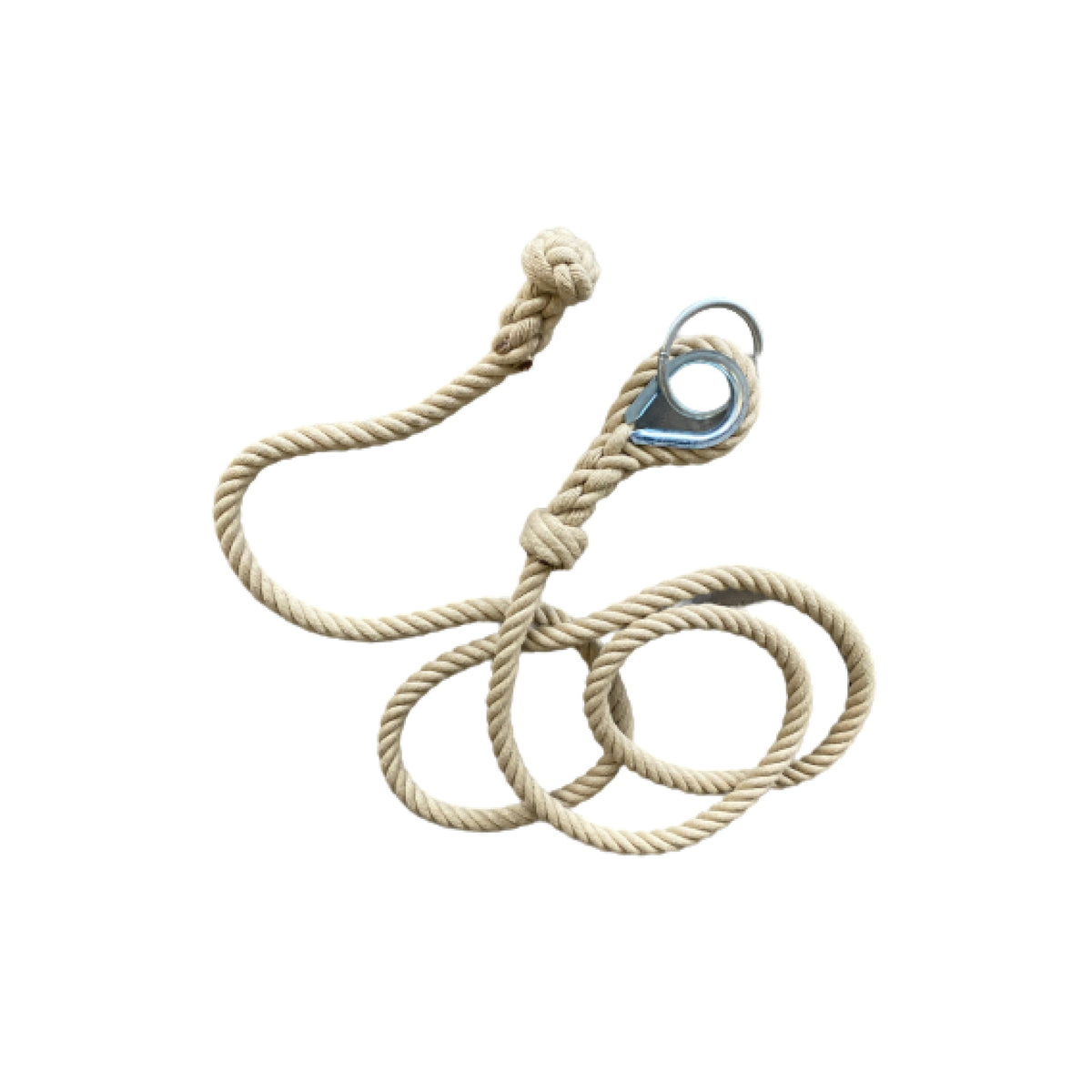
Custom-made synthetic hemp smooth climbing rope
Free shipping on orders over 250€
for delivery in Metropolitan France
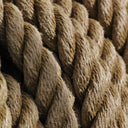
- Material: Textured polypropylene, with the look and feel of natural hemp
- Composition: 100% polypropylene
- Construction: Twisted rope, 3 or 4 strands
- Type: Smooth rope, without knots
- Treatment: Anti-UV, rot-proof, water repellent
- Odorless material: Yes, unlike natural hemp
- Splices: Hand-made, without plastic parts
- Usage: Indoor and outdoor, permanent installation
- Manufacturing: Artisanal, France, rope of French origin
- Lead time: Custom made, shipped within 72 hours
Custom-made synthetic hemp smooth climbing rope28 mm / 2 m / Heart podSale price72,72€
Custom-made synthetic hemp smooth climbing rope
Product details
Hemp-style climbing rope
Textured polypropylene replicates the look and feel of natural hemp, without its drawbacks.
It does not absorb water or moisture, does not grow mold, and is UV-resistant: your rope can remain in place all year round, in both rain and sun, without hardening or degrading.
It can be installed indoors or outdoors, on a beam, a frame, a swing set, or a metal structure.
Versatile and robust, this rope adapts to all environments: professional training (army, police, fire department...), school gyms, fitness centers, CrossFit boxes, obstacle courses, or recreational facilities.
It is suitable for both intensive use and occasional use.
Handcrafted in France
Security
Nets and ropes for indoor and outdoor design
Housing

For catamarans, leisure or competition boats
Boating
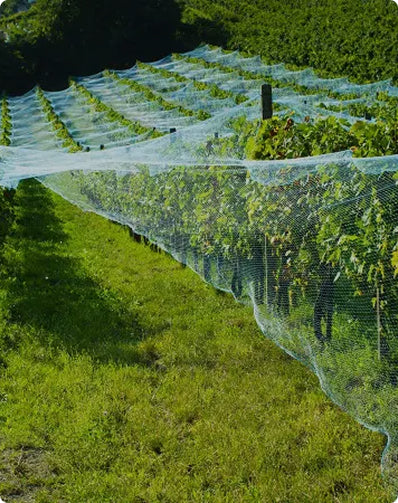
Nets, ropes and accessories for all uses
Agriculture
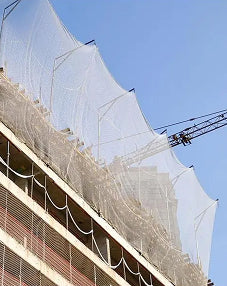
For forestry, construction, logistics
Work and safety
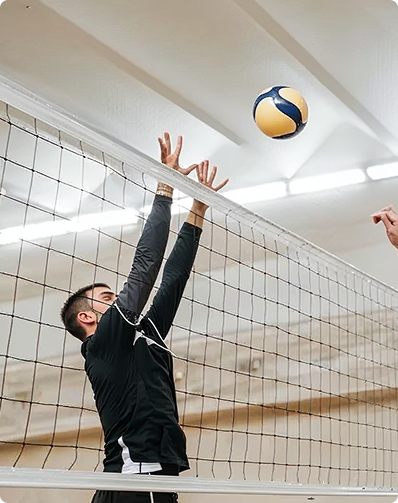
Football, tennis, weight training...
Sports & Leisure

Wood protection, outdoor netting, garden twine...
DIY and Garden
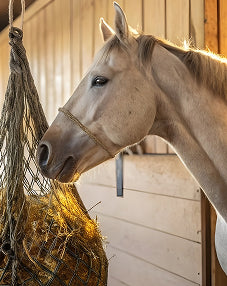
Nets and ropes for horses, cats, dogs, birds...


