Products
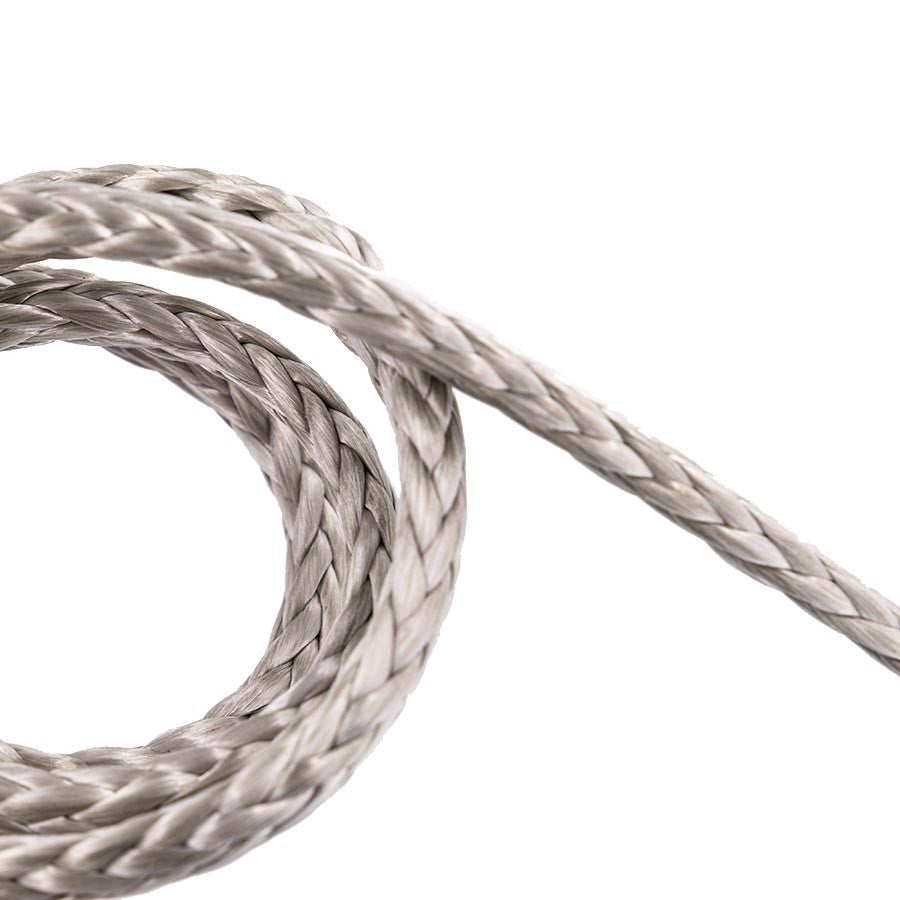
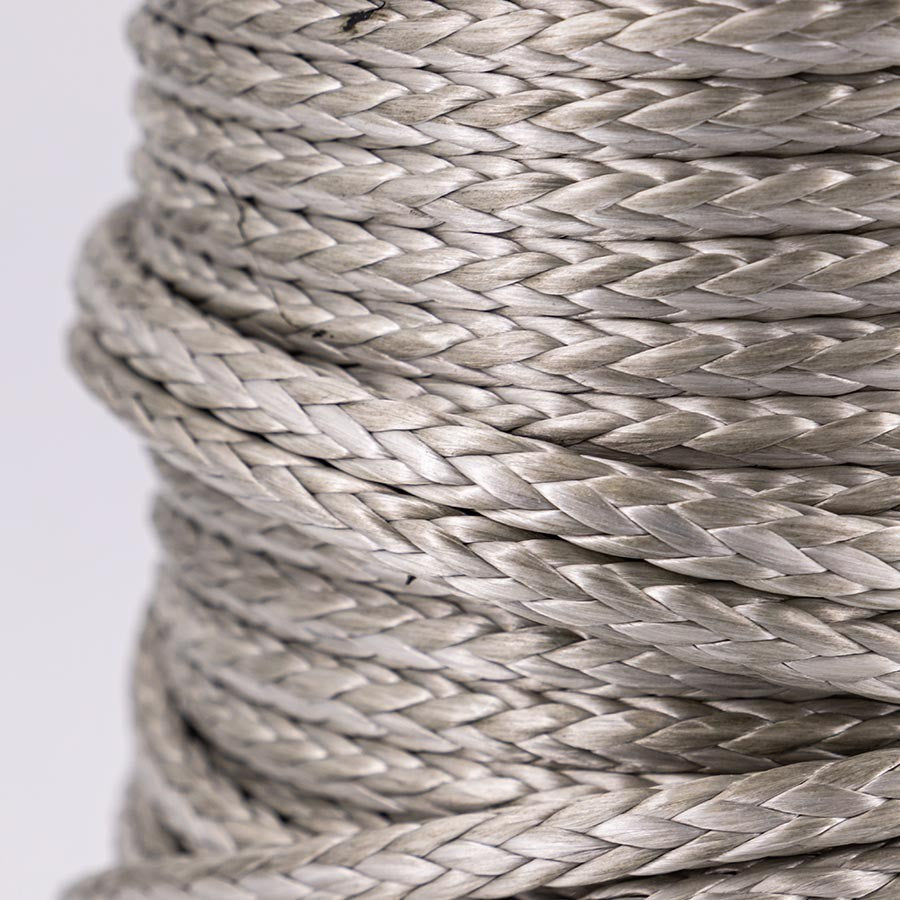
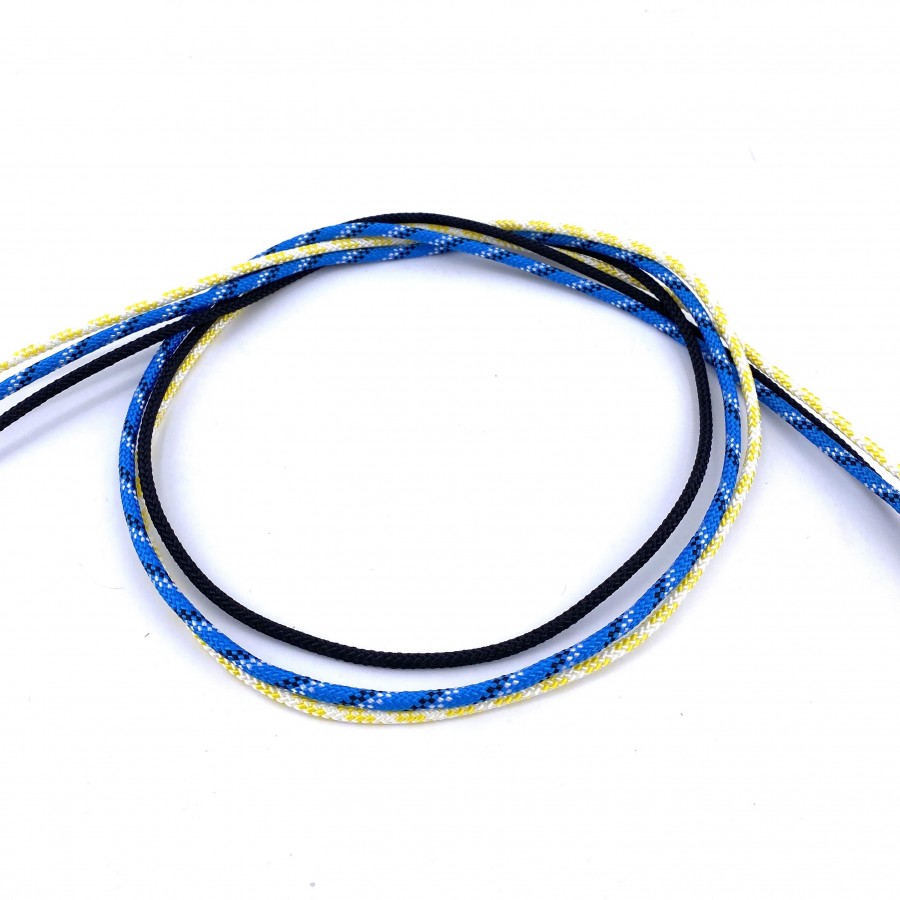
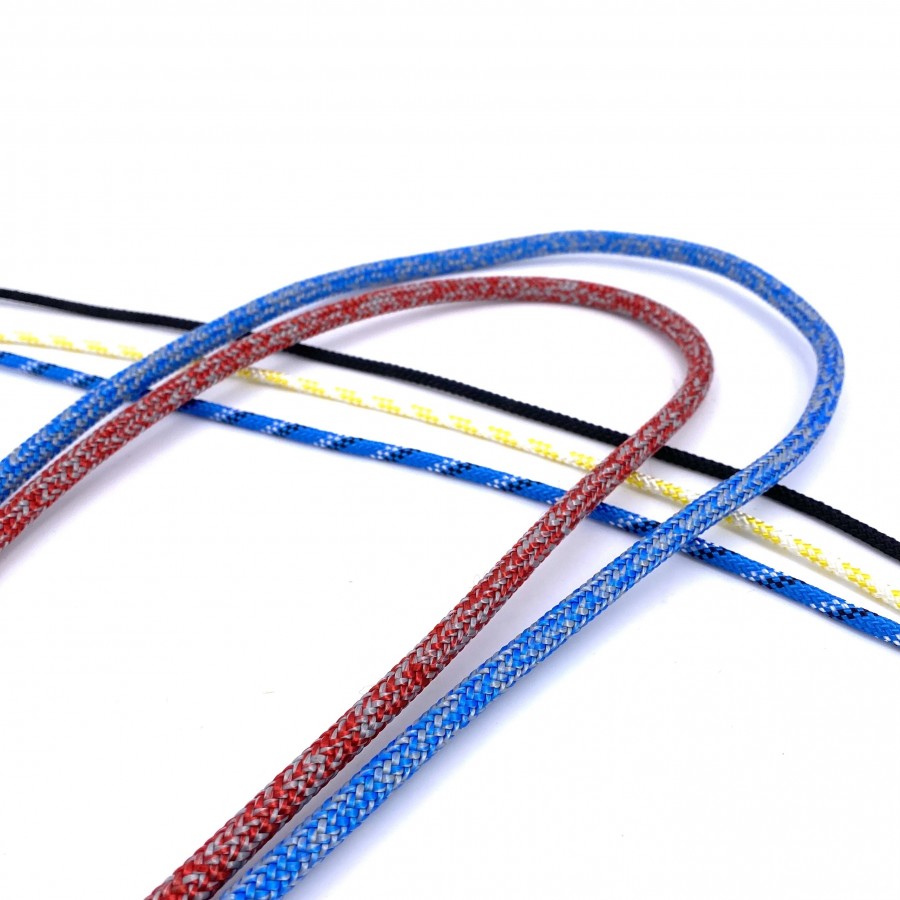
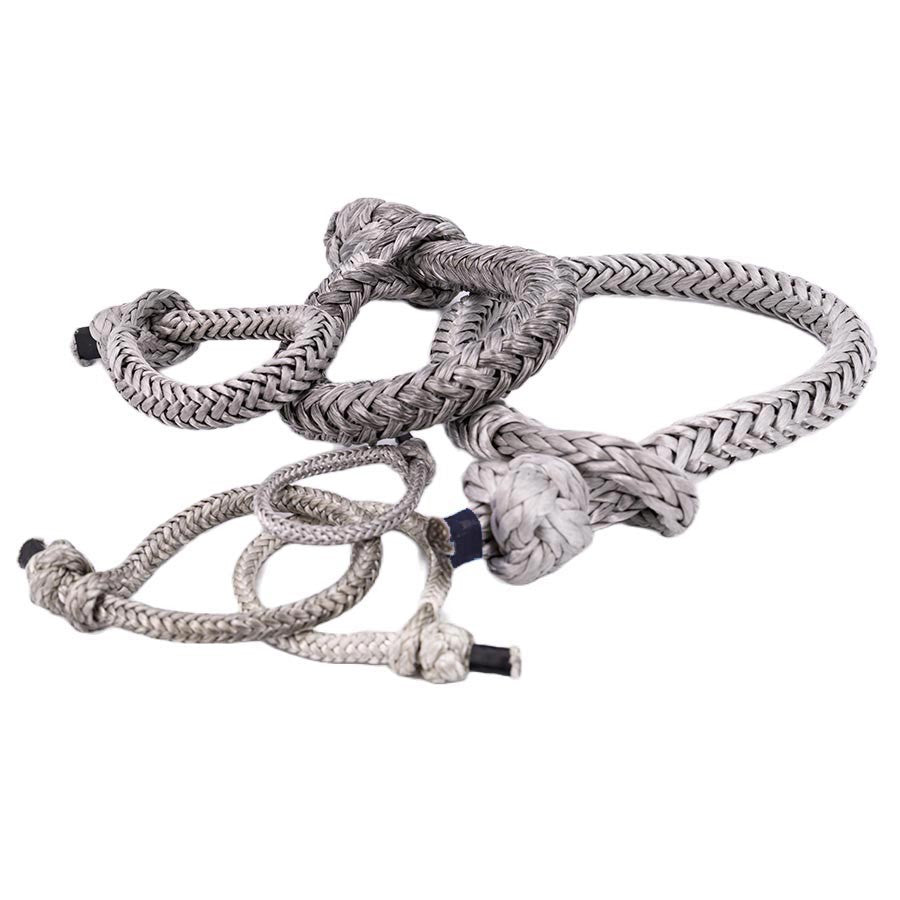
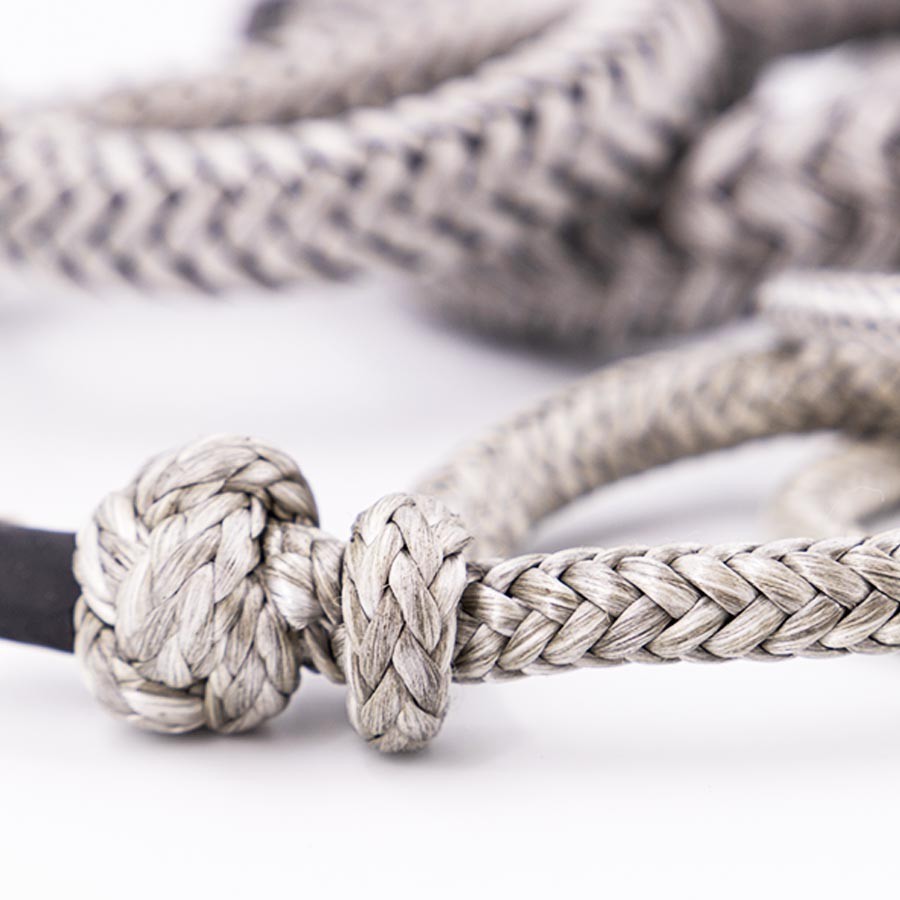
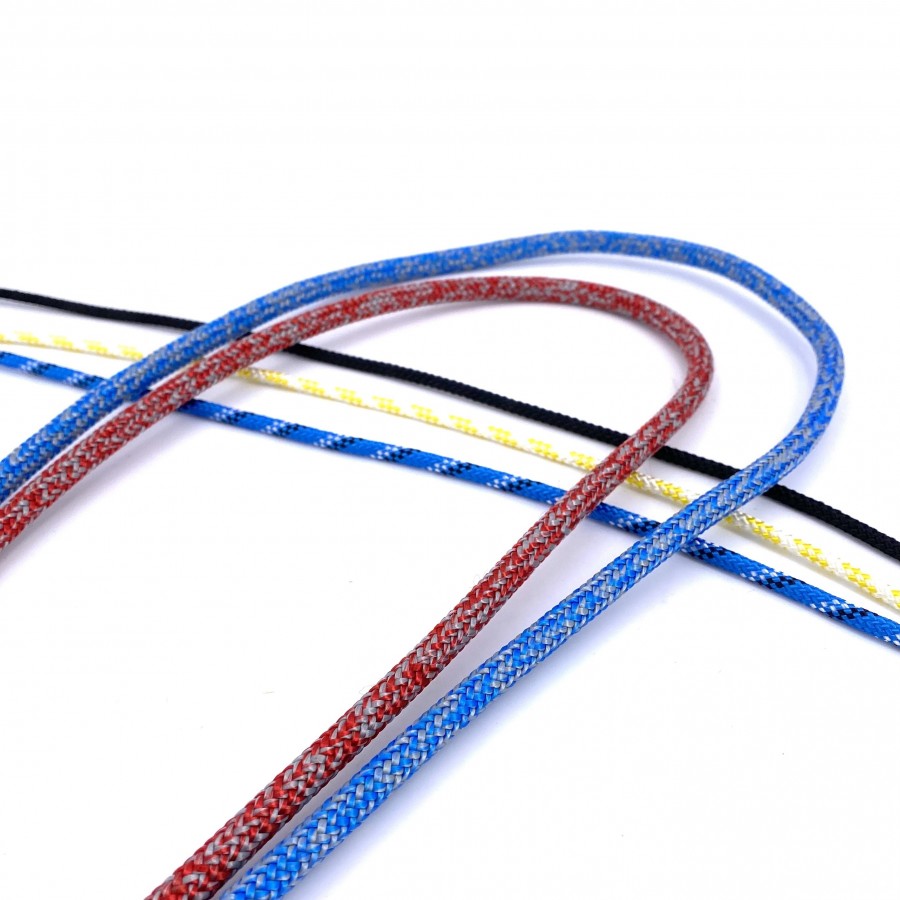
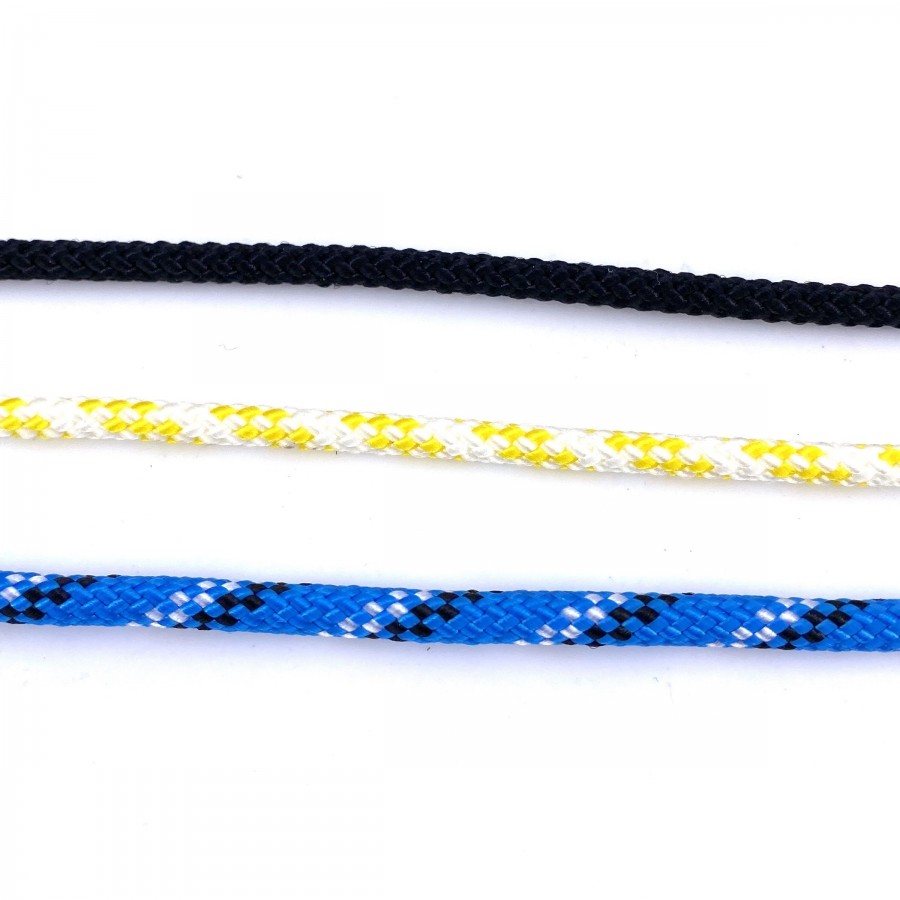
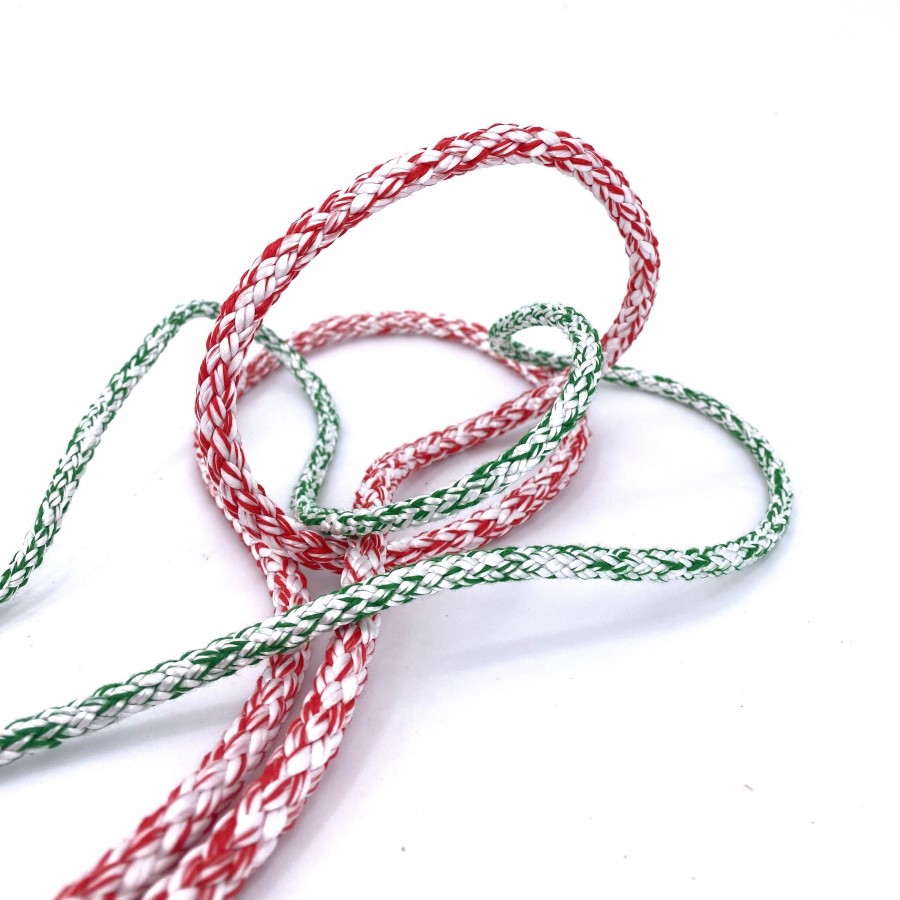
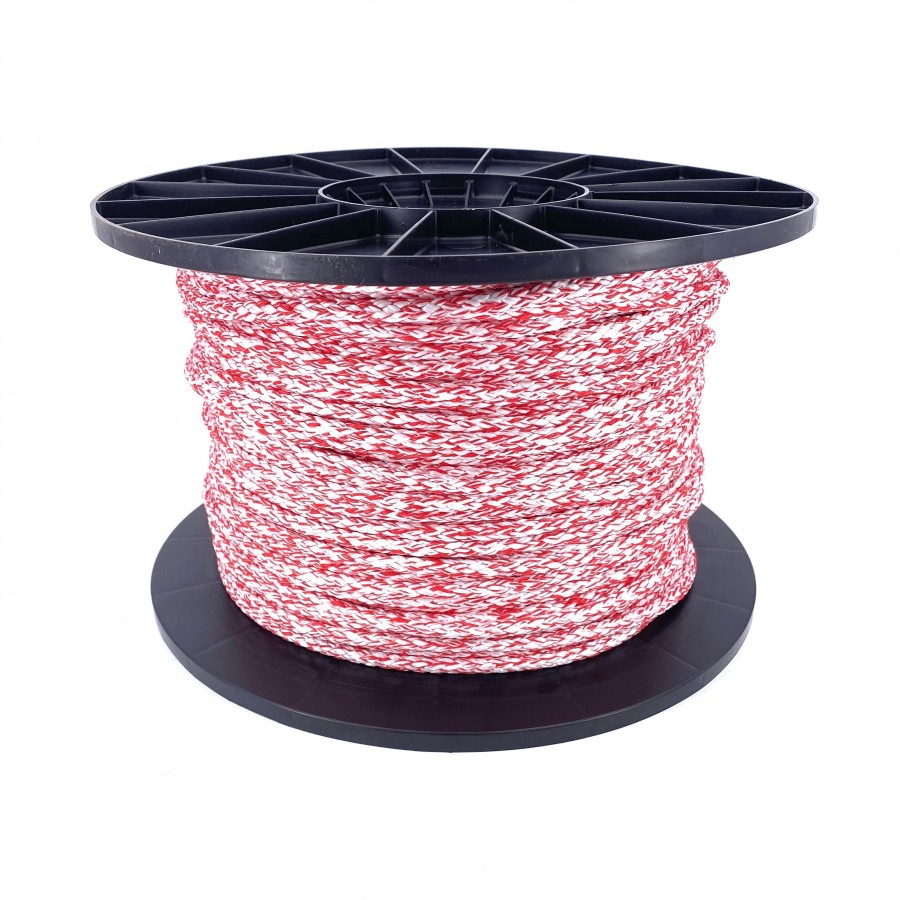
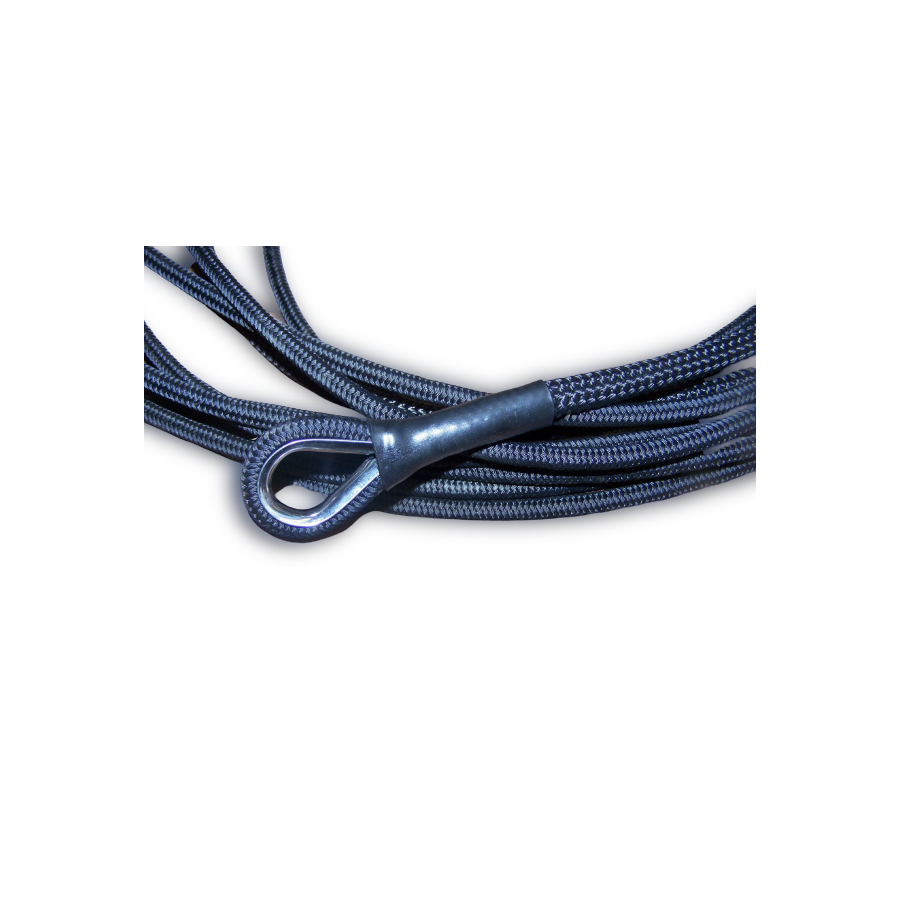
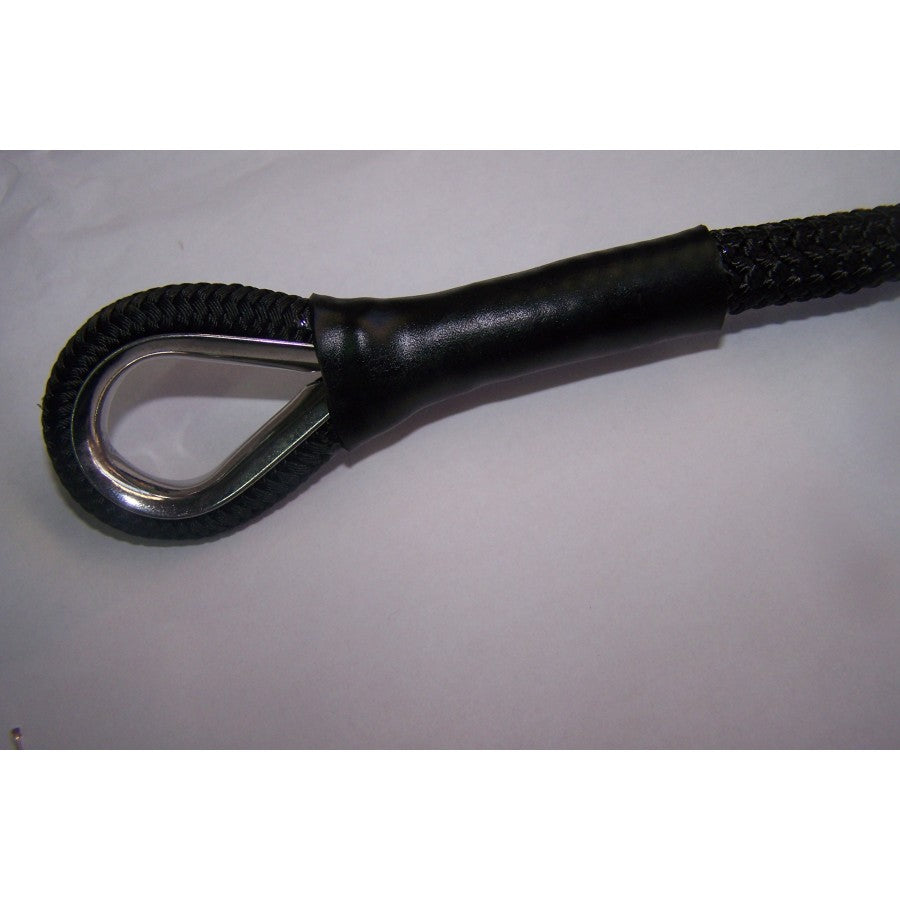
For boaters seeking performance and sailors wishing to enter regattas and sporting competitions, investing in high-tech ropes is a necessity.
Here, we forget 100% polyester ropes: to maneuver a sail with great efficiency, you need a high-end technical fiber halyard or sheet.
Reduce elongation
We are not talking about creep but rather about the elongation of the rope under a heavy load.
Even high-quality polyester rope will have an elongation between 4 and 7%.
A racing halyard with a high-modulus polyethylene fiber core will have an elongation of less than 1%.
Less elongation means less energy loss. It's the assurance that the halyard will maintain its setting. It's less effort and time to take in the rope.
A 20m polyester rope with 7% elongation will stretch by 1.4m.
A halyard of the same length made of HMPE with <1% elongation will stretch by less than 20cm! More than 1m difference. In a regatta, this time saving is considerable.
A less technical rope and your competitors will pass you by.
Break strength
With a rather heavy sailboat or in strong winds that exert great pressure and peak loads on the sails, halyards and sheets are put through their paces and subjected to very high tensions.
A highly resistant marine rope will reduce the risk of breakage and ensure you stay in the race.
With high break strength, it is also possible to reduce the diameter of the rope. And when you have dozens of meters on board, it affects the weight of the boat and its stability.
Even without participating in regattas, while the boater who sails occasionally can perfectly well be satisfied with polyester halyards, someone who regularly goes to sea in all weathers will wear out their equipment more and will need it to be more resistant.
Dyneema Core
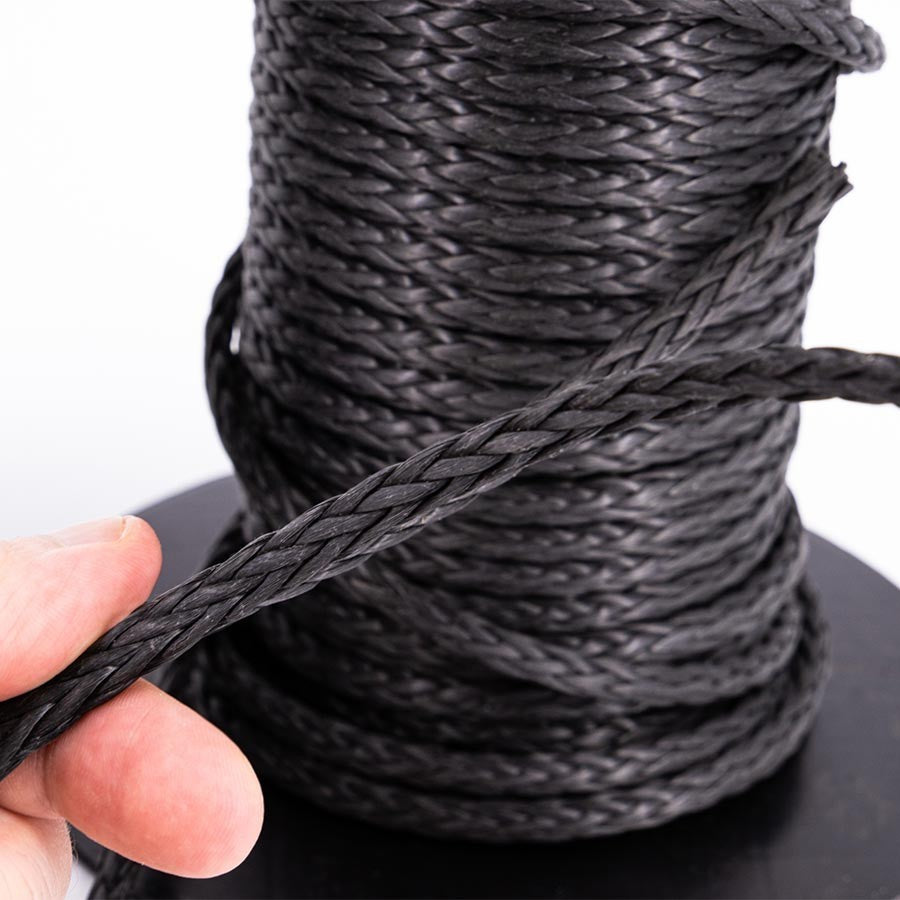
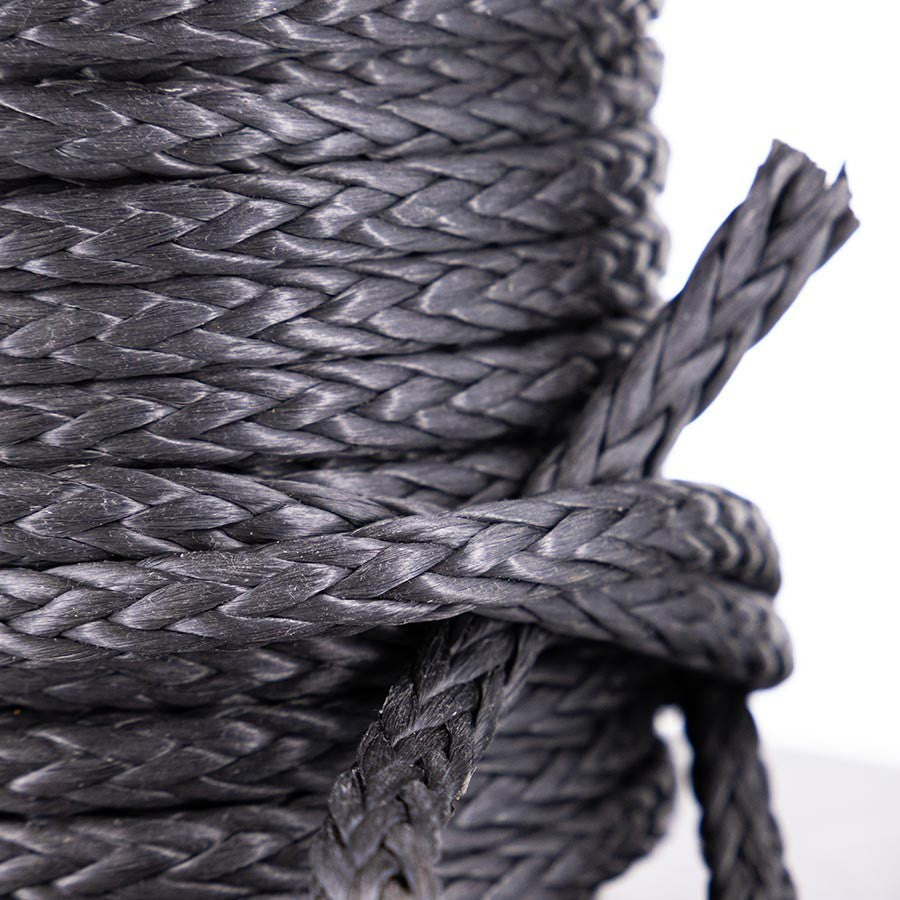
The most technical fiber par excellence for sailors is high-modulus polyethylene.
By habit, we generally only talk about the two leading brands of manufacturers: Dyneema or Spectra (more common across the Atlantic).
Ask an old seaman or a skipper what makes a high-performance halyard, and the answer will be Dyneema.
Break-resistant and very abrasion-resistant, UV-resistant, long lifespan, very low elongation, lightweight, does not absorb water…
Opt for a rope with a Dyneema core.
However, it is not a miracle product either, and it has its drawbacks.
Hence the choice of sheathing with another material or an oversheath.
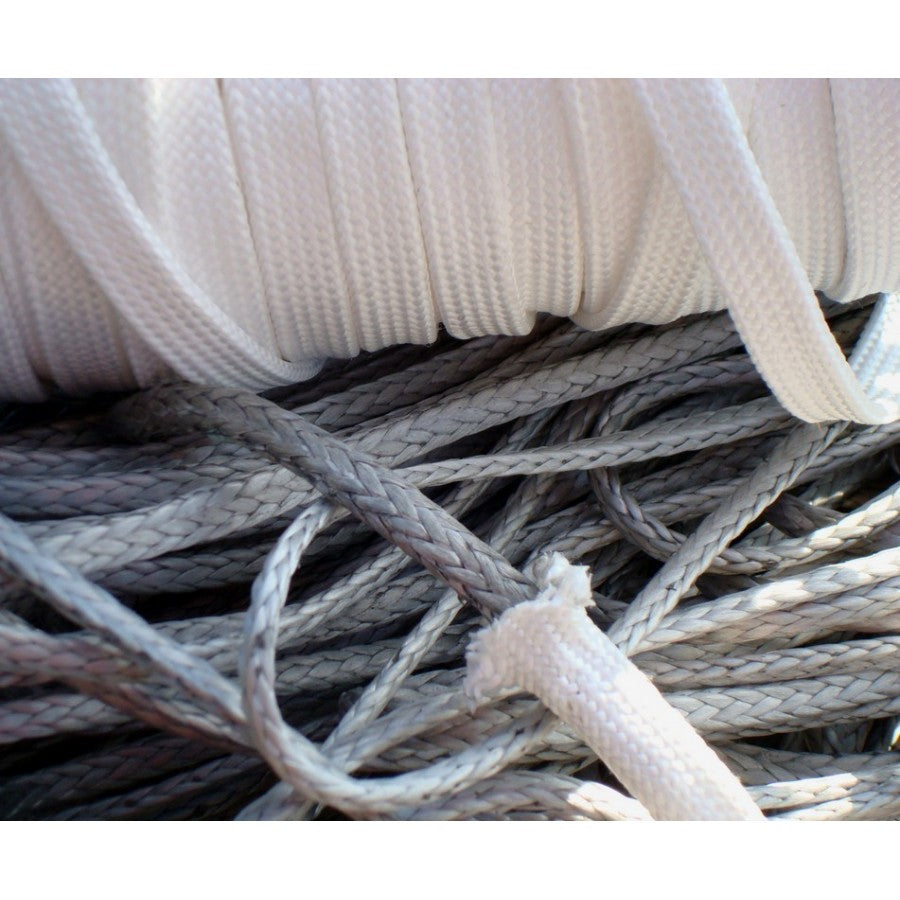
Polyester sheath
A 100% Dyneema halyard would not hold in clutches: it's far too slippery.
A 100% polyester sheath with a high number of plaits, 24 or 32, will ensure excellent grip in the blocker: polyester has a much higher friction coefficient than high-modulus polyethylene.
Polyester is also more pleasant to handle and offers better grip, very useful for sheets, especially the Mainsheet or the spinnaker sheets.
Gain every second
These high-level halyards and sheets obviously cost more than more classic and versatile ropes.
But as soon as one embarks on the pursuit of performance, competition, and increased efficiency, every second gained during maneuvers and over competitors counts towards winning.
Greater comfort
If you have the budget and can fully equip your sailboat with technical ropes, even for cruising, you will gain comfort and be able to fully enjoy your trips at sea and the beauty of the ocean.
Housing
Boating
Agriculture
Work and safety
Sports and leisure
DIY and Garden