Skip to content
Cart

Your cart is empty

Continue shopping

Fillets

Discover our range of nets: products for all needs, primarily custom-made.

Products

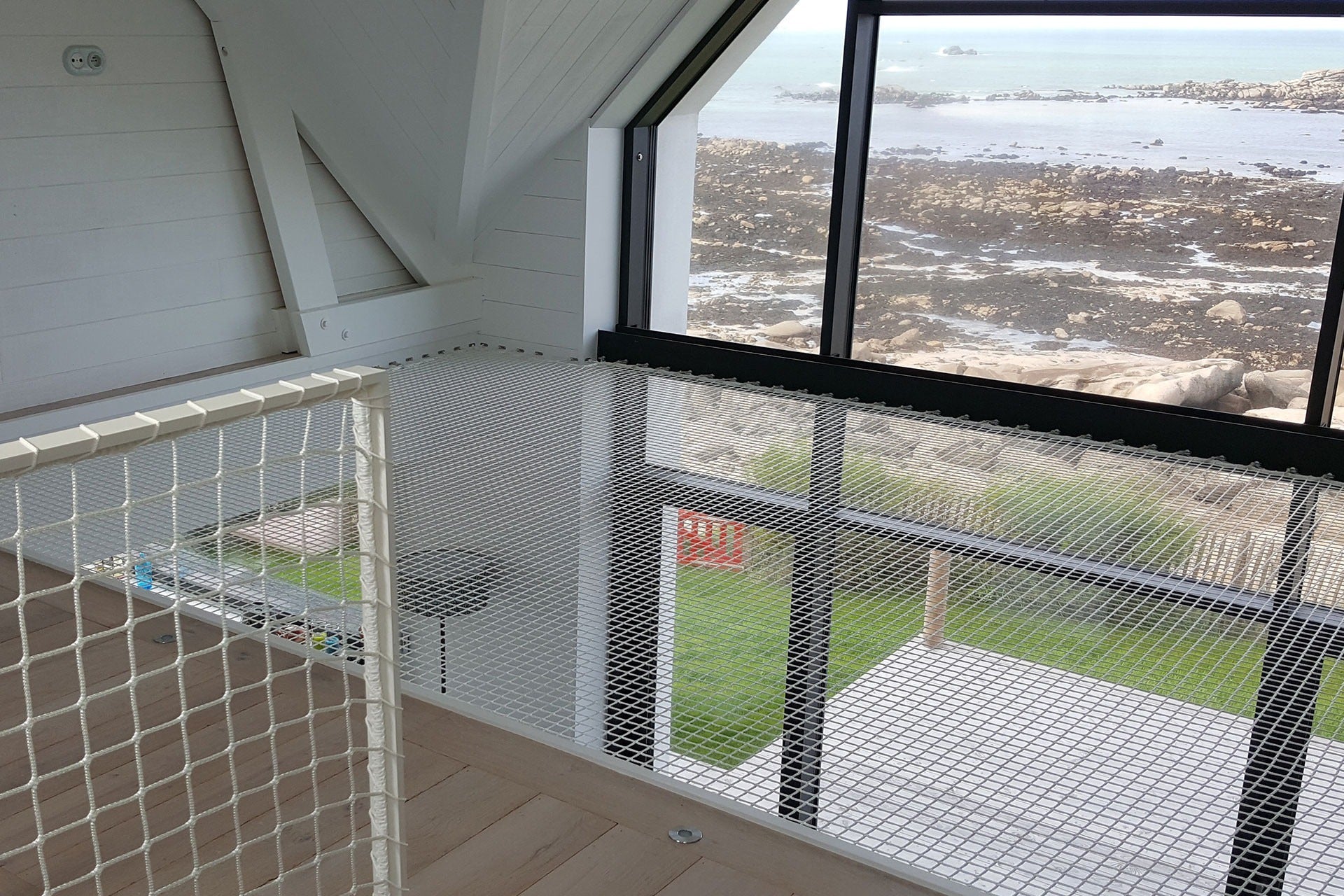
Filet anti-chute sécurité garde-corps
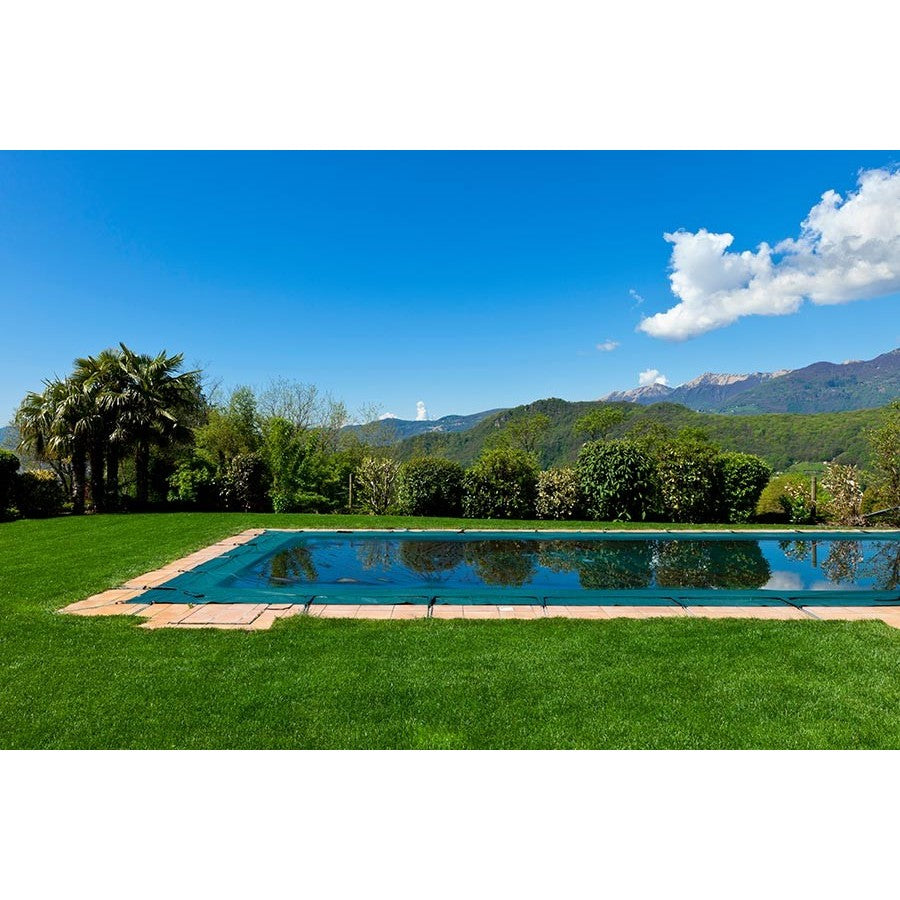
Filet anti-feuilles et salissures pour piscine
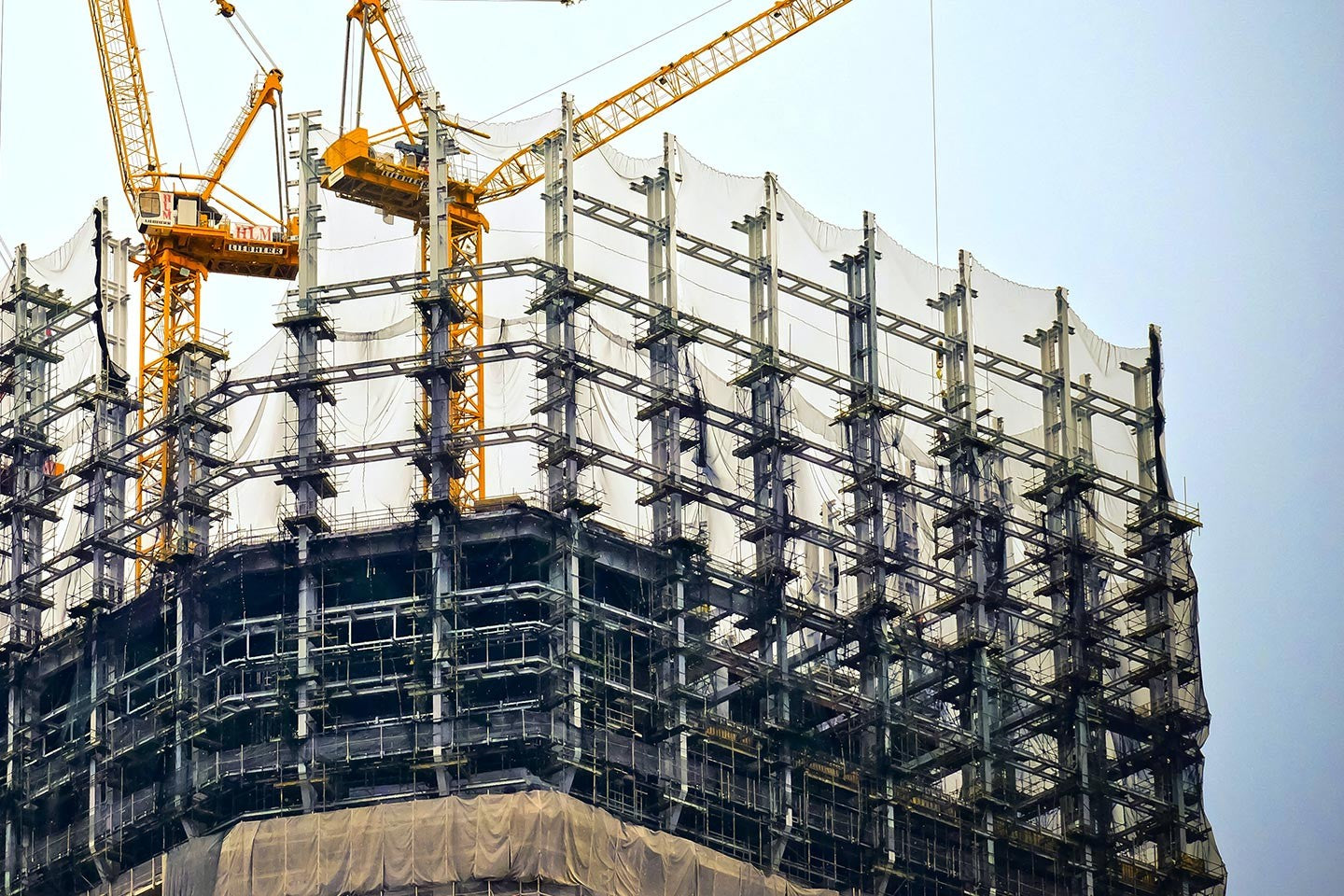
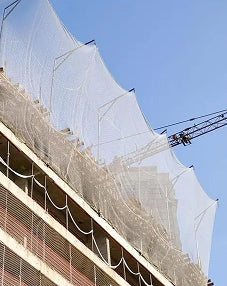
Filet de sécurité anti-chute et pare-gravats
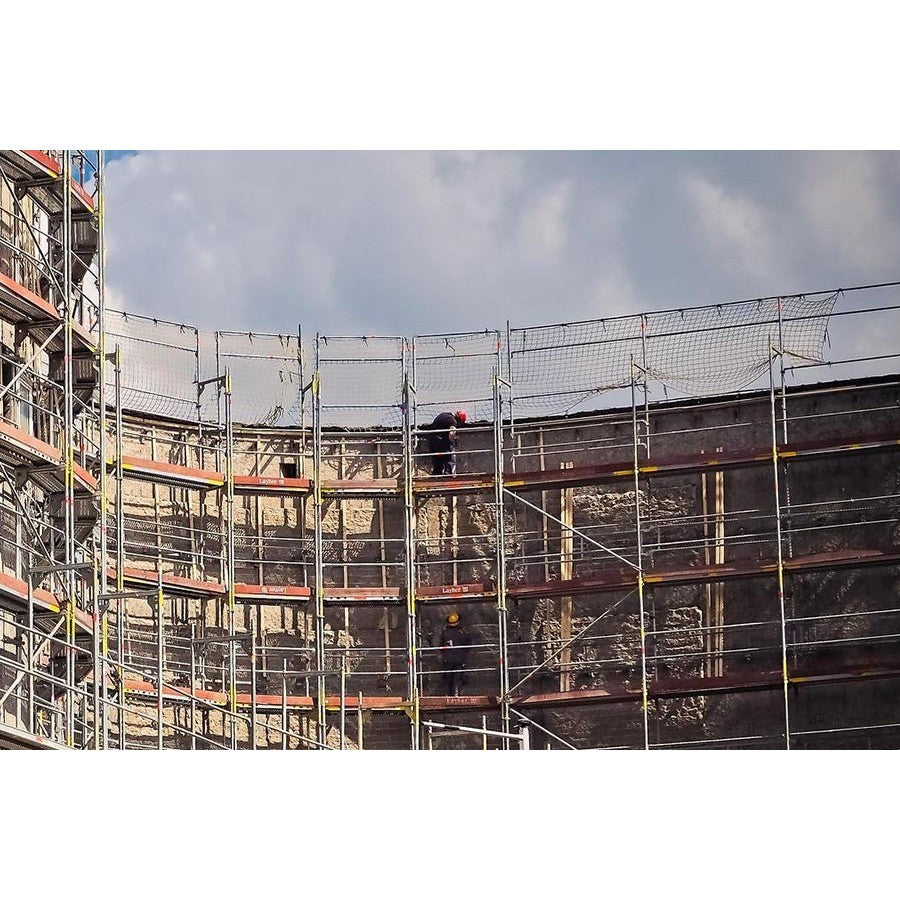
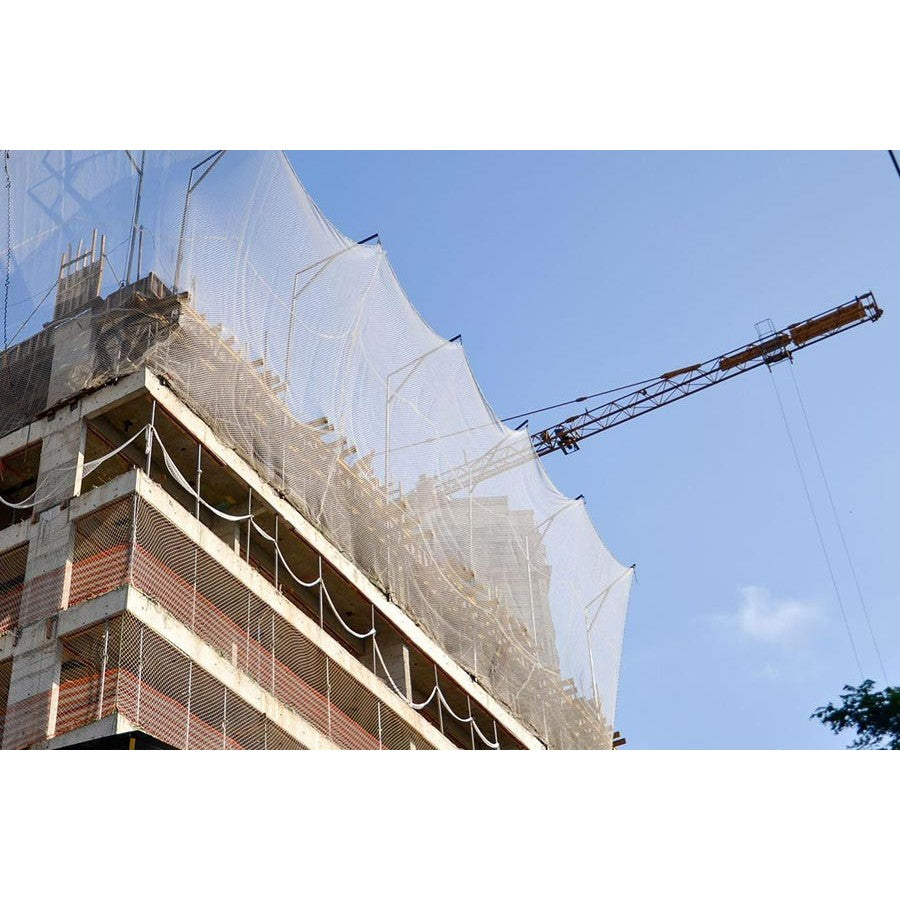
Filet de sécurité anti-chute d’Homme normé EN 1263-1
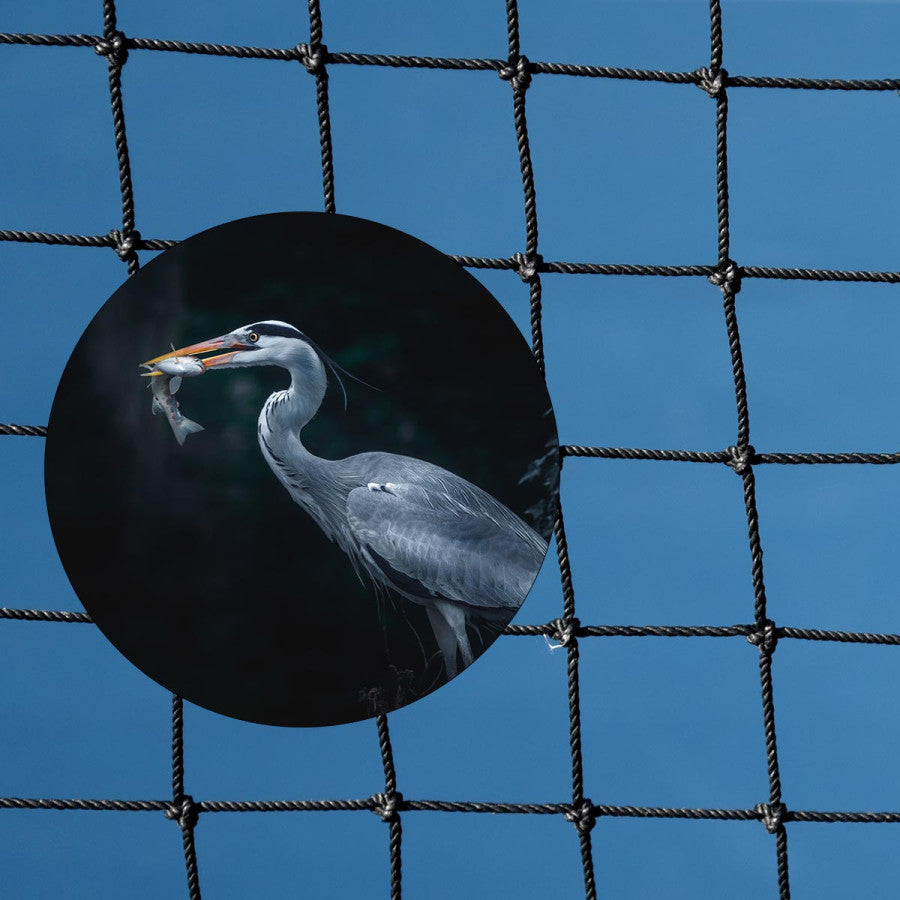
Filet anti-héron et piscivores 145 mm
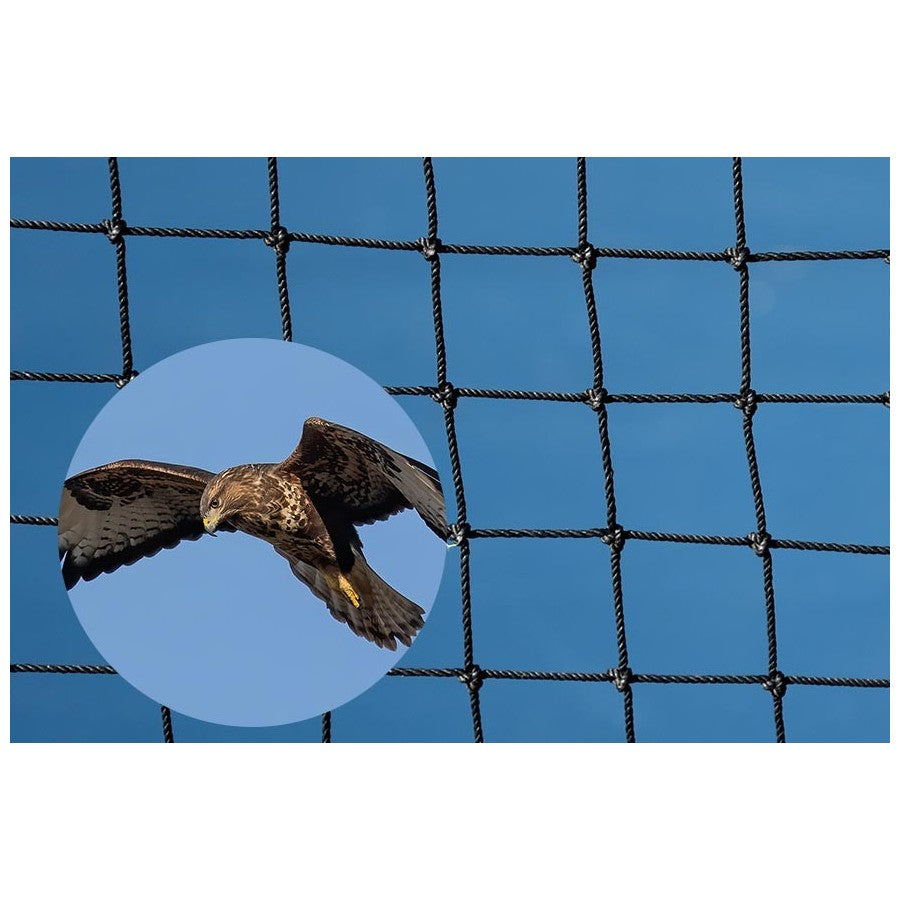
filet anti rapace
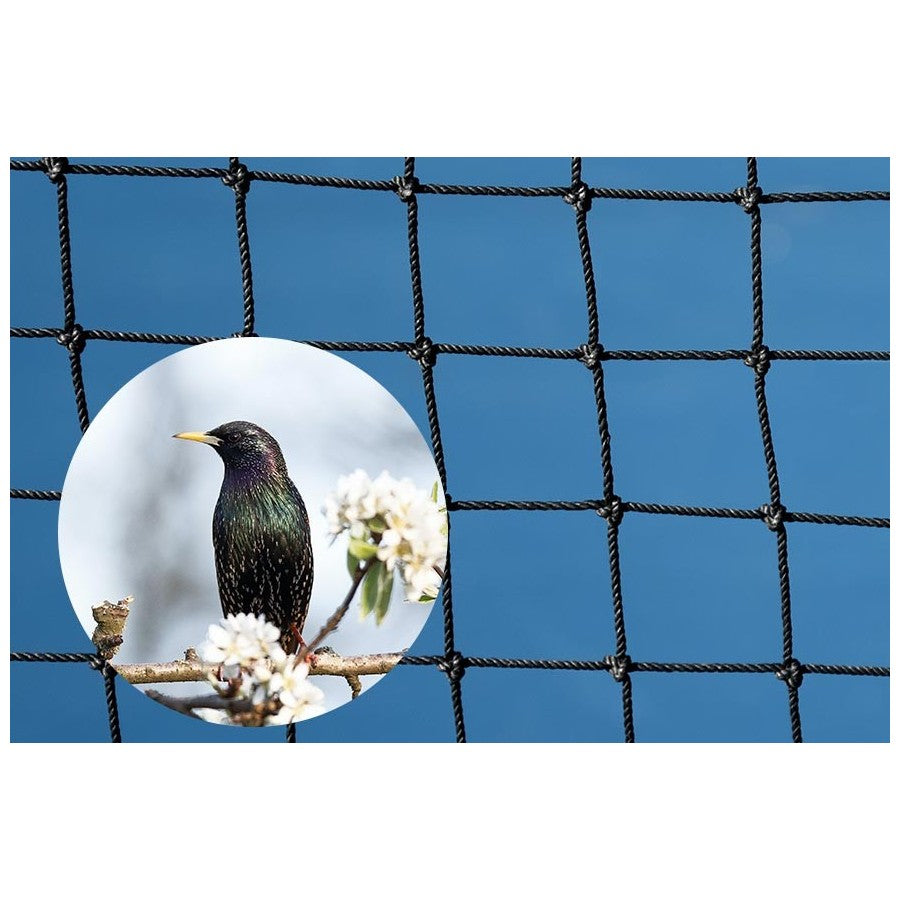
Filet anti-étourneaux mailles nouées 28 mm
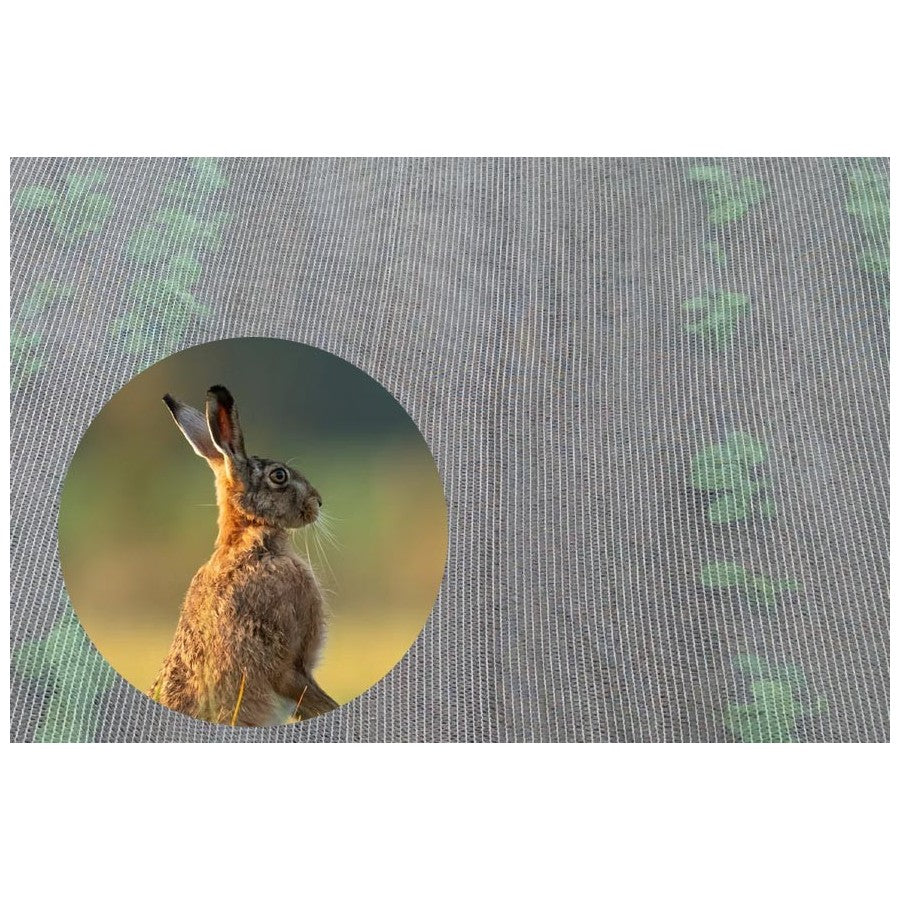
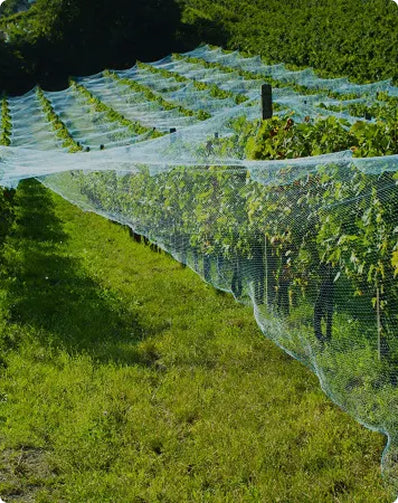
Filet bioclimatique pour cultures et fruitiers
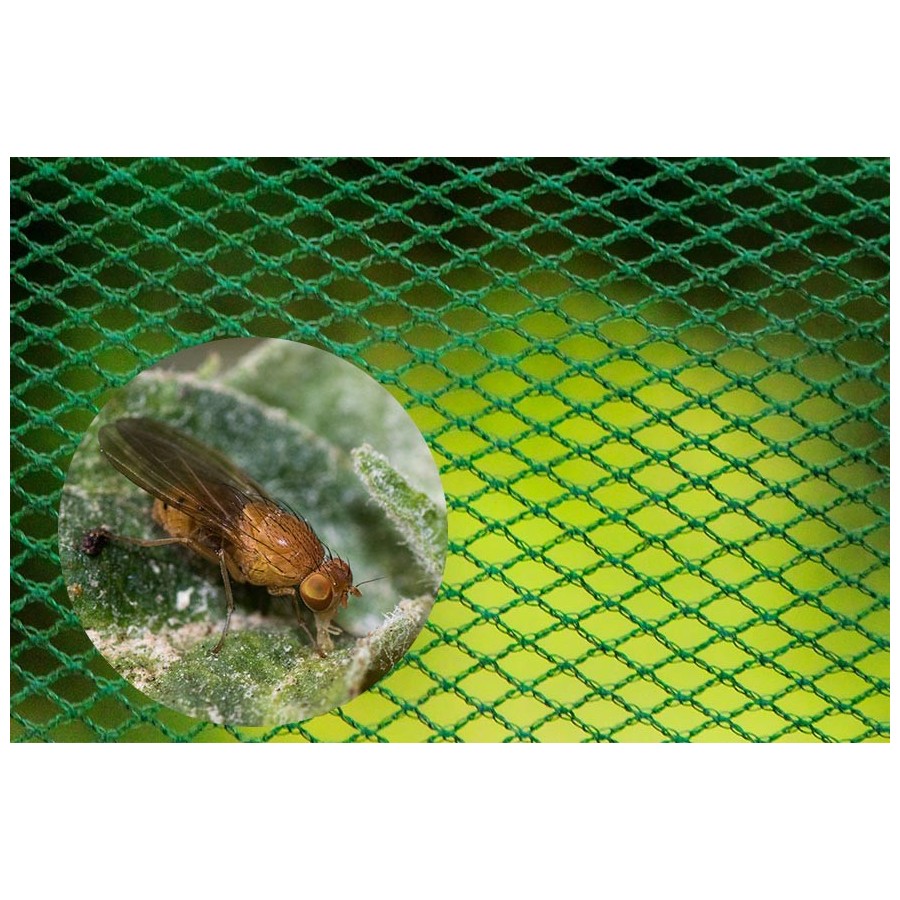
filet anti mouche de la cerise et anti insectes
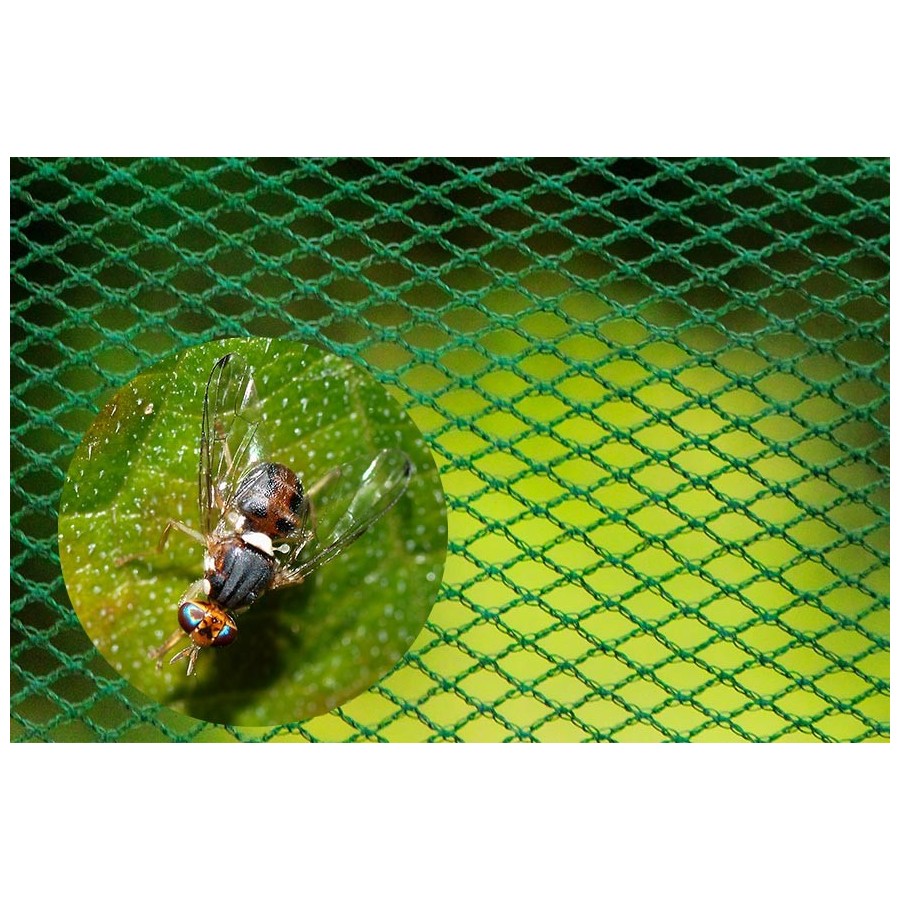
Filet anti-mouche de l’olive
Quote on request
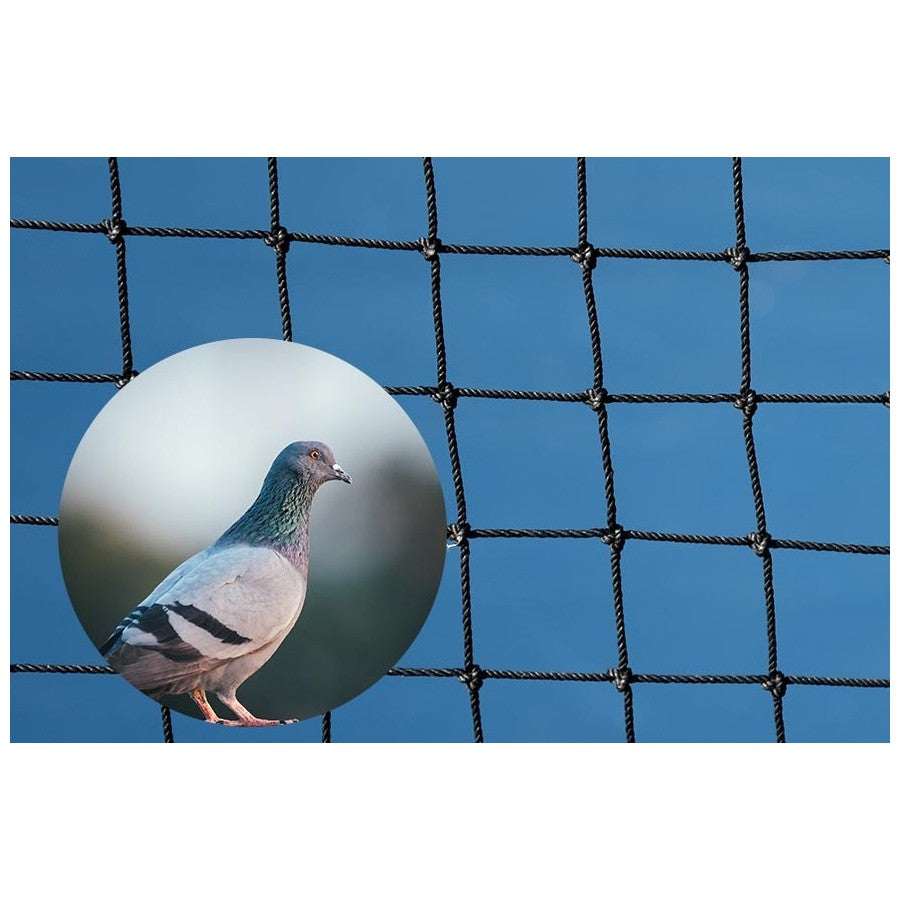
filet anti pigeon
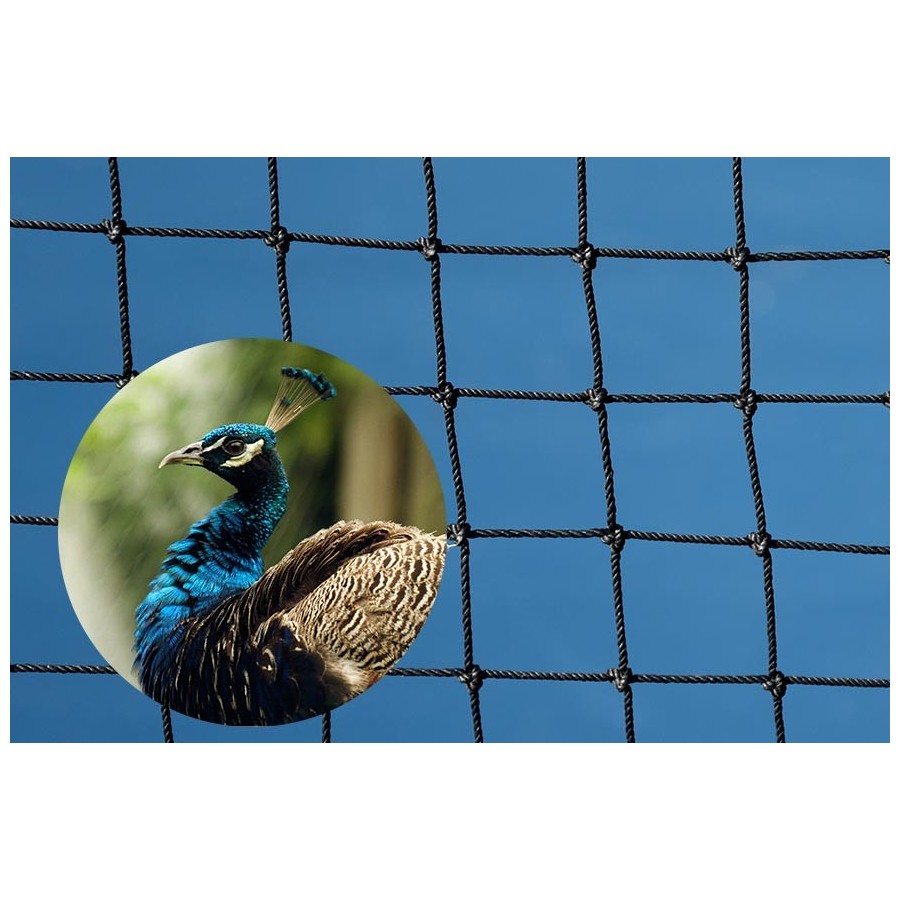
filet volière paon
From 76,80€
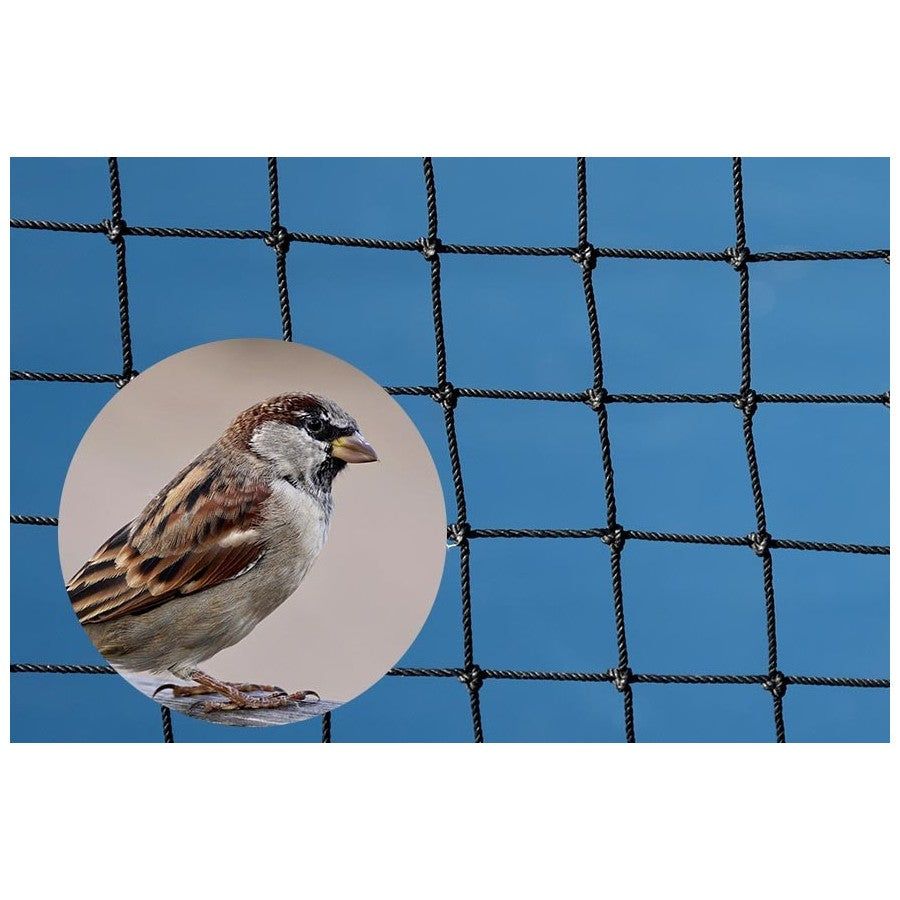
filet anti moineaux
Filet pare-ballon polyamide 25mm lesté
Filet pare-ballon 100mm coloré
Quote on request
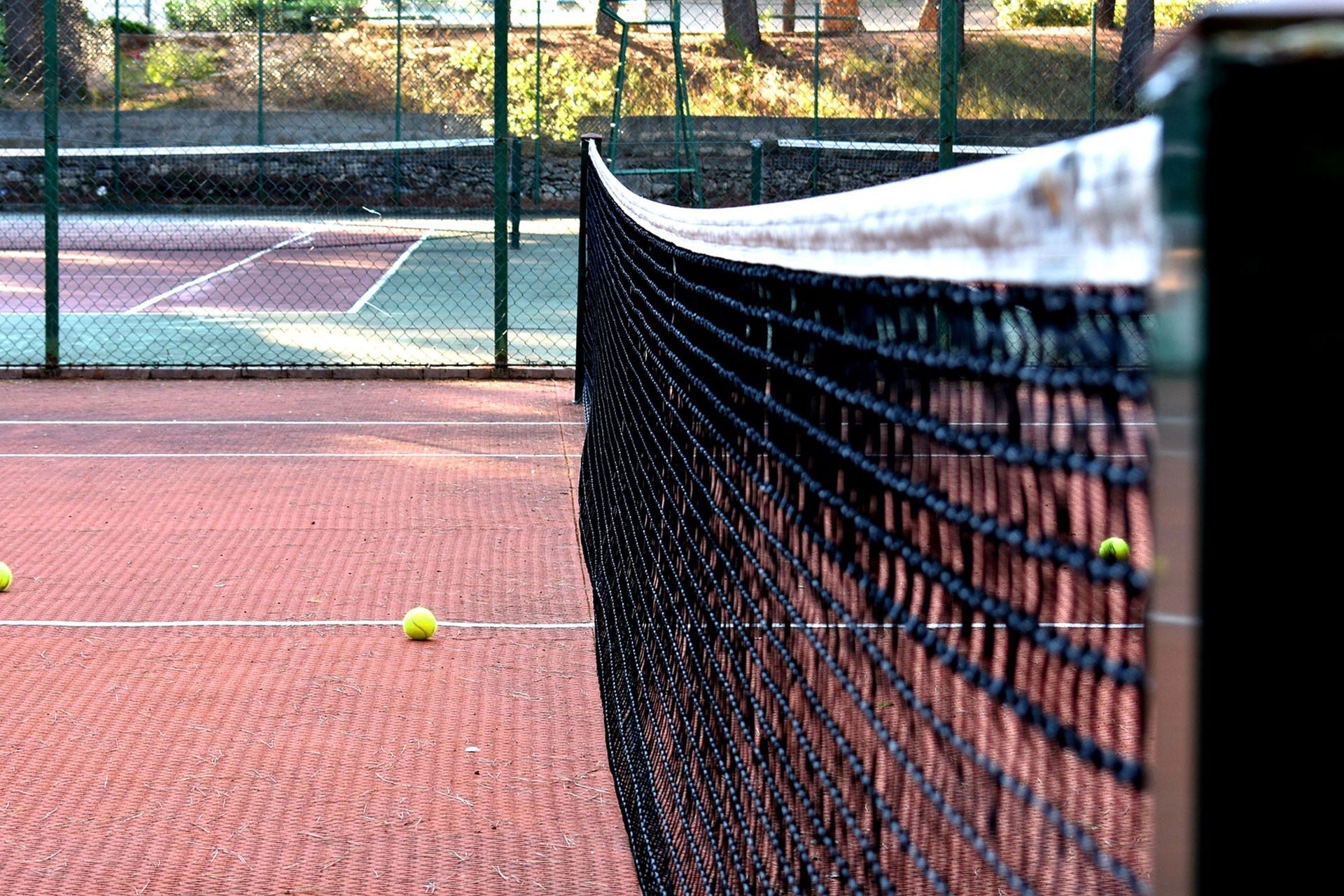
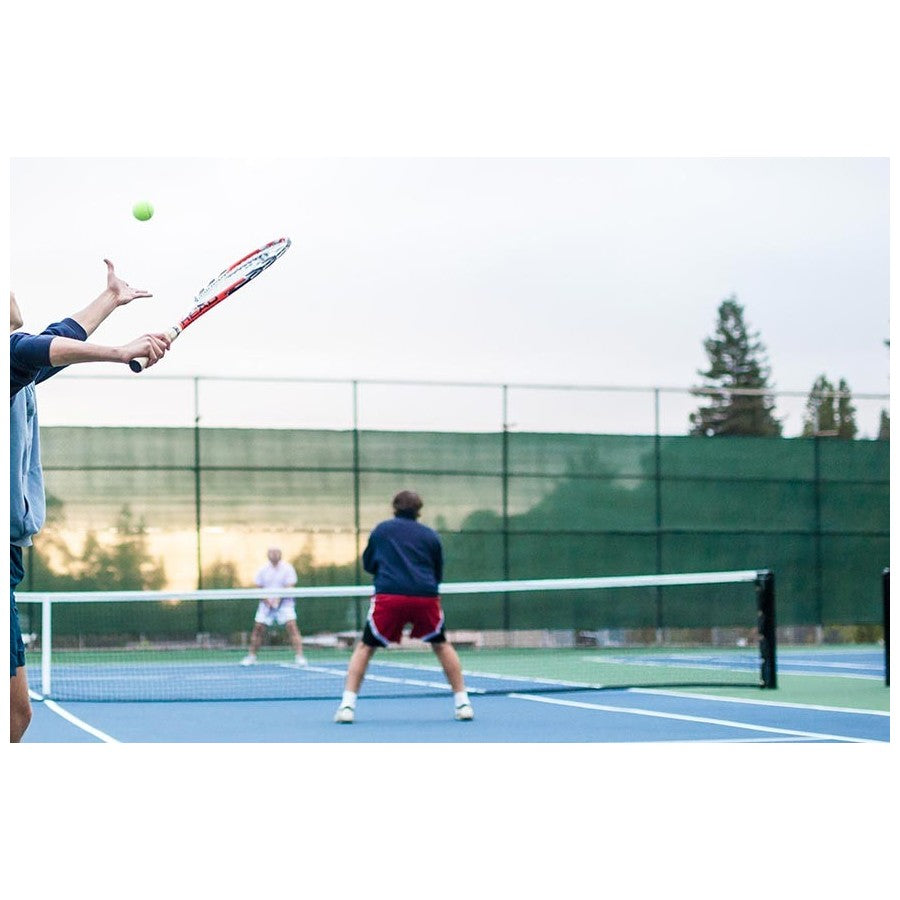
Filet pare-ballon 48mm terrain de tennis
Quote on request

The art of artisanal net making

Welcome to the world of netting at Corderie Gautier.

More than just an assembly of threads, netting is a technical product that combines traditional craftsmanship with industrial performance. Whether for protection, sport, industry, or decoration, we put our expertise at the service of your most demanding projects.

Discover artisanal know-how that continues to be perpetuated in France in our workshop.

Nets for all your projects

Whether it's for protecting, securing, furnishing, or equipping a space, netting is a versatile and high-performing solution. Thanks to our custom manufacturing, we offer a wide range of nets adapted to the needs of professionals and individuals alike, for both indoor and outdoor use. Depending on your application, our nets are made from different materials (polyamide, polyester, polyethylene, or polypropylene), with various mesh sizes and reinforced finishes to meet requirements for strength, safety, and durability.

Our range covers many applications. Each use has its own mechanical, climatic, or regulatory constraints, which is why we offer nets specifically designed for their environment.

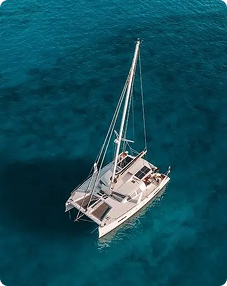
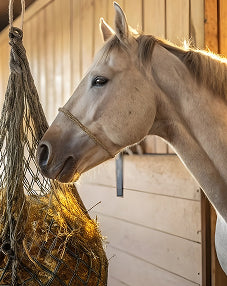
Whether you are looking for a habitation net, a catamaran trampoline, an agricultural net, a sports net, a protective net, an animal net, or any other custom net, you will find a solution adapted to your project. Our teams will assist you in choosing the material, mesh size, wire diameter, and finishes to obtain a net perfectly sized for your installation.

Understanding netting terminology

Here are the key concepts to know when choosing your net structure:

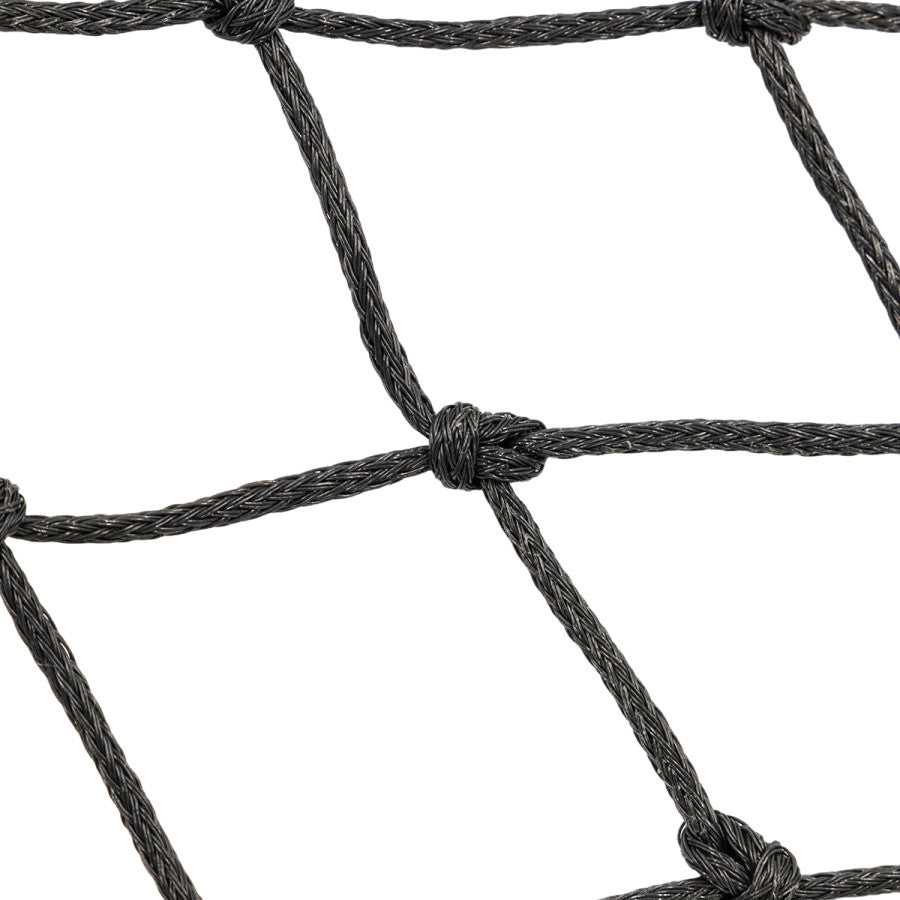
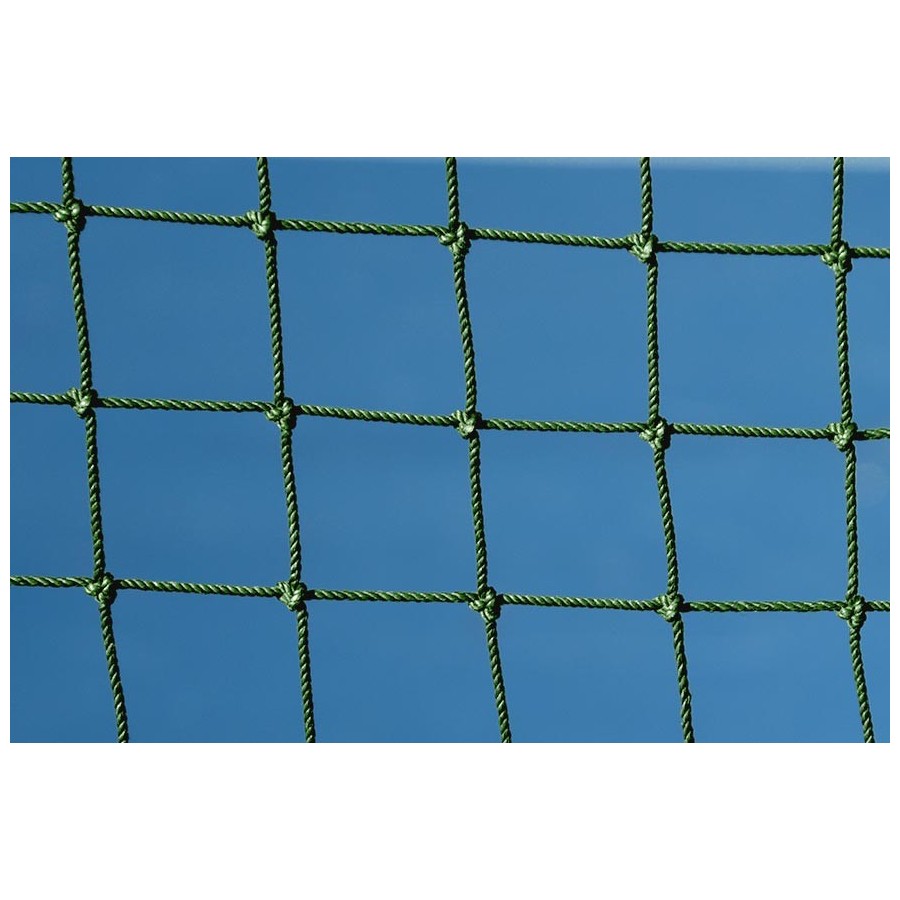
  • Knotted mesh: Traditional technique where each intersection is secured by a knot. This structure guarantees maximum dimensional stability: in the event of an accidental break in one strand, the rest of the netting remains intact and the mesh does not enlarge.
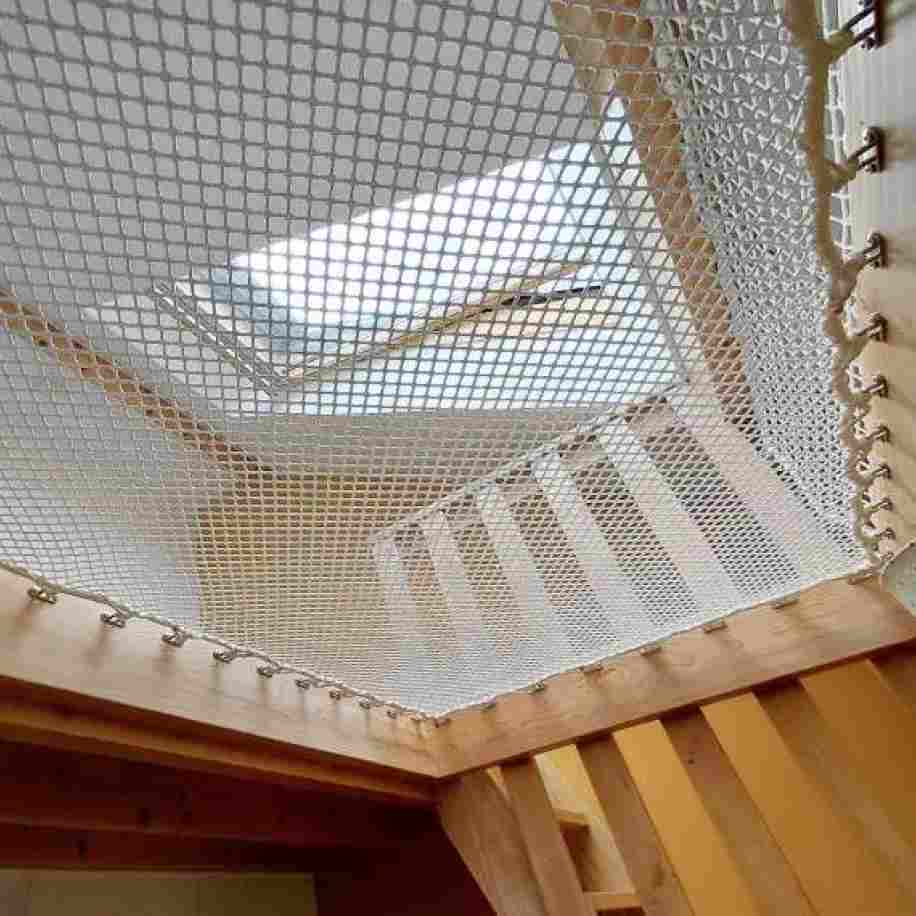
  • Knitted mesh (Raschel): Made by knotless intertwining, it offers a smooth, flat surface. It limits abrasion when in contact with objects or skin, making it an ideal solution for guardrails, habitation nets, or for relaxation comfort.
  • Square mesh: This is the most common shape for sports and safety nets. It ensures a regular aesthetic appearance and facilitates installation, as it naturally aligns with supporting structures (walls, posts, frames).
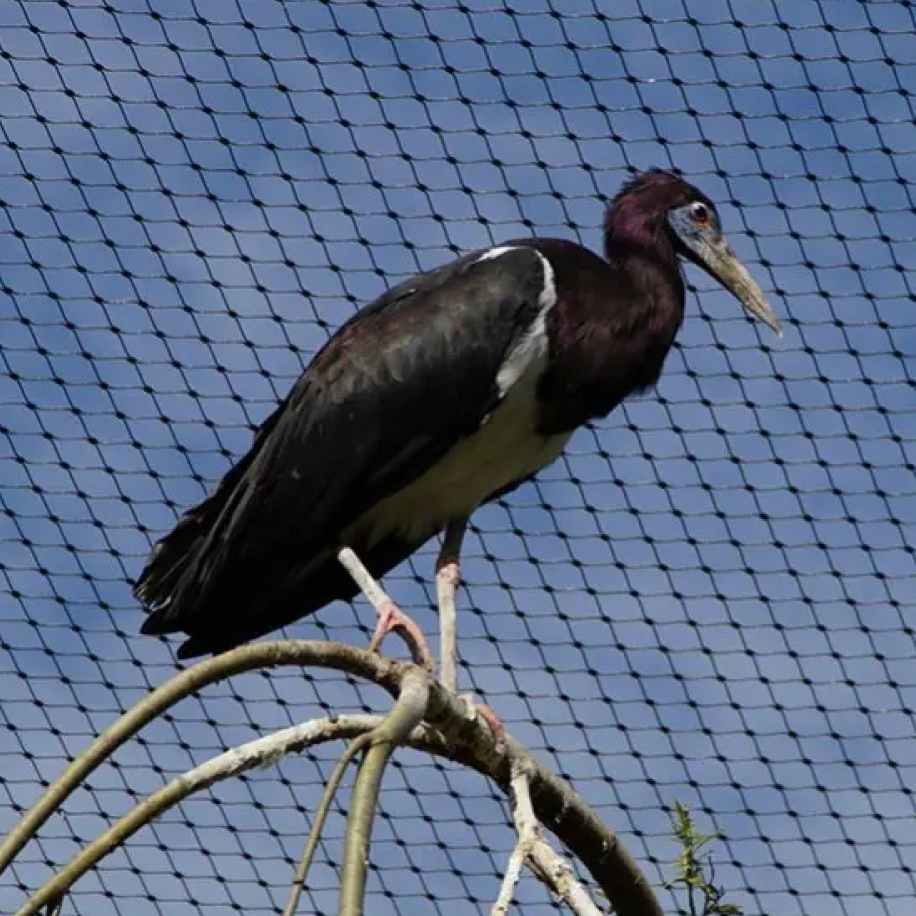
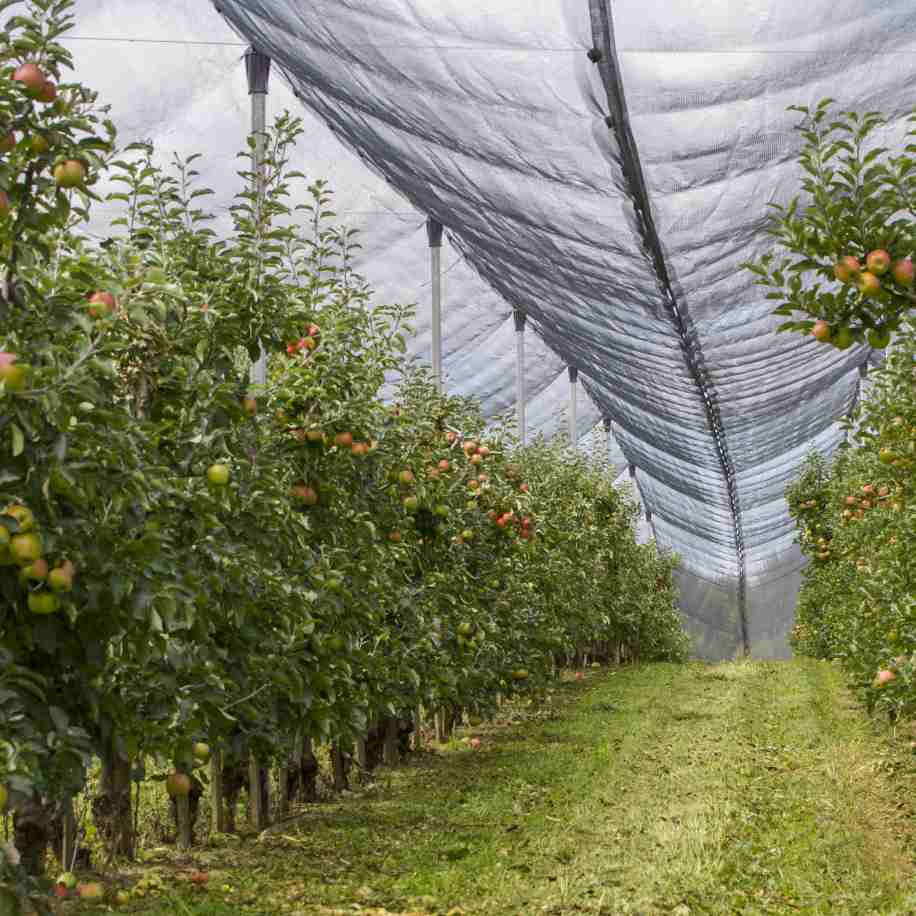
  • Diamond mesh: Thanks to its more flexible geometry, this mesh is preferred for nets that need to conform to variable shapes or flexible structures. It is particularly effective for aviary nets or light agricultural protection.
  • Boltrope: Reinforcing rope sewn around the entire perimeter of the net. It is essential for stabilizing the mesh, preventing fraying, and allowing optimal distribution of tension to your anchor points.

Frequently Asked Questions

Your frequently asked questions for safe and effective use

Comment choisir son filet ?

La performance d'un filet ne se résume pas à son esthétique ; elle est le résultat d'une sélection rigoureuse de variables techniques : la forme et la taille de la maille, le matériau et le traitement (anti-UV, hydrophobe ou ignifuge).

Sélectionner un produit parfaitement adapté à son usage, c'est la garantie d'une solution correspondant à votre besoin, sécurisée, ou encore qui va durer dans le temps.
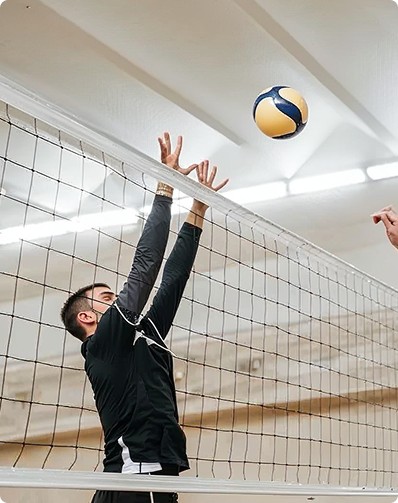
Quelle différence entre une maille carrée et une maille losange ?

La forme de la maille influence à la fois l'esthétique, la souplesse et le comportement du filet en fonction de son utilisation.
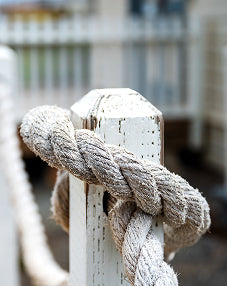
  • La maille carrée offre un rendu régulier et structuré. Elle est souvent privilégiée pour les filets d'habitation, les garde-corps, les aménagements de loisirs ou certains usages sportifs grâce à son aspect visuel soigné et à sa bonne stabilité.
  • La maille losange est généralement plus souple et s'adapte plus facilement à certaines configurations. Elle est fréquemment utilisée pour les volières, les filets agricoles ou d'autres applications nécessitant une plus grande flexibilité.

Le choix entre une maille carrée et une maille losange dépend donc de l'usage recherché, des contraintes techniques et du rendu esthétique souhaité. Nos équipes peuvent vous conseiller la solution la plus adaptée à votre projet.