Products
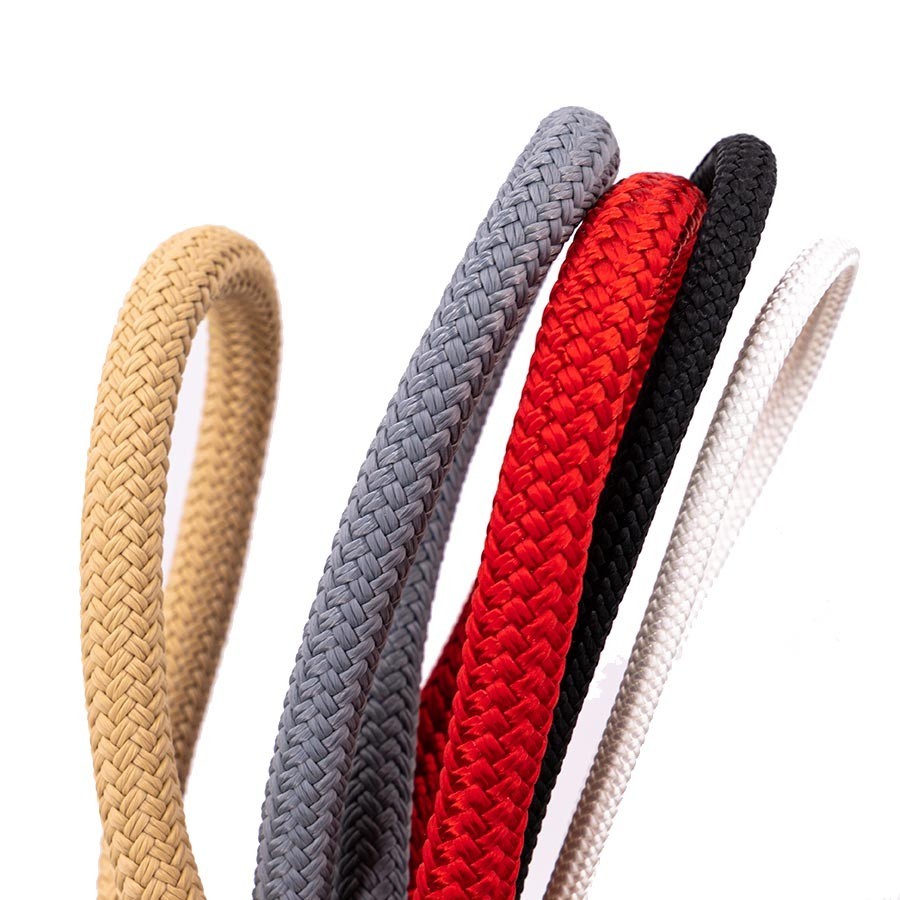
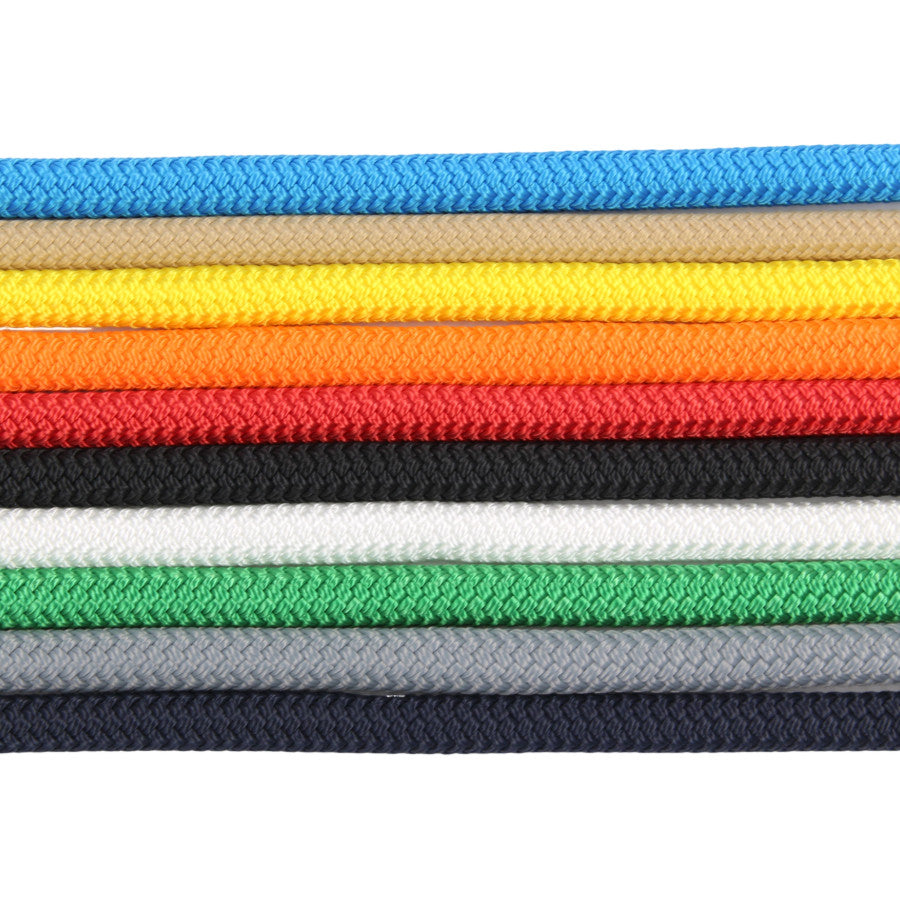
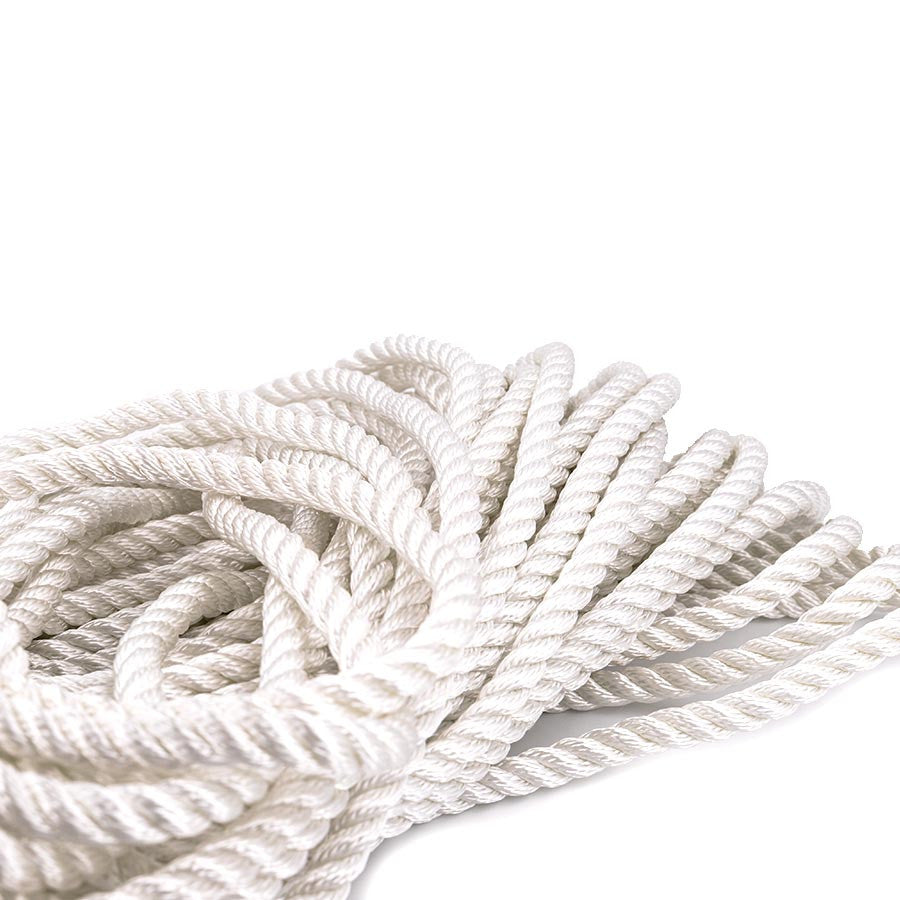
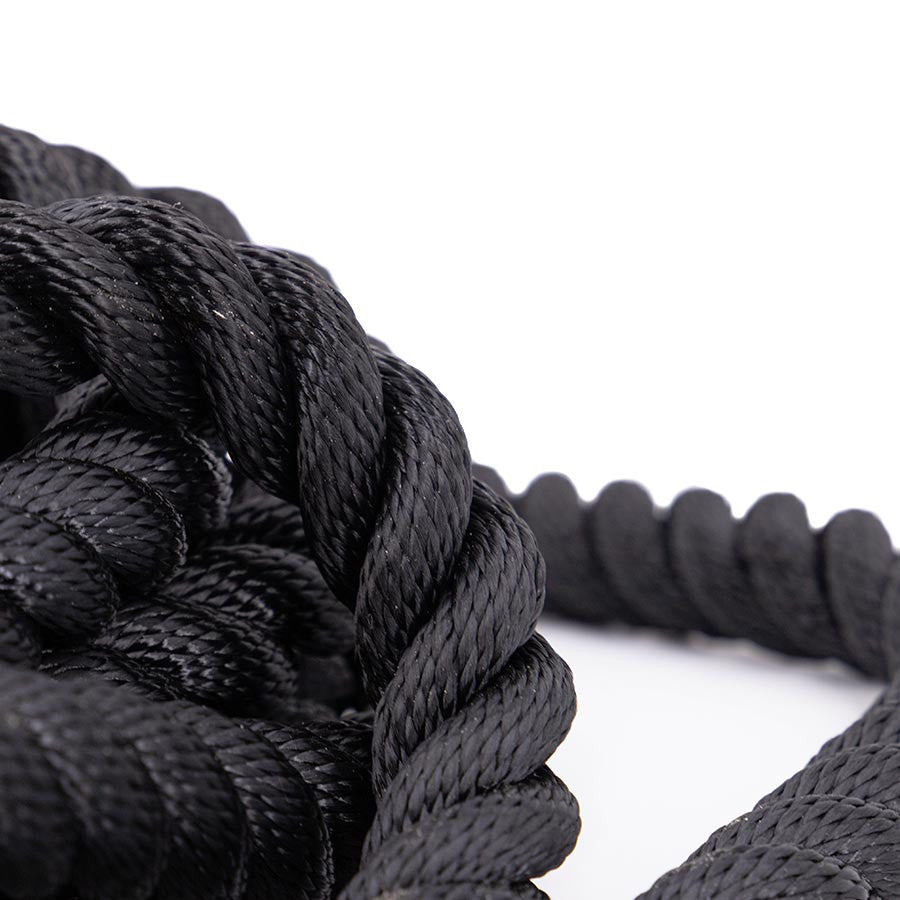
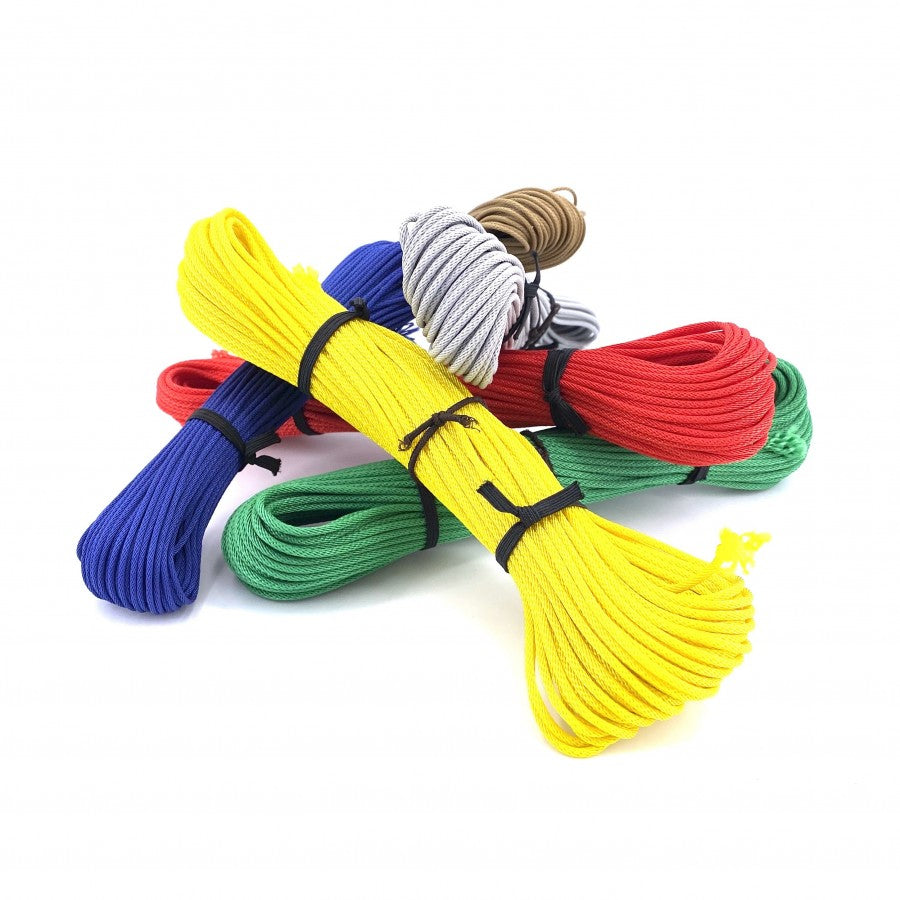
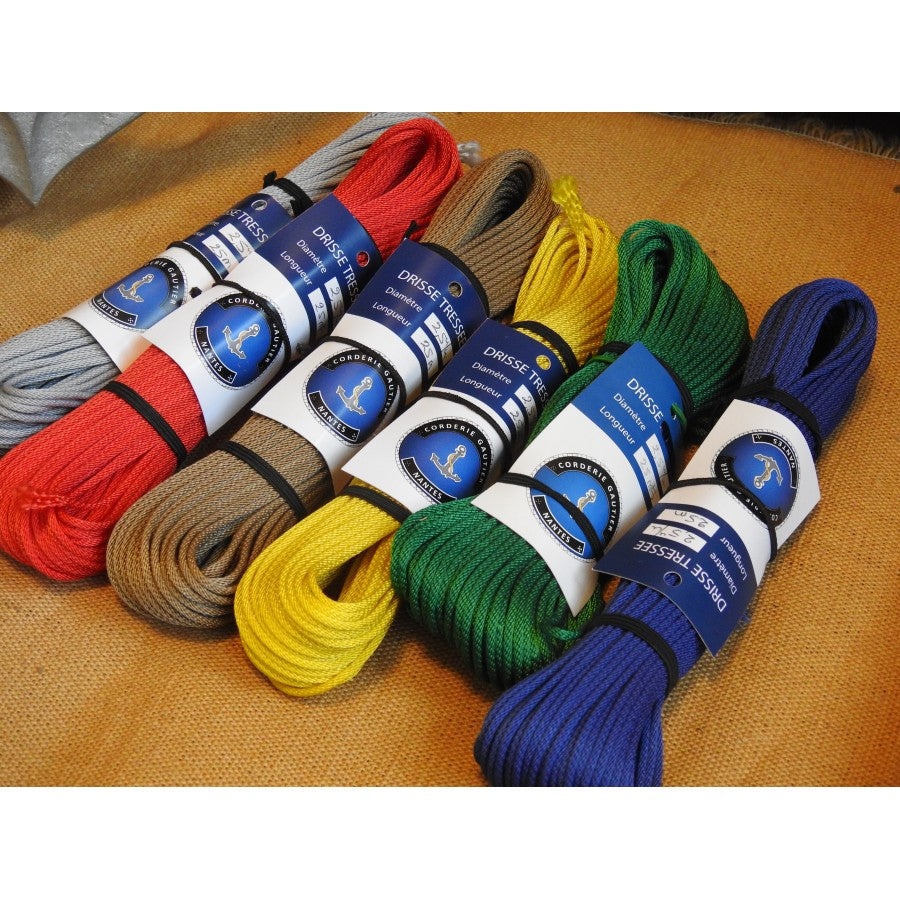
Synthetic Rope: The Ideal Choice for Outdoor Use
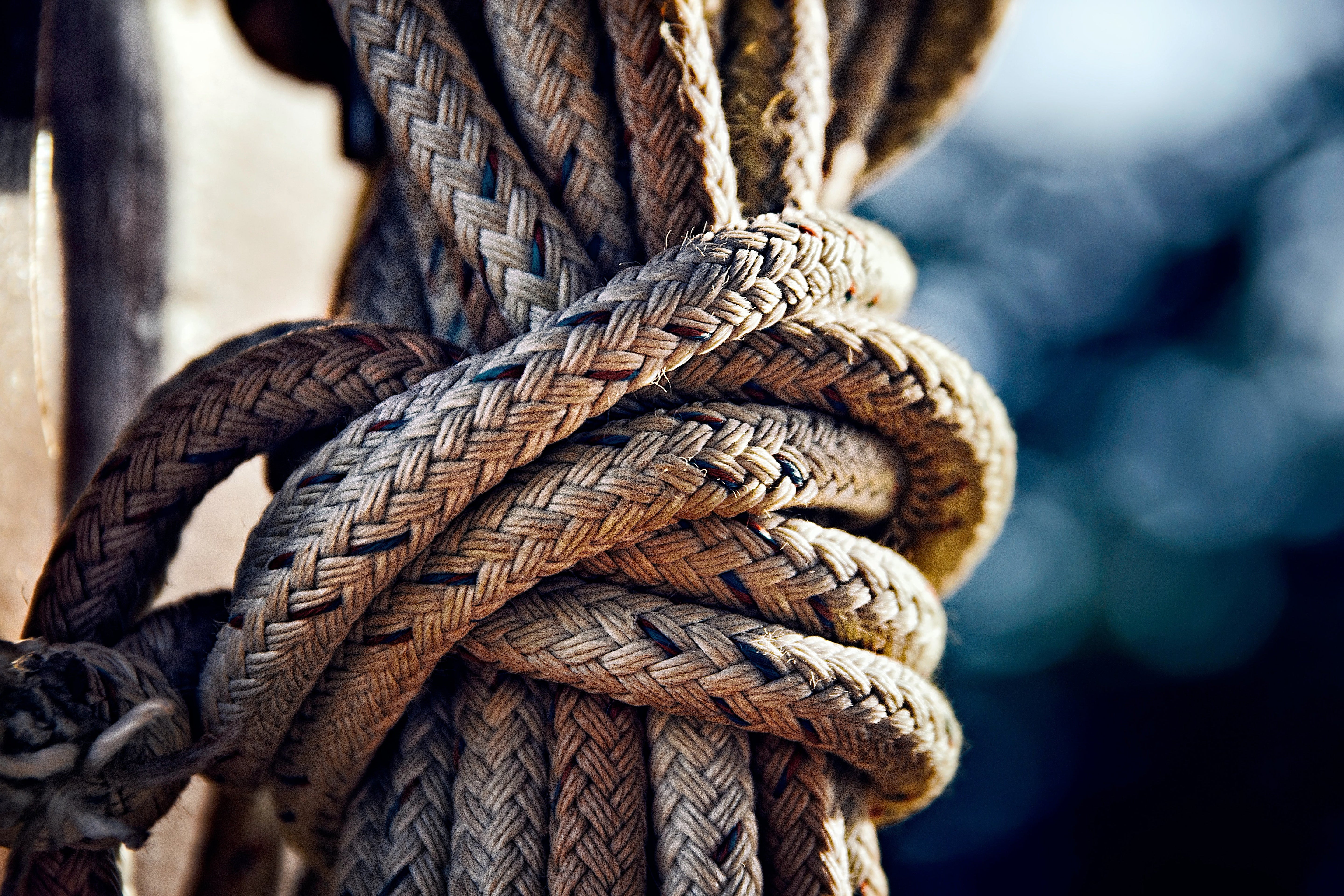
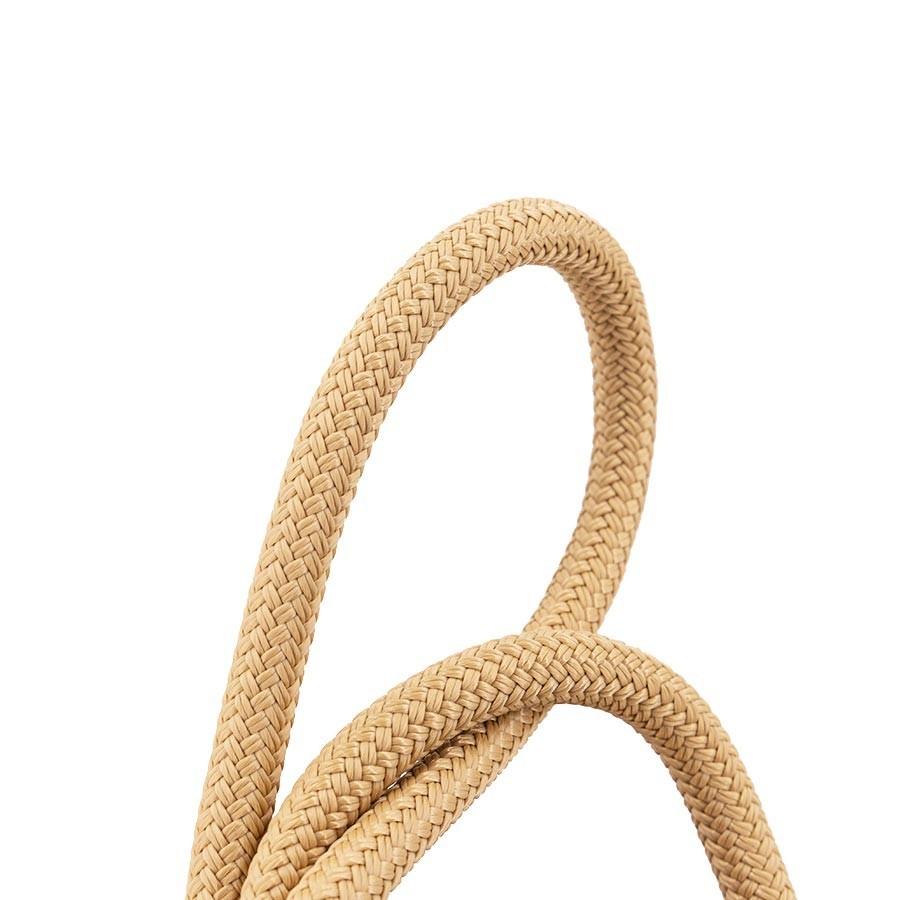
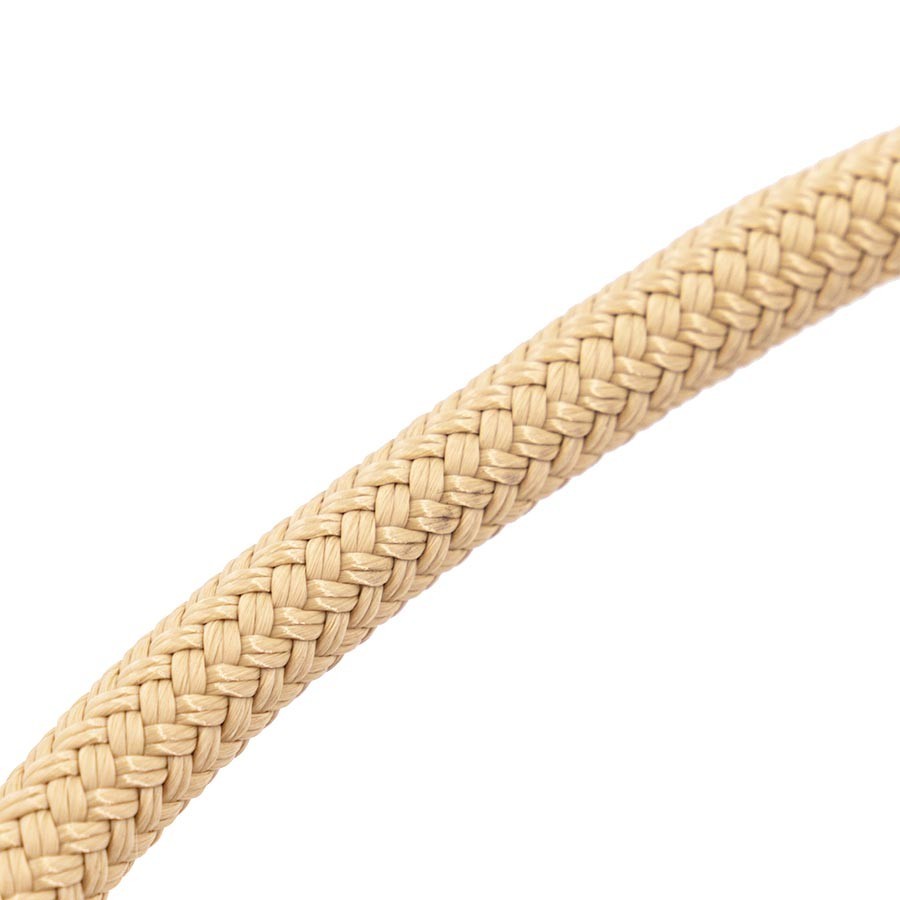
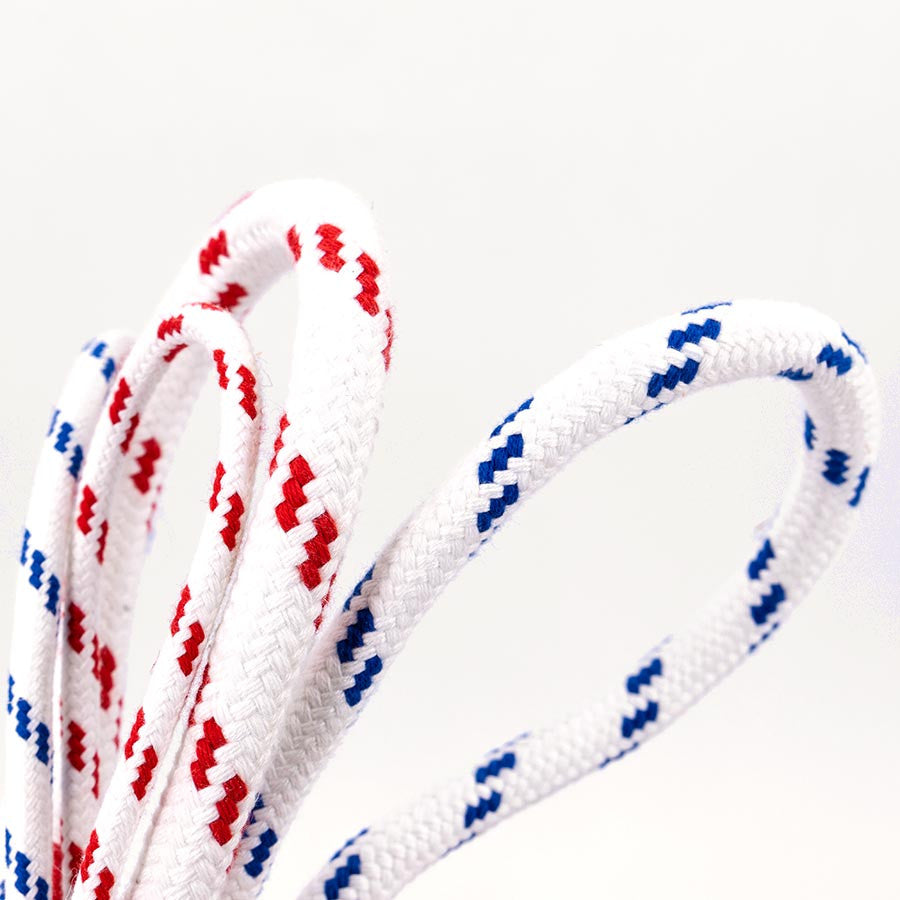
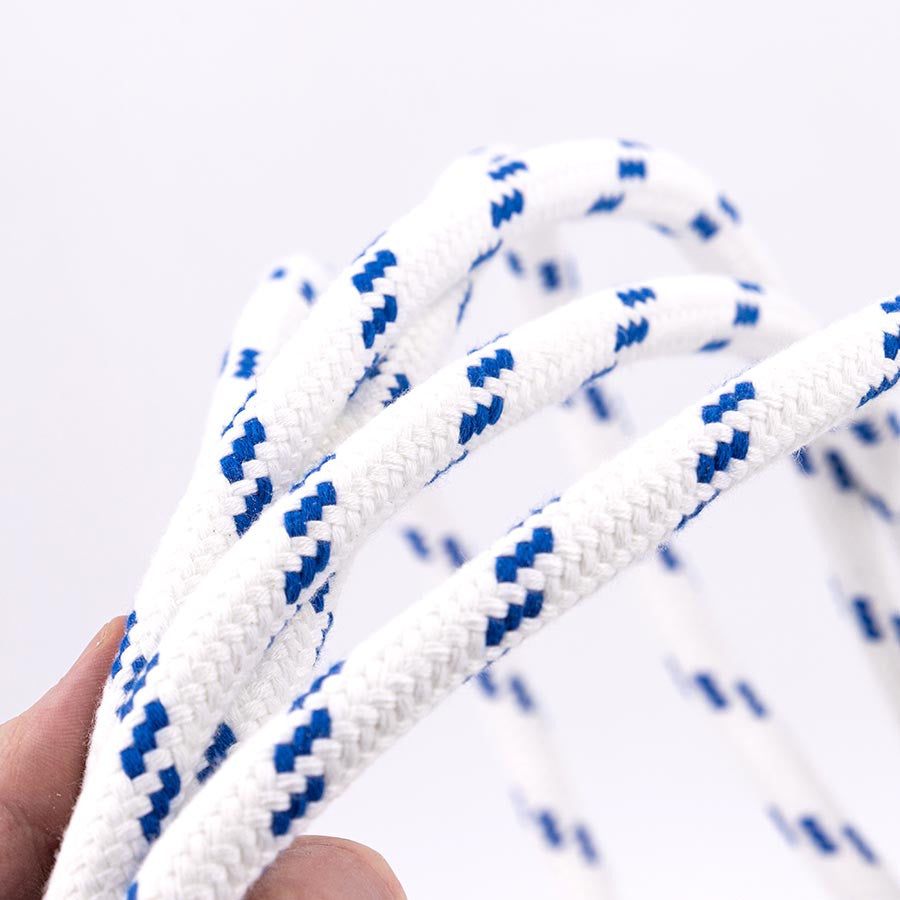
Synthetic rope is particularly suitable for outdoor use thanks to its resistance to moisture, UV, and weathering. Unlike natural fibers, it does not rot, dries quickly, and maintains its strength even after prolonged exposure to rain, mud, or sun.
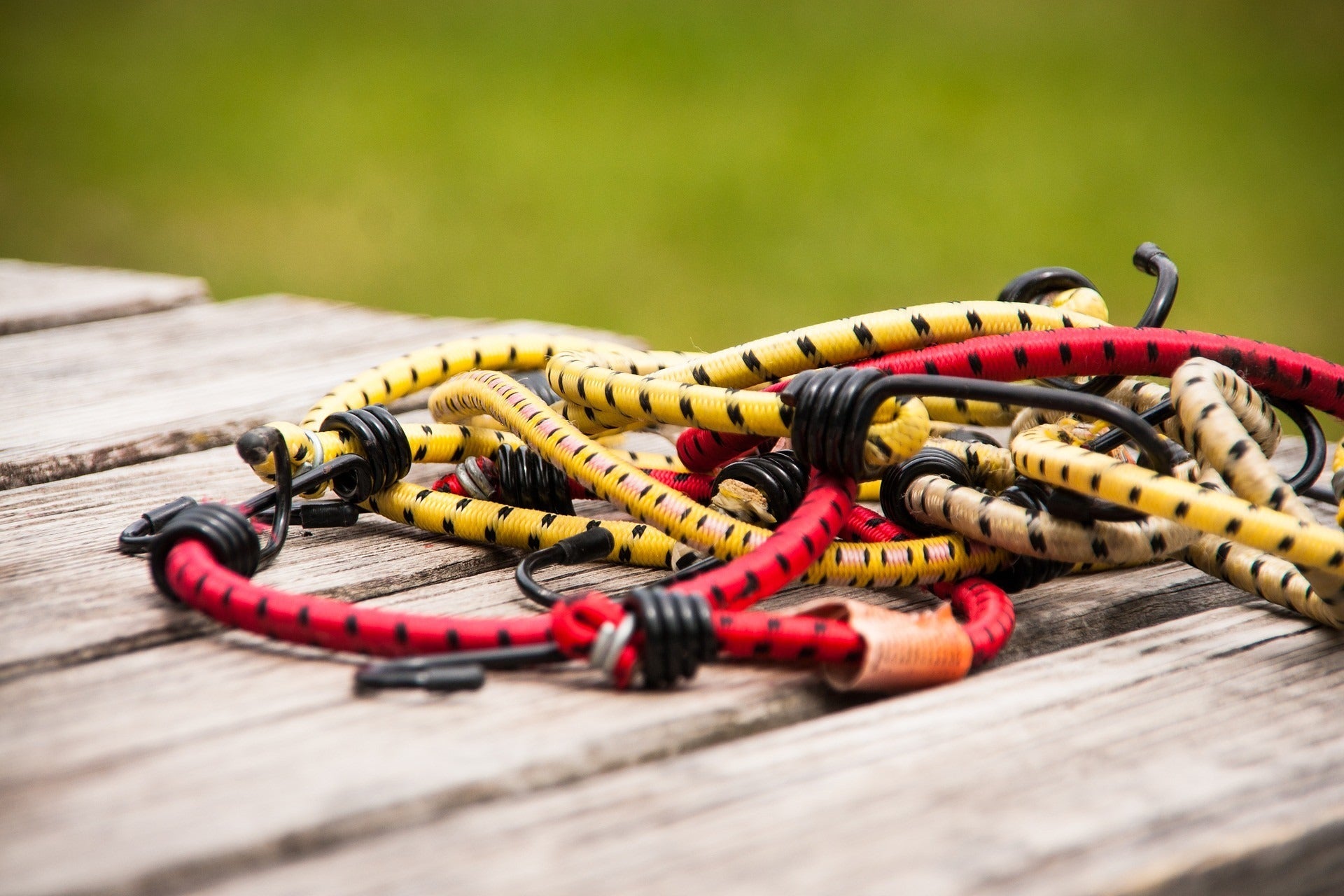
It is a reliable solution for many everyday uses: tarp fastening, outdoor landscaping, gardening, lashing, net support, DIY, temporary or permanent installations...
Its good resistance to abrasion and dirt also makes it an excellent choice for demanding environments where the rope is handled regularly.
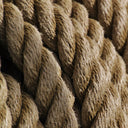
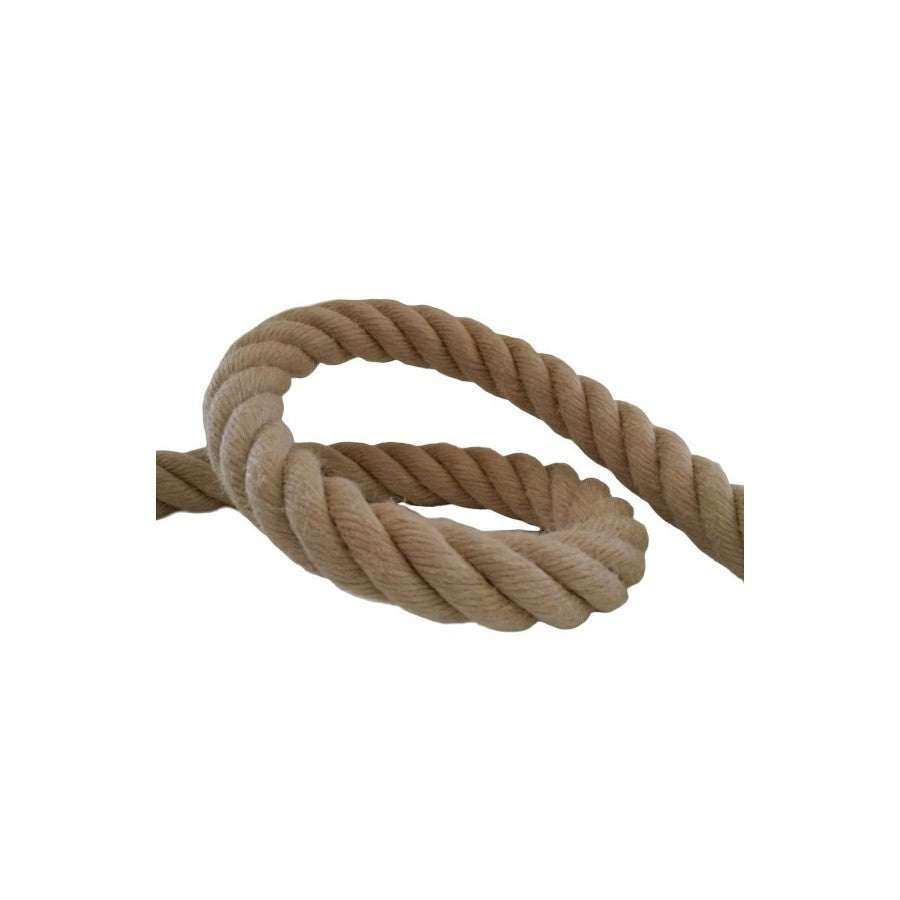
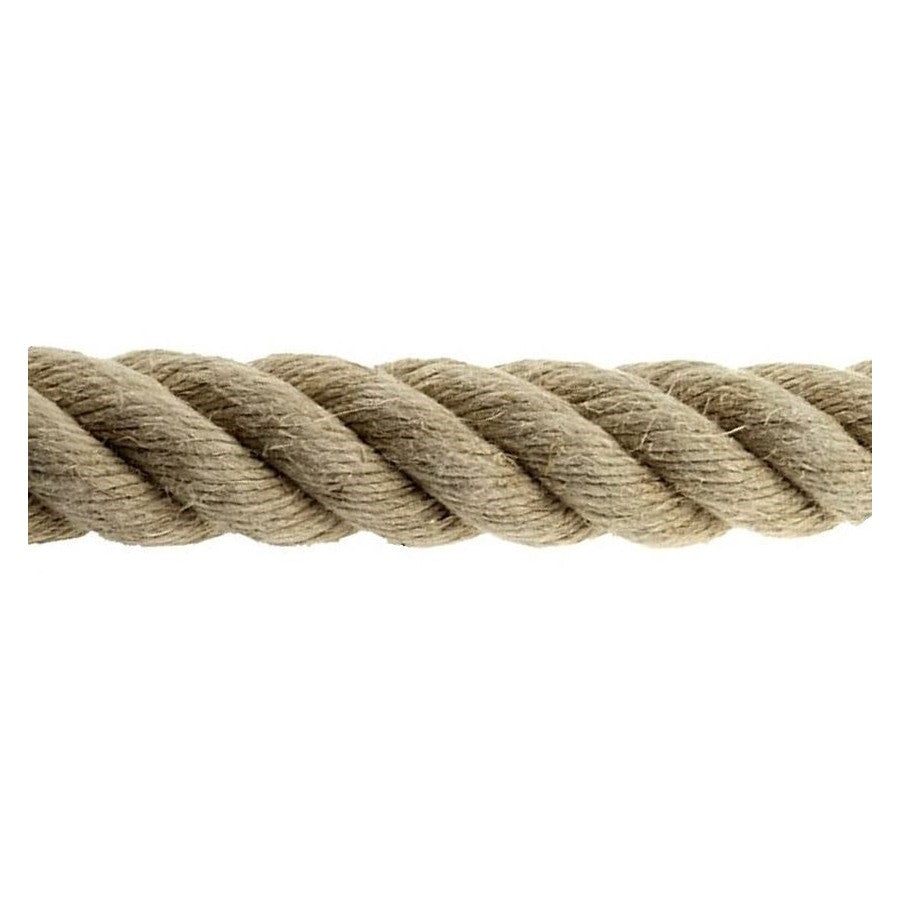
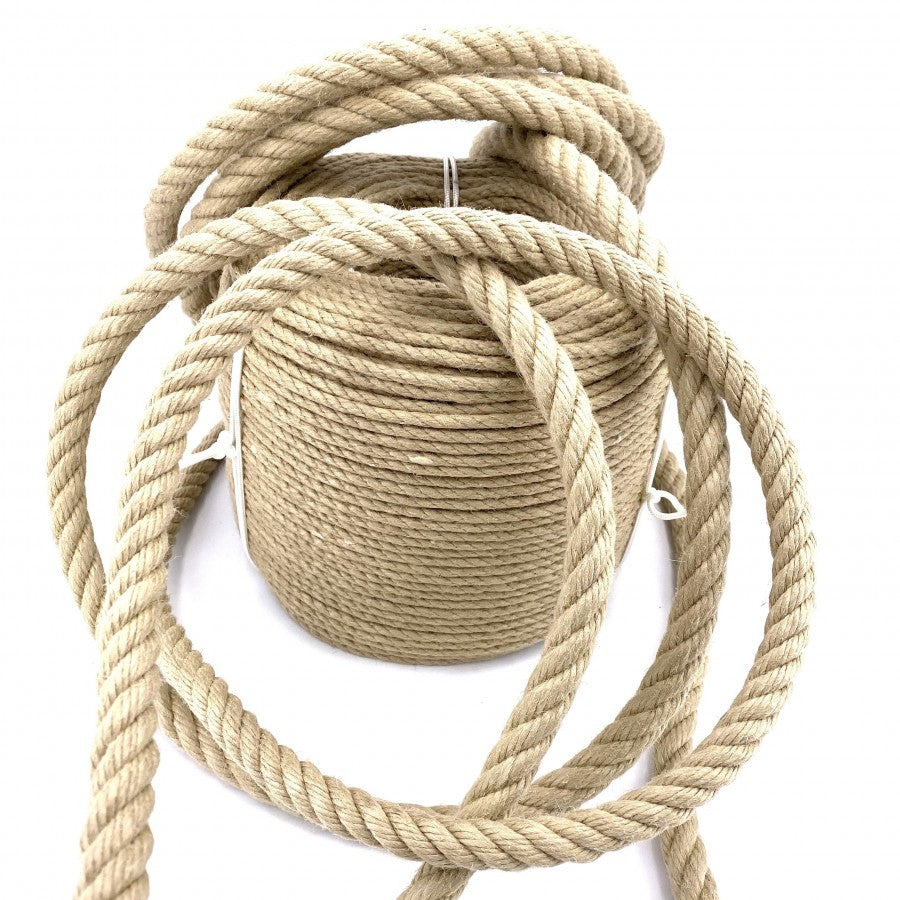
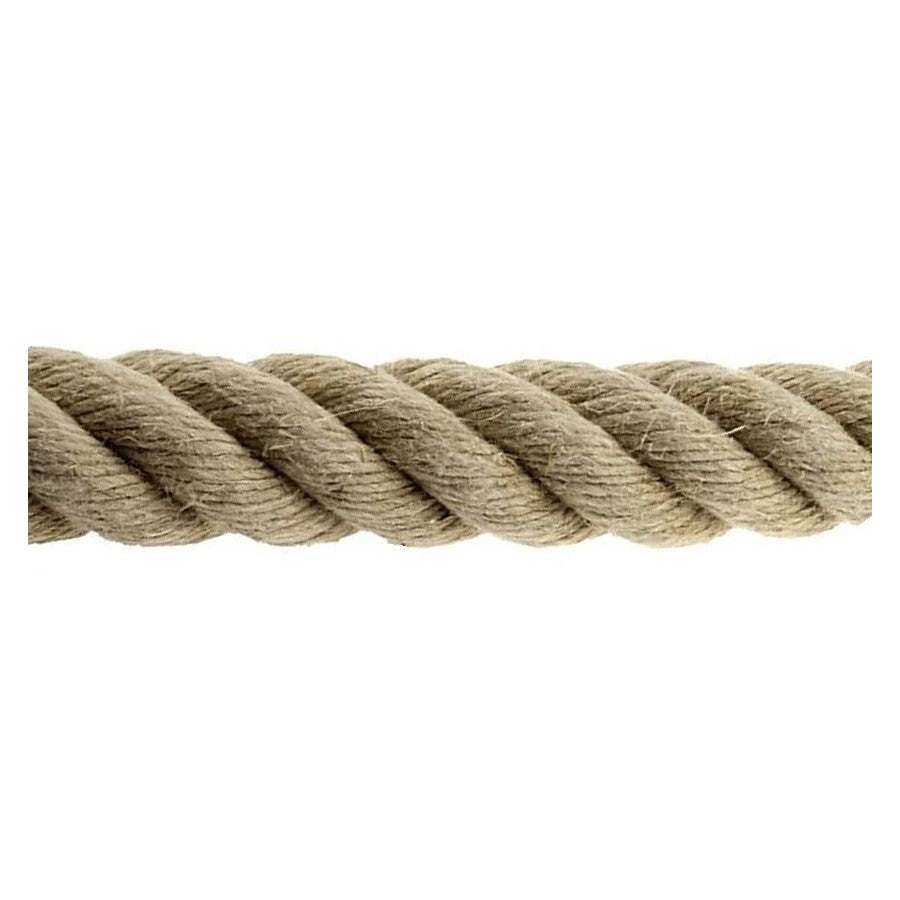
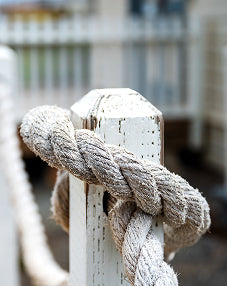
Some hemp-look ropes also allow for a more traditional aesthetic while benefiting from the advantages of synthetic materials. They are particularly popular for patios, decorative barriers, public spaces, or outdoor equipment exposed to the elements.
The Different Types of Synthetic Rope Materials
Each material has its own technical characteristics depending on the intended use.
- Polypropylene is valued for its lightness and water resistance. It floats, dries quickly, and is perfectly suited for common outdoor uses.
- Polyester offers excellent UV resistance with low elongation. It is a material widely used for applications requiring good stability and high abrasion resistance.
- Polyamide, often called nylon, absorbs more shocks thanks to its natural elasticity. It is particularly suitable for uses requiring it to withstand repeated tensions or jerks.
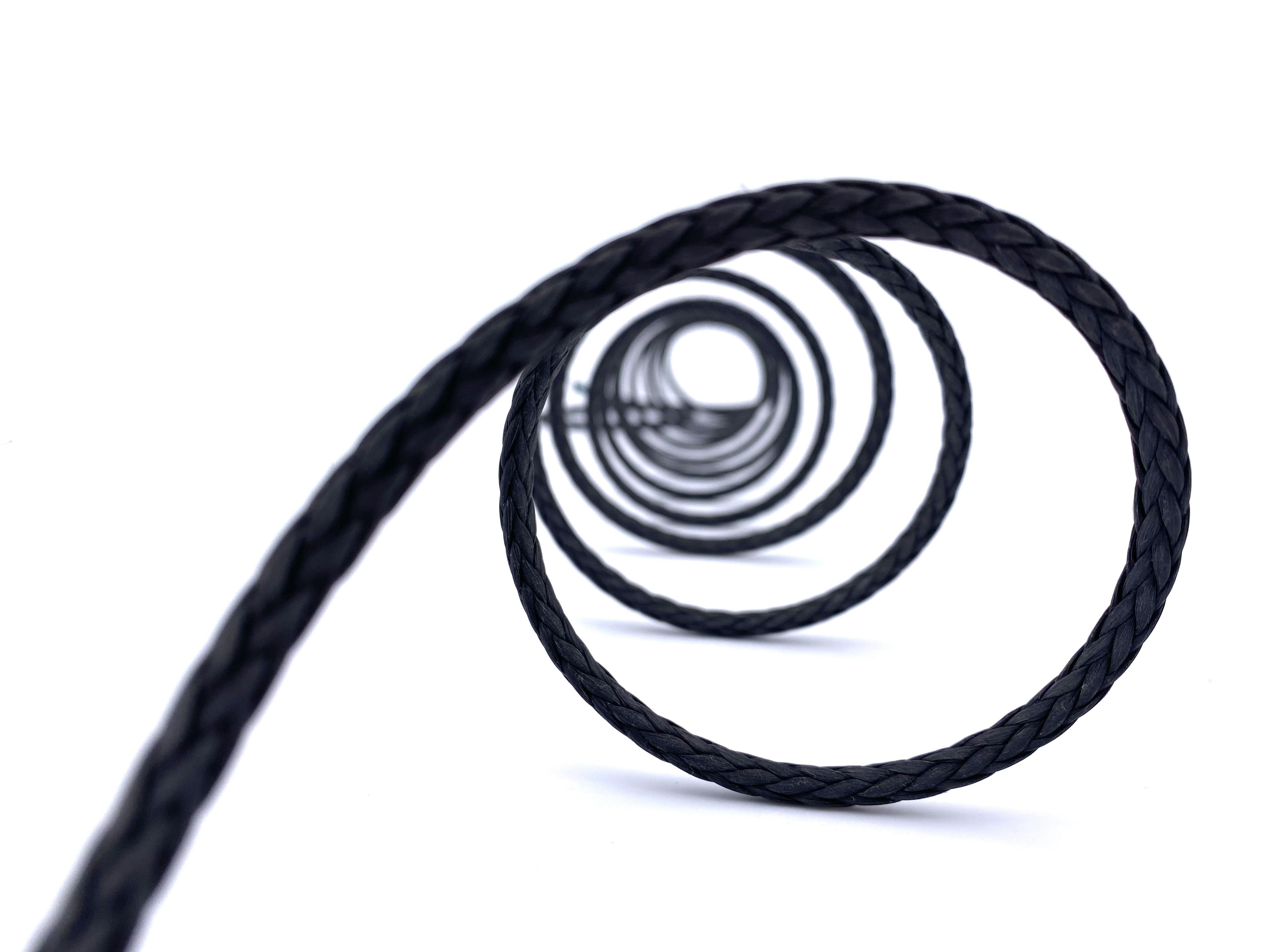
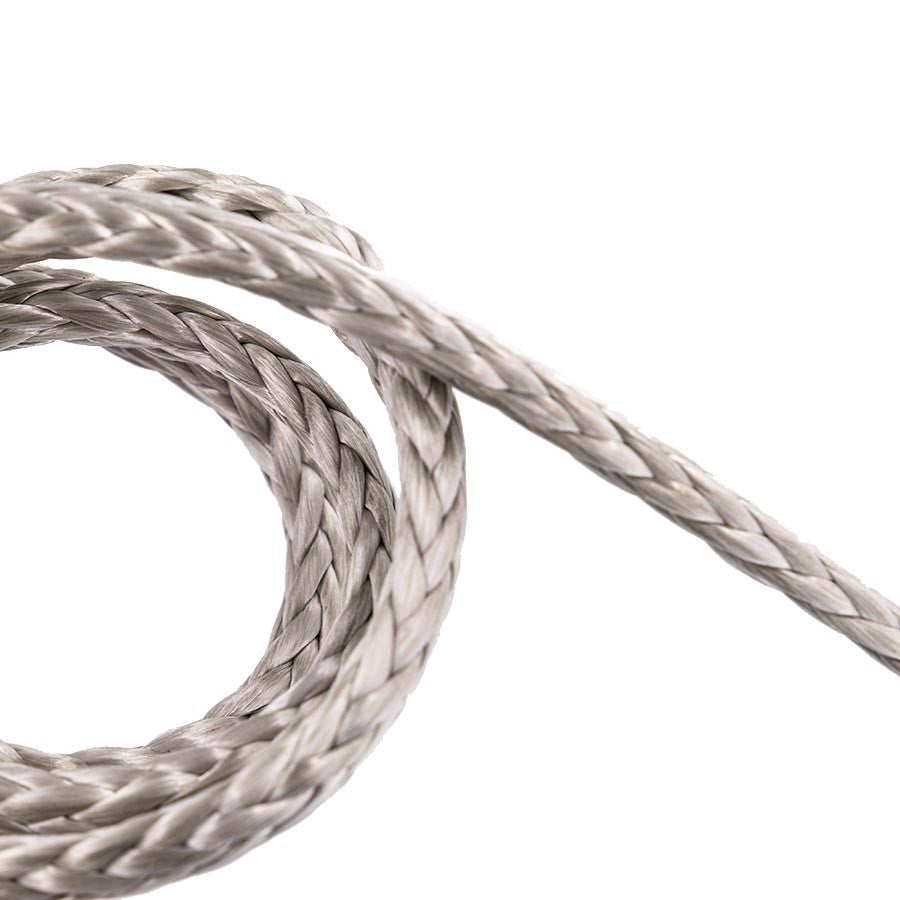
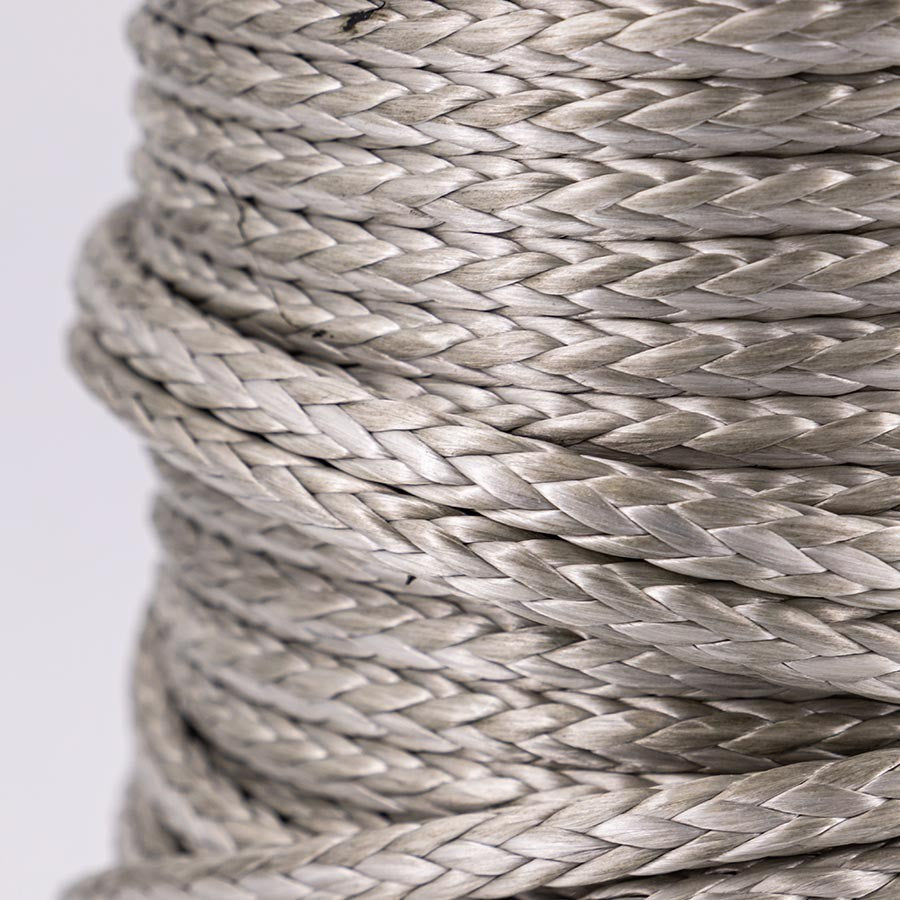
For technical and intensive needs, high-performance fibers such as HMPE provide extremely high strength for reduced weight.
Hemp-Look Synthetic Rope
Cotton, hemp, or jute are excellent fibers for making natural and ecological rope. However, these plant fibers are putrescible and deteriorate quickly outdoors when exposed to moisture and weathering.
Hemp-look synthetic rope resists rain, sunlight, and humidity. Its lifespan is much longer, and it effectively withstands abrasion as well as certain products used for DIY or gardening.
For restoring old rigging, decorating parks, tourist sites, and many outdoor developments, hemp-look rope is particularly appreciated.
It resists humidity, benefits from anti-UV treatment, is rot-proof, and also withstands animal urine. It ideally replaces natural hemp rope when a durable outdoor use is desired.
It also offers a higher breaking load than an equivalent natural rope.
Synthetic Rope for Professionals
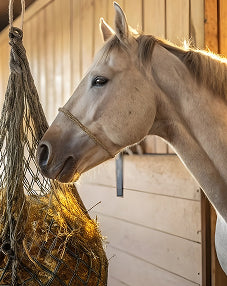
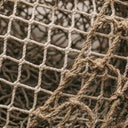
In the agricultural sector, synthetic rope is part of daily equipment. It is used, in particular, for fences, securing silage tarpaulins, holding nets, attaching equipment, or certain livestock equipment.
Its resistance to moisture, friction, and outdoor conditions allows for intensive use without rapid deterioration.
Professionals in construction, transport, green spaces, or boating also look for ropes capable of withstanding significant stresses while remaining manageable and durable. A quality synthetic rope retains its flexibility, dries quickly, and effectively resists abrasion.
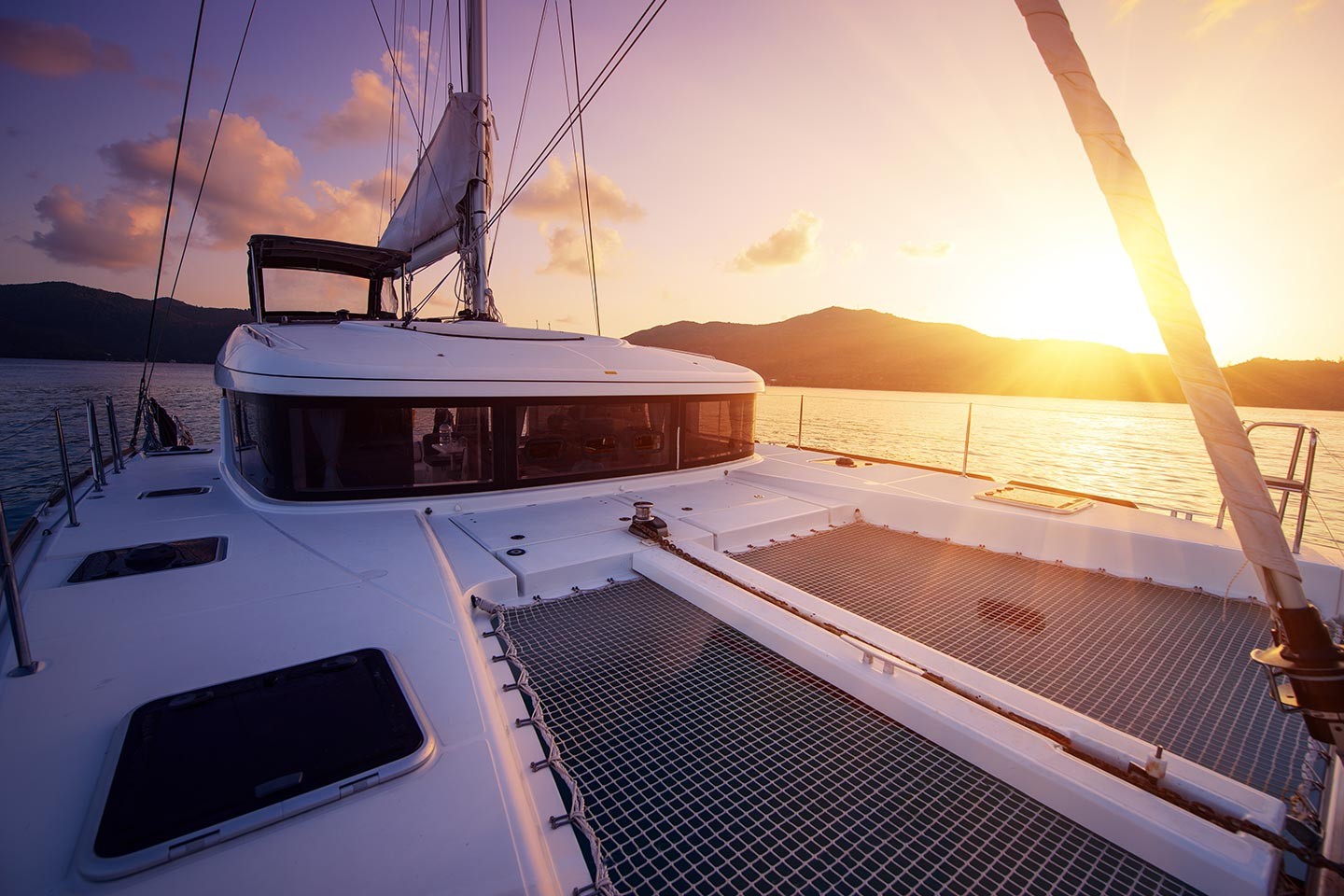
Synthetic Rope for the Sea
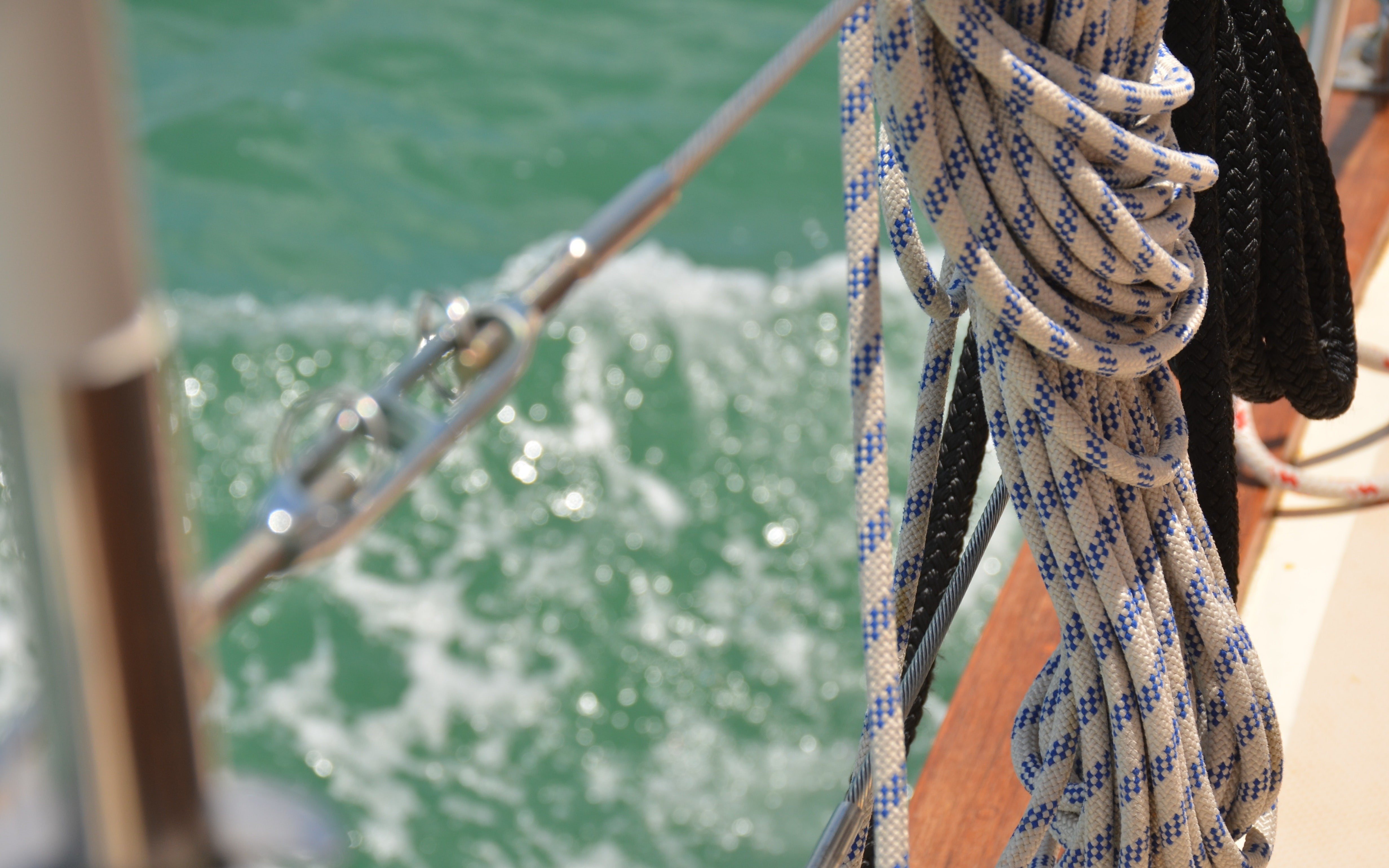
On a sailboat at sea or a barge on a river, quality marine rope is essential.
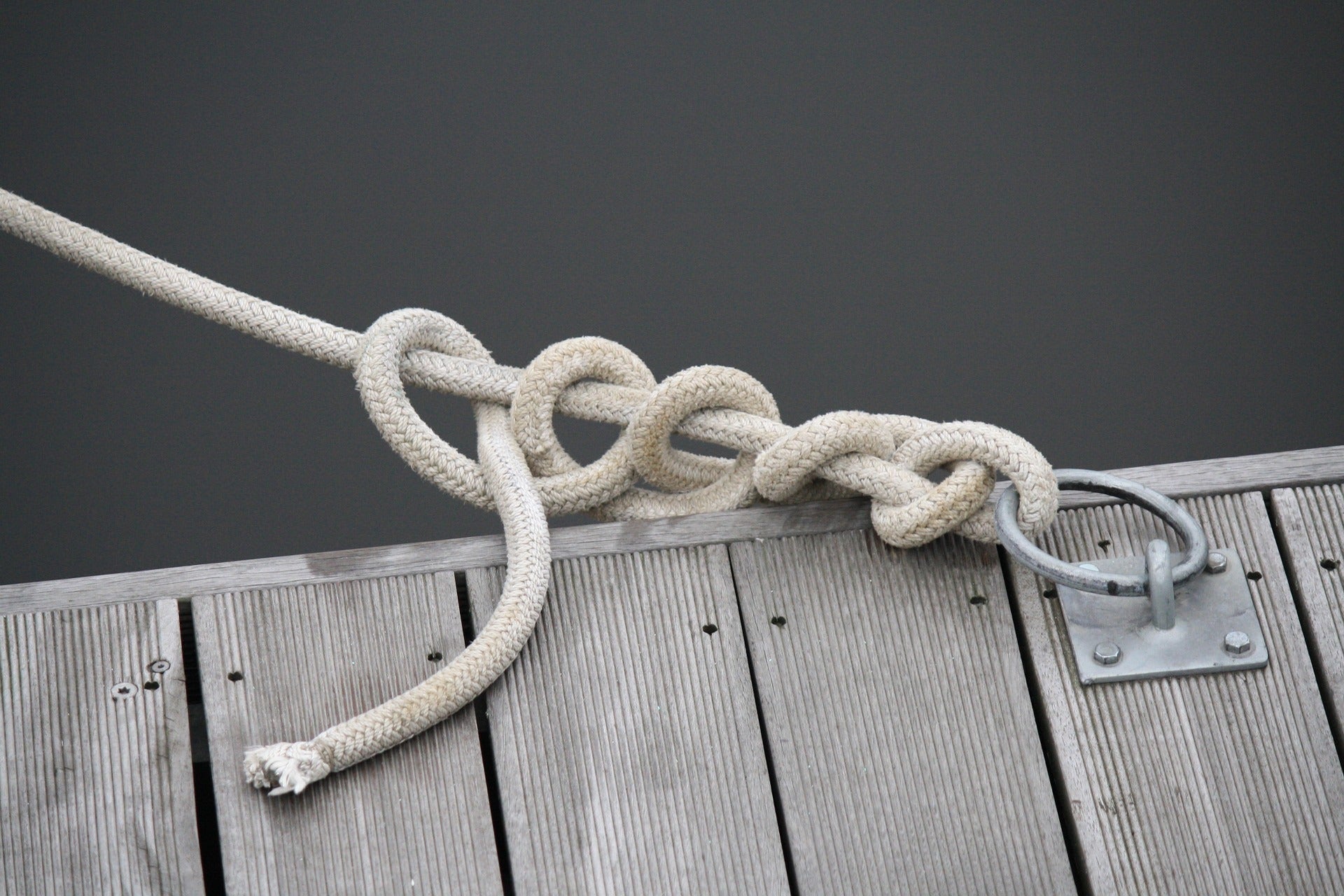
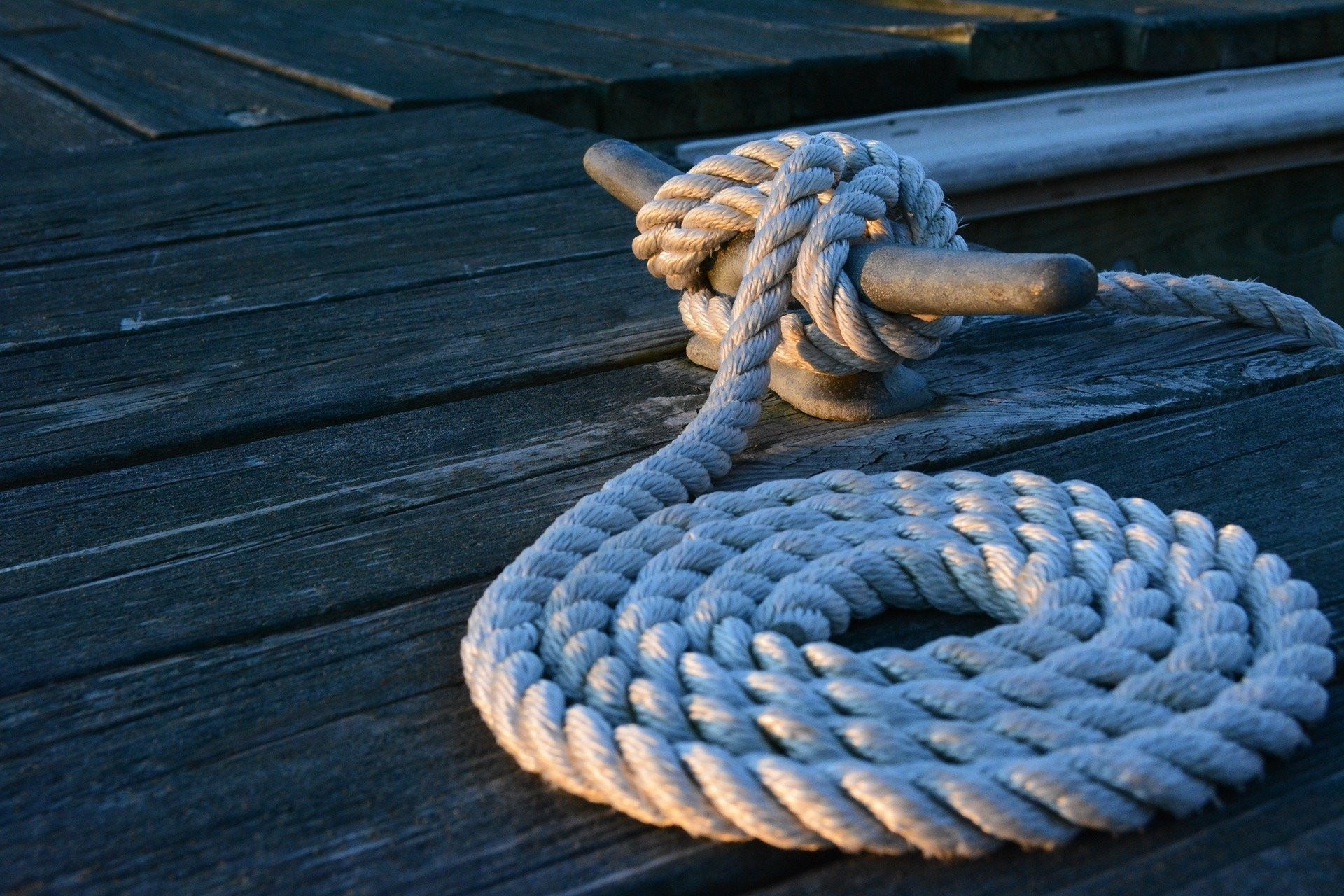
Halyards and sheets, mooring lines, lashing line... a rope is always useful on a boat.
Find here the synthetic rope that will meet your needs, resist the elements, and accompany you on your sea expeditions.
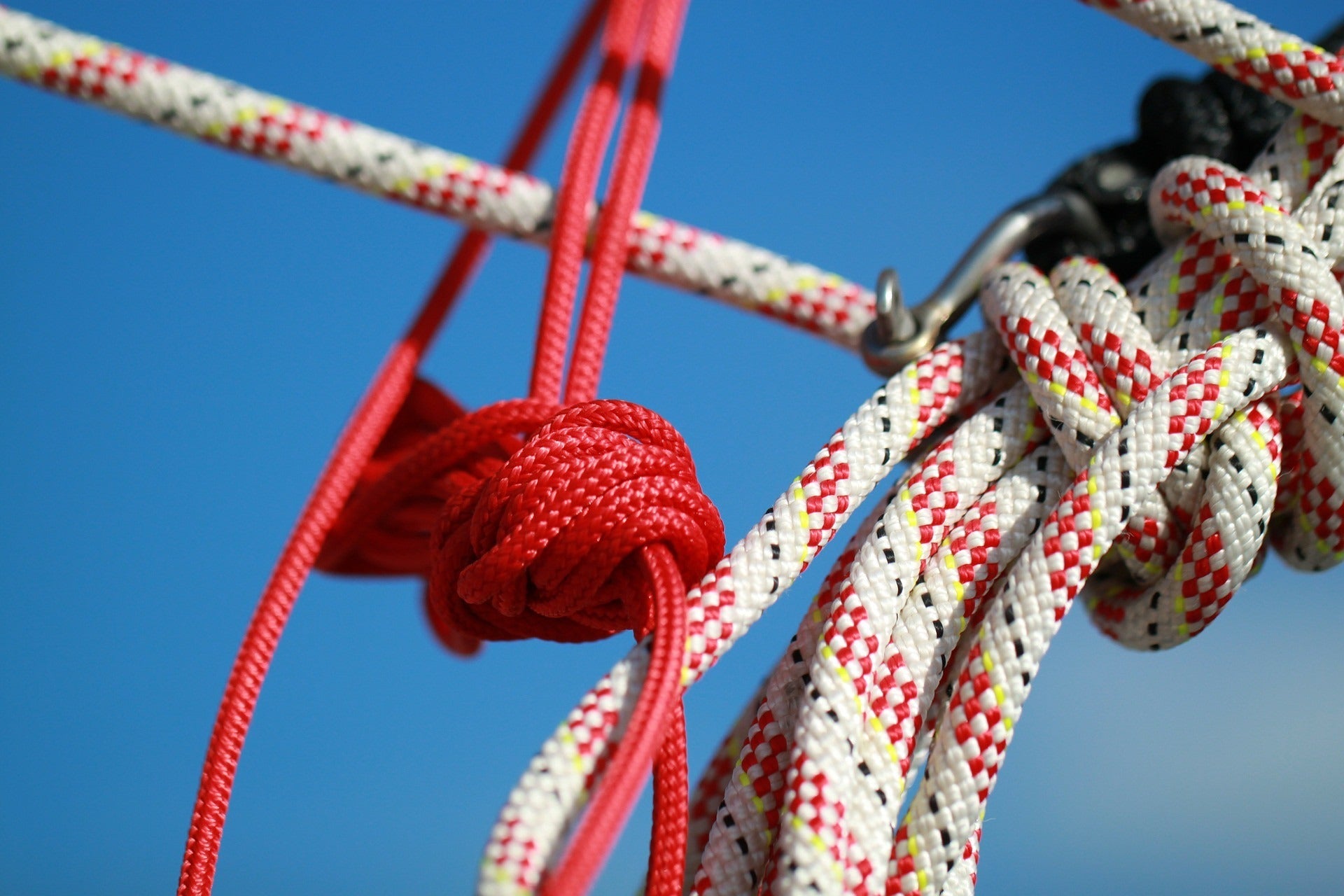
Professionals looking for high-performance marine rope will be delighted with HMPE: very low elongation, high strength, high performance, it accompanies skippers and sailing enthusiasts in competition.
Corderie Gautier also offers Kevlar: an ultra-resistant synthetic rope that can even replace a steel cable.
Frequently Asked Questions
Your frequently asked questions for safe and effective use
Housing
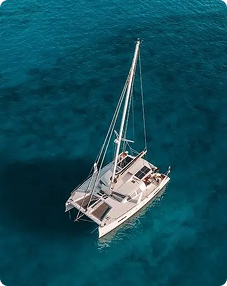
Boating
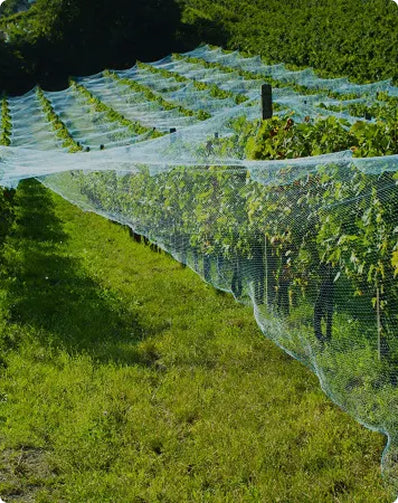
Agriculture
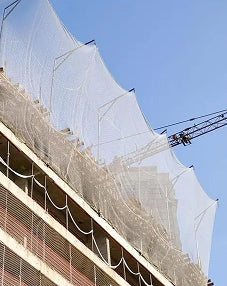
Work and safety
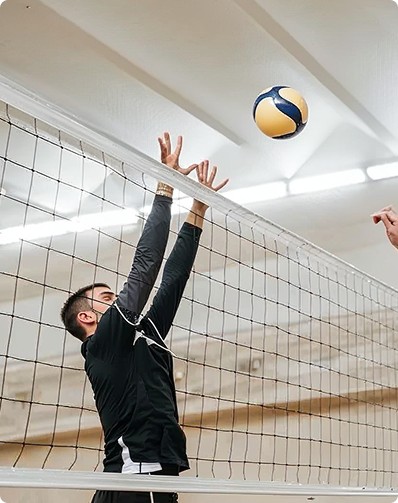
Sports and leisure
DIY and Garden